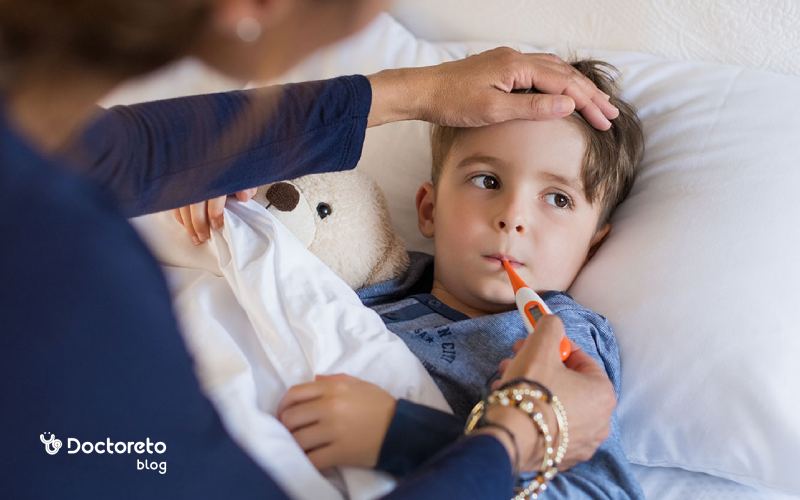
Fever in children is one of the most common causes of concern for parents, especially when it occurs without obvious cold symptoms. Many parents expect a fever to always be accompanied by a runny nose or cough. But in some cases, the child only has a fever and no other symptoms are seen. This situation can have simple or sometimes serious reasons. Knowing the possible causes of fever without a cold is very important. Early diagnosis helps prevent complications. In this article, we will fully investigate the cause of fever in children without cold symptoms.
The most common causes of fever in a child without cold symptoms
Fever without symptoms children's cold is often caused by non-respiratory causes. Many infections can start with just fever. In some cases, fever is the first and only symptom of the disease. The age of the child is very important in diagnosing the cause. The general condition of the child plays a decisive role. Many fevers are self-limiting, but should be evaluated in young age or poor general health.
Cause
Reason
Non-respiratory viral infection
Some viruses appear without respiratory symptoms only with sudden fever.
Natural response of the immune system
The body with an increase in temperature It creates an unsuitable environment for the growth of microbes.
Urinary tract infection in children
In many cases, fever is the only symptom, especially in infants.
Involvement of the digestive tract by viruses
Fever occurs without respiratory symptoms and accompanied by lethargy or loss of appetite.
Teeth Extraction
There is a slight and short-term increase in body temperature.
Introduction of germs when sucking hands in tooth extraction
Microbes enter the body and cause fever.
Heatburn
Long exposure to a hot environment causes the body temperature to rise.
Reaction to vaccination
Activation of the immune system causes mild to moderate fever.
Middle ear infection
Fever is often the first symptom and sometimes the only symptom.
Pusulent sore throat (streptococcal)
Illness with high fever and sudden onset without symptoms. A cold starts.
Pneumonia
In some children, the first symptom of fever and respiratory symptoms appear later.
In this table, the cause of fever in children without cold symptoms is examined.
English text: Fever is not an illness—rather, it's the body's way of fighting infections. When bacteria or viruses enter the body, the immune system raises the internal temperature to create an environment where harmful organisms struggle to survive. Persian translation: Fever is not a disease itself, but the body's way to fight infections. When bacteria or viruses enter the body, the immune system raises the body's internal temperature to create an environment where it is harder for harmful microbes to survive.
Some viruses cause fever without causing respiratory symptoms. These viruses can involve the digestive system or the whole body. Fever usually appears suddenly without any other symptoms. The child may be a little lethargic or lack appetite. In most cases, these types of infections resolve spontaneously with supportive care. The duration of fever is usually several days and its intensity varies. If the fever persists or the general condition of the child worsens, a medical examination is recommended.
Fever accompanied by unconsciousness or abnormal breathing is considered dangerous. In these cases, you should see a doctor immediately.
2. Urinary tract infection in children
urinary infection in children is one of the important causes of fever without cold symptoms. In many cases, fever is the only symptom of this infection, especially in infants. The child may feel burning or discomfort when urinating. A change in the smell of urine or its cloudiness may also be seen. In infants, symptoms are usually vague and nonspecific. Diagnosing a urinary tract infection requires a urine test. Early treatment is very necessary to prevent kidney damage.
3. Teething and fever
Baby teething can be one of the reasons for a slight increase in body temperature in children, but it usually does not cause a high fever. This increase in temperature is often short-lived and resolves on its own. During this period, the child may become restless, moody and lack of appetite. Increased saliva secretion and wetness around the mouth are common symptoms.
The child's tendency to chew things or bite increases. Sometimes the child's sleep is disturbed and he is restless at night. It should be noted that high or persistent fevers are not usually related to teething. In case of severe or prolonged fever, it is necessary to check other causes by the doctor.
English text: Teething hurts the mouth, and when that happens, children suck and chew on their hands and fingers to self-soothe. Then, germs enter and those germs put a virus into your child's body, which causes the fever. Farsi translation: Teething causes pain in the child's mouth, and in this case, children suck or chew their hands and fingers to calm themselves. This behavior can introduce germs into the child's body, and some of these germs introduce viruses into the child's body, resulting in a fever.
4. Heatstroke and dehydration of the child's body
Long-term exposure of the child to hot environments or direct sunlight increases the risk of heat stroke. Drinking less fluids, especially in hot seasons, plays an important role in the occurrence of this problem. In this case, the child's body temperature rises. The child may become lethargic, dull, or drowsy. Decreased sweating or dry mouth are signs of dehydration. Fever is usually reduced by cooling and rehydration. Prevention is very effective by providing enough water and staying away from extreme heat.
5. The body's reaction to vaccination
Fever is one of the common side effects after vaccination. This fever is usually mild to moderate and is a sign of activation of the child's immune system. Fever often appears a few hours to a day after the vaccine is administered. In most cases, the fever resolves completely within 24 to 48 hours.
The child may have a little restlessness or loss of appetite. Mild redness or swelling at the injection site is also common. These reactions are normal and temporary. In case of high or prolonged fever, a doctor should be consulted.
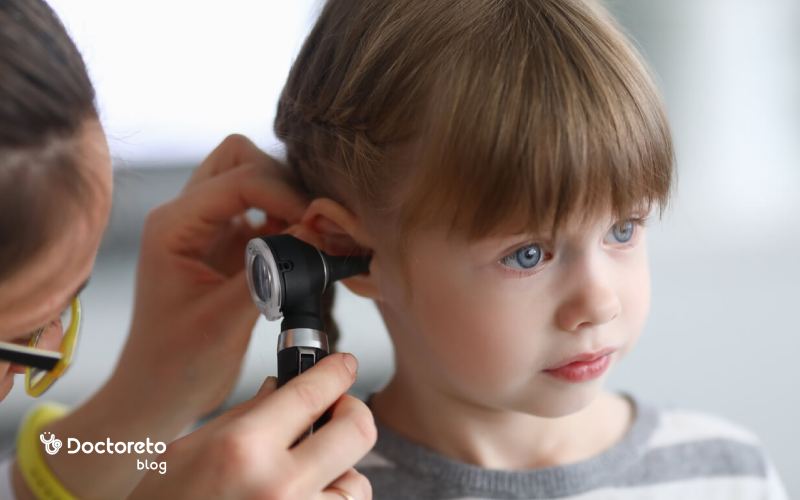
Middle ear infection is more common in young children and fever is usually one of the first symptoms. Its signs are.
6. Middle ear infection in children
Middle ear infection can occur without obvious symptoms of a cold. This infection is more common in young children. Fever is usually one of the first symptoms. The child may pull his ear or touch it constantly. Restlessness, crying and sleep disturbance are common symptoms. Sometimes ear pain is not clear and only fever is seen. Decreased appetite may also occur. Timely diagnosis and treatment prevents possible complications.
7. Purulent sore throat (streptococcal)
Sore throat can start suddenly with a high fever. This disease usually starts with high and sudden fever. Unlike a cold, there is often no runny nose or cough. The child may complain of a severe sore throat. Swallowing food becomes painful for the child and sometimes he refuses to eat. Lymph nodes in the neck may become swollen and painful. In the examination, white or purulent spots can be seen on the tonsils. Timely diagnosis and antibiotic treatment is very essential.
8. Pneumonia
pneumonia or pneumonia sometimes starts without obvious respiratory symptoms. This disease can start suddenly with a high fever. In some children, cough or respiratory symptoms appear later, and fever is the first sign. The child may be lethargic, sleepy, or lack of appetite. Rapid breathing, abnormal breath sounds or shortness of breath are warning signs.
Chest pain or restlessness while breathing may also be observed. Diagnosis requires careful medical examination and sometimes imaging. Prompt treatment with bactericidal antibiotics or supportive care is critical to prevent complications.
More serious but less common causes of fever in children without a cold
Some serious diseases can appear only with fever. These are less common but important. Some bacterial infections, such as sepsis or internal infections, can present only with fever. Inflammatory diseases such as lupus or other autoimmune disorders may also cause fever without other symptoms. In babies and young children, these causes are more important. Prolonged or recurrent fevers should be closely monitored.
A fever accompanied by severe malaise, weight loss, bleeding, or unusual symptoms is alarming. An accurate diagnosis usually requires blood, urine, or imaging tests. Timely treatment can prevent serious complications. Parents should consult a doctor immediately if they notice any unusual symptoms or persistent fever.
Fever in children without cold symptoms can have several reasons. Many types of causes of fever in children without cold symptoms are benign and manageable. However, some cases require immediate attention. It is very important to pay attention to the general condition of the child. Duration and intensity of fever play a decisive role. Parents should be vigilant. Consulting with a doctor is the best way to make a decision.
Your doctor takes care of your health!
Frequently Asked Questions
In many cases, it is not dangerous and resolves on its own. But high fever, prolonged or accompanied by lethargy needs investigation. Timely diagnosis is very important.
Fever above 39 degrees, fever in babies under 3 months or fever with emergency seizure. Also, fever with unconsciousness or abnormal breathing is considered dangerous. In these cases, you should see a doctor immediately.
If the child is active and in good general health, there is usually immediate cause for concern is not However, fever and symptoms should be monitored. If it persists or worsens, it is recommended to see a doctor.
I have started my activity in the field of content production and management since 1995 and I am always eager to face new job opportunities. Getting to know a different world in different fields such as medicine and health also encourages me to follow a healthy lifestyle. That's why I started working with your doctor.