What is the PTT test and when is it prescribed? Complete interpretation of the ptt test
ptt test helps your doctor evaluate your body's ability to form blood clots. Blood clots or clotting factors are checked with the ptt test when the body is bleeding and trying to stop it.
Coagulant factors are proteins in the blood that work to stop bleeding from a cut or injury in the body.. The PTT test checks for this protein in the blood..
Coagulation factor proteins help blood clot and thus stop bleeding....This process is accomplished by several different factors, PTT being one of the most important....Join us in this article from GCORP LLC on when to order a ptt test and how to interpret it.
Table of contents
- What is the ptt test?
- When is the ptt test prescribed?
- Ptt test conditions
- How is the ptt test performed?
- There is no complete interpretation of the ptt test
Without ptt value - Abnormal ptt value
- Reason of prolonged blood clotting in PTT test
- Reason of faster blood clotting in PTT test
What is the ptt test?
In the partial thromboplastin time test, called the partial thromboplastin time (ptt), your doctor measures your body's ability to form a blood clot in a few seconds.
This happens in a few seconds and the result is considered as the relative time of active PTT.... This test is done when the body is bleeding.... Any kind of disorder in the clotting factor indicates bleeding in the body.... Diseases such as hemophilia and some drugs such as heparin can cause bleeding disorders.
Learn more: What is folic acid (folic) test or B9 test?
Learn more: What is hgb in a blood test?
When is a ptt test prescribed?
If you have excessive bleeding for a long time, your doctor will prescribe a ptt test to investigate and diagnose the cause.. Although this test is not used to diagnose a specific disease, your doctor can use it to check for blood clotting problems..
If the ptt test is abnormal, the doctor will do more tests to check which factor your body is having trouble producing. The symptoms that make the doctor prescribe this test are:
- Long or heavy menstruation
- Continuous and severe nosebleeds
- Presence of blood in urine
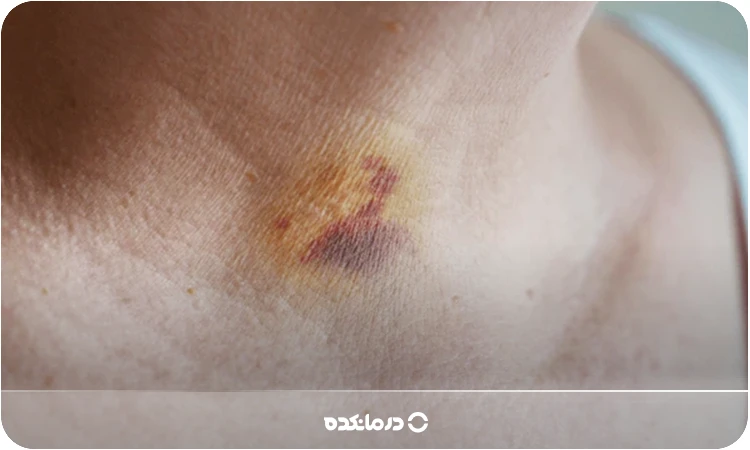
- Creating a bruise after a small blow
- Swelling of joints with severe pain
For people who take blood thinners such as heparin, the doctor will order a PTT test to check their health.
Learn more: PLT in blood test
PTT test conditions
The most important thing before starting this test is to inform your doctor about the medications you are taking so that he can stop taking them if necessary.... because there is a high possibility that some medications will affect the results of the ptt test..
These drugs include:
- Warfarin
- Aspirin heparin
- Vitamin C
- Antihistamine
- Chlorpromazine
How is the ptt test done?
The steps for performing this test are similar to a normal blood test.. The nurse first cleans the blood collection area with an alcohol swab, then inserts the needle into the vein so that the required blood is collected in the tube connected to the needle..
The next steps in the laboratory will be done by the technician... In this way, they add certain chemicals to the blood to calculate the blood clotting time in seconds.
Learn more: How is the TIBC test interpreted?
Full description of ptt test
To interpret this test, you must first familiarize yourself with the normal and abnormal results of the PTT test:
Typical ptt value
The result of the ptt test is measured in seconds, and its normal value will be 25 to 35 seconds.... That is, after adding certain chemicals, the normal ptt value of blood to clot is between 25 and 35 seconds..
Of course, depending on the doctor or the laboratory, this amount can be considered a little higher or lower.. It is better to check the laboratory standards and consult with your doctor before worrying.
Learn more: What is determined in blood donation?
Abnormal ptt value
Abnormality of the PTT test result does not indicate a specific disease....in fact, this test only gives doctors more information about your blood clotting time...Some diseases and special conditions cause abnormal PTT test results, which are interpreted in two ways:
The reason for the excessive prolongation of blood clotting in the PTT test
- Vitamin K deficiency
- Liver disease
- Von Willebrand disease (a disorder that causes abnormal blood clotting) Hemophilia A or B
- Consumption of heparin
- Types of blood cancer Antibodies such as cardiolipin
In this situation, you can consult a hematology doctor and, if necessary, see a hematology specialist in person.
Learn more: Phosphorus (P) test and interpretation of its result
Learn more: What is the LDH test?
The reason for faster blood clotting in the PTT test
- Disseminated intravascular coagulation (a disease that causes abnormal activity of the protein responsible for blood clotting) Colon, pancreatic or ovarian cancer
Learn more: High Hb in blood test
Signs of high or low PTT in blood test
Low or high blood coagulation factor in ptt test can be a warning sign for increased risk of internal bleeding, stroke and coagulation problems..
Low levels of this factor prevent blood clots from forming, so doctors signs of low PTT in blood tests include things like heavy bleeding, persistent nosebleeds, and bruising with the slightest impact.
On the other hand, the abnormal result of the ptt test caused by the excessive production of the blood coagulation factor causes the excessive activation of the proteins that are responsible for controlling blood clotting... So it can be said that the symptoms of high PTT in the blood test, such as severe gum bleeding after dentistry, prolonged period, presence of blood in the urine, and swelling of the joints are related to coagulation disorders, of which liver diseases are another example..
Learn more: What is a blood iron test?
Effects of high or low PTT in blood test
When creating wounds and cuts in the body, the first important factor is blood coagulation, which causes bleeding to clot in the damaged area. If the PTT test is high, it indicates a low blood clotting speed.
Therefore, in critical situations such as surgery, there is a possibility that the patient's life will be endangered. Therefore, the effects of high PTT in blood tests can be equated with the symptoms of some diseases such as hemophilia, cancer and liver diseases.
On the other hand, too fast blood clotting is not a good sign.... because blood clotting can lead to heart attacks and strokes in the body..
Know more: What is a progesterone test in women?
Tests related to ptt test
If the result of the PTT test is abnormal, your doctor will ask you for other tests... They include:
Concluding remarks
During bleeding, the body quickly sends blood clotting factor to form a clot in the injured area.... The time it takes for the clotting process to take place is critical... The PTT test helps the doctor assess the time taken for the blood to clot
In this article from GCORP LLC we have shared with you a complete and detailed explanation of ptt testing... Did you already know anything about how PTT works?. Share your opinions and experiences with us.
ptt exam frequently asked questions
To investigate bleeding problems or to find the cause of excessive bruising
No... although a PT test should determine when to do a blood test and blood clotting factors should be checked. PTT test, the patient may have prolonged and abnormal bleeding.
Usually it varies a little according to the standard of laboratories, generally the normal level is considered between 25 and 35 seconds.
Continuous bleeding, severe nosebleeds, long periods, blood in the urine, swelling of the joints and their pain.
Source: testing medlineplus | health line
Was this article helpful to you?
![Which fruit increases blood pressure [high and low]? 18 effective fruits](/storage/posts/covers/2026_01_08/ef00bb701cbb99e90a24ba8d73265ba4c08936335e859a33b69553f5c5e737a2.webp)
![For whom is rhinoplasty dangerous? [10 groups+cause+solution]](/storage/posts/covers/2026_01_06/3e06a993c87e243daaf67dc69ac3e484d377b2708c93656820e0084ea4f080d6.webp)
![What fruits have vitamin B12? [13 fruits + consumption tips]](/storage/posts/covers/2026_01_06/dfaeceb7cb9a203805aeba8715bf7cdea6f5cb2b5b9314e1898807545e874bb1.webp)
![Is nasal massage necessary after surgery? [Training + 5 effective benefits]](/storage/posts/covers/2026_01_06/1f2686c8d522130d256828a51d7d46594dbde31ec2253325e6a8a38f04094789.webp)
![The best drops to reduce eye pressure [14 powerful drugs + method of administration]](/storage/posts/covers/2026_01_06/0177c50098eb80d878d1c883d09ae31ad2f489b17e1288f52018e3f8ef213e5f.webp)
![What is hair filler? [9 benefits, how to inject + durability of hair filler]](/storage/posts/covers/2026_01_06/c21c5e1ff48e9af8214111dfe0b867586f298e3d74a95fadda02b0b04df12598.webp)
![The strongest antibiotic for tonsil infection [7 drugs + method of administration]](/storage/posts/covers/2026_01_06/7b5adf6bb8cf556824d96570b6adba58f824b3a7f248993cfaafb73c0b5b8610.webp)
![Garlic pills for weight loss [4 effective benefits and side effects + how to use]](/storage/posts/covers/2026_01_06/c49f08b482d5860218c8635e48194a50f2ed48b51ef15925aa2d73d8393ff3ab.webp)
![What foods increase eye pressure? [8 harmful foods and drinks]](/storage/posts/covers/2026_01_06/52929c4d1b9ed7916d3fc5a8e45060479fb186f332dd217e68905f71f89a33f0.webp)
![What foods lower eye pressure? [18 useful foods]](/storage/posts/covers/2026_01_06/f180eb15f8e64fc9b386f9d5dc7936a5e416af36032be3bdcdf9054925a21d43.webp)
![itchy scalp; 18 causes [medical treatment + 11 home remedies]](/storage/posts/covers/2026_01_06/a1e116ec1c6243fd5c4e6fb951da5cb33bbd92a09c44e29b845852a86f550681.webp)
![What is intestinal colitis and what are its symptoms? [3 causes + definitive treatment]](/storage/posts/covers/2026_01_06/d3384e9221c036ff3eb447c69ffabb109dd6c0c35f5e5f0af775c4545cfd7ea5.webp)
![The best pills for irritable bowel syndrome [10 powerful drugs]](/storage/posts/covers/2026_01_06/70f02d6808fab88d67b0c6734a623e5e71982d323dbd2fb8158c29669849b813.webp)