
Table of Contents
Listen to the summary of this article in this podcast:
Vegetative life is one of the most severe disorders of consciousness, which is the result of extensive brain damage or neurological diseases. This condition has significant clinical and social importance because the person is not able to communicate or perform voluntary activities while having basic functions. From a medical point of view, accurate diagnosis and continuous monitoring of the patient are critical to predict the recovery process and plan care. Consideration of long-term side effects, including pressure sores, infections, and muscle wasting, further emphasizes the importance of specialized care. In this article from your doctor, you will learn about the complications, methods of treatment and care of plant life.
What is plant life?
Vegetative life is a state of severe loss of consciousness in which the person does not respond to environmental stimuli, but the basic functions of the body such as breathing and heart rate are still maintained and involuntary movements or opening of the eyes may be seen, this condition is usually caused by brain diseases and Nerves, severe brain damage, heavy strokes or long-term oxygen deficiency require special medical care and support.
Vegetative life is a state in which a person does not have full consciousness and brain function and has lost the ability to perform voluntary movements or respond to the surrounding environment, but some basic body functions such as breathing, heartbeat and food digestion continue. This condition usually develops after a severe brain injury or neurological disease and may be temporary or long-term. Care of patients in vegetative life includes tube feeding, pressure ulcer prevention, infection control, and family psychological support. In addition, accurate diagnosis by a neurologist and the use of imaging methods such as MRI to assess the extent of brain damage is important in order to determine the optimal treatment and care process. Vegetative life after a coma is a state in which a person regains partial consciousness after a period of time in a coma, but is still unable to communicate consciously or make voluntary movements. At this stage, the patient may open and close his eyes, sleep and wake, and show some involuntary reactions such as swallowing or shaking his hands and feet, but he has no purposeful and meaningful response to the environment. The duration and severity of this condition depends on the extent of brain damage and the cause of the coma and may last for weeks, months or even years. Patient care includes tube feeding, pressure ulcer prevention, infection control, physical therapy to maintain muscle movement, and psychological support for the family, and continuous evaluation by a neurologist is important to decide on continued treatment and predict recovery. Symptoms of vegetative life are signs that show that a person is not fully conscious, but the basic functions of the body such as breathing and heartbeat are still preserved. This condition usually occurs after severe brain injury or neurological diseases and requires specialized care. Accurate diagnosis and follow-up by a neurologist using methods such as MRI and EEG are necessary to determine the severity of brain damage and predict the recovery process. The following are examples of common signs and symptoms of plant life: The level of consciousness in plant life is very low and is usually considered equivalent to minimal consciousness or lack of purposeful response in neurological classifications. In this condition, the person is not able to understand the environment or perform voluntary movements, but some automatic functions such as breathing, heart rate, swallowing and sleeping and waking are preserved. Doctors use scales such as the Glasgow Coma Scale (GCS) and brain activity assessment with EEG or MRI to measure the level of consciousness. In complete vegetative life, the GCS score is usually low and only involuntary responses or eye opening and closing are seen, without any purposeful response to stimuli. In plant life, the response to pain is complex and limited. Patients are usually unable to express or demonstrate pain voluntarily, but some involuntary body responses to painful stimuli may be seen, such as changes in heart rate, blood pressure, rapid breathing, or involuntary movement of limbs. Studies show that the level of pain processing in the brain of these patients is severely damaged and often the conscious experience of pain does not occur, but the nervous system can show automatic reactions. For this reason, caregivers and physicians typically assume that the patient may experience pain and that pain management through appropriate medications and prevention of environmental trauma is part of standard care. People who are in a vegetative state face serious limitations in physical and mental functioning, and all their daily needs depend on direct care. These patients have lost the ability to communicate, voluntary movement, decision-making and personal activities, and they need continuous monitoring and medical and family support to ensure physical health and prevention of side effects. The limitations of plant life include the following: The vegetative state is usually caused by extensive and severe brain damage that destroys a person's ability to be alert and make voluntary responses. This injury can be caused by sudden conditions or chronic diseases and requires immediate medical care and long-term follow-up to reduce side effects and maintain quality of life. Common causes of plant life include the following: The level of consciousness of the patient is diagnosed using clinical evaluations and imaging and neurophysiological tests to determine the extent of brain damage and the possibility of recovery. Doctors first observe the patient's behavior and response to environmental stimuli, open and closed eyes, body movements and reaction to pain. The standard tool for measuring the level of consciousness is the Glasgow Coma Scale (GCS), which determines the severity of consciousness impairment by scoring the patient's eyes, speech, and movement. In addition, imaging methods such as MRI and CT are used to evaluate the structure of the brain and EEG to examine the electrical activity of the brain. This combination of clinical and laboratory evaluations helps the doctor to determine the accurate diagnosis and the appropriate care plan. Vegetarian life does not have a definitive treatment and the focus of treatment is on maintaining vital functions, preventing complications and improving the patient's quality of life. However, medical care and rehabilitation can help with partial improvement of the condition or limited recovery of consciousness and require constant monitoring by the medical team. Treatment methods for plant life include the following: Caring for patients in vegetative life requires a comprehensive plan to maintain physical health and reduce complications caused by immobility and brain disorders. This care includes continuous monitoring of respiratory and cardiac status, prevention of pressure ulcers, infection control, and ensuring adequate nutrition and hydration. In addition, physical therapy and exercises are important to maintain flexibility and muscle strength, manage pain and spasms, and provide psychological support to the family to reduce stress and psychological pressure. The coordination of the medical team, nurses and home caregivers makes care to be performed regularly and according to scientific standards and the patient's quality of life is maximized. Necessary care in plant life includes the following: Caring for a vegetative patient at home requires careful planning, training caregivers and providing appropriate medical equipment to maintain the patient's health and safety. The environmental conditions should be clean, safe and accessible, and the patient should be continuously monitored for respiratory, cardiac and nutritional status. The use of special beds, pillows to prevent pressure ulcers, feeding aids, and vital signs monitoring equipment are essential. In addition, regular physical therapy, body posture change, pain control, and infection prevention should be done with careful planning, and family psychological support plays an important role in reducing the stress of caregivers and improving the patient's quality of life. Coma and vegetative life are both severe disturbances of consciousness caused by brain damage, but their main difference is in the rate of return of basic functions and response to the environment. In coma, the patient is completely unconscious and has no voluntary response to stimuli, the eyes are closed, and the state of sleep and wakefulness is not clear. In vegetative life, full consciousness is lost, but some involuntary functions such as breathing, heart rate, and the sleep-wake cycle are preserved, and the patient may open and close his eyes without showing a purposeful response. Accurate diagnosis by a specialist doctor and the use of imaging tools and consciousness measurement scales are essential for planning treatment and care. Returning from vegetative life may occur in some patients, but it strongly depends on the amount and type of brain damage, the duration of being in the vegetative state, and the speed of initiation of medical care. Improvement is usually partial and gradual and may include recovery of limited motor abilities, simple reactions to stimuli, and in some cases, partial return of consciousness. The shorter the duration of vegetative life and the less brain damage, the higher the chance of recovery. Medical care, regular physical therapy, nutritional management and prevention of complications play an important role in increasing the chance of recovery, but full recovery of consciousness is rare and unpredictable and requires long-term follow-up by a specialized team. Factors effective in returning from vegetative life include the following: Vegetarian life is associated with many complications caused by long-term immobility, brain disorders and complete dependence on caregivers. These complications can severely affect the patient's physical health and quality of life and require careful medical management and specialized care. The most common complications include pressure sores, respiratory and urinary infections, muscle wasting and dry joints, digestive and nutritional problems, decreased bone density, spasms and chronic pain, and psychological problems and family stress. Prevention and control of these complications is possible with a regular care program, physical therapy, management of nutrition and medications, and continuous monitoring of the patient's condition. The most common side effects of plant life include the following: English text: Respiratory infections and urinary tract infections are significant risks for people in a vegetative state. Blood clots can also be a problem due to their lack of mobility Text translation: Respiratory infections and urinary tract infections are significant risks for people in a vegetative state. Blood clotting can also be a problem due to their inactivity. Vegetarian life during pregnancy is very complicated and risky and requires special medical care for mother and fetus. Pregnant women in this condition are unable to control themselves and communicate, and vital functions such as feeding and breathing must be supported with medical equipment. Pregnancy risks include anemia, urinary and respiratory infections, nutritional problems, and an increased risk of preterm birth. Deciding on the continuation of pregnancy or the method of delivery requires a specialized team including gynecologists, special caregivers, and neurologists. Continuous monitoring of the condition of the mother and fetus using ultrasound, control of vital signs and management of nutrition and medications is necessary to maintain the health of both. Vegetative life is a complex condition that shows a combination of severe reduction of consciousness and maintenance of basic body functions. Patients with this condition lose the ability to make voluntary movements, communicate or understand the environment, but may show involuntary reactions such as opening and closing the eyes or simple movements. Careful medical care, rehabilitation and family support are important to prevent complications and maintain quality of life. Returning to full consciousness is rare, and the rate of recovery depends on the severity and extent of the brain damage, the duration of being in a vegetative state, and the speed at which care is initiated. Your doctor takes care of your health!
What is plant life like?
plant life after coma
symptoms of plant life
What is the level of consciousness of plant life?
Feeling pain in plant life
What are the limitations of people who live a plant-based life?
The cause of vegetative life
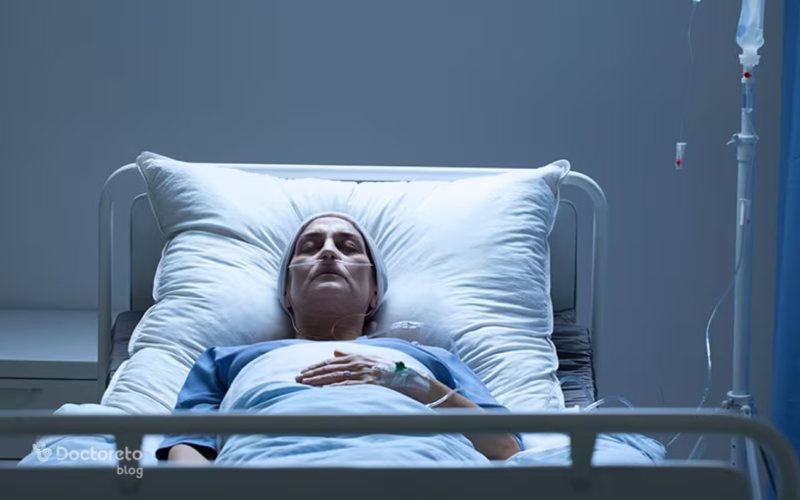
How do they diagnose the patient's level of consciousness?
Does plant life have treatment?
necessary care in plant life
plant life at home
difference between coma and plant life
Characteristics Coma Vegetative life Level of consciousness Zero, no voluntary response Low, no purposeful response but maintaining sleep cycle and Awake Eyes Closed Unfocused opening and closing Basic body functions Assistance may be required Respiration, heart rate, and swallowing are usually maintained Answer to Triggers None Involuntary movements or simple reactions may be seen Duration Short to a few weeks usually May be long-term or permanent return from vegetable life
complications of plant life
plant life during pregnancy
Conclusion