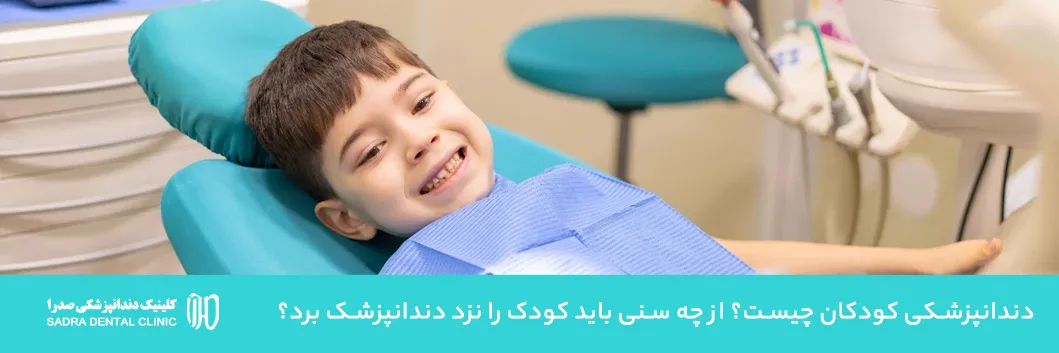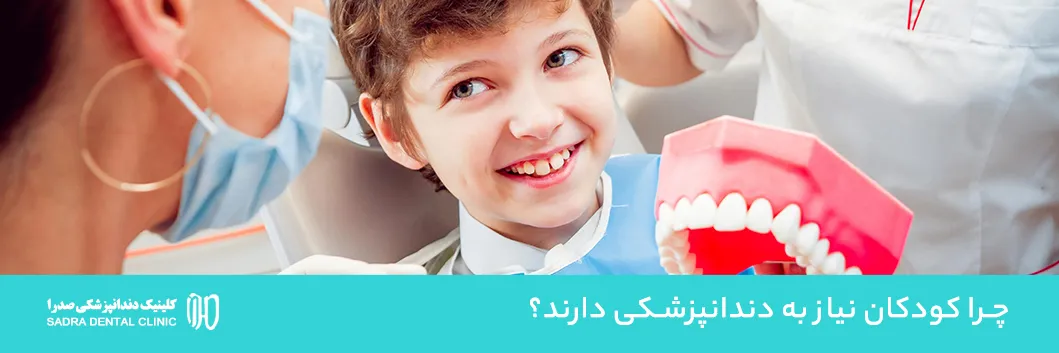

What is pediatric dentistry? At what age should the child be taken to the dentist?
Introduction
Children's oral and dental health is the most basic part of their general health in the future. Many parents think that dental care becomes important when the permanent teeth come in, while Pediatric Dentistry emphasizes that oral care should start in the first months of life.
Pediatric dentistry is a specialized branch of dentistry that deals with the prevention, diagnosis and treatment of children's oral and dental problems from birth to adolescence. This specialty is not only concerned with the treatment of caries, but also plays a very important role in education, prevention and creating a positive dental experience for children.
What is pediatric dentistry?
Scientific definition of pediatric dentistry
Pediatric dentistry is a branch of dentistry that specifically deals with the health of the mouth, teeth and jaws of children, babies and teenagers. In addition to clinical skills, the pediatric dental specialist has received special training in the field of child behavior, jaw and teeth development, and managing children's fear and anxiety.
According to the definition of American Academy of Pediatric Dentistry (AAPD), pediatric dentistry is responsible for providing comprehensive oral and dental care for children from birth to the end of adolescence.
🔗 Scientific source:
https://www.aapd.org
Why is pediatric dentistry important?
- Prevention of tooth decay at a young age
Tooth decay is one of the most common chronic childhood diseases. Studies show that the decay of milk teeth, if not treated, can lead to:
- Severe pain
- infection
- Nutrition disorder
- Damage to the lower permanent teeth
🔗 Scientific source (WHO):
https://www.who.int/news-room/fact-sheets/detail/oral-health
- The role of baby teeth in child development
Contrary to popular belief, baby teeth are very important:
- Preserving the right space for permanent teeth to grow
- help to speak correctly
- Key role in chewing and feeding
- Direct influence on the child's self-confidence
Early loss of milk teeth can cause disorder of permanent teeth and the need for orthodontics in the future.
- Creating a positive dental experience
A child whose first dental experience is pain-free, fear-free and stress-free will have a positive attitude towards dental treatments as an adult. This issue is one of the main goals of children's dentistry.
At what age should a child be taken to the dentist?
Scientific advice from experts
According to the official recommendation of AAPD and ADA (American Dental Association):The child's first visit to the dentist should be done at the same time as the first milk tooth erupts or at the latest 12months.
🔗 Sources:
Why is early referral important?
Advantages of early first visit:
- Examination of teeth growth process
- Early detection of caries
- Education of parents about child's oral hygiene
- Preventing the formation of fear of dentistry
How is the child's first dental visit?
What happens in the first meeting?
In the first visit usually:
- Mouth and gum examination is done
- Teeth are checked for caries
- Parents need training about:
- brushing
- Nutrition
- Use of fluoride
They receive
This session is usually short, simple and without invasive treatment.
How does tooth decay occur in children?
What is milk bottle rot?
One of the most common problems is the early decay of milk teeth or Early Childhood Caries, which is often due to:
- Baby sleeping with bottle Frequent consumption of sweet drinks
- Not observing oral hygiene
is created.
🔗 Scientific source:
https://www.ncbi.nlm.nih.gov/pmc/articles/PMC3084567/
Prevention of tooth decay in children
- Fluoride therapy
Fluoride is one of the most effective substances to prevent caries. Research shows that fluoride can significantly reduce tooth decay in children.
🔗 Scientific source (Cochrane Review):
https://www.cochrane.org/CD002280/ORAL_fluoride-gels-for-preventing-dental-caries-in-children-and-adolescents
- Sealant fissure
Sealants are protective coatings that are placed on the grooves of molar teeth and prevent the accumulation of bacteria.
🔗 Scientific source:
https://www.cochrane.org/CD001830/ORAL_sealants-for-preventing-dental-decay-in-children
Common treatments in pediatric dentistry
repair of milk teeth
Nervation of milk teeth (pulpotomy and pulpectomy)
Covering of milk teeth
Space Maintainer (Space Maintainer)
All these treatments are done with the aim of preserving the tooth until it falls naturally.
Management of fear and anxiety in children
Pediatric dentistry uses special techniques to reduce anxiety:
- Tell-Show-Do
- Positive reinforcement
- Child-friendly environment
- Sedation if needed
The role of parents in the oral health of children
Duties of parents:
- Brushing a child's teeth until about 7 years old
- Sweet nutrition control
- Regular visit every 6 months
- Positive behavioral model
Parents' Frequently Asked Questions (FAQ)
Do milk teeth need treatment?
Yes, absolutely. Not treating them can cause permanent tooth damage.
Is anesthesia dangerous for children?
No, anesthesia is completely safe if used correctly and at the right dose.
How many times a year should the child be taken to the dentist?
At least every 6 months.
Final summary
Pediatric dentistry is not just a treatment for caries, but a long-term investment in a child's health. Early visit, correct prevention and choosing a specialist dentist can save your child from many future problems.