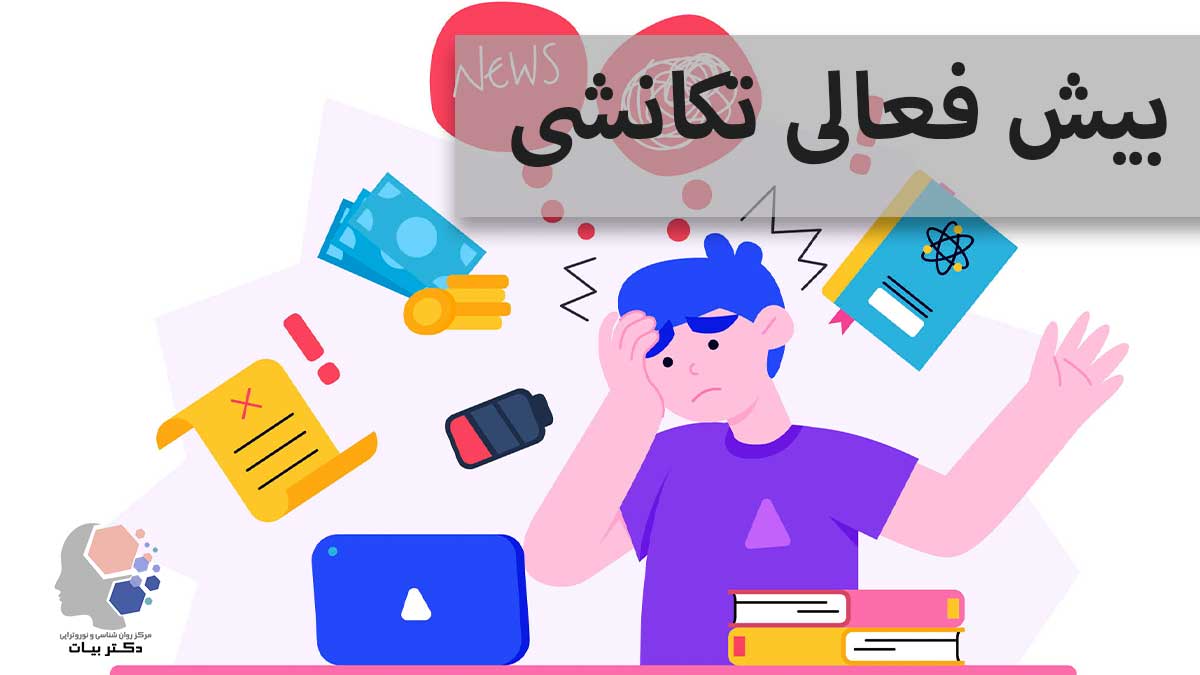

Is your child constantly on the move, responding before you finish, or unable to wait for their turn? Maybe you make hasty decisions in your work environment or in your daily life that you later regret. These can be signs of impulsive hyperactivity; which is characterized by dynamic behavior and quick decision-making. This condition can occur in children or adults and become problematic in school, workplace and social relationships.
This situation not only helps to better understand a person's behavior, but is also the key to choosing the right treatment and preventing long-term consequences. In this article, we introduce 7 warning signs and based on valid scientific evidence, we provide practical solutions for managing and controlling impulsive hyperactivity.
List of article titles:
- What is impulsive hyperactivity?
- The difference between impulsive hyperactivity and other types of ADHD
- 7 warning signs of impulsive hyperactivity
- Control and treatment of impulsive hyperactivity
- Harmful consequences of impulsive hyperactivity
- Summary
- Frequently Asked Questions
What is impulsive hyperactivity? (scientific definition)
According to the diagnostic criteria (DSM-5) and descriptions of clinical references, hyperactive-impulsivity is often considered when a sufficient number of symptoms related to hyperactivity and impulsivity are observed for at least 6 months at a level disproportionate to the individual's development and cause significant disruption in social, academic or occupational functioning. Impulsive hyperactivity is one of the three main patterns of ADHD, which is characterized by the predominance of symptoms related to impulsivity and hyperactivity. In this case, attention deficit symptoms are either absent or very mild. Affected person often:
- He has difficulty in controlling his emotions,
- He acts before thinking,
- And has excessive physical activity or mental restlessness.
This pattern may be seen in children, teenagers and adults. Its main difference from other types of ADHD is that the core of the problems is impulsive and hyperactive behavior, not inattention.
The difference between impulsive hyperactivity and other types of ADHD
Attention deficit and hyperactivity disorder is divided into three types:
- ADHD inattentive type (Predominantly Inattentive): The main problem is in concentration and sustained attention.
- Hyperactive-Impulsive ADHD: the same as the subject of our article, which is more characterized by impulsivity and restlessness.
- ADHD combined type (Combined Presentation): a combination of both categories of symptoms.
Knowing these differences is very important because the choice of the type of treatment and intervention approaches is determined based on the dominant pattern. Receive Child counseling and Teen can help you in diagnosing the type of hyperactivity and taking the correct action to treat it.

7 Warning Signs of Impulsive Hyperactivity
If you or your child have experienced any of the following symptoms for at least six months and these symptoms are present at home, school, or work, there is a high probability that you have ADHD and you need to hyperactivity treatment refer to specialists.
- Acting without thinking / doing things without considering the consequences
The person often makes hasty decisions and may engage in risky behaviors without thinking.
- Interrupting others or answering before the end of the question
Frequently interrupts others or gives an answer before the question is complete.
- Inability to wait for the turn (Impatience)
Example: In games, the queue or discussions cannot wait and it takes action.
- Excessive physical activity and restlessness (in children) or feeling restless in adults
Children may constantly get up or fumble; Adults feel "on the go" or restless.
- risky or inquisitive behaviors
High-speed driving, gambling, sudden spending or risky relationships can be seen; Especially in adults.
- Interpersonal problems and explosive emotional reactions
Impulsivity sometimes leads to fights, loss of friends or problems at work.
- Emergence of performance problems at school or work (warnings, rushing errors, low grades)
These symptoms become diagnostically important when they are associated with dysfunction.
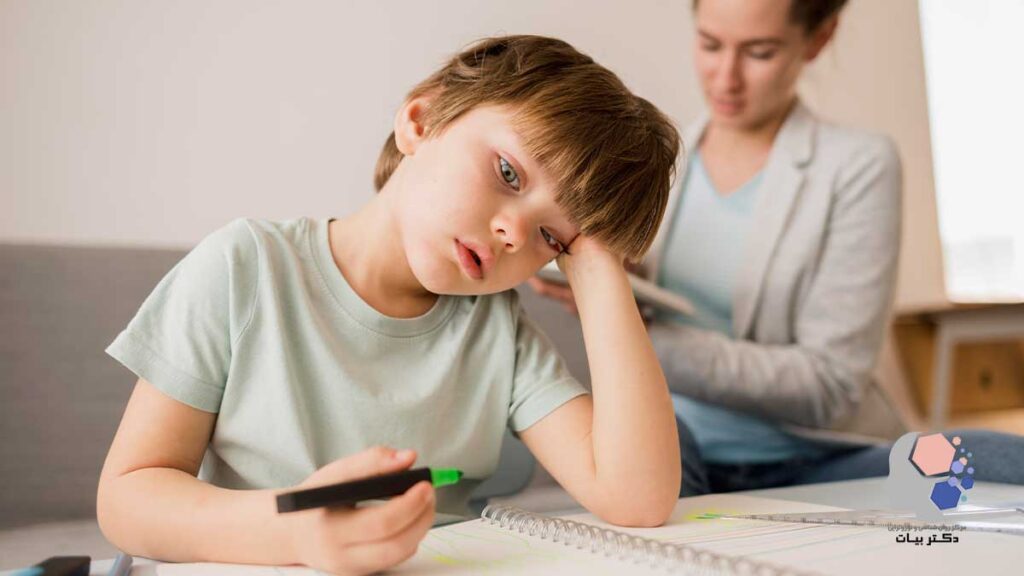
Control and treatment of impulsive hyperactivity: scientific and applied approaches
Impulsive hyperactivity is not just "being in a hurry" but is a part of ADHD (Attention-Deficit/Hyperactivity Disorder) which, if not managed, can lead to academic, occupational and social relationship problems. Fortunately, nowadays there are various scientific methods to control impulsiveness and improve the quality of life of these people.
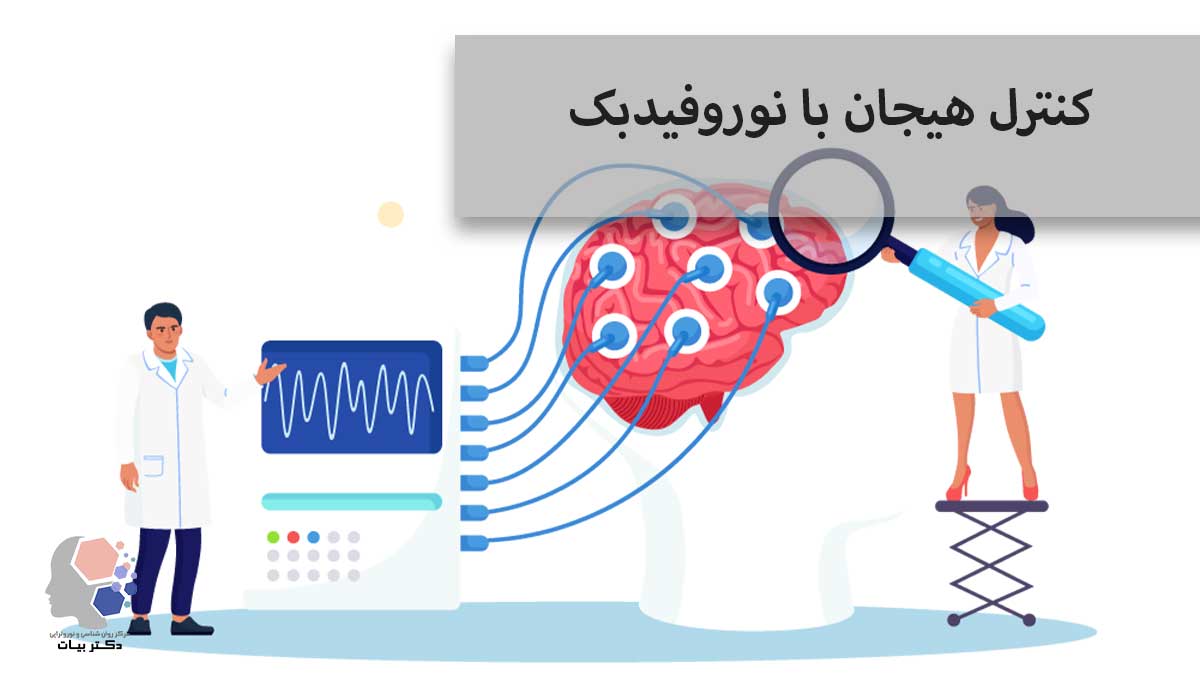
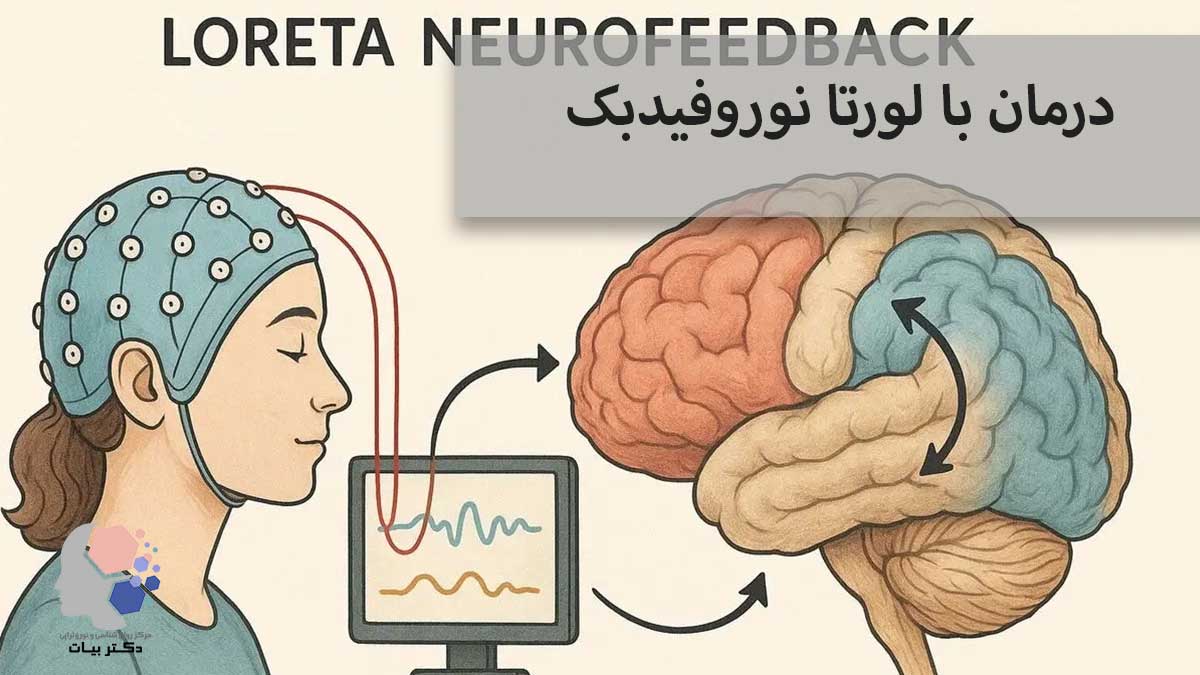
The best result is obtained when several treatment methods are used together. For example, the combination of CBT + drug therapy + lifestyle modification or parent training + neurofeedback is one of the types of methods. href="https://bayatco.ir/%d8%af%d8%b1%d9%85%d8%a7%d9%86-%d8%a8%d8%a7-%d8%a8%db%8c%d9%88%d9%81%db%8c%d8%af%d8%a8%da%a9/">Treatment with biofeedback + school interventions. This multidimensional approach helps a person to control impulsivity and experience a better quality of life.
Parent Training & Behavioral Therapy
For children, parent training and behavior modification programs based on positive reinforcement have a significant effect in reducing impulsive behavior and improving self-control skills. Parents learn how to reinforce the child's positive behaviors, respond appropriately to impulsive behaviors, and facilitate control of impulsiveness by creating structure and clear rules. These parent training programs based on behavioral therapy principles are one of the most effective methods.
Cognitive-behavioral therapy (CBT)
CBT is very effective for adolescents and adults with ADHD and is one of the types of methods
Ignoring ADHD can have far-reaching consequences: For this reason, it is necessary to see a psychologist or psychiatrist for diagnosis and treatment.5 harmful consequences of impulsive hyperactivity

Summary
Uncontrolled impulsive hyperactivity is associated with an increased risk of educational problems, occupational interference, accidents, occurrence of mental disorders such as anxiety or depression, and interpersonal problems; For this reason, it requires early diagnosis and scientific therapeutic interventions. With the help of behavioral methods, psychotherapy, drug therapy and even new approaches such as neurofeedback, the life of the affected person can be significantly improved.
If you or your child is experiencing symptoms of ADHD, seeing a licensed psychologist is an important first step. At Bayat Psychology and Neurofeedback Center, a specialized team is ready to help you with scientific evaluation and personalized solutions. Contact us today for a free initial consultation and start a new path to relaxation and concentration.
Scientific sources used in this content:
- Psychological Treatments for Hyperactivity and Impulsivity in Children with ADHD: A Narrative Review
- From Consensus Statement to Pills to Pixels: New Innovations in Attention-Deficit/Hyperactivity Disorder Care
- Symptoms of ADHD
- DSM-5 Changes: Implications for Child Serious Emotional Disturbance [Internet].
FAQ
Does ADHD go away with growing up?
Some children have fewer symptoms as they get older, but in many people this pattern continues into adulthood and requires intervention.
Can exercise reduce symptoms?
Yes. Regular aerobic exercises drain energy and improve concentration, and are especially recommended for children.
What is the best treatment for children?
The combination of parent education, school interventions and, if necessary, medication has the best results.
Does nutrition have an effect on impulsive hyperactivity?
Research has shown that certain additives and high sugar may aggravate symptoms. A balanced diet with fruits, vegetables and protein is recommended.