مقاله تخصصی
What is gastric hernia?
3 months ago
969 بازدید

Dr. Mohammad Amani
TehranAdult gastroenterology and liver specialist
Study duration 10 minutes
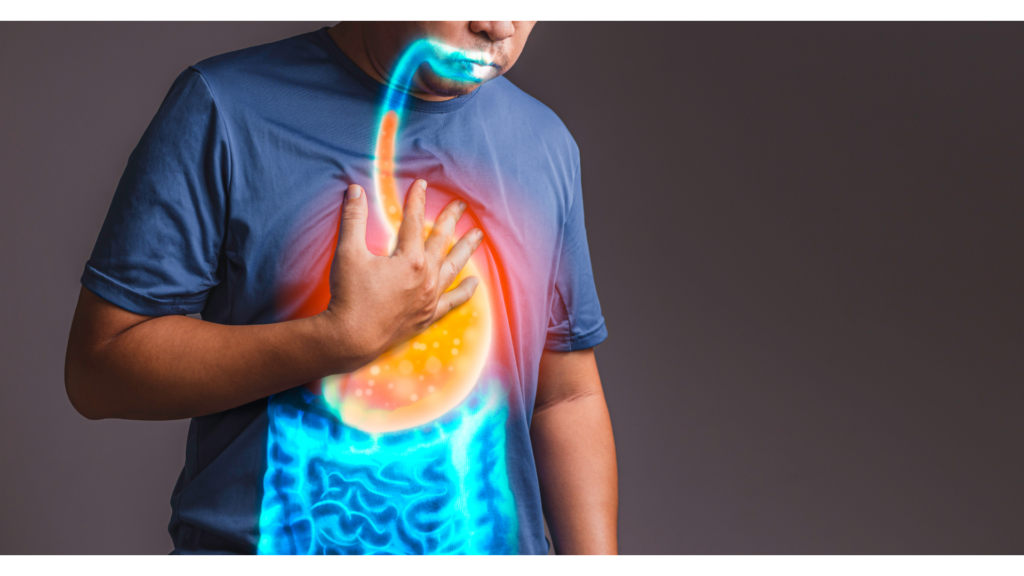
Gastric hernia is one of the common problems of the digestive system, in which a part of the stomach comes out of its normal place and goes to the chest through the diaphragm hole. This condition may have no symptoms, but in many cases it is accompanied by symptoms such as heartburn, acid reflux, pain, or a feeling of pressure in the chest. Obesity, aging, pregnancy, chronic cough and lifting heavy objects can increase the risk of gastric hernia. Timely diagnosis of this disease is very important, because if it is not treated, digestive problems and more discomfort will be caused to the patient. In this article, we will get to know the definition of gastric hernia, its types, causes, symptoms and ways of treatment and prevention so that we can have more knowledge about this disease. Symptoms of gastric hernia
Gastric hernia occurs when part of the stomach enters the chest cavity through the diaphragm. This condition may be asymptomatic in some people and only incidentally detected during tests or endoscopy. However, many patients experience distressing symptoms, especially if the hernia is large, mostly related to acid reflux and pressure on the esophagus. Recognizing these symptoms helps a person to seek treatment earlier. **heartburn (reflux)**; Burning sensation or pain in the chest, especially after eating or lying down
🔹 **return of acid and bitter or sour taste in the mouth**
**Frequent burping or flatulence**
**Feeling of pressure or pain in the upper abdomen or behind the sternum**
Difficulty swallowing or food getting stuck in the throat
🔹 **Feeling full or heavy after consuming little food**
**In severe cases, nausea or vomiting**
In general, the severity and type of gastric hernia symptoms are different in different people, and some people may not have any symptoms. However, if annoying symptoms such as severe heartburn, chest pain, or difficulty in swallowing persist, you should definitely see a doctor to prevent more serious complications with careful examination and timely diagnosis. Appropriate treatment and lifestyle changes can greatly help reduce symptoms and improve quality of life. Types of gastric hernia
Gastric hernia generally has two main types: sliding hernia and paraesophageal hernia. In the sliding type, which is the most common type, the junction of the esophagus and the stomach and part of the stomach together pass through the diaphragm and enter the chest; This type is more associated with heartburn and reflux. But in the less common paraesophagal type, the junction of the esophagus remains fixed, but a part of the stomach rises from the side of the esophagus. Although this type may be asymptomatic, it can become dangerous if enlarged and sometimes requires surgery. ### 1. **sliding hernia**
This is the most common type of gastric hernia. In this case, the junction of the esophagus and the stomach and a part of the stomach together pass through the diaphragm and enter the chest. This type of hernia is usually accompanied by symptoms of gastric reflux, and its severity may change in different body positions (eg, lying down or bending over). ### **2. Paraesophageal hernia**
This type is less common but more important. In this case, the connection between the esophagus and the stomach remains in its normal place, but a part of the stomach protrudes from the side of the esophagus and enters the chest cavity. This type of hernia usually does not have reflux symptoms, but it may cause food to get stuck, chest pain, or even reduce blood flow in the stomach, and in severe cases, surgery is required. In general, it is very important to know the type of gastric hernia, because each type can have different symptoms, complications and treatment methods. Most people have a sliding hernia that is usually controlled with medication and lifestyle changes, but a paraesophageal hernia may require surgery if it is large. Therefore, careful examination and correct diagnosis by a doctor is the best way to choose the right treatment method and prevent more serious problems. What is the cause of gastric hernia? Gastric hernia usually occurs due to weakness or stretching of the diaphragm muscles and tissues around the stomach. Factors such as aging, obesity, pregnancy, chronic cough, long-term constipation and lifting heavy objects can increase intra-abdominal pressure and cause a part of the stomach to be pushed towards the chest. In addition, some people are congenitally born with a weaker diaphragm structure or a larger diaphragmatic opening, which makes them more likely to develop a gastric hernia. Stomach hernia usually occurs due to weakness or stretching of the muscles of the diaphragm and the area around the stomach. This problem can happen over time or due to high pressure in the abdominal area. The most important underlying factors are:
- 🔹 **Increasing age:** As the age increases, the tissues and muscles of the diaphragm may weaken and the possibility of hernia increases. - **Obesity:** Excess weight increases intra-abdominal pressure and increases the risk of hernia. - **Pregnancy:** Hormonal changes and increased intra-abdominal pressure during pregnancy can cause hernia. - **Lifting heavy objects:** Putting a lot of pressure on the abdomen when lifting or pulling heavy objects puts pressure on the diaphragm muscles. - **Chronic coughs or severe sneezing:** These can also put constant pressure on the diaphragm. - **Chronic constipation:** Straining a lot during defecation increases the internal pressure of the stomach and eventually causes the muscles around the stomach to stretch. - 🔹 **Congenital factors:** Some people are born with a natural weakness in the diaphragm or a larger diaphragmatic opening, which increases the risk of hernia. In general, most causes of gastric hernia are related to conditions that put too much pressure on the abdominal area or weaken the diaphragm muscles. Although not all factors can be prevented, having a proper weight, avoiding lifting heavy objects improperly and treating problems such as constipation or chronic cough can play an important role in preventing this complication. Knowing these reasons helps people to be careful and take treatment sooner if they see symptoms. How is stomach hernia diagnosed? Diagnosing a gastric hernia usually begins with taking a detailed history from the patient and paying attention to symptoms such as heartburn or reflux. For more certainty, the doctor may prescribe methods such as upper gastrointestinal endoscopy or barium swallow photography to clearly see the location of the hernia and the condition of the esophagus and stomach. In some special cases, esophageal manometry is also performed to check the function of the esophageal muscles. Accurate and timely diagnosis helps to choose the best treatment method and prevent serious complications. ** Stomach hernia treatment methods **
The treatment of gastric hernia depends on the type and severity of the symptoms. Many people can control their symptoms with lifestyle changes and medication and do not need surgery. But if the hernia is large or the symptoms are severe and persistent, the doctor may suggest surgery. The main goal of treatment is to reduce the reflux of stomach acid into the esophagus and prevent serious complications. **Lifestyle change:** Losing weight, quitting smoking, eating smaller meals, avoiding fatty and spicy foods, and raising the head of the bed when sleeping. ✅ **Drug use:** Use of antacids, proton pump inhibitors (such as omeprazole) or drugs that reduce stomach acid to control heartburn and reflux. ✅ **Surgical treatment:** In severe cases or when there is a risk of twisting or obstruction, surgery is performed to repair the hernia and strengthen the diaphragm. In general, most people can control the symptoms of gastric hernia and live a more comfortable life by following simple tips such as changing eating habits, weight management, and taking medication. However, if symptoms are severe or do not respond to standard treatments, surgery can be an effective and definitive solution. The most important thing is that if a person observes persistent symptoms, he must see a doctor so that the best treatment method is chosen for him and serious complications can be prevented. ** Ways to prevent gastric hernia **
Gastric hernia is not always preventable, because some factors such as aging or congenital weakness of the diaphragm cannot be controlled. However, following a few simple lifestyle tips can reduce the likelihood of this problem occurring or prevent symptoms from getting worse. Controlling weight, having a healthy diet, giving up bad habits and taking care of the health of the digestive system are the most important prevention methods that help reduce pressure on the stomach and diaphragm. ✅ **Maintaining the right weight:** Excess weight is one of the main causes of pressure on the diaphragm. **Avoid lifting heavy objects incorrectly:** Lifting incorrectly causes sudden pressure on the abdominal muscles and diaphragm. Avoiding chronic constipation: Avoid straining during bowel movements by consuming enough fiber and drinking enough water. ✅ **Quit smoking:** Smoking can weaken the muscles of the esophageal valve. **Avoidance of large meals before sleep:** Smaller meals at a suitable distance from bedtime will reduce stomach pressure. **Keeping the head of the bed elevated while sleeping:** helps prevent stomach acid from returning to the esophagus. Finally, following these simple tips can go a long way in preventing stomach hernias and even reduce the severity of symptoms if a hernia is present. It is better for people, especially those who are at higher risk, to have a healthy lifestyle and to see a doctor in case of persistent symptoms. Prevention is always easier and less expensive than treatment, and timely care can prevent serious complications. **Is stomach hernia dangerous?**
In general, most cases of gastric hernias, especially the sliding type, are usually not dangerous and can be managed with lifestyle changes and medication. However, if the hernia is large or of the paraesophageal type, there may be complications such as a part of the stomach getting stuck, obstruction or reduction of blood supply to the stomach, in which case immediate treatment or surgery is needed. Therefore, timely diagnosis and follow-up is important to avoid serious problems. Summary
Stomach hernia is one of the common problems of the gastrointestinal tract, although in many cases it is asymptomatic or controllable, but if neglected, it can become troublesome. Knowing the symptoms, knowing the causes, timely diagnosis and following simple lifestyle recommendations are the most important ways to prevent and treat this disease. Finally, if the annoying symptoms continue, you must see a doctor to prevent serious complications and maintain the quality of life.