بیاشتهایی عصبی یک بیماری جدی است، نه نوعی سبک زندگی که آن را انتخاب کرده باشید. این اختلال باعث وسواس شما نسبت به غذاخوردن میشود و ممکن است پیامدهای بسیار خطرناکی به بار آورد. هرچند همه افراد از هر سن و جنسیتی ممکن است به آن مبتلا شوند، اغلب در بین نوجوانان و خانمهای جوان ۱۵ تا ۱۹ ساله رایج است. آمار افزایش مبتلایان به این اختلال برای جامعه پزشکی نگرانکننده است. آنچه به این مشکل دامن میزند، تأثیر استانداردهایی درباره تصویر بدن است که رسانههای اجتماعی ترویج میکنند. Now, if you want to know what anorexia nervosa is, in this article, we have fully explained the symptoms, complications and treatment of anorexia nervosa. style="display:none;">

مقاله تخصصی
What is anorexia nervosa? Symptoms, complications and definitive treatment method
1 hour ago
911 بازدید

Dr. Reza Bahadur
MashhadOrthopedic specialist
What is anorexia nervosa?
Anorexia nervosa or anorexia nervosa is a type of eating disorder in which a person restricts his calorie intake severely and excessively. Such a person takes strict diets to keep his body weight as low as possible, which ultimately leads to malnutrition and often a very low body mass index (BMI).
In medical language, anorexia generally means a reluctance to eat. When the "neurotic" feature is added to it, it is considered a mental disorder. This means that this disease is rooted in a person's nervous system, including his brain, nerves, impulses and thoughts, and stems from his negative feelings about eating, weight and body image.
Anorexia nervosa affects people of any age, gender, sexual orientation, race and ethnicity.

Types of anorexia nervosa
Anorexia nervosa has two general types and one subtype:
Restrictive type Calorie
This type of anorexia nervosa only involves severe calorie restriction; It means that the person eats very little and the type of food he eats is also limited. In addition, the person has the habit of doing the following behaviors:
- exactly counting calories;
- skipping certain meals;
- limiting or refraining from eating certain food groups such as carbohydrates;
- following obsessive rules (e.g. eating certain colored foods).
People with this type of anorexia nervosa may Do heavy sports. The important thing about this type of anorexia is that it is not accompanied by repeated episodes of binge eating or purging behavior (deliberate emptying of the stomach). href="https://drdr.ir/mag/%D8%B9%D9%84%D8%AA-%D8%A8%DB%8C-%D8%A7%D8%B4%D8%AA%D9%87%D8%A7%DB%8C%DB%8C/">Anorexia Nervous people still impose severe restrictions on the food they eat. However, its difference with the first type is that at least in the last three months, periods of overeating and stomach cleansing must have been observed in these people. Purging involves methods of emptying the stomach, including intentional vomiting, abuse of laxatives, diuretics, or enemas. This feature is one of the main characteristics of another disorder called bulimia nervosa.
Unusual anorexia nervosa
There is a third type of anorexia nervosa that is not one of the two main categories and is included in the category of "other specified eating or eating disorders" (OSFED). In this case, the person exhibits all the behaviors of anorexia nervosa, but their body mass index (BMI) is normal or high (at least not yet underweight). For this reason, it is more difficult to diagnose this type of anorexia nervosa.
Anorexia nervosa symptoms: physical, behavioral and psychological
Anorexia nervosa symptoms are divided into three categories: physical, behavioral and psychological symptoms. A person with this disorder may show a combination of these symptoms or have no clear symptoms at all. Now let's look at the symptoms of anorexia nervosa.
Physical symptoms
The physical symptoms of anorexia nervosa are difficult to detect by looking at the person's appearance, because some people with anorexia nervosa may not look very thin, and on the other hand, everyone's interpretation of underweight and thinness is different.
A special symptom of women is the cessation of menstruation or irregular menstruation, while they have not taken birth control pills.
Some other physical symptoms of anorexia nervosa include:
- Sudden weight loss, frequent weight changes, persistent weight loss; 18.5);
- inability to maintain normal body weight;
- growing according to age (in children and adolescents);
- irregular heart rhythm, low blood pressure and dehydration;
- blue color of fingers;
- dry skin;
- yellowing of the skin;
- thin and brittle hair;
- hair loss;
- fainting or Dizziness;
- extreme fatigue and weakness;
- sensitivity to cold or feeling cold when others say it is not cold;
- bloating, difficulty in defecation and stomach pain;
- appearance of thin fluffy hair on the face and body;
- swelling of hands or feet;
- wearing of teeth and calluses due to Vomiting;
- Feeling full immediately after eating a small amount of food;
- Not feeling hungry even after a long period of not eating;
- Disturbance in the body's immune system (constantly getting sick);
- Bone pain, muscle cramps, stress fractures or loss of bone mass.

Behavioural symptoms of anorexia nervosa
Anorexia nervosa has a strong focus on food. Sometimes they cook food for others but do not eat it themselves. They may even skip certain meals or eat only occasionally altogether. If you ask them why, they often make excuses and say that they are on a diet, they are fasting, and they don't admit to being hungry.
People with anorexia nervosa have rigid rules about what to eat. They may only eat certain foods, which are often low-fat and low-calorie. They have a special obsession with eating healthy foods and do not eat some types of healthy food. They also adopt strange eating habits; For example, they may just chew the food and spit it out instead of swallowing it. This is why they often don't eat in front of others or lie about the amount of food they eat.
Other behavioral symptoms of anorexia nervosa include:
- obsessive patterns and rituals about food or its preparation;
- hidden eating behaviors;
- compulsive or excessive exercise. severe;
- persistent denial of hunger;
- drinking very little water;
- evidence of vomiting or abuse of laxatives, appetite suppressants, and enemas (in those with binge eating/purging anorexia nervosa);
- frequent visits to the bathroom during or shortly after meals (again in the second type of anorexia). Nervousness);
- Changing clothing (e.g., many wear too many clothes to hide their thinness even though the weather is hot).
Psychiatric symptoms of anorexia nervosa
Anorexia nervosa may also be associated with psychiatric symptoms. The most obvious sign is the constant mental involvement of these people with everything related to food, eating, weight and body shape. If you sit with these people for two minutes, they will talk about food and their worries about being overweight. In cases where anorexia nervosa in a person has really reached narrow limits, he may harm himself, have suicidal thoughts or talk about it and even commit suicide.
Other psychological symptoms of anorexia nervosa include:
- Severe fear of gaining weight (repeated measurement of body size and weight);
- Severe anxiety or irritability, especially when spending time food;
- black-and-white and inflexible thinking about whether foods are good or bad;
- sensitivity to other people's opinions or criticism about their body shape or weight, eating or exercise habits;
- low self-esteem and feelings of shame, self-loathing or guilt;
- intense focus on appearance (frequently checking the body in the mirror);
- dissatisfaction with body shape or having a negative body image;
- difficulty concentrating and Attention;
- Obsession with food;
- Sleep disorders;
- Feeling bored and attempting social isolation;
- Reluctance to have sex.

Anorexia nervosa in children and adolescents
Disorder Anorexia nervosa often begins during adolescence, but many children also suffer from anorexia nervosa. Symptoms of anorexia nervosa in adolescents and children are similar to adults. For example, they appear much thinner than their peers, do not grow physically for their age, and may make excuses for eating. Every time you ask them why they don't eat, they say they are not hungry. If you force them to eat, they cry. You may occasionally hear her say she doesn't like her body shape or wants to go on a diet (even though she's thin).
Further reading: Causes of malnutrition in children
Reasons and risk factors for developing Anorexia nervosa
There is no single cause for anorexia nervosa; However, several factors can be considered involved in its initiation. Some of these factors include biological, psychological and social causes and include:
brain differences
Scientists have observed differences in the structure and function of the brain of people with anorexia nervosa. For example, in these people, the level of neurotransmitters such as serotonin and dopamine is different, which affects their appetite, mood, impulse control and reward system of their brain. gives Part of this problem is related to genes that are inherited from parents to children from birth. The other part is probably related to the values and habits that are common in the family and the person gets used to them while growing up.
Peer pressure
Peer pressure, whether in school, society or work, are powerful forces for creating anorexia nervosa in people. This issue is especially pronounced in athletes, models, singers and actors whose social status depends on their body image. Adolescents may also be highly judgmental of themselves and others.
Psychological problems
Low self-esteem and the feeling that "my personal value depends on my body weight" can be the basis of anorexia nervosa. Sometimes these feelings are rooted in the history of trauma and mood disorders such as anxiety and depression.
Who are more likely to suffer from anorexia nervosa?
Anyone may suffer from anorexia nervosa, but it is usually more common in women. Maybe because many men don't show obvious symptoms. Of course, in recent years, the number of men suffering from anorexia nervosa is increasing. It is possible that one of the reasons is that nowadays men care more about their body image than in the past. Based on the obtained statistics, 4 out of 10 people with anorexia nervosa are between 15 and 19 years old.

Diagnosis of Anorexia Nervosa
Most people with anorexia nervosa hide it from others. Because of this, it is harder to diagnose, especially in those with unusual anorexia. You may find out that they have this disorder by paying close attention to some of the behaviors of those around you. At school, most teachers and educators notice the difference in the weight of children and teenagers with their peers or the behavioral symptoms of this disorder in them.
Doctors diagnose anorexia nervosa based on three criteria found in the Diagnostic and Statistical Manual of Mental Disorders (DSM-5). These three criteria are:
- caloric restriction that has led to severe weight loss of the patient;
- not increasing the weight of the growing child compared to his height, gender, age and stage of development;
- the person's abnormal obsession with body weight and his intense fear of weight gain or obesity;
- distorted mental image of himself or refusal to accept The seriousness of the condition.
The doctor tries to diagnose anorexia nervosa by performing a physical examination and obtaining information about the patient's complete medical history, including his mental health history. It then asks detailed questions about people's eating habits, exercise plans, use of weight-loss drugs, and feelings and beliefs. Some additional tests are:
- Bone density test;
- Complete blood count;
- Electrocardiogram (EKG);
- Electrolyte test;
- Kidney, liver, thyroid function test;
- Urine test.
If you or your loved ones have neurological signs of anorexia. You see, be sure to take treatment. If you don't want to visit a doctor in person and you don't want anyone to know that you have such a disease, you can use the online visit service of Dr. Doctor. This method is very simple and has many advantages, especially for parents who do not want to hurt their child's feelings.
Anorexia nervosa treatment: a combination of medicine, psychotherapy and nutrition
Even if you have lived with this disorder for years, it is still possible to recover from anorexia nervosa. The treatment path is long and a bit challenging, but if you really intend to treat anorexia nervosa definitively, you must first accept that this disorder is serious. Then continue its treatment until complete recovery.
Usually, the treatment of anorexia nervosa is considered specific and according to the special conditions of each person. The goals of the treatment are:
- returning good nutrition to the patient;
- stabilizing the process of weight loss;
- eliminating distorted eating behaviors;
- treating possible underlying mental disorders.

The role of psychotherapy (family therapy, CBT) and Drug therapy
Psychotherapy helps to change thinking and behavior patterns related to eating disorders. Its goal is to develop healthy attitudes toward food, weight, and your body image. In addition, it teaches you mechanisms and techniques to deal with stress and negative thoughts. Some people with anorexia nervosa have other mental disorders at the same time, which aggravates anorexia. Simultaneous treatment of these diseases is very important.
Types of psychotherapy methods
Types of psychotherapy methods are:
- Therapy for acceptance and commitment: This method focuses on creating motivation to change your behaviors, regardless of thoughts and feelings;
- Cognitive behavioral therapy (CBT): Addresses distorted views and attitudes about weight, body shape, appearance, and behavioral changes. It is the first option recommended for adults;
- Cognitive Modification Therapy (CRT): Includes exercises and activities that help improve your cognitive functioning and life control skills;
- Dialectical Behavior Therapy (DBT): Specific skills include mindfulness, improving relationships, managing emotions and stress tolerance. It teaches you;
- Family therapy: Family support plays a very important role in the success of anorexia treatment. The Maudsley Method family-based therapy puts the family in charge of your nutrition. The first option is suitable for children and adolescents;
- Interpersonal psychotherapy (IPT): This type of therapy improves your relationships and communication with others, which may help reduce your eating disorder symptoms;
- Psychodynamic psychotherapy: Includes an examination of the root causes of anorexia nervosa to help with your treatment.
If you do not wish to see a psychologist in person or see a psychiatrist and explain to others the reason for your visits to psychotherapy centers, we understand you. Why don't you use Dr.Doctor's online psychologist services? With this method, you can make an appointment online in the safe and calm environment of your home so that the most experienced psychologists from all over the country will help you for treatment. This issue is especially important for the treatment of anorexia nervosa in children who are likely to be stressed from going to psychotherapy centers.
Other treatment methods
Other than psychotherapy, other methods such as drug therapy and nutrition therapy with the help of a nutritionist are also possible. However, if you suffer from severe malnutrition or other serious complications of anorexia as a result of anorexia nervosa, your doctor may order hospitalization.
Pills for anorexia nervosa
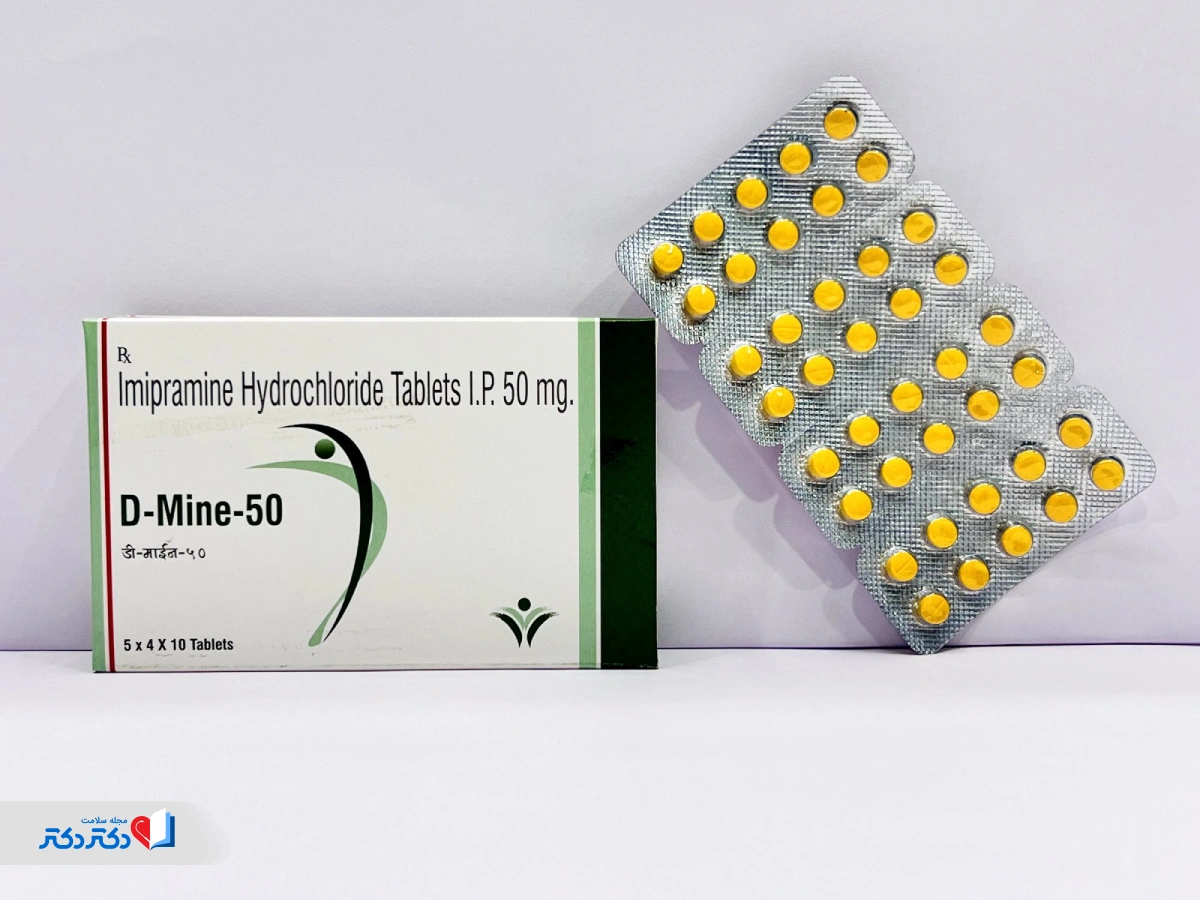
Unfortunately, no medicine has been developed to directly treat anorexia nervosa. However, your doctor may prescribe some supplements, such as vitamin D, or medications to address the effects of malnutrition. Sometimes in severe psychological cases, drugs related to mental disorders such as antidepressants or antipsychotic drugs may be needed for treatment.
serious complications and risks of anorexia nervosa
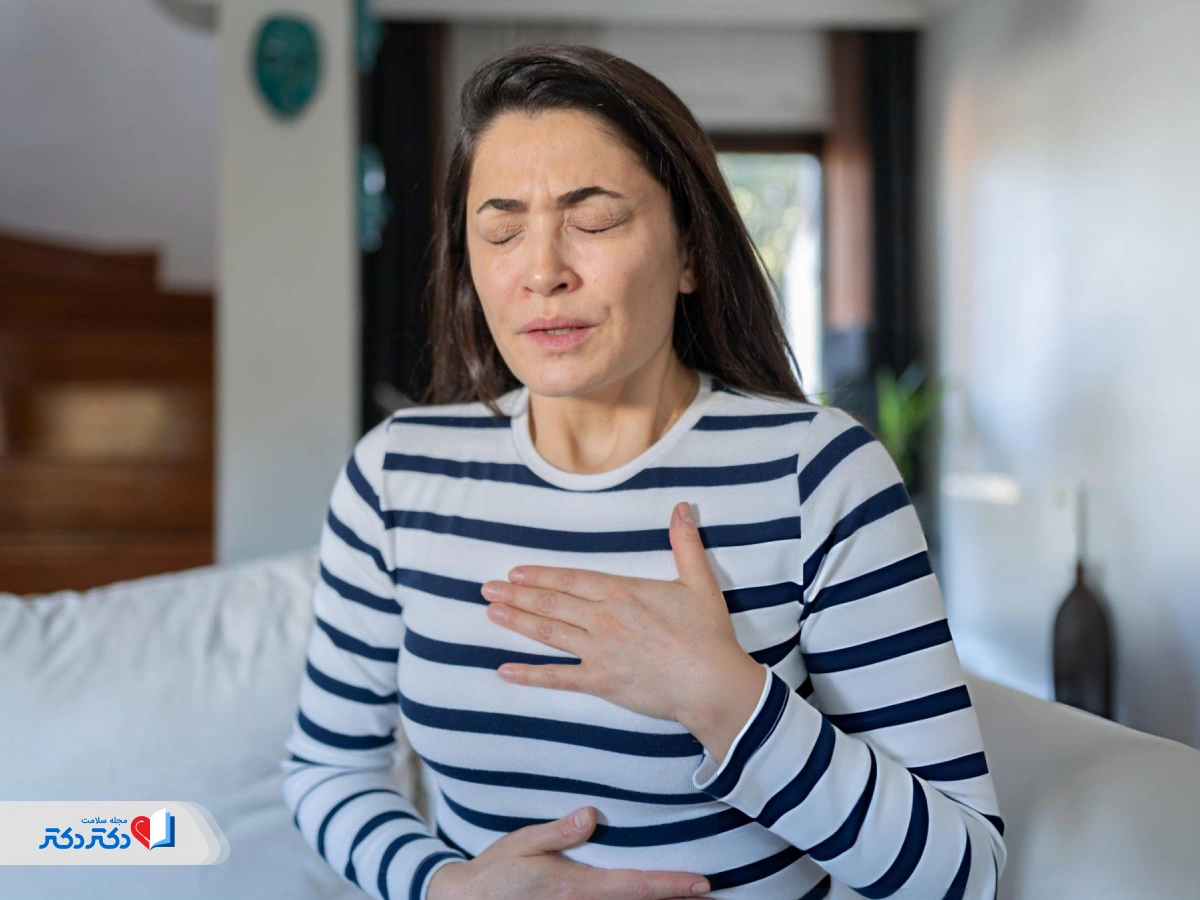
In the cycle of starvation in anorexia nervosa, the body is deprived of essential nutrients needed for its normal functioning. Therefore, it has no choice but to slow down all its processes to save energy. This issue has serious and dangerous consequences for health.
The body is generally resistant to dealing with stress caused by behaviors related to eating disorders. For this reason, even when a person is at high risk of death, his tests may not show anything suspicious. Sudden cardiac arrest and electrolyte imbalance may cause death without warning. So, don't think that anorexia nervosa will only make you skinny!
In the following, we explain some of the most important complications of anorexia:
Disorders in the cardiovascular system
Consuming too few calories means that the body breaks down its own tissue to use as fuel. Muscles are one of the first organs to break down. The most important muscle in the body is the heart. Since the heart does not get the necessary energy to pump blood, it causes a slow pulse and a drop in blood pressure, which in turn increases the risk of heart failure.
On the other hand, those people who suffer from bulimia nervosa and purging also deplete their electrolytes by using laxatives or intentionally vomiting. For example, potassium is an important electrolyte that helps the heart beat and muscle contract. Other electrolytes, such as sodium and chloride, are also thrown out of balance in this process. As a result, the imbalance of electrolytes leads to an irregular heartbeat and possibly heart failure and death.
The third side effect of this category is a reduction in the rate of metabolism at rest, which is a result of the body's effort to save energy. It is a food known as gastroparesis. Food restriction and possibly cleansing causes the natural emptying of the stomach and the digestion of nutrients to be disturbed, which is associated with the following:
- stomach pain and bloating;
- early fullness;
- nausea and vomiting;
- blood sugar fluctuations;
- bacterial infections;
- blockage or perforation. Intestine;
- Constipation, which may be due to the lack of useful nutrients in the intestines, weakening of the intestinal muscles or the body getting used to laxatives;
In addition to these cases, intentional vomiting may cause wear and tear of the esophagus or inflammation of the pancreas (pancreatitis), both of which are very dangerous and deadly.
Neurological problems
The brain consumes up to one-fifth of the body's calories. Dieting, fasting, starving and/or eating irregularly means that the energy needed by the brain is not provided. This is why people with anorexia often obsess about food or struggle with concentration and attention problems. On the other hand, severe hunger during sleep disrupts falling asleep and staying asleep. In addition, neurons in the body need lipids to conduct electrical current in the body. If the fat intake is not enough, this protective layer is damaged, causing numbness and tingling in the hands, feet, and other organs. Neurons use electrolytes (potassium, sodium, chloride, and calcium) to send electrical and chemical signals throughout the brain and body. As a result, severe dehydration and imbalance of electrolytes lead to convulsions and muscle cramps. The reason for the fainting or dizziness of these people is that the brain and blood vessels cannot deliver enough blood to the brain.
endocrine dysfunction
The body produces many of its needed hormones with the help of fat and cholesterol. Without enough fat and calories in the diet, the level of sex hormones such as estrogen and testosterone and thyroid hormones decreases.
When sex hormones are not secreted enough, they cause menstruation to stop or become irregular. Osteopenia, osteoporosis and the risk of bone fractures are also among the consequences of a severe decrease in these hormones.
Other complications of anorexia nervosa
The following are other complications of anorexia nervosa:
- The growth of thin and fluffy hair called longo to maintain body heat for long periods. Hunger;
- Kidney failure due to severe dehydration;
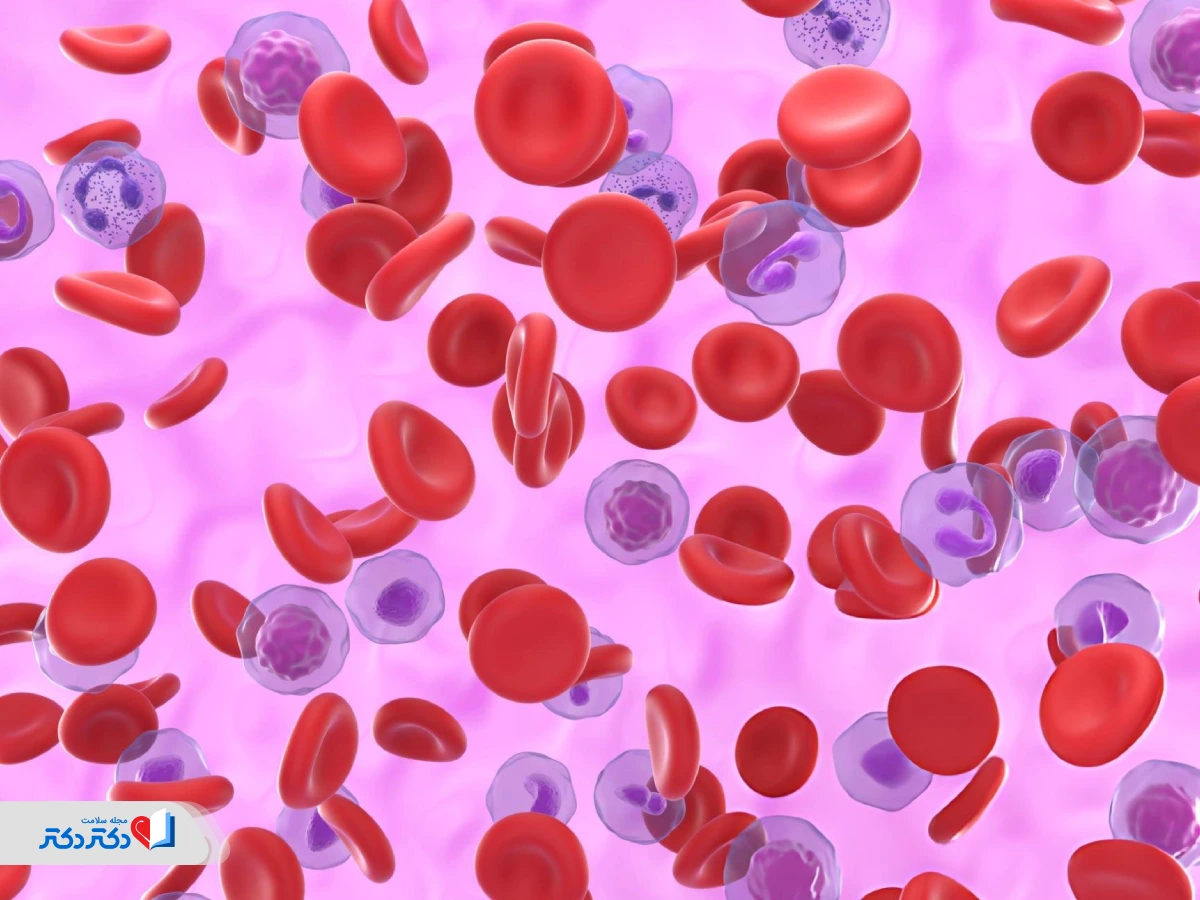
- Decreasing certain types of blood cells;
- Possibility of anemia due to lack of red blood cells or iron received from food;
- Decreasing white blood cells due to malnutrition.
Last word Dr. Dr.
In this article, we talked about anorexia or anorexia nervosa. This disease is one of the types of eating disorders in which a person voluntarily limits his calorie intake from food. The serious symptoms and complications of anorexia show that, contrary to popular belief, this disorder is not only simple but also very dangerous and may cause a person's death without any warning or symptoms. Therefore, if you see signs of anorexia nervosa in yourself or your loved ones (especially teenagers), see a doctor immediately.
We at DoctorDoctor collaborate with the best general practitioners, nutritionists and professional psychotherapists and help you get online visit services and online psychologist for diagnosis and treatment of anorexia nervosa without leaving your home. Also, if you want to be visited in person, you can easily get the appointment of the best doctors and specialists right here.
Frequently Asked Questions
Does anorexia nervosa have a definite cure?
This disease has a cure, but it is challenging and long-term. The biggest problem in this path is that often the patient himself is not willing to accept this disorder. What is the medicine for anorexia nervosa?
What should we eat for anorexia nervosa to reach a healthy weight?
Resources
nedc healthdirect hopkinsmedicine nationaleatingdisorders clevelandclinic mayoclinic
Tags:
The content of this article is for your general information only and does not constitute medical prescription.