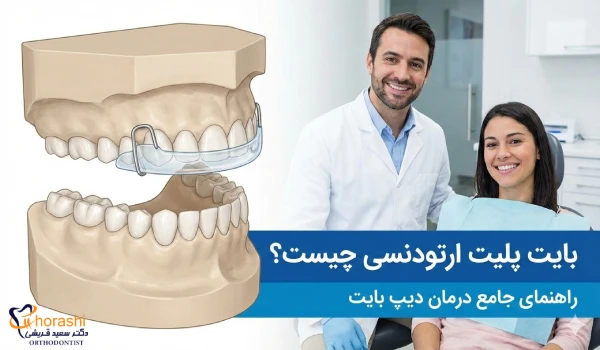
Byte plate one orthodontic tools movable or fixed, usually made of acrylic and metal, used to treat deep bite or severe overbite. By placing it behind the front teeth or on the chewing surface of the back teeth, this device prevents the jaws from closing completely, and by creating a strategic distance, it allows the teeth to grow as much as necessary to eliminate dental interference. In addition to correcting the smile design, the bite plate prevents the wear of the teeth and damage to the gums of the upper jaw. style="cursor:inherit">List of titles
Specialized article
What is an orthodontic bite plate and what is its use?
4 days ago
699 views
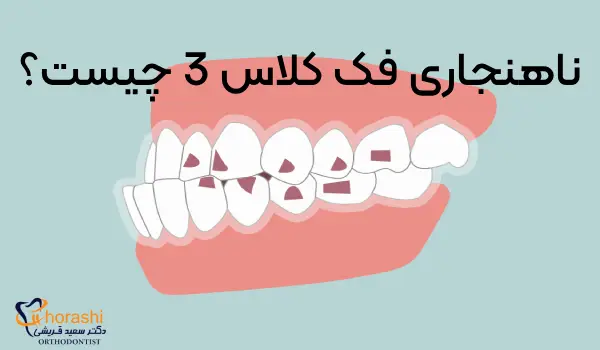
Orthodontic bite plate is a strategic tool for managing space and guiding teeth growth. The main use of this device is to remove dental interferences that prevent the teeth from moving correctly by orthodontic brackets. By using the bite plate, the orthodontist can treat complex jaw anomalies such as Class 3 malocclusion without damaging the opposite teeth.
The most important scientific applications of the bite plate:
- Deep Bite correction Bite): Preventing the front teeth from overlapping too much and opening the vertical space between the upper and lower jaw.
- Preventing the brackets from breaking: In patients whose jaws are severely overlapped, the bite plate prevents the teeth of the opposite jaw from coming into contact with the orthodontic brackets and pulling them out.
- Treatment Crossbite: Creating a temporary space between the teeth to move the back teeth out of the wrong position and correct the width of the jaw. Reducing the pressure on the gums: In severe overbites where the lower teeth damage the gums of the roof of the mouth, the bite plate plays a protective role. Facilitating the movement of the teeth. Grinding: By releasing the interlocking teeth, it allows the back teeth to move towards their correct position or grow taller.
- Reduction of grinding habit: In some cases, it acts as a physical barrier to reduce tooth wear during the treatment period and reduces the effect of teeth grinding in orthodontics to zero.
Bite plates are divided into two main categories, anterior and posterior, based on the location and type of jaw deformity. Choosing the type of device completely depends on which area your teeth need to be spaced or grow more. Main types of byte plates:
Anterior byte plates
This device is placed behind the front teeth (upper jaw). Its main use is to treat deep bite. By placing this plaque, the lower front teeth will touch the acrylic and the back teeth will be spaced apart to allow for vertical growth and alignment.
Posterior bite plate
This plaque is placed on the chewing surface of the back teeth (mill). takes Its main purpose is to open the byte in the front area. It is usually used to treat crossbite or to prevent upper teeth from coming into contact with lower jaw brackets.

This table will help you to understand at a glance the difference between the two main types of orthodontic bite plate based on the location and treatment goal:
| Comparison feature | Anterior bite plate (Anterior) | Deep Bite (Severe Overbite)Correcting Crossbite and opening the front bite |
| Mechanism of action | Preventing the complete closing of the front teeth | Preventing the impact of the back teeth |
| Results Teeth | Allow the molars to grow vertically | Create space for the front teeth to move |
| Protect the brackets | Prevent the collision of the lower teeth with the upper bracket | Prevent the collision of the upper teeth with the lower bracket |
is byte Does the plate hurt?
Using the bite plate does not cause acute and unbearable pain, but in the first 3 to 5 days it causes a feeling of pressure, tooth sensitivity and discomfort in the jaw. This pain is caused by applying force to move the teeth and getting the tongue and jaw muscles used to the foreign body. After a week, the oral nervous system adapts to the device and the pain is completely relieved.
Useful article: What is an orthodontic mini plate
How to reduce bite plate pain in the first days
The most effective ways to reduce bite plate pain are using soft and cool foods to reduce inflammation of the dental nerve, taking over-the-counter pain relievers (such as acetaminophen) in the first 48 hours, and practicing talking to adapt the jaw muscles faster. Also, rinsing with lukewarm salt water can significantly reduce the sensitivity of the gums.
- Painkiller: Use acetaminophen or ibuprofen 30 minutes before meals on the first two days (as prescribed by the doctor).
- Cold nutrition (cold therapy): Eating ice cream, smoothies or drinking cold water. Cold causes vasoconstriction and reduces pressure on dental ligaments.
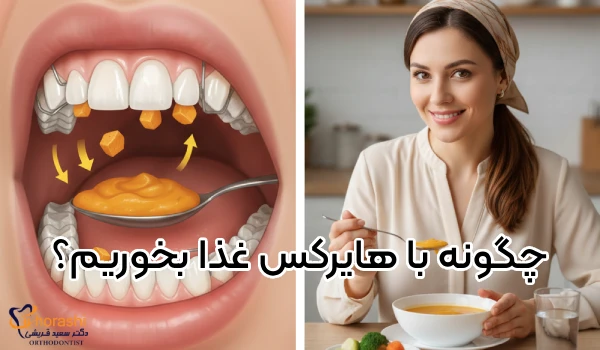
- Foods without chewing: In the first 72 hours, use only soup, puree, halim and yogurt so as not to put pressure on the roots of the teeth. Prevents scarring.
- Orthodontic wax: If the edges of the bite plate scratch the tongue or cheek, use Orthodontic wax to cover the sharp edges.
- Avoid removal of the appliance: In removable models, remove frequently. Due to the pain, plaque prolongs the adaptation period; Keep the device in the mouth until the nerves of the teeth get used to it.
Bite plate on speaking and speech
Installing a bite plate due to occupying the space of the roof of the mouth and limiting the range of movement of the tongue, causes a temporary change in the pronunciation of letters (especially the letters "s", "sh" and "z") and creates tongue-in-cheek speech. This disorder is completely normal and usually after 3 to 7 days with the adaptation of the brain and tongue muscles to the new tool, it is completely resolved and speech returns to normal. End
Using an orthodontic bite plate may seem challenging in the first days and affect your speech or chewing, but this device is the key to treating abnormalities such as deep bite and preventing tooth wear. By following a soft diet in the early days and practicing speaking, your mouth will get used to this tool in less than a week. Your patience and cooperation with the orthodontist at this stage will guarantee the health of the teeth roots and shorten the overall length of the treatment period.