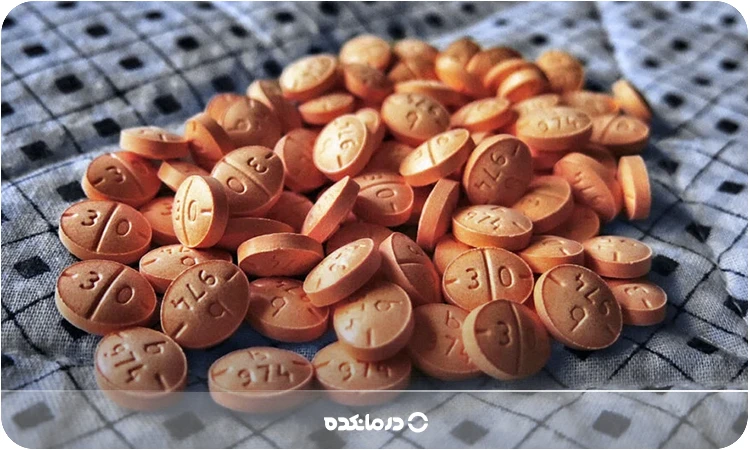
What is amphetamine? Use of Amphetadine tablets + side effects and list of drugs
What is amphetamine? Amphetadine tablets application + side effects and drug list
Daria Radmanesh Medicine articles Last update: 7 hours ago Published: 6 hours ago No questionsAwaiting review by the medical team of Darmankade
Amphetamines are a class of stimulant drugs that stimulate the nervous system. They make it more active. In some cases, this combination is prescribed by a doctor to improve the symptoms of a certain range of mental disorders. You have probably heard the name amphetamine mostly as an industrial drug. The fact is that amphetamine has a double face. It is safe and effective if prescribed by a doctor; But taking its derivatives outside of medical supervision and just for fun can be very addictive and dangerous. Join us in this article from Darmankade Health Magazine to introduce you to the use and side effects of amphetamine.
Table of Contents
- What is amphetamine?
- Info Amphetamine drug
- Application Amphetamine drug
- 1- Treatment of attention deficit/hyperactivity disorder (ADHD)
- 2- Narcolepsy treatment
- 3- Weight loss In special circumstances
- how Amphetamine drug use
- list Amphetamine drugs
- What is natural amphetamine?
- Amphetamine in coffee
- Amphetamine tablets
- Items Precautions and contraindications for the use of amphetamine drug
- FAQ
What is amphetamine?
Amphetamine (Amphetamine) is a strong stimulant drug for the central nervous system. By increasing the secretion and inhibiting the reabsorption of neurotransmitters such as dopamine and norepinephrine, this substance increases alertness, concentration, attention and reduces fatigue. Amphetamine has a variety of legal and medical uses and may be prescribed in a dose controlled by a psychiatrist for attention deficit/hyperactivity disorder (ADHD) and narcolepsy. However, arbitrary consumption or high doses can disrupt the chemical balance of the brain and have physical and psychological consequences such as addiction.
Drug information of Amphetamine
In the table below, you can learn more about the drug information of Amphetamine:
Drug informationDescriptionGeneric name of the drug Amphetamine (Amphetamine) Brand name of the drug This substance has several brand names of It is known as Adderall, Dexedrine, Adzenys and Evekeo. Central Nervous System (CNS) stimulant drug type, chemical formula C9H13N1, drug structure, pharmaceutical forms, tablets, capsules, and injectable forms, drugs of the same group as hemethylphenidate, dextroamphetamine, and lisdexamfetamine, drug information table of amphetamineAmphetamine drug use
Different forms of this substance, especially tablets Amphetamine, if used in a controlled dose and under the supervision of a doctor, can help improve some symptoms of mental disorders and certain conditions.
Self-administration of this substance can disrupt the chemical balance of the brain and cause serious physical and psychological consequences.The most important uses of this drug legally and in medicine include the following:
1- Treatment of attention deficit/hyperactivity disorder (ADHD)
ADHD often occurs in children; But it can continue until adulthood. This disorder is usually associated with symptoms such as hyperactivity, irritability, attention problems, mood instability and impulsive behaviors. The doctor may prescribe amphetamine to increase the level of dopamine and norepinephrine, which play an important role in reducing these symptoms.
2- Treatment of narcolepsy (Narcolepsy)
Narcolepsy is a chronic neurological disorder that causes severe daytime sleepiness and sudden sleep attacks. People with this disorder may have sleep attacks and fall asleep uncontrollably in normal situations such as talking. By increasing the neurotransmitters associated with wakefulness, amphetamine helps to control the sudden attack of sleep and the person has a more regular daily function. In the past, doctors mostly used this drug and its derivatives to treat narcolepsy. Currently, due to the addictive compounds of amphetamine and the effect of drugs on the nerves and psyche, the doctor may substitute other alertness-enhancing drugs.
3- Weight loss in certain conditions
In the past, doctors used amphetamines called benzedrine to suppress appetite and treat obesity. They believed that this substance makes a person feel less hungry by affecting the appetite control center in the hypothalamus. Now, the drug's side effects and reports of malnutrition, psychosis, and depression during withdrawal have led doctors to stop prescribing amphetamines for weight loss.
In some special circumstances, doctors may prescribe amphetamine for 6 months for people who have not responded to other treatments. During the period of taking this medicine, a person should improve his diet and exercise. The purpose of using amphetamine in certain conditions is to treat obesity and reduce complications related to it, such as diabetes and cardiovascular diseases.
4- Complementary treatment for treatment-resistant depression
Prescribing amphetamines for depression is not common; But in rare cases, the doctor may use this drug along with standard antidepressants to treat some types of depression that do not respond to other treatments, especially in people who experience fatigue and apathy. Amphetamines also make these neurotransmitters stick around in your body longer.”
Amphetamines cause your body to release additional dopamine and norepinephrine. These are neurotransmitters that act like chemical messengers. The more of them circulating in your body, the more active the affected systems are. Amphetamines also cause these neurotransmitters to remain in your body for a longer time.
Quoted from the site: clevelandclinicHow to take amphetamine
Medications containing this substance must be taken under the supervision of a doctor; Because amphetamines have the potential to cause dependence. Amphetamine is usually prescribed in the form of tablets or capsules, and the doctor determines the dose of the drug based on the disease. Amphetamine tablets should be swallowed with a glass of water; So avoid crushing or chewing it. It is also very important not to increase the dose of the drug arbitrarily.
When to take amphetamine pills
The doctor usually recommends taking this drug in the morning so that you don't get sleepless at night.
Are you worried about the withdrawal symptoms of amphetamine? Consult a specialist
Make an appointment with a doctor without the need to visit in person. It has occurred to you that what drugs contain amphetamine, below we have prepared a list of drugs containing this substance:1- Drugs containing amphetamine and its derivatives
- Dextroamphetamine (Vyvanse)
- Methamphetamine pills
- Adderall
- Ephedrine
- Dexedrine (dextroamphetamine/amphetamine)
- fendimetrazine
- diethylpropion
- benzephtamine
- phentermine
2-amphetamine narcotic
- methamphetamine (glass, crystal, meth)
- speed
- cathinone
- Ephedrine
- Ecstasy (MDMA)
What is natural amphetamine?
In some sources, khat plant is referred to as herbal amphetamine. The fresh leaves of this plant contain active compounds such as cathinone and cathine, which are very similar to the amphetamine family in terms of chemical structure and mechanism of action. By stimulating the central nervous system and increasing the activity of neurotransmitters such as dopamine, these substances help to increase alertness, reduce fatigue and create euphoria.
The khat plant grows in East Africa and the Arabian Peninsula, and its consumption is rooted in the tradition and culture of these regions. Due to the migration of people from these regions to Europe and America, the use of khat plant reached beyond the borders of Africa and Arabia. Researchers believe that the compounds of this plant are not much different from amphetamine; For this reason, it is considered a type of psychological stimulant, and its long-term use can cause psychological dependence and psychological disorders.
Amphetamine in coffee
Coffee does not contain amphetamine or its derivatives. The main stimulant of coffee is caffeine, whose mechanism of action is different from amphetamine. By inhibiting adenosine receptors in the brain, caffeine reduces fatigue and increases alertness; But by increasing dopamine and norepinephrine, amphetamine affects attention, alertness, reducing fatigue and increasing energy levels.
It should be noted that the simultaneous use of caffeine and amphetamine can increase the risk of side effects such as anxiety, insomnia, increased blood pressure and increased heart rate. So if you are taking amphetamine-containing drugs like Adderall, limit your coffee and other caffeine-containing products.
Amphetamine is a strong neurostimulant and helps to treat some disorders by increasing the level of neurotransmitters such as dopamine and norepinephrine. If this substance is prescribed in different forms by a psychiatrist, it may cause side effects; Therefore, avoid changing the drug dose arbitrarily. In general, the side effects of this substance include the following:
1- Physical side effects
The most important physical side effects are:
- Low or high blood pressure
- Raynaud's phenomenon (in which blood flow to the organs is reduced.)
- Erectile dysfunction
- Increased heart rate
- Pain Abdominal
- Loss of appetite, nausea and weight loss
- Acne, skin rashes and hives
- Blurred vision
- Dry mouth
- Grinding teeth
- Nosebled
- Sweating
- Nasal congestion
- Increased possibility of seizures in susceptible individuals
- Tics
- Faster and deeper breathing, especially in people with lung diseases
- Difficulty urinating
2- Psychological side effects
The most important psychological side effects are:
- Increased alertness and concentration
- Apprehension, anxiety, irritability and restlessness
- Fluctuations Mood
- Insomnia
- Changes in libido
- Self-esteem or an exaggerated sense of self-importance
- Obsessive behaviors
- Psychosis (in rare cases)
Use outside of the therapeutic framework and without medical supervision of amphetamines such as Fentanyl can increase the risk of side effects and threaten a person's health.
What is the amphetamine urine test for?
Amphetamine urine test is a screening test for central nervous system stimulants that is performed to identify the use of amphetamine and its derivatives in the body. By looking for amphetamine metabolites in the urine, this test determines whether a person has taken illegal amphetamines, including substances such as methamphetamine and MDMA, in the past 1 to 3 days.
Amphetamine urine tests are usually used to evaluate medical, psychiatric and people who have come to the hospital with symptoms of amphetamine overdose. Not all amphetamines can be detected through a urine test, and some medications may affect the test result. Also, there is a high probability of cheating in the amphetamine urine test; For this reason, sampling is usually done in the presence of an observer.
Precautions and contraindications for the use of amphetamine drugs
If you have the following conditions or diseases, be sure to inform your doctor before taking drugs containing this substance:
- Allergy to drug components
- Heart disease
- Mental health problems such as psychosis and depression
- Mental disorders such as Bipolar
- Thyroid problems
- Glaucom disease
- History of alcohol abuse and other drug addiction
- Cerebrovascular disorders
- Kidney disease
- Epilepsy and convulsions
Amphetamine use during pregnancy and breastfeeding
Use of drugs containing this substance is recommended seriously during pregnancy they don't Because amphetamine can cross the placenta and affect the fetus. Studies have shown that the use of this substance during pregnancy can increase the risk of premature birth, low birth weight, stillbirth, growth retardation, and the birth of a baby with addiction. Therefore, if you are pregnant or planning to become pregnant and the doctor prescribed you amphetamine, be sure to inform him about this.
Amphetamine is not recommended during breastfeeding. Because this substance can enter the baby's bloodstream through breast milk and expose the baby to stimulant effects. In such a situation, the baby usually experiences symptoms such as extreme restlessness, irritability, and nervous problems.
What drugs does amphetamine interact with?
Amphetamine may interact with a large number of drugs and reduce their effect or increase side effects. These drugs include the following:
- sedative drugs such as citalopram, diazepam, oxazepam, captopril, atenolol, amlodipine and asbutolol
- anti-allergic drugs such as acetazolamide, acrivastine, alfentanil, alfazosin and almasylate
- some heart disease and background drugs such as alloglutamol, Alprenolol, aluminum hydroxide, amiodarone and amoxapine
- Antacids
- Antidepressants such as fluoxetine, sertraline and amitriptyline
- Industrial narcotic drugs such as methadone and tramadol
- MAO inhibitors such as isocarboxazid, linezolid and methylene blue
- Analgesics such as ibuprofen and Acetaminophen
- Medications containing beta blockers such as astemizole, bisoprolol, bromodiphenhydramine, brompheniramine maleate and Ritalin
- Insulin and other blood sugar control medications
- Medications that increase serotonin levels
- Proton pump inhibitors
Take the first step to quit amphetamines today!
Only Make an appointment with a specialist with a few simple clicks and ask for advice Addiction doctorSymptoms and symptoms of amphetamine addiction
Drugs containing amphetamine or excessive use of drugs made from this substance can affect the central nervous system within 30 minutes and cause drug side effects may include the following symptoms:
- Increased energy
- Elation
- Insomnia
- Increased blood pressure
Possible more serious symptoms include:
- Hallusions
- Paranoia
- Psychosis
- Feeling angry towards others
- Confusion
- Irregular heartbeat
Some people think that using amphetamines is less dangerous than other substances hashish; While the psychological effects and dependence of this substance can be more severe. A person who suffers from amphetamine poisoning may experience the following:
- Seizures
- Difficulty breathing
- Chest pain
- Nausea or vomiting
- Abdominal pain
- Headache
Treatment for Amphetamine Poisoning
Using amphetamine outside of the therapeutic context can threaten be considered serious for a person's health.A person who has been poisoned or overdosed with amphetamine should be taken to the emergency room immediately. In the early stages, the doctor carefully monitors the vital signs, level of consciousness and heart function, and if necessary, prescribes treatment to replace lost body fluids and anticonvulsant medication. Next, a sedative may be injected to reduce anxiety and restlessness. Also, the doctor usually prescribes appropriate medicine to reduce blood pressure and heart rate to prevent heart problems. After the physical condition is stabilized, psychiatric evaluation is very important so that the risk of dependence or possible disorders can be identified and treated. Because this substance, like glass, creates a lot of psychological dependence and it cannot be easily quit by simply stopping the use. The stages of withdrawal from addiction to this substance include the following:
1- Detoxification: This stage is carried out in the clinic by a specialist doctor to control withdrawal symptoms such as extreme fatigue, depression, anxiety, insomnia and the urge to use again. The doctor may prescribe an antidepressant or a sleep-regulating drug to reduce withdrawal symptoms.
2- Psychotherapy: Psychotherapy is an important therapeutic approach in quitting stimulants such as cocaine and amphetamine. Methods such as cognitive behavioral therapy (CBT), motivational therapy, and individual or group counseling help a person to overcome destructive thought patterns and behaviors.
3- Prevention of relapse: adherence to psychotherapy under the supervision of an online psychiatrist or through face-to-face meetings, receiving emotional support from the family and creating a healthy lifestyle can prevent relapse.
Guide to seeing a doctor
Amphetamine It is a central nervous system stimulant that has a double face. Medicines containing this substance can play an effective role in controlling attention-deficit/hyperactivity disorder (ADHD) and treating narcolepsy if taken in a therapeutic context and under the supervision of a doctor. But outside the therapeutic framework, they become a very dangerous and addictive substance.
In this article from Darmankade magazine, we introduced you to the use, side effects, list of drugs and drugs derived from amphetamine. If you have more questions about this, you can visit Darmankade's website and consult the best expert doctors such as psychiatrist doctor. Also, Darmankade has provided you with the possibility of receiving online appointments for face-to-face consultation or online consultation by phone, text and video.
FAQ
Is amphetamine the same as glass?No. Even though both are from the family of stimulants; But glass methamphetamine is considered to be several times stronger and more addictive than amphetamine.
What effect does amphetamine use have on the brain?Medications containing this substance, if taken under the full supervision of a doctor, can improve attention, concentration, alertness and reduce fatigue by increasing the release of dopamine and norepinephrine in the brain. But arbitrary use of these drugs or narcotics derived from it can disrupt the balance of neurotransmitters and cause dangerous side effects. In general, the detoxification period may last 7 to 14 days; But complete mental recovery usually takes several months.
Sources: clevelandclinic | medicalnewstoday | sciencedirect | medlineplus
Was this article helpful to you?
![Which fruit increases blood pressure [high and low]? 18 effective fruits](/storage/posts/covers/2026_01_08/ef00bb701cbb99e90a24ba8d73265ba4c08936335e859a33b69553f5c5e737a2.webp)

![For whom is rhinoplasty dangerous? [10 groups+cause+solution]](/storage/posts/covers/2026_01_06/3e06a993c87e243daaf67dc69ac3e484d377b2708c93656820e0084ea4f080d6.webp)
![What fruits have vitamin B12? [13 fruits + consumption tips]](/storage/posts/covers/2026_01_06/dfaeceb7cb9a203805aeba8715bf7cdea6f5cb2b5b9314e1898807545e874bb1.webp)
![Is nasal massage necessary after surgery? [Training + 5 effective benefits]](/storage/posts/covers/2026_01_06/1f2686c8d522130d256828a51d7d46594dbde31ec2253325e6a8a38f04094789.webp)
![The best drops to reduce eye pressure [14 powerful drugs + method of administration]](/storage/posts/covers/2026_01_06/0177c50098eb80d878d1c883d09ae31ad2f489b17e1288f52018e3f8ef213e5f.webp)
![What is hair filler? [9 benefits, how to inject + durability of hair filler]](/storage/posts/covers/2026_01_06/c21c5e1ff48e9af8214111dfe0b867586f298e3d74a95fadda02b0b04df12598.webp)
![The strongest antibiotic for tonsil infection [7 drugs + method of administration]](/storage/posts/covers/2026_01_06/7b5adf6bb8cf556824d96570b6adba58f824b3a7f248993cfaafb73c0b5b8610.webp)
![Garlic pills for weight loss [4 effective benefits and side effects + how to use]](/storage/posts/covers/2026_01_06/c49f08b482d5860218c8635e48194a50f2ed48b51ef15925aa2d73d8393ff3ab.webp)
![What foods increase eye pressure? [8 harmful foods and drinks]](/storage/posts/covers/2026_01_06/52929c4d1b9ed7916d3fc5a8e45060479fb186f332dd217e68905f71f89a33f0.webp)
![What foods lower eye pressure? [18 useful foods]](/storage/posts/covers/2026_01_06/f180eb15f8e64fc9b386f9d5dc7936a5e416af36032be3bdcdf9054925a21d43.webp)
![itchy scalp; 18 causes [medical treatment + 11 home remedies]](/storage/posts/covers/2026_01_06/a1e116ec1c6243fd5c4e6fb951da5cb33bbd92a09c44e29b845852a86f550681.webp)
![What is intestinal colitis and what are its symptoms? [3 causes + definitive treatment]](/storage/posts/covers/2026_01_06/d3384e9221c036ff3eb447c69ffabb109dd6c0c35f5e5f0af775c4545cfd7ea5.webp)
![The best pills for irritable bowel syndrome [10 powerful drugs]](/storage/posts/covers/2026_01_06/70f02d6808fab88d67b0c6734a623e5e71982d323dbd2fb8158c29669849b813.webp)