What is acute coronary syndrome? Symptoms, causes and treatment methods - Dr. Marvarid Dadres

Dr. Marwarid Dadres
TehranCardiologist, echocardiography fellowship

syndrome What is acute coronary syndrome? Symptoms, causes and treatment methods
- 23/06/1404
- 7 minutes
Cardiovascular diseases are one of the most important causes of death worldwide, and acute coronary syndrome (ACS) has a special place among them. This disease, which is also known as acute coronary syndrome in Farsi, is actually a set of clinical conditions that occur due to a sudden and severe decrease in blood flow to the heart. In fact, when the coronary vessels that are responsible for supplying blood to the heart muscle become blocked or severely narrowed, the flow of oxygen and nutrients to the heart tissue is reduced and the person experiences serious symptoms. If this condition is not diagnosed in time, it can lead to a heart attack, permanent damage to the heart tissue, and even death.
Acute coronary syndrome is medically known by the abbreviation ACS. This term is an abbreviation of Acute Coronary Syndrome. Therefore, wherever you see the term ACS disease or the ACS symbol, it means acute coronary syndrome. Next, we will comprehensively review this disease, symptoms, risk factors, diagnosis and treatment methods, as well as services such as cardiac angiography which are used to better manage patients.
Acute coronary syndrome What is it?
Acute coronary syndrome is one of the most serious cardiovascular disorders that is usually recognized as a critical condition in emergency rooms. This disease generally includes three main conditions:
- Unstable Angina
- Non-ST segment elevation myocardial infarction (NSTEMI)
- ST segment elevation myocardial infarction (STEMI)
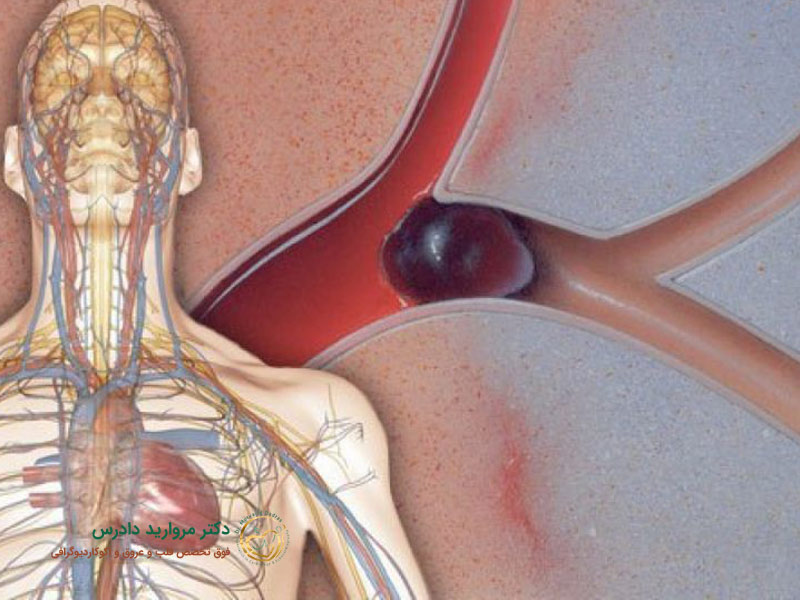
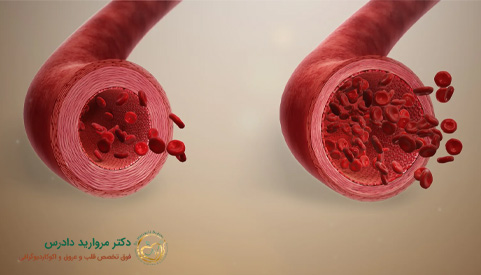
All three of these conditions are caused by coronary artery blood supply disorders, but their severity and consequences are different from each other. In ACS, the accumulation of fatty plaques in the coronary artery wall usually causes a narrowing or blockage. These plaques are formed over time and sometimes due to factors such as increased blood pressure or sudden stress, they rupture and lead to the formation of blood clots. This clot completely or partially cuts off blood flow and causes symptoms.
Given the importance of this disease, many health organizations recommend that people at risk regularly undergo cardiac examinations such as Sports, Echocardiography, and Get cardiac angiography. These diagnostic and treatment services can save patients' lives and prevent heart attacks.
Symptoms of acute coronary syndrome

Recognition Symptoms of ACS disease are vital for quick and timely diagnosis. The most important symptoms are:
- chest pain or pressure that may spread to the arm, shoulder, neck, jaw or back.
- Shortness of breath even while resting.
- Cold sweat, nausea and vomiting.
- Weakness or unusual fatigue. For example, in some diabetics or women, chest pain may be milder or even absent and present more with symptoms such as fatigue or shortness of breath.
Methods for diagnosing acute coronary syndrome
 Heart strip (ECG): changes in ST segment or T wave can be a sign of obstruction or reduction of blood supply.
 - Blood test: examination of cardiac enzymes such as troponin to detect damage to the heart muscle.
- Echocardiography: examination of heart function and diagnosis of damaged areas.
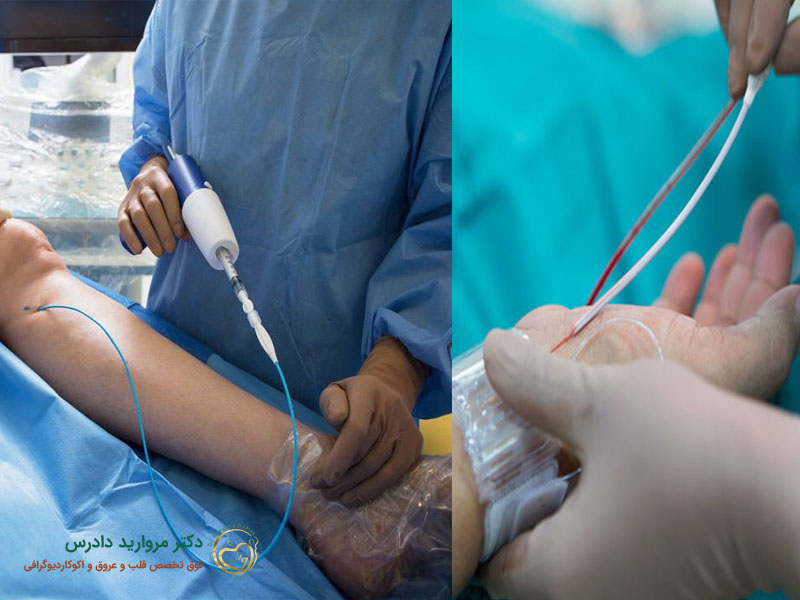
- Cardiac angiography: a precise method to directly observe the coronary arteries and determine the degree of obstruction.
For this reason, if a person develops symptoms of acute coronary syndrome, he should go to the emergency room immediately.
Causes and risk factors in ACS disease
ACS disease is usually caused by a combination of factors. Some of the most important causes and risk factors are:
- Atherosclerosis (arteriosclerosis): the most important cause is plaque accumulation. fats and cholesterol in the walls of the coronary arteries.
- High blood pressure: causes damage to the walls of the arteries and increases the risk of plaque rupture.
- Diabetes: high blood sugar levels damage the arteries over time.
- High blood fat: increase in LDL and decrease in HDL are the main factors. Unhealthy lifestyle: inactivity, consumption of high-fat foods, and continuous stress increase the risk.
Understanding these factors can help prevent it. For example, lifestyle changes, smoking cessation and blood pressure control play an effective role in reducing the risk.
Methods of treatment and management of acute coronary syndrome
Treatment of acute coronary syndrome depends on the condition of the patient and the severity of the blockage. The general principles of treatment include the following:
Drug therapy
- Antiplatelet drugs such as aspirin or clopidogrel to prevent new clots from forming.
- Anticoagulants such as heparin.
- Beta blockers to lower heart pressure.
- Statins to lower cholesterol.
Interventions Invasive
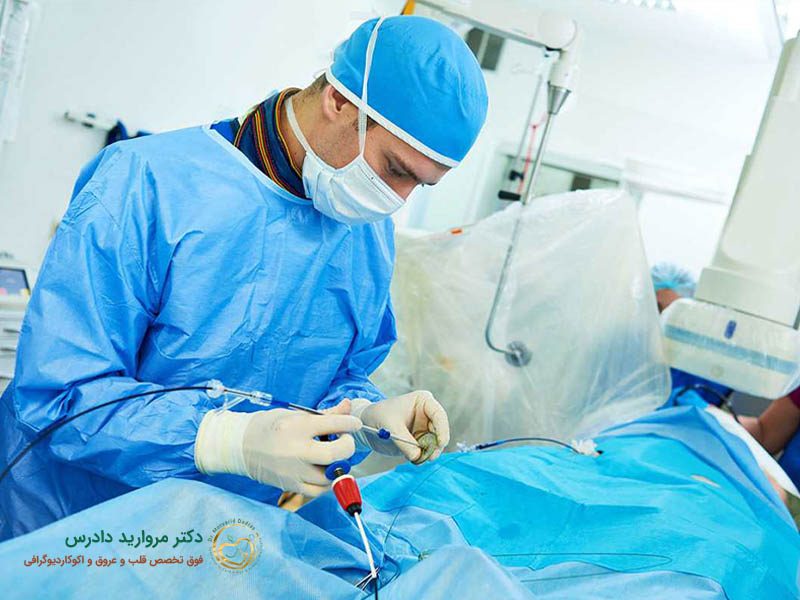
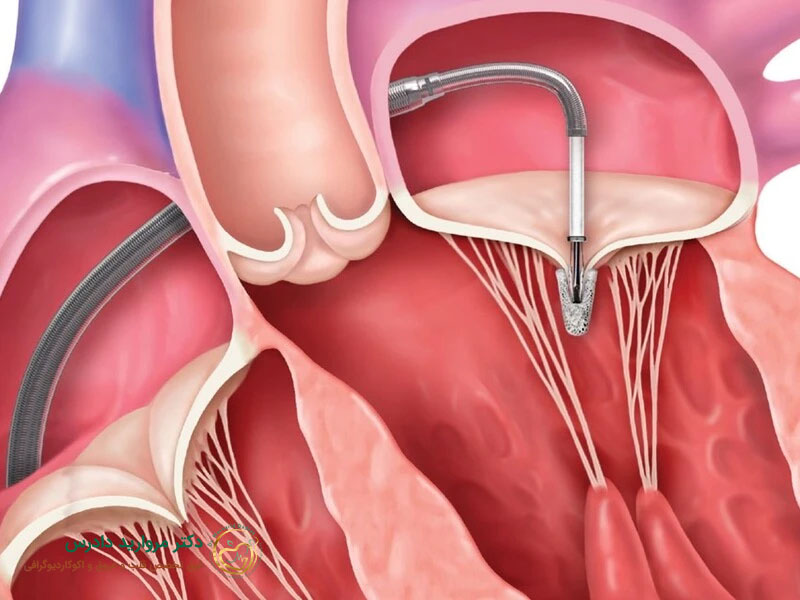
- Cardiac angiography and angioplasty: In this method, the doctor examines the arteries using a catheter and, if necessary, opens the blockage with a balloon or stent.
- Coronary bypass surgery (CABG): In cases of severe or multiple blockages, bypass surgery is used.
Lifestyle change
- Healthy and low diet Fatty.
- Quit smoking.
- Regular physical activity.
- Stress control.
Specialized services such as cardiac angiography are very vital in the diagnosis and treatment of patients with acute coronary syndrome, and these services in Advantages of angiography: Today, many hospitals and advanced heart centers provide these services so that patients can be treated in the shortest possible time. Time to be treated. In fact, the combination of rapid diagnosis, drug treatment and the use of services such as angiography significantly increases the chances of survival of patients and their quality of life. Acute coronary syndrome is one of the most serious heart diseases that neglecting it can lead to irreversible consequences such as heart attack or even death. As we have seen, this disease occurs due to the reduction or blockage of blood flow in the coronary arteries, and its symptoms vary from severe chest pain to shortness of breath and general weakness. Early recognition of the symptoms of acute coronary syndrome and quick referral to medical centers is the main factor in saving the patient's life. On the other hand, preventing the occurrence of ACS disease by modifying lifestyle, quitting smoking, following a healthy diet and controlling underlying diseases such as diabetes and blood pressure is completely possible. People who are in high-risk groups should be regularly monitored by a doctor and, if needed, receive diagnostic services such as cardiac angiography. These services can determine the exact path of vascular blockage and provide treatments such as angioplasty or stent placement. Finally, it should be said that awareness, quick action and the use of specialized medical services are the three main pillars for the control and treatment of acute coronary syndrome. By combining these three factors, you can avoid many dangerous complications and live a healthier life. What does ACS stand for in medicine? ACS stands for Acute Coronary Syndrome which refers to a set of heart problems caused by reduced blood supply to the heart muscle. What are the most important symptoms of acute coronary syndrome? Chest pain, shortness of breath, cold sweat, nausea and weakness are the most important symptoms of ACS. These symptoms require an immediate visit to the emergency room. Is angiography necessary for all patients with acute coronary syndrome? No. Depending on the severity of the disease and the doctor's opinion, some patients are treated with drugs, but in many cases, cardiac angiography is necessary for treatment.
Is angiography better from hand or foot? Complete comparison When talking about detailed examination of heart vessels or vessels
What are the symptoms of nervous hypertension and how to control it? Blood pressure is one of the most vital indicators of human healthConcluding Remarks
Frequently Asked Questions