What is a blood eosinophil test?
Have you ever heard of the eosinophil count test? In your opinion, what is this test and what is the need to do it?Stay with us to get information about this from GCORP LLC.
White blood cells are an important part of the body's immune system.... These elements play a vital role in protecting the human body against the attack of bacteria, viruses and parasites.... The bone marrow produces all five types of white blood cells in the body.
Each white blood cell survives in the bloodstream for a few hours to a few days...Eosinophil is one of the types of white blood cells....Eosinophils are stored in various tissues of the body....They continue to live for several weeks....The function of the bone marrow is to repeatedly and permanently maintain an adequate volume of white blood cells.>
The number and different types of white blood cells in the body increase doctors' understanding of a person's health.... A high white blood cell count is a sign of disease or infection in the body.... A high white blood cell count means that the body is constantly producing more white blood cells to fight infections.
The eosinophil count test is a blood test that measures the amount of eosinophils in the body. Abnormal levels of eosinophils are usually detected as part of a complete blood count (CBC).
Successive research has expanded the list of roles assigned to eosinophils....It now appears that all body systems depend on eosinophils in some way....Two of the most important of these functions occur in the immune system.
Eosinophils can destroy invading particles such as viruses, bacteria and parasites such as hookworms... In addition, they are involved in the development of an inflammatory response, especially in the face of allergies.
Inflammation is neither good nor bad!.. Eosinophils play a role in isolating and controlling the immune response at the site of infection... Of course, one of the side effects is that the surrounding tissue is damaged... Allergies are immune responses that lead to chronic inflammation. Eosinophils play an important role in inflammation caused by allergies, eczema, and asthma.
See more: List of Hematologists
Why do we need an eosinophil count test?
By performing a differential white blood cell count test, a doctor can detect abnormal levels of eosinophils. A differential white blood cell count test is usually performed at the same time as a complete blood count (CBC) test. Therefore, the percentage of all types of white blood cells in the blood is determined.
This test determines whether the number of white blood cells is abnormally high or low... because the number of white blood cells changes in some diseases.
Also, if the doctor suspects that the person has one of the following problems or diseases, he prescribes this blood test:
- Severe allergic reaction
- Drug reaction
- Some parasitic infections
How to prepare for eosinophil count test?
This test does not require special preparation. But if you are using blood thinners such as warfarin, you should inform your doctor... Your doctor may advise you to stop taking certain medications.
Some drugs that lead to an increase in the number of eosinophils include:
- Slimming pills
- Interferon, which is a drug to treat infection
- some antibiotics
- Anti-constipation substances containing psyllium
- Sedatives
Be sure to talk to your doctor about any medications or supplements you are taking before doing this test.
Learn more:What does wbc mean in a blood test?.. What is the dangerous value of wbc?
What happens during an eosinophil count test?
A healthcare provider obtains a blood sample from a person by performing the following steps:
- At first, the injection site is cleaned using cotton dipped in an antiseptic solution.
- Then a needle is inserted into the vein... A chamber is connected to it and it is filled with blood.
- After receiving enough blood, the needle is removed and the injection site is covered with a cloth/bandage.
- Finally, the blood sample is sent to a laboratory for further analysis.
What do eosinophil count test results mean?
1) Normal eosinophil results
In adults, a normal blood sample should not have less than 500 eosinophils per microliter of blood.. In children, eosinophil levels change with age.
2) Abnormal eosinophil results
If your eosinophil count is 500 per microliter of blood, this is a sign of eosinophilia.. Eosinophilia is divided into three types: mild (500-1500 eosinophils per microliter), moderate (1500-5000 eosinophils per microliter, and severe eosinophils (more than 50 eosinophils) per microliter)... Being... Reasons The following is suggested for this disease:
- Infection caused by parasitic worms
- Autoimmune disease
- Severe allergic reactions
- Eczema
- Asthma
- Seasonal allergy
- Leukemia (blood cancer) and some other cancers ulcerative colitis
- Scarlet fever
- Lupus
- Crohn's disease
- A severe drug reaction
- Reject linked member
The number of eosinophils is very low, due to the toxic effect of alcohol, or excessive production of cortisol, such as in Cushing's disease... Cortisol is a hormone produced naturally by the body. Low eosinophils is not a concern....the only concern is when the number of other types of white blood cells is also low....if the number of white blood cells is low, it is a sign of a problem or disease in the bone marrow...
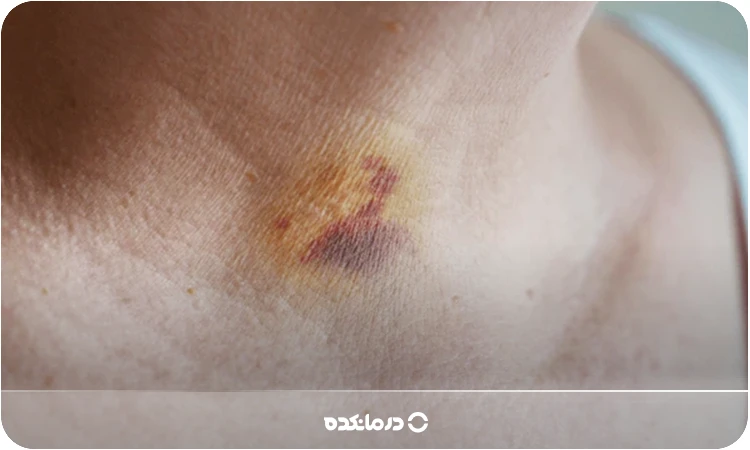
The eosinophil count test is done through a normal process of drawing blood....the person has probably experienced this process many times.... As with all blood tests, the risk of mild bruising at the point where the needle is inserted is very small.
In rare cases, the relevant vein becomes inflamed after blood collection....this complication is called phlebitis....by placing a warm compress several times a day, this complication can be prevented....but if this method does not work, you should consult your doctor.
If a person has a bleeding problem or uses blood thinners, excessive bleeding will be a problem for the person... Such conditions require immediate medical attention.
What happens after the eosinophil count test is done?
If a person already has an allergy or parasitic infection, the doctor prescribes a short-term treatment prescription so that the symptoms of these diseases disappear and the number of white blood cells returns to normal.
If the number of eosinophils indicates an autoimmune disease, the doctor will determine the type of disease by conducting further tests.... A wide variety of other diseases also lead to an increase in eosinophils.... Therefore, it is important to diagnose the cause of the disease in cooperation with the doctor.
Was this article useful for you?
![Which fruit increases blood pressure [high and low]? 18 effective fruits](/storage/posts/covers/2026_01_08/ef00bb701cbb99e90a24ba8d73265ba4c08936335e859a33b69553f5c5e737a2.webp)
![For whom is rhinoplasty dangerous? [10 groups+cause+solution]](/storage/posts/covers/2026_01_06/3e06a993c87e243daaf67dc69ac3e484d377b2708c93656820e0084ea4f080d6.webp)
![What fruits have vitamin B12? [13 fruits + consumption tips]](/storage/posts/covers/2026_01_06/dfaeceb7cb9a203805aeba8715bf7cdea6f5cb2b5b9314e1898807545e874bb1.webp)
![Is nasal massage necessary after surgery? [Training + 5 effective benefits]](/storage/posts/covers/2026_01_06/1f2686c8d522130d256828a51d7d46594dbde31ec2253325e6a8a38f04094789.webp)
![The best drops to reduce eye pressure [14 powerful drugs + method of administration]](/storage/posts/covers/2026_01_06/0177c50098eb80d878d1c883d09ae31ad2f489b17e1288f52018e3f8ef213e5f.webp)
![What is hair filler? [9 benefits, how to inject + durability of hair filler]](/storage/posts/covers/2026_01_06/c21c5e1ff48e9af8214111dfe0b867586f298e3d74a95fadda02b0b04df12598.webp)
![The strongest antibiotic for tonsil infection [7 drugs + method of administration]](/storage/posts/covers/2026_01_06/7b5adf6bb8cf556824d96570b6adba58f824b3a7f248993cfaafb73c0b5b8610.webp)
![Garlic pills for weight loss [4 effective benefits and side effects + how to use]](/storage/posts/covers/2026_01_06/c49f08b482d5860218c8635e48194a50f2ed48b51ef15925aa2d73d8393ff3ab.webp)
![What foods increase eye pressure? [8 harmful foods and drinks]](/storage/posts/covers/2026_01_06/52929c4d1b9ed7916d3fc5a8e45060479fb186f332dd217e68905f71f89a33f0.webp)
![What foods lower eye pressure? [18 useful foods]](/storage/posts/covers/2026_01_06/f180eb15f8e64fc9b386f9d5dc7936a5e416af36032be3bdcdf9054925a21d43.webp)
![itchy scalp; 18 causes [medical treatment + 11 home remedies]](/storage/posts/covers/2026_01_06/a1e116ec1c6243fd5c4e6fb951da5cb33bbd92a09c44e29b845852a86f550681.webp)
![What is intestinal colitis and what are its symptoms? [3 causes + definitive treatment]](/storage/posts/covers/2026_01_06/d3384e9221c036ff3eb447c69ffabb109dd6c0c35f5e5f0af775c4545cfd7ea5.webp)
![The best pills for irritable bowel syndrome [10 powerful drugs]](/storage/posts/covers/2026_01_06/70f02d6808fab88d67b0c6734a623e5e71982d323dbd2fb8158c29669849b813.webp)