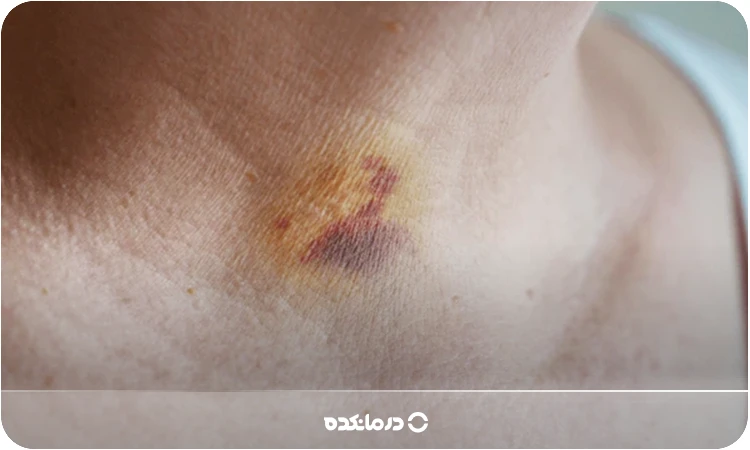
What is Fauvism? + Causes and treatment methods
Have you ever seen people who have shortness of breath, abdominal pain and heart palpitations after eating beans.... These people are suffering from fauvism (legumes) disease.... This disease is more common in spring when the market is full of legumes.. Not knowing it can be life threatening.. About this disease.
Learn more: Neck mass can be treated!.. Symptoms and causes
What is Foism?
Fauvism disease or legume disease is a type of genetic disease.... This disease occurs when the function of one of the enzymes of red blood cells called glucose 6-phosphate dehydrogenase or G6PD for short.... This enzyme is responsible for maintaining the health of red blood cells.... It is because of this protein that normal red blood cells can function normally.. Enzyme is a type of protein that It regulates the biochemical reactions of the body
When the level of this enzyme decreases in the body, red blood cells are destroyed and hemolyzed earlier than the real time.. Now the question is why the premature destruction of red blood cells should be a concern?. You should know that these blood cells are responsible for transporting oxygen, nutrients and carbon dioxide.... By destroying them, the body faces a lack of oxygen and as a result the patient's life is endangered.... The more important question is how beans help to destroy these cells.... You will get the answer to this question by reading the rest of the article.
Beans are one of the oxidant foods, which means that oxygen is produced in them to a large extent.... This causes the destruction of red blood cells, and the destruction of these cells means the occurrence of anemia....
If you have such a disease, it is better to contact a doctor specializing in hematology and oncology.. Our suggestion is to save your time by using the online consultation of a hematology and oncology doctor on the GCORP LLC website.
Know more about: types of bleeding disorders and how to treat them
Types of Fauvism disease
The World Health Organization has divided the different types of G6PD according to the level of enzyme deficiency and the severity of hemolysis into the following five main categories:
- Class I: People who suffer from severe enzyme deficiency and also suffer from chronic hemolytic anemia.
- Class II: patients who have severe enzyme deficiency and red blood cells are periodically destroyed (periodic hemolysis).
- Class III: enzyme deficiency is moderate and hemolysis is caused only by stressful factors.
- Class IV: mild side effects and no enzyme deficiency
- Class V: Enzyme increase without side effects
Symptoms and symptoms of Fauvism disease
People who suffer from glucose 6-phosphate dehydrogenase enzyme deficiency have no problems in their normal state and can lead a normal life and activity like other people.. When these people are exposed to irritating factors, they suffer from hemolytic anemia..
- Rapid heartbeat
- shortness of breath
- Dark colored urine
- Fever
- diarrhea
- Nausea Abdominal pain
- Large spleen
- Yellow skin and white eyes
- Severe fatigue or dizziness
- Pale color
- Enlargement of the spleen
Learn more: 8 signs of increased number of red blood cells (polycythemia)
What is the cause of Fauvism?
Favism is a hereditary and blood disease....that is, it is transmitted from parents to children....Boys are more prone to this disease than girls....This gene is located on the x chromosome....To get this disease, only one altered version of the gene is enough....Since boys have only one chromosome, favism threatens them more.. But they are disease carriers and can pass the disease on to their children.
You can read more about the cause of this disease on the Medline Plus website.... Part of it is mentioned below:
Glucose-6-phosphate dehydrogenase deficiency is due to a mutation in the G6PD gene.... This gene provides instructions for making an enzyme called glucose-6-phosphate dehydrogenase.... The normal processing of carbohydrates is due to the presence of this enzyme.... Also, this enzyme protects red blood cells called reactive.
Learn more: What is hypocalcemia or calcium deficiency disease?
When should we see a doctor?
When a person suffering from favism is exposed to triggers... 24 to 36 hours later, the symptoms of the disease become severe... This is enough time to see a doctor.
What are the treatment methods for Fauvism?
There is no definitive treatment for favism (legume disease). The most effective treatment is to focus on eliminating the triggering factors. Of course, a proper diet is also recommended for these people. If this disease is caused by an infection, the goal is to treat the underlying infection. specialist It uses more aggressive treatments. This treatment can be blood transfusion or oxygen therapy. In this case, you need to stay in the hospital for a few days so that your condition is fully controlled.
How should the nutrition of favism patients be?
Consumption of the following foods is prohibited for people with favism:
- legumes such as beans (fava) and chickpeas
- Blue food colors
- Drugs such as antimalarial drug, aspirin and antibiotic
Learn more: What is a bone marrow biopsy?
What are the methods of detecting Fauvism?
To diagnose the disease, the doctor first pays attention to your medical history... He may talk about medications or infections... One of the important questions is whether someone in your family has this disease or not... Then the following tests are prescribed for the final diagnosis and to rule out other possibilities.
G6PD test
This blood test checks the level of glucose-6-phosphate-dehydrogenase enzyme.... You need a simple blood sample for this test....
Lactate dehydrogenase (LDH) test
This test is recommended for people who have symptoms of hemolytic anemia, pulmonary, muscle, liver and any tissue or cell damage.
Read more: Causes of Down syndrome
Complete Blood Count (CBC)
In this test, all blood cells are examined and counted.. This test alone examines 11 to 12 factors.
Bilirubin blood test
When red blood cells are destroyed (hemolysis), the level of bilirubin in the blood increases. This test requires a blood sample, which is usually taken from a vein in the arm.
Reticulocyte count test
This test examines the amount of young blood cells... in this way, it is determined whether the bone marrow is sufficiently capable of producing red blood cells or not... If the doctor encounters symptoms of anemia and a decrease in the level of red blood cells, hemoglobin and hematocrit, he prescribes this test.
Learn more: Bone cancer; Types, symptoms, diagnosis and treatment
SGPT or alanine aminotransferase test
This test is prescribed for the purpose of checking liver function.... The doctor recommends this test after observing the following symptoms:
- Jaundice
- Pain in the right side of the abdomen dark urine
- Nausea
- vomiting
PBS test or peripheral blood smear
This blood test checks for changes in the number, type, shape, and size of blood cells.
What are the methods of preventing favism?
Favism (legume disease) is a genetic disease, so there is no way to prevent it.... If a family member has this disease, it is necessary to consult a specialist doctor for testing and screening.... Blood and oncology specialists can help you in this field.
Learn more: What are the symptoms of blood clots in the body?
How is favism in children?
Favism in children manifests itself in the form of anemia (anemia). This disease can occur at any age, but it is common between the ages of 2 and 5 years.. Mothers who have favism babies should pay attention to their diet... the substances that cause this disease are transferred to the child through breast milk.
If you see symptoms of favism in your child, try to give the child drinks that are not sweet and do not have added color.... This will increase urination and can be effective in improving the child's condition.... During this time, it is necessary to see a specialist doctor.
How long will favism last?
There is no cure for this disease, so it will always be with the patient.... But with age, its severity decreases.... But this does not mean that people are indifferent to stimuli such as beans.... Stimulants at any age can cause exacerbation and appearance of disease symptoms....
What are the consequences of Fauvism?
Among the complications of favism, the following can be mentioned:
- Pneumonia
- blood infection
- Hepatic infection with inflammation
- Intellectual disability in infants kidney failure
- Death
Learn more: How is hemochromatosis caused?
Is favism deadly?
Favism is not considered an acute disease, but people who are suffering from this disease or are at risk of suffering from this disease, should be aware of their disease... perhaps it can be said that awareness of the disease is the best way to control this disease.
Foism and marriage
People who suffer from this disease do not have any problems in marriage... it is better to consult an expert in this field to check the conditions... This issue is more important for people who have thalassemia minor or major.
Last word
Favism has no cure... People suffering from this disease should have enough information about the triggers...
One of the main services of GCORP LLC is online appointment booking for a specialist doctor and online consultation of a specialist doctor.... Using this service, you can save your time and consult several specialist doctors.... Thank you for being with
Was this article helpful to you?.
![Which fruit increases blood pressure [high and low]? 18 effective fruits](/storage/posts/covers/2026_01_08/ef00bb701cbb99e90a24ba8d73265ba4c08936335e859a33b69553f5c5e737a2.webp)
![For whom is rhinoplasty dangerous? [10 groups+cause+solution]](/storage/posts/covers/2026_01_06/3e06a993c87e243daaf67dc69ac3e484d377b2708c93656820e0084ea4f080d6.webp)
![What fruits have vitamin B12? [13 fruits + consumption tips]](/storage/posts/covers/2026_01_06/dfaeceb7cb9a203805aeba8715bf7cdea6f5cb2b5b9314e1898807545e874bb1.webp)
![Is nasal massage necessary after surgery? [Training + 5 effective benefits]](/storage/posts/covers/2026_01_06/1f2686c8d522130d256828a51d7d46594dbde31ec2253325e6a8a38f04094789.webp)
![The best drops to reduce eye pressure [14 powerful drugs + method of administration]](/storage/posts/covers/2026_01_06/0177c50098eb80d878d1c883d09ae31ad2f489b17e1288f52018e3f8ef213e5f.webp)
![What is hair filler? [9 benefits, how to inject + durability of hair filler]](/storage/posts/covers/2026_01_06/c21c5e1ff48e9af8214111dfe0b867586f298e3d74a95fadda02b0b04df12598.webp)
![The strongest antibiotic for tonsil infection [7 drugs + method of administration]](/storage/posts/covers/2026_01_06/7b5adf6bb8cf556824d96570b6adba58f824b3a7f248993cfaafb73c0b5b8610.webp)
![Garlic pills for weight loss [4 effective benefits and side effects + how to use]](/storage/posts/covers/2026_01_06/c49f08b482d5860218c8635e48194a50f2ed48b51ef15925aa2d73d8393ff3ab.webp)
![What foods increase eye pressure? [8 harmful foods and drinks]](/storage/posts/covers/2026_01_06/52929c4d1b9ed7916d3fc5a8e45060479fb186f332dd217e68905f71f89a33f0.webp)
![What foods lower eye pressure? [18 useful foods]](/storage/posts/covers/2026_01_06/f180eb15f8e64fc9b386f9d5dc7936a5e416af36032be3bdcdf9054925a21d43.webp)
![itchy scalp; 18 causes [medical treatment + 11 home remedies]](/storage/posts/covers/2026_01_06/a1e116ec1c6243fd5c4e6fb951da5cb33bbd92a09c44e29b845852a86f550681.webp)
![What is intestinal colitis and what are its symptoms? [3 causes + definitive treatment]](/storage/posts/covers/2026_01_06/d3384e9221c036ff3eb447c69ffabb109dd6c0c35f5e5f0af775c4545cfd7ea5.webp)
![The best pills for irritable bowel syndrome [10 powerful drugs]](/storage/posts/covers/2026_01_06/70f02d6808fab88d67b0c6734a623e5e71982d323dbd2fb8158c29669849b813.webp)