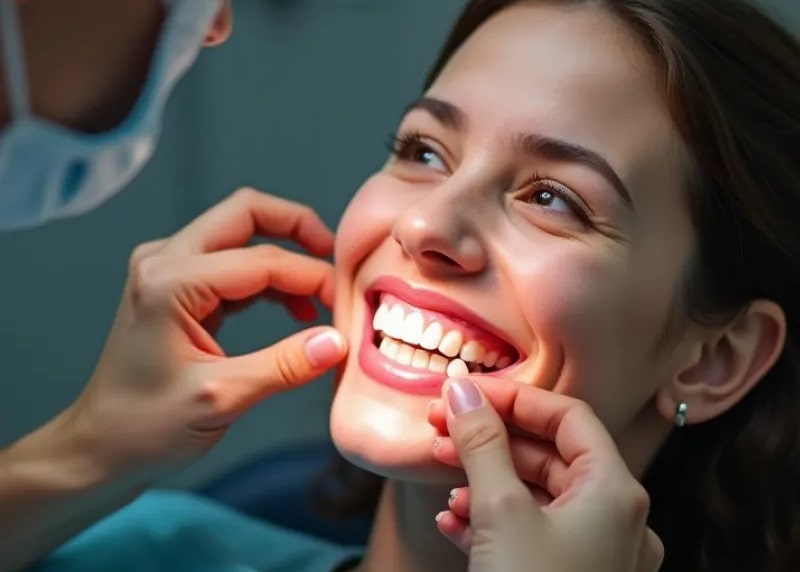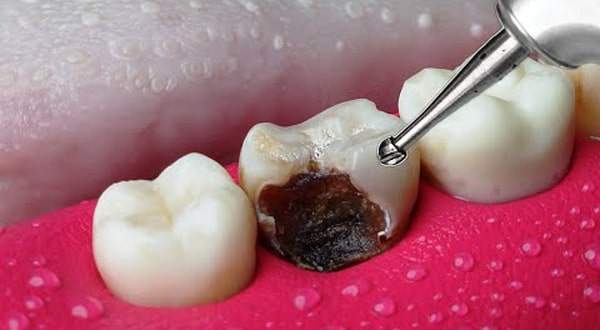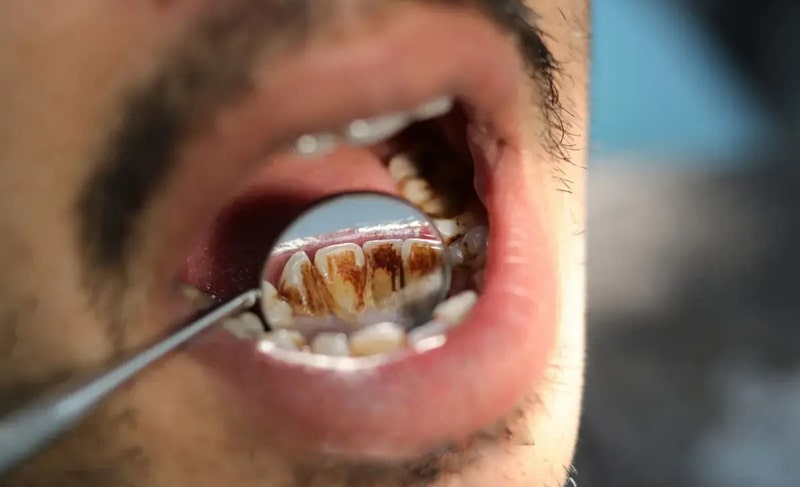


Dental lamination is one of the most popular beauty methods to improve the appearance of a smile; A method that, if done correctly, can bring years of beauty and self-confidence to a person. But one of the most common concerns that patients raise before laminate is:
"Does laminate cause tooth decay?"
The fact is that laminate is not the only cause of decay; But the health of the teeth after lamination is completely dependent on several important factors: the quality of tooth cutting and preparation, the type of lamination, the skill of the laboratory, the way of bonding, and most importantly, the individual's care after treatment. Any error in the manufacturing or installation of the laminate, or the patient's inattention to oral hygiene, can create the basis for decay in the laminated teeth.
In this article, we are going to examine the relationship between laminate and tooth decay with a scientific and unbiased view. If you are also looking for a beautiful smile but are worried about the health of your teeth after laminate, stay with us until the end of this article.
Laminates and tooth decay

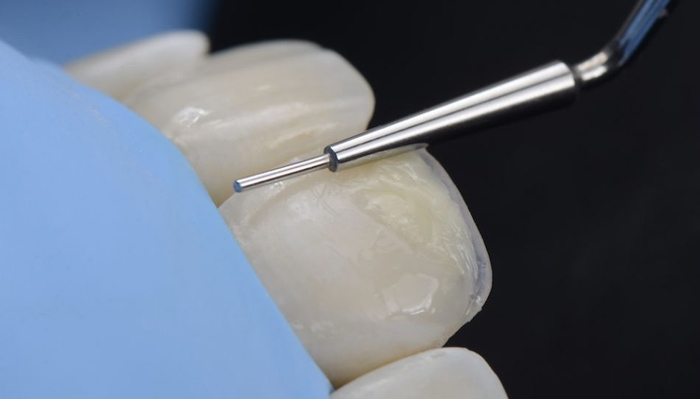
Laminates by themselves do not cause tooth decay. These thin shells cover the front surface of the teeth and protect it while maintaining the natural tooth structure. The main cause of tooth decay is not observing oral and dental hygiene, not the laminates themselves.
Think of the laminate as a protective shield — a shield that prevents harmful bacteria from penetrating the front surface of the tooth. But the natural structure of the tooth behind the laminate remains intact, and if proper care is not taken, it can suffer from decay.
The space between the natural tooth and the laminate needs special care when cleaning. If these areas are not properly cleaned, bacteria can accumulate there and can cause decay. Your oral hygiene routine plays a key role in preventing decay and extending the life of laminates.
Also, regular dental visits will help you identify possible problems in the early stages and prevent damage to natural and laminated teeth.
What is dental laminate and what is its application?
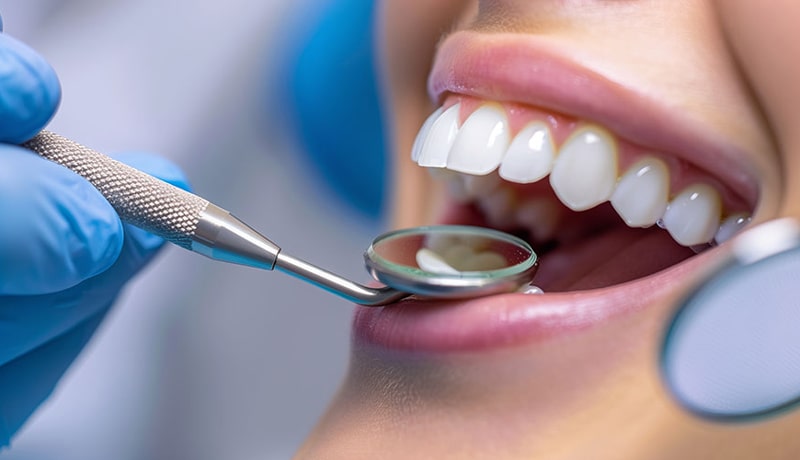
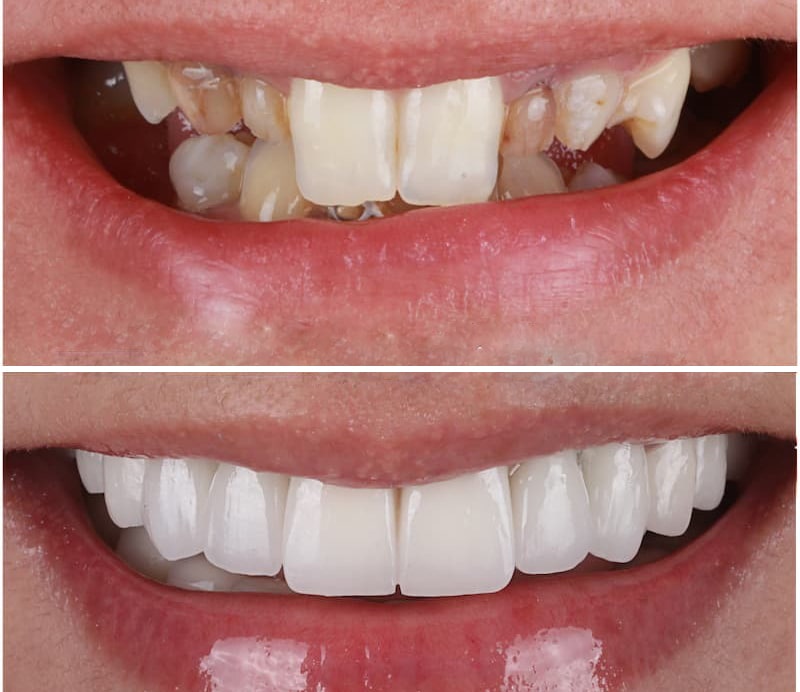
Ceramic laminates are ultra-thin shells that are custom-made and bonded directly to the front surface of the teeth. These dental covers are a revolutionary solution to solve a variety of cosmetic problems, including:
- Discolored teeth that do not respond to bleaches
- Loose or worn teeth
- distance between teeth
- Asymmetric or slightly crooked teeth
Read more: How to repair dental laminate It can
The aesthetic benefits of laminates are impressive. By creating a natural and beautiful smile, these types of veneers create a significant change in the appearance of the teeth, including:
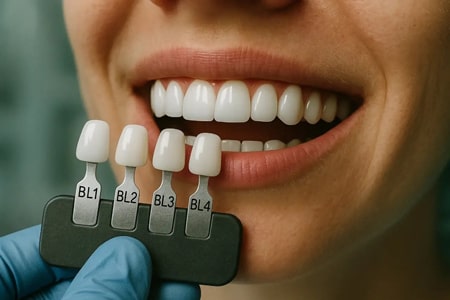
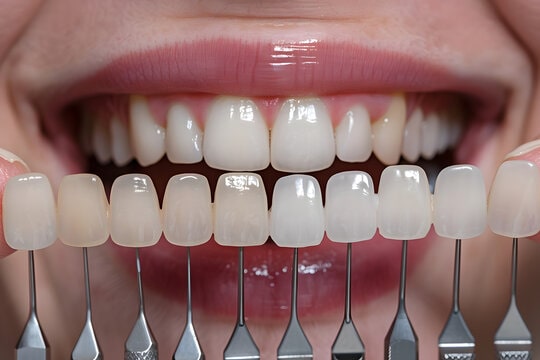
- Exact matching of the color with surrounding teeth
- Shaping according to the structure of the face
- Light reflection properties similar to natural tooth enamel
- Immediate improvement in the appearance of teeth
- minimally invasive method with preservation of tooth structure
Modern laminates are made from advanced materials such as E-max glass-ceramics, which, along with a natural appearance, offer high durability and excellent resistance to discoloration and staining.
Factors affecting tooth decay with laminate

1. Poor oral hygiene
Failure to brush regularly and properly causes the accumulation of plaque and bacteria on the teeth, which creates a suitable environment for decay.
2. High consumption of sugar and simple carbohydrates
Sweet foods and drinks are the main food for oral bacteria. By consuming sugar, the acid produced by bacteria destroys tooth enamel.
3. Not using dental floss
The plaques that remain between the teeth cannot be removed with a toothbrush. Failure to floss increases the chance of interdental caries.
4. Insufficient saliva (dry mouth)
Saliva plays a vital role in washing away bacteria and neutralizing acid. Dry mouth can increase the rate of caries, especially in patients with laminate.
5. Previous caries or incomplete dentition
Old restorations, mismatched laminates or ill-fitting dental crowns can cause food to get stuck or bacteria to enter.
Read more: Best Tooth laminate age
6. Wrong brushing technique
Horizontal or too hard brushing can damage the gums and cause the accumulation of plaque on the edges of the teeth and under the gums.
7. Failure to visit the dentist regularly
Regular check-ups identify hidden caries in the early stages and prevent them from progressing.
8. Bruxism
Excessive pressure on the tooth causes microscopic cracks, which can be a good place for bacteria to accumulate and the beginning of decay.
How to understand if the tooth under the laminate is decaying?
If you think your teeth are decaying under the laminate, contact your dentist immediately.
Signs that may indicate tooth decay under the laminate:
- Loose or moving teeth
- Looseness of the laminate or its complete separation
- Sensitivity of teeth to cold and heat
- Gum pain or inflammation
- presence of pus or blood around the gums
- Toothache
- incidence of infection in the gum area
Read more: how much does dental laminate cost
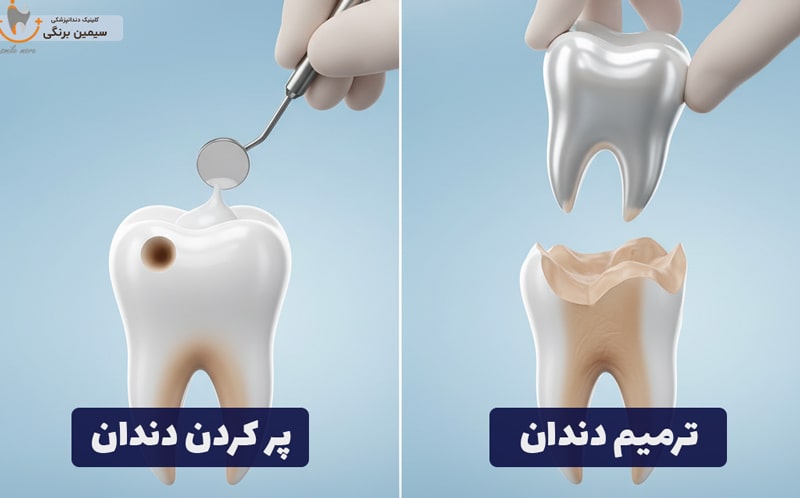
The dentist must examine the condition of your teeth and determine the level of decay. In many cases, it is necessary to remove the laminate to effectively treat decay.
If the tooth can be repaired, it is possible to install a new laminate. But if the damage is so severe that the tooth cannot be saved, the dentist will suggest alternative options such as dental implant.
Is it possible to laminate with a decayed tooth?
No, if your teeth are decayed or damaged, you cannot laminate them.
Laminate is considered a cosmetic treatment and is designed to correct minor appearance problems. This method cannot replace basic dental treatments and should not be used in the following cases:
- Having active root treatment (nervectomy)
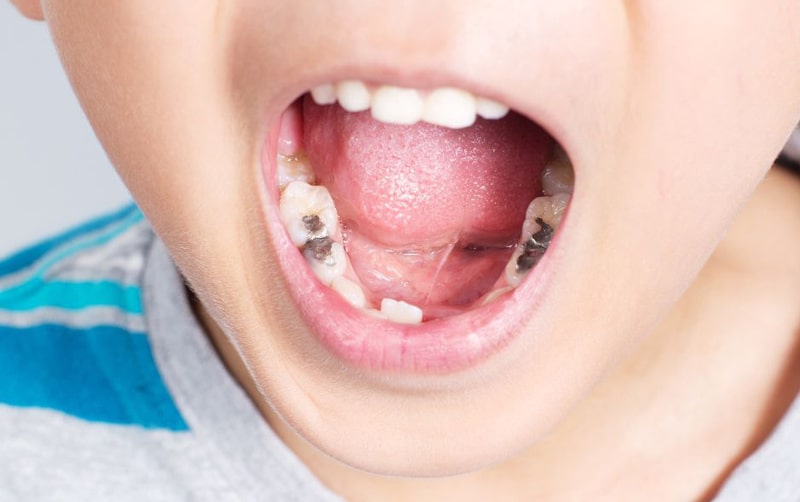
- tooth decay or ringworm
- The presence of a cavity in the tooth
- Gum disease (especially in advanced stages)
How to protect teeth under laminate?

- Brush at least twice a day – and preferably after each meal – with a non-abrasive gel toothpaste that does not contain bleaching agents such as hydrogen peroxide, baking soda, or other abrasive ingredients. The dentist may prescribe a suitable toothpaste for you.
- Use disinfectant mouthwash after each brushing. This helps kill harmful bacteria – even those in hard-to-reach places. Floss every day to prevent the accumulation of food particles and plaque around the edges of laminate and natural teeth. Minimize consumption of sweet and acidic foods. Like sweets, soft drinks, citrus fruits and coffee. If you consume, be sure to brush your teeth within 30 minutes to an hour.
- Avoid smoking. Tobacco products can cause gum disease and reduce the ability of the gum to support the laminate.
Concluding remarks
Dental laminates, if designed and installed correctly, not only do not cause tooth decay, but can also protect the front surface of teeth from external factors. However, tooth decay can develop around or behind laminates if the person does not follow hygiene tips, if the laminates are not installed properly, or if the teeth were decayed before the laminates.
Regular care, basic brushing, daily use of dental floss, proper diet and periodical checkups at the dentist are the best solutions to prevent decay and extend the life of laminates. In cases where the tooth is already damaged or decayed, it should be treated first and then cosmetic options such as laminate should be considered.
FAQ
1. Does the dental laminate itself cause decay?
No. Decay occurs when oral hygiene is not followed or the teeth are damaged before the laminate.
2. What should I do if the tooth under the laminate decays?
You should see a dentist immediately. If necessary, the laminate is removed and the decay is treated. In some cases, it may be necessary to replace the laminate or use a cover.
3. Do I need dental floss and mouthwash after laminating?
Yes, even more than before! It is very important to keep the edges of the laminate and the space between the teeth clean.
4. What kind of toothpaste is suitable for laminate?
Non-abrasive toothpastes without bleaching agents (such as baking soda or hydrogen peroxide) are the best options.
5. Can laminate be done on a decayed tooth?
No. The decay or infection must be treated first. In severe cases, the use of veneers or implants is a more appropriate option.