Third tonsil is one of the lesser-known parts of the immune system, which is located at the beginning of the airway and behind the nose, and usually plays a prominent role in the body's defense during childhood. When this tissue becomes too large, it can affect the child's breathing, sleep, growth, and even behavior, and that's why it's important to be aware of it. In recent years, parents' referrals for night snoring, mouth breathing, or frequent nose and ear infections in children have increased, and most of these cases are related to the third tonsil. In this article from your doctor, we are with you to examine the third tonsil in detail and everything you need to know about it.
Where is the third tonsil?
The third tonsil or adenoid is located in the upper part of the pharynx and behind the nose, and because it cannot be seen with the normal eye, diagnosing its problems requires a specialist examination. This deep position causes its enlargement to quickly narrow the respiratory tract behind the nose and force the child to breathe through the mouth; A problem that even affects the shape and growth of facial bones.
A large adenoid can increase the possibility of ear infection by disrupting the ventilation of the ear. This sensitive role and position doubles the importance of timely recognition and follow-up of third tonsil problems.
English text: Adenoids are a patch of tissue that is high up in the throat, just behind the nose. They, along with the tonsils, are part of the lymphatic system. The lymphatic system clears away infection and keeps body fluids in balance. The adenoids and tonsils work by trapping germs coming in through the mouth and nose. Farsi translation: The third tonsil is a piece of tissue located at the top of the throat and just behind the nose. Together with the tonsils, this tissue forms part of the body's lymphatic system; A system whose task is to clear infections and maintain the balance of body fluids. The third tonsil and tonsils help the body's defense against diseases by catching germs that enter through the mouth and nose.
What is the function of the third tonsil in the body?
Third tonsil is an important part of the immune system that, like a filter, identifies and introduces microbes entering through the nose and mouth to the body, and for this reason, plays an essential role in making antibodies and strengthening immunity in the early years of life. This high activity causes the third tonsil to be older and more active in children, as their bodies are still learning immune defenses.
But this same activity sometimes exceeds the normal limit and due to frequent contact with microbes, the third tonsil enlarges. Enlargement of these tonsils can cause problems such as nasal congestion, snoring and sleep disorders. Therefore, the third tonsil has a dual role: in its natural state, it protects the body, and in its enlarged state, it can become a source of problems.
The third tonsil or adenoid is located in the highest part of the pharynx and behind the nose, and because it cannot be seen with the normal eye, diagnosing its problems requires nasal endoscopy or imaging.
third tonsil in children
Third tonsil in children is naturally larger and more active because the immune system is still developing and exposure to microbes stimulates this tissue. In many children, the enlargement of the third tonsil is not a sign of illness, but if it causes symptoms such as breathing or sleep disorders, it needs to be investigated.
Timely diagnosis is very important, because respiratory obstruction can affect the child's behavior and concentration, physical and sleep quality. On the other hand, this tissue usually shrinks after the age of 5, so mild cases are managed with care, but severe cases require specialized treatment.
symptoms of enlarged third tonsil
One of the most common symptoms of enlarged third tonsil is mouth breathing. Instead of breathing through the nose, the child's mouth is always open and he snores and puffs in his sleep. This causes dry mouth, bad breath and even dental problems.
Another important symptom is sleep disturbance. The child may wake up frequently, be restless, or experience short pauses in breathing. This lack of sleep can have a negative effect on his concentration, mood and growth. Many parents first think that the child is sleeping badly, when the root of the problem is his breathing.
The third problem is frequent ear infections. Because the third tonsil is located close to the ventilation path of the ear, its enlargement causes fluid to be trapped and increases the possibility of infection. If a child often suffers from otitis, the possibility of a large third tonsil should be investigated.
The cause of enlarged third tonsil
The most common cause of enlarged third tonsil is frequent viral and bacterial infections during childhood. Every time the body encounters a new germ, the third tonsil enlarges a little for defense. If this process is repeated a lot, it causes the size of the third tonsil to be out of the normal range.
The second factor is allergies. Children with seasonal allergies or respiratory sensitivities usually have an overactive third tonsil. This constant irritation causes inflammation and enlargement. In such children, there are usually other symptoms such as sneezing, runny nose and itchy nose.
Some children have a larger third tonsil from birth or are more sensitive to infections. These cases usually show themselves from a very young age and parents notice the symptoms early.
English text: Adenoids are a patch of lymphoid tissue that sits at the very back of the nasal passage. Like tonsils, adenoids help keep the body healthy by trapping harmful bacteria and viruses that we breathe in or swallow. Adenoids (AD-eh-noyds) do important work as infection fighters for babies and young children. Persian translation: Third tonsil is a type of lymph tissue located in the deepest part behind the nose. Just like the tonsils, the third tonsil helps our health by catching harmful bacteria and viruses that enter the body through breathing or swallowing. In babies and young children, this tissue plays an important role in fighting infections and is one of the body's first lines of defense. target="_blank" rel="noreferrer noopener">kidshealth
Diagnosis of large third tonsil
Diagnosis of the third tonsil is usually not possible with a simple examination of the mouth and throat because it is not in direct view. The doctor uses nasal endoscopy for a detailed examination; A small and delicate instrument that is inserted through the nose and gives a clear image of the back of the nose and the third tonsil.
In some cases, photographing the nasopharynx is also helpful. These photos show the degree of obstruction and the size of the third tonsil, although endoscopy is the most accurate method of diagnosis. Sometimes the doctor uses additional tests such as hearing test, allergy test or sleep evaluation to ensure the cause of these symptoms. This is mostly done when the symptoms are severe or the child has serious sleep problems.
Treatment ways of large third tonsil
Treatment of the third tonsil varies depending on the severity of the symptoms and the age of the child. Most mild cases are controlled with care and medication, and only severe cases require surgery. The main goal of treatment is to bring the child's breathing, sleep and quality of life back to normal.
The doctor first tries to control the cause of inflammation; For example, treating allergies, controlling infection or correcting breathing patterns. Many children recover with these basic measures. When medical treatments and care are not enough, surgery is suggested. The operation of the third tonsil is not a difficult operation and the recovery period does not take long; But the decision for surgery must be completely logical and based on the child's symptoms.
Method of treatment
Effectiveness rate and result
Allergy treatment
Reduction of third tonsillitis and improvement of respiratory symptoms in many mild cases
Control of infections with medicine
Reduction of inflammation and Symptoms, without direct shrinking of the third tonsil
Nasal anti-inflammatory drugs and antihistamines
Reduce swelling and open the respiratory tract with regular use
Corticosteroid nasal spray
Effective in reducing inflammation within a few weeks and improving breathing
Antibiotics in the face Need
reduction of frequent infections and control of associated symptoms
washing of the nose with physiological serum
reduction of secretions and significant improvement of the child's breathing
home care and air humidification
reduction of mucous irritation and reduction of respiratory symptoms
weight reduction in children with Overweight
Help improve symptoms and breathe easier
Third tonsil surgery
Very effective in severe cases with rapid improvement of breathing, sleep and cessation of snoring and puffing
In this table, all methods of treating third tonsil are given.
1. Operation of the third tonsil
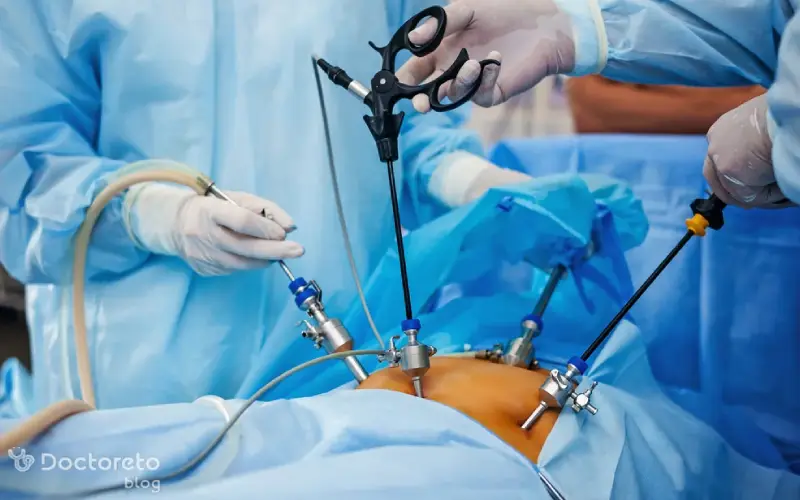
When the respiratory obstruction is severe, the child has a lot of snoring, mouth breathing is chronic or the ear infection is repeated frequently, the doctor usually recommends Third Tonsil Operation. This operation is performed under general anesthesia, but it is quick and low-risk. In this surgery, the enlarged tissue of the third tonsil is removed and the airway is completely opened. The child is usually discharged a few hours later and does not need a long hospitalization.
The recovery period is usually very short. After surgery, parents usually notice changes very quickly: breathing becomes easier, sleep improves, and snoring stops. This operation is one of the most successful surgeries for children.
2. Third tonsil treatment without surgery
In mild to moderate cases, the doctor will first try non-surgical methods. One of the effective methods is allergy treatment; Because many children get inflammation of the third tonsil due to allergies. Nasal anti-inflammatories and antihistamines are helpful in these cases.
The next method is to control infections. If the child has frequent colds or infections, short courses of antibiotics or anti-inflammatories are sometimes prescribed. These treatments usually do not make the third tonsil smaller, but they do reduce inflammation and symptoms. If the child is overweight, weight loss can also improve symptoms. In addition to these cases, proper home care can reduce the symptoms.
3. Medicine for the third tonsil
Medications usually include low-dose corticosteroid nasal sprays, antihistamines, and antibiotics if needed. These drugs reduce swelling and inflammation and allow the airways to open more. nasal spray for third tonsil They usually take a few weeks to work.
Parents should use as prescribed by the doctor and not stop the dose arbitrarily. These drugs are safe if used correctly. Sometimes the doctor recommends the medicine along with washing the nose. The combination of these two methods is very effective in controlling inflammation and helps the child breathe better.
4. Home care in the enlargement of the third tonsil
The most important step at home is washing the nose with physiological serum. This simple act reduces inflammation and causes less secretions behind the nose. Regular washing has a significant effect on the child's breathing. The ambient air should be humid. Using a cold nebulizer while sleeping helps to prevent the nasal mucosa from drying out.
Dry air usually worsens the symptoms and makes the child restless. On the other hand, it is very important to strengthen the child's immune system with proper nutrition, enough sleep and avoiding cigarette smoke. Together, these factors help reduce inflammation and help the body fight infections better.
If left untreated, a large third tonsil can affect a child's overall development.
Third tonsil complications
If the third large tonsil is not treated, it can affect the overall development of the child. One of the common problems is chronic sleep disorder, which causes a decrease in concentration, restlessness, and even academic failure. Good sleep is essential for brain development. Another problem is changing the shape of the face.
When a child breathes through the mouth for a long time, the shape of the jaw and teeth changes. This condition is known as adenoid and may require orthodontic treatment later. Frequent ear infections, hearing loss, recurrent sinusitis, and bad breath are other complications. These problems reduce the quality of life of the child and should be taken seriously.
prevention of third tonsil
Complete prevention is not possible, but its symptoms can be reduced by reducing irritation and frequent infections. Washing the nose is one of the best methods; Especially in infected seasons or during colds. Quick treatment of allergies reduces inflammation of the third tonsil.
Parents whose child is allergic should take allergy treatment seriously so that this organ is not constantly irritated. Taking care of the child's general health, staying away from cigarette smoke, proper nutrition and enough sleep also play a role in keeping the immune system strong. A strong body is less prone to frequent infections, and this means that the third tonsil remains calmer and without inflammation.
Conclusion
Third tonsil is a small but very important part of the child's immune system. Its presence is necessary for the body's defense, but if it becomes large, it can cause many problems; including sleep disorder, mouth breathing, ear infection and even developmental problems. Early diagnosis and proper treatment can prevent many of these problems. Treatment is not always surgical. Many children get better with medication, allergy control, and home care. Surgery is indicated when the blockage is severe or other treatments have not worked. Finally, paying attention to the child's symptoms and timely examination by a doctor is the best way to maintain his health. Parents should take it seriously if they see mouth breathing, snoring or sleep problems.
Your doctor takes care of your health!
Frequently Asked Questions
No. Most cases are controlled with medication and care. Operation is recommended only when symptoms are severe or sleep problems and frequent ear infections occur.
Yes, the third tonsil can be present in adults, but usually with age. and is often asymptomatic; Only in rare cases, it may remain large or grow again, causing symptoms such as nasal congestion, mouth breathing, or snoring.
It does not have a significant effect. The body has other immune structures that fill its place. For this reason, surgery does not cause a problem in terms of safety. However, this procedure may cause a slight decrease in the local immune response in the throat or nose, but does not cause serious systemic risks.
Yes, an enlarged third tonsil can cause a speech delay, but indirect If the blockage is severe and the child does not breathe well or has frequent ear infections, it may affect speech.
In many children, yes. It usually decreases in size after age 7 unless there is severe inflammation. However, in some cases it remains large or grows back, causing symptoms such as snoring, mouth breathing, or sleep problems that may require medical attention.