
طول عمر ایمپلنت های دندانی به عوامل مختلفی بستگی دارد که یکی از آنها استفاده از تجهیزات مدرن و دیجیتال در فرآیند کاشت است. این تجهیزات کمک میکنند که دندانپزشکان بتوانند پروسه کاشت را به دقت انجام دهند.
هنگامی که صحبت از ایمپلنت دندان به میان میآید، یکی از سوالات کلیدی که به ذهن میرسد، طول عمر ایمپلنتها است. Implants are known as the top technology in dentistry to replace missing teeth and many people are looking to buy them. But do you know that there are various factors that can affect the longevity of the implant? According to estimates, the life of these implants is between 10 and 15 years, but with proper care and proper hygiene, this time can reach more than 20 years. In the following, we examine the factors that affect the longevity of the implant and provide methods to optimize this long period.
| Risk factor | Negative effect on implant longevity | Preventive and control solution |
|---|---|---|
| Peri-implantitis disease (gum infection around the implant) | The main reason for implant loss in the long term | Careful hygiene + regular specialized screening + smoking cessation |
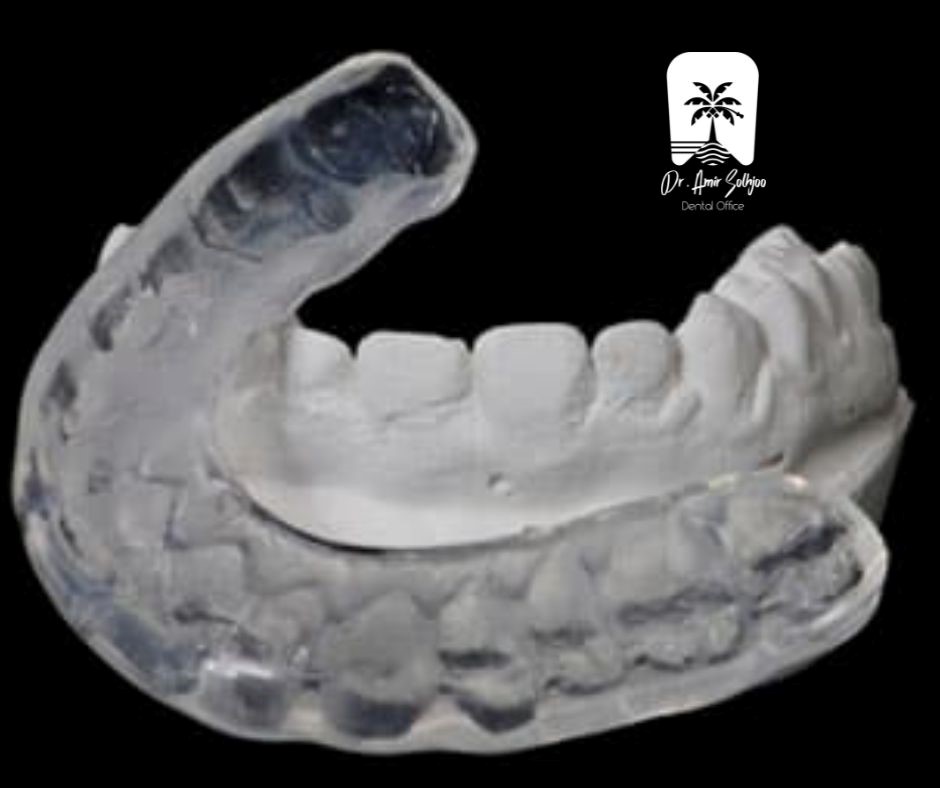
| Excessive mechanical pressures (grinding teeth) | Creation of fracture in components or bone loss | Use of night guard (night guard) + fine adjustment of cover |
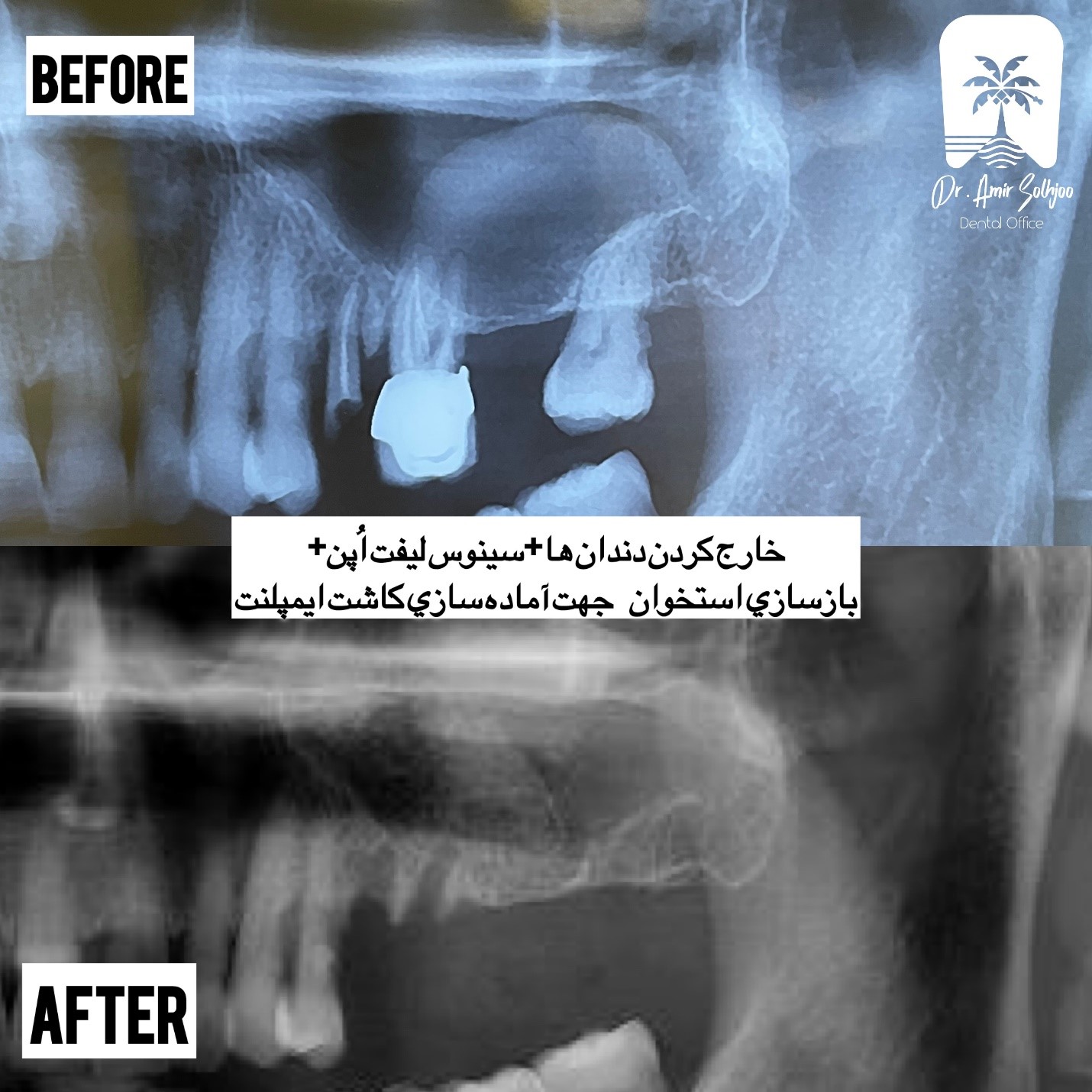
| Low quality of jaw bone | Decreasing initial stability and the possibility of early failure | Doing bone grafting or sinus lift before implant |
| Diabetes not being controlled | Disturbance in the healing process and increasing the risk Infection | Consultation with treating physician to control blood sugar before treatment |
Implant Cost Considering Implant Lifetime (1404)
When comparing costs, considering implant life and long-term maintenance costs provides a more realistic picture. Compared to temporary alternatives, implants are often more cost-effective in the long term.
Table 1: Initial costs by implant brand
| Implant brand + Zirconia cover | Price range of each complete unit (million Tomans) | Relationship with implant lifespan |
|---|---|---|
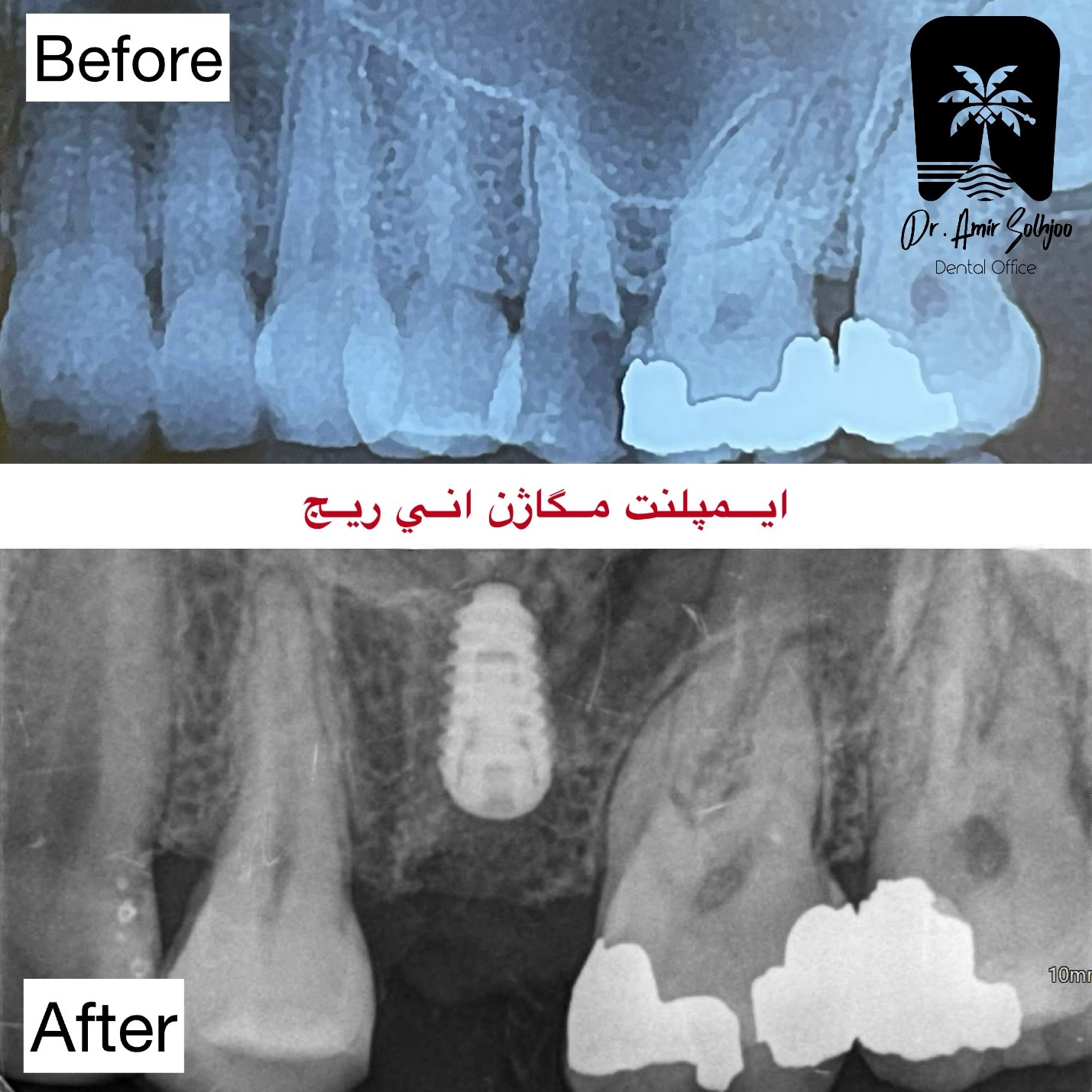
| Implant Magazine + Veneers | From 38 and up | The right initial investment to achieve acceptable and quality implant life. |
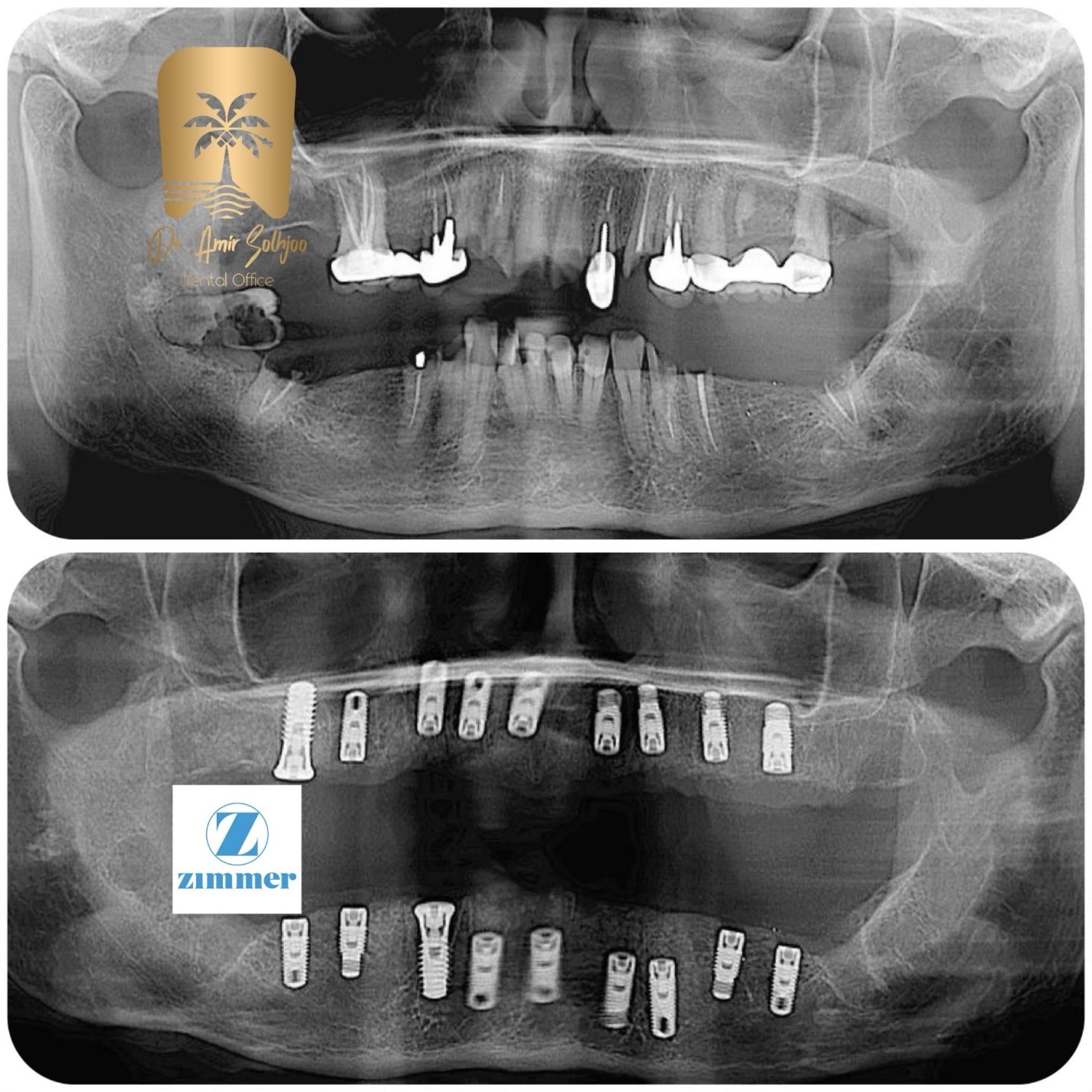
| Zimmer Implant + Veneers | 52 to 57 | Premium-level investment to maximize the potential of implant life and long-term peace of mind. |
Table 2: Possible costs of surgeries Complementary and maintenance
| Type of service | Cost (million tomans) | Role In implant longevity |
|---|---|---|
| simple bone grafting | 8 | Providing a suitable bone bed is a prerequisite for implant longevity. |
| Extensive bone grafting | About 20 | Bone structure reconstruction for implant placement in complex conditions. |
| Closed sinus lift | 10 | Increasing bone height in the upper jaw. |
| Open sinus lift | 18 | For more complicated sinus cases. |
| specialized implant massaging (yearly) | 2-4 | necessary and investing in maintaining implant longevity and preventing peri-implantitis disease. |
All dentists try to provide a lifetime lifespan for all dental services, but regarding the lifespan of an implant, there are many factors such as the skill and expertise of the surgeon and prosthodontist, the brand of the dental implant, the quality of the material used, The originality of the parts and also the health of the patient play a role. id="%D8%AA%D8%A3%D8%AB%DB%8C%D8%B1_%D9%85%D8%B1%D8%A7%D9%82%D8%A8%D8%AA_%D8%B5%D8%AD%DB%8C%D8%AD_%D8%A 8%D8%B1_%D8%B7%D9%88%D9%84_%D8%B9%D9%85%D8%B1_%D8%A7%DB%8C%D9%85%D9%BE%D9%84%D9%86%D8%AA">
Effect Proper care of implant longevityCorrect care of implants is one of the most key issues that increases the longevity of implants. Implants are in direct contact with the jawbone and gums. If these areas are neglected, they can lead to serious problems, including bone loss or infection. These problems not only affect the physical substrate of the implant, but can also damage the overall health of the mouth. Daily brushing of the mouth and teeth with a toothbrush and dental floss and water jet can prevent the accumulation of plaque and bacteria. These bacteria can lead to gingivitis and infection in the implant area. Therefore, maintaining oral hygiene not only reduces the risk of infection, but also contributes to overall oral health.
Periodic dental examinations during the lifetime of the implant
Dentists recommend that people with implants undergo regular check-ups. Have dental examinations. In these examinations, the dentist can check the condition of the implant and detect any signs of infection or bone loss. Also, in these meetings, people are taught how to take care of implants to prevent the development of problems.
proper nutrition and its effect on implant longevity
Healthy and balanced nutrition is also a key factor in influencing the longevity of implants. Consuming the right nutrients, especially calcium and vitamin D, helps strengthen bones and gums. People who have implants should note that healthy bones can better support the implant.
Avoid bad habits
Bad habits such as smoking or drug use can have a negative impact on the longevity of the implant. These habits can lead to reduced blood flow to the gums and delay the healing process vital for implant retention. Therefore, for people who have implants, it is a necessity to leave these habits.

German implant life compared to other implants
German dental implants because of their advanced technologies and high quality, usually The lifespan of implants is longer than other implants. These implants are manufactured using high-quality materials and in accordance with international standards, and for this reason they may be the best choice for people who are looking for a permanent solution to their dental problems. The production of German implants is one of the main reasons for their long life. These implants are usually made of pure titanium and special alloys that are highly compatible with the human body. This compatibility allows the body to easily accept the implant and contribute to the longevity of the implant.
International standards and quality control of implant life-span
German implants are produced under strict supervision and in compliance with international standards. These standards include different stages from design to the final quality check of implants. The high quality of construction makes these implants at a higher level in terms of durability and success.
comparison with other implants
Some non-German implants may be made of lower quality materials and benefit from less supervision. This issue can cause problems such as breakage or failure of the body to accept the implant. On the other hand, German implants usually have a higher success rate due to the high quality of construction and advanced technology.
Patient experiences and implant life-span surveys
Patient experiences show that German implants usually last longer and most patients have positive and long-lasting results. They are satisfied. Research shows that more than 95% of German implants work well during the first ten years and do not need to be replaced or repaired. American implants are usually made of high-quality materials that are compatible with the human body and reduce the risk of infection.
About care after implantation is also one of the factors affecting The lifespan of the implant is known. Observance of oral and dental hygiene, regular visits to the dentist and adherence to a proper diet play a special role in maintaining the health of the implant. id="%D8%A2%DB%8C%D8%A7_%D8%A7%DB%8C%D9%85%D9%BE%D9%84%D9%86%D8%AA_%D8%AF%D9%86%D8%AF%D8%A7%D9%86_%D9%85%DB%8C%E2%80%8C%D8%AA%D 9%88%D8%A7%D9%86%D8%AF_%D9%85%D8%A7%D8%AF%D8%A7%D9%85_%D8%A7%D9 %84%D8%B9%D9%85%D8%B1_%D8%A8%D8%A7%D8%B4%D8%AF%D8%9F"> Can dental implants last a lifetime? Dental implants are one of the most advanced treatment methods in dentistry. Many people wonder if this type of treatment can really last a lifetime. The answer to this question depends on various factors. The quality and hygiene of the mouth and teeth are among the most important factors affecting the longevity of the implant. People who pay attention to their oral hygiene have a better chance of keeping their implants. Also, the quality of materials and surgical techniques also play a significant role in their success. Factors such as the age, gender and general condition of the person also affect the longevity of the implant. People with chronic diseases such as diabetes may face more challenges in maintaining their implants. Proper maintenance and regular visits to the dentist to check the condition of implants and gums are key points in increasing their lifespan. Periodic examinations can help identify problems early and prevent them from progressing. id="%D9%86%D9%82%D8%B4_%D8%A8%D9%87%D8%AF%D8%A7%D8%B4%D8%AA_%D8%AF%D9%87%D8%A7%D9%86_%D8%AF%D8%B1_%D8%A7%D9%81%D8 %B2%D8%A7%DB%8C%D8%B4_%D8%B7%D9%88%D9%84_%D8%B9%D9%85%D8%B1_%D8%A7%DB%8C%D9%85%D9%BE%D9%84%D9%86%D8%AA">Role Oral hygiene in increasing the life of the implant If you are looking to keep your dental implant for a long time, oral hygiene is one of the most necessary measures. Maintaining good hygiene can help prevent infection and gingivitis, key factors that can lead to implant failure. Infection can be one of the biggest threats to dental implants. Bacteria can enter the implant area through the gums and become a problem. Therefore, hygiene can prevent these problems from occurring. Gingivitis can effectively affect the health of implants. This complication is caused by the accumulation of plaque and bacteria, and if not paid attention to, it can lead to bone loss and the loss of the implant. There are effective methods to maintain oral hygiene, such as brushing twice a day and using dental floss and mouthwashes. Disinfectant. Also, going to the dentist for deep cleaning of the teeth should be part of the health care plan. Eating foods rich in vitamins and minerals such as vitamin C and calcium can help maintain the health of the gums and bones around the implant. On the other hand, sugar consumption should be controlled to prevent the increase of plaque. The longevity of dental implants is affected by many factors, including proper care, quality of materials and experience of the dentist. Compliance with oral hygiene and periodic examinations by the dentist play a key role in preventing problems such as infection and gingivitis that can lead to implant failure. Choosing high-quality implants, especially German implants due to their advanced technology and high-quality materials, can help increase their success rate and durability. By following the correct oral and dental care practices and paying attention to public health issues, implants will act as a stable and lifelong option to replace missing teeth and improve your quality of life. id="%D8%B3%D9%88%D8%A7%D9%84%D8%A7%D8%AA_%D9%85%D8%AA%D8%AF%D8%A7%D9%88%D9%84_%D8%B9%D9%84%D9%85%DB%8C_%D8%AF%D8%B1%D "Questions" Common scientific knowledge about implant longevity Implant longevity is the story of a successful collaboration between dentist expertise and patient commitment. This treatment becomes a valuable and lasting asset when it is based on the four foundations of expertise, quality, health and care. Dr. Amir Salahjo's clinic is committed to maximizing implant life for you by providing the most accurate treatment plan, using world-renowned brands and setting up a regular follow-up schedule. Remember that an implant is a lifelong treatment and maintaining it requires a lifelong commitment to your oral health. If you have any other questions about implant longevity or you plan to start this treatment, contact us for a free consultation and initial examination. Contact the clinic: 02144387914 WhatsApp appointment reservation: 09106520066 Clinic address: Tehran, Marzdaran Blvd., not reached Ashrafi Esfahani, Abolfazl St., Seventh West Bustan, Lale Square, No. 8, Pasargad Building, Floor 9, Unit 26 Instagram: @DR.SOLHJOODENTALOFFICE
care after implant
factors affecting the life-span of a dental implant
Individual and health factors
Periodic maintenance and examinations
importance of preventing infection
The effect of gingivitis on implants
Effective methods in maintaining oral hygiene

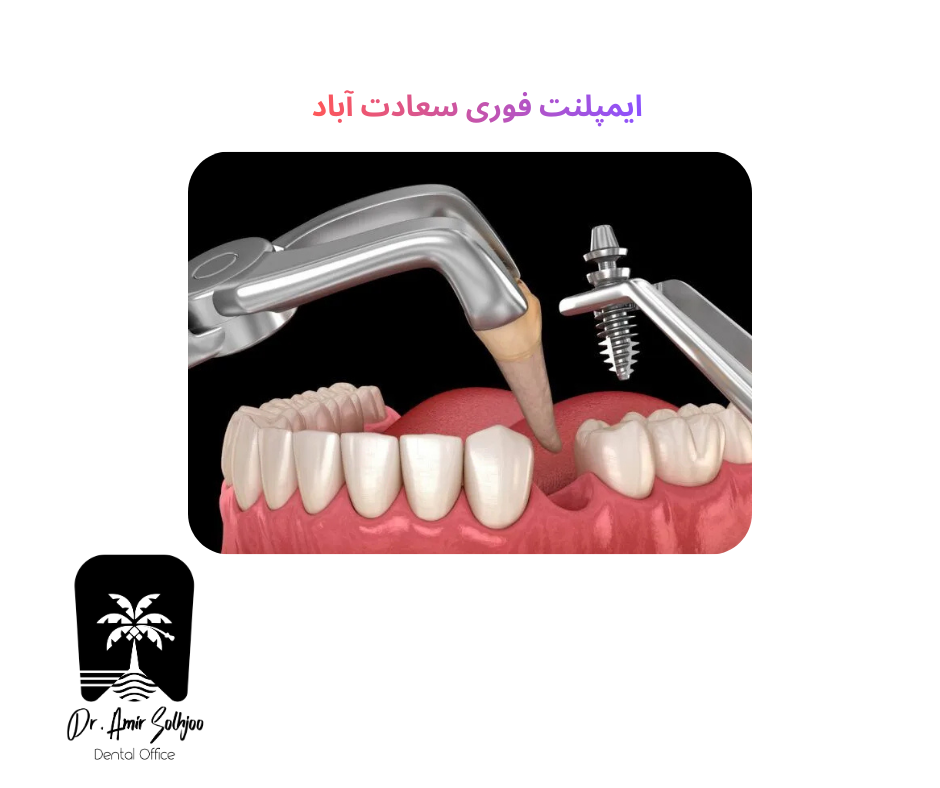
What effect does immediate implant (one-one implant) have on longevity? Does it have an implant?
If the patient is carefully selected (sufficient and quality bone, no infection) and performed carefully by a specialist, studies show that implant lifespan is comparable to the conventional method. The key to success is the correct assessment of the conditions and not rushing to load.Is there a need to replace implants after several years?
No. The titanium base of the implant (fixture) which is welded to the bone, is designed to be permanent. What may need to be repaired or replaced after 15 to 20 years is the dental crown (artificial crown) due to natural wear. This shows the importance of a periodic maintenance program.What foods harm the longevity of the implant?
In general, after complete healing, you can have a normal diet. But you should avoid the habit of chewing very hard objects such as ice, hard candies, pen ends or pistachios with the skin on with the implanted teeth separated. hit?
No. The titanium used is medical grade and fully biocompatible (Bioint). Extensive studies have reported no cases of allergic reaction or actual rejection of pure titanium implants. Failure usually occurs due to infectious or mechanical reasons.What are the warning signs of reduced implant life?
Symptoms includeswelling, redness or bleeding of the gums around the implant, pain, loosening of the veneer, persistent bad taste or smell in the The area is If you see any of these symptoms, it is necessary to see a dentist immediately.Apply for a professional consultation and receive a personalized care plan
▶️ Apparatus: https://www.aparat.com/dramirsolhjoo