

مقدمه
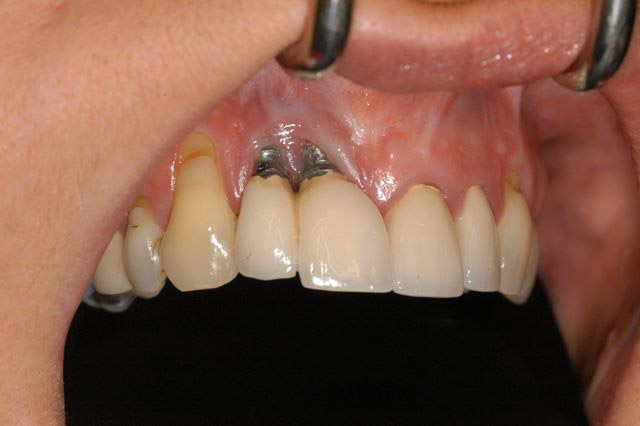
ایمپلنت دندان به عنوان یکی از موفقترین روشهای جایگزینی دندانهای از دست رفته شناخته میشود. But people who are suffering from diabetes are always worried about whether this treatment method is suitable for them or not. In this comprehensive article, we will fully review the effect of diabetes on dental implants and provide answers to many common questions in this field.
What is diabetes and how does it affect the body?
Diabetes is a chronic metabolic disease characterized by increased blood sugar levels. There are two main types of diabetes:
-
Type 1 diabetes: usually begins in childhood or adolescence and the body completely loses the ability to produce insulin.
-
Type 2 diabetes: It is the most common type of diabetes and usually develops in adulthood. In this type, the body either does not produce enough insulin or does not use it well.
Among the most important complications of diabetes, we can mention the slow healing process of wounds, weak immune system, heart diseases, kidney problems and failure in blood vessels. These complications can also affect the success of dental implants.

Diabetes and dental implants: are implants possible in diabetic patients?
One of the most frequent questions is Can diabetics get dental implants? The short answer is: Yes, but under special conditions and careful control of diabetes.
Diabetic patients can have dental implants successfully if they have proper blood sugar control. Research has shown that if blood sugar is kept in the normal range, the success rate of the implant will be almost the same as in non-diabetics.
Dangers of dental implants in people with diabetes
If diabetes is not well controlled, dental implants may face challenges. The most important risks are:
1. Delay in wound healing
High blood sugar slows down tissue repair, and this may increase recovery time after implant surgery.
2. Increased chance of infection
Uncontrolled diabetes leads to a weak immune system and increases the risk of infection in the implant area.
3. Disruption of implant fusion with bone (osteointegration)
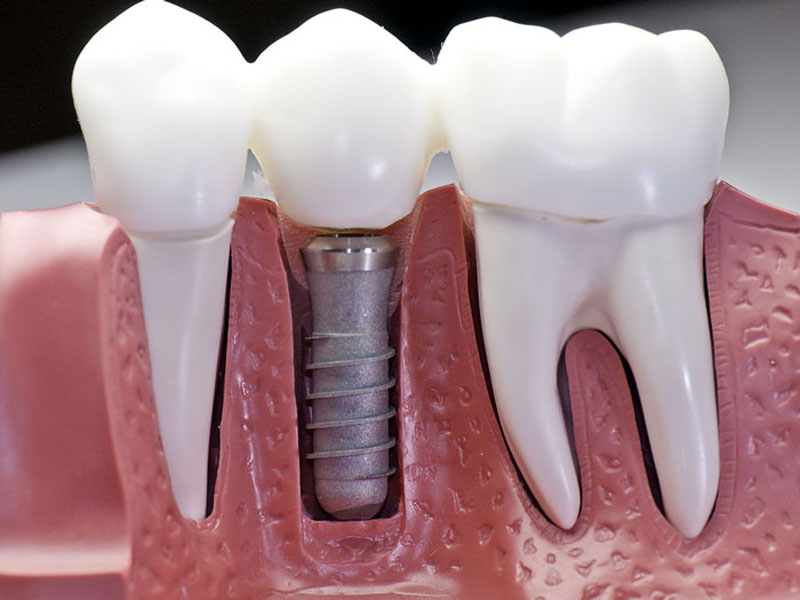
For the implant to be successful, the titanium base must fuse well with the jawbone. Diabetes can disrupt this process.
4. Osteolysis of the jaw
In diabetic patients, the process of bone resorption may be faster, which can jeopardize the long-term success of the implant.

Necessary conditions for implant success in diabetic patients
To increase the probability of implant success in people with diabetes, it is necessary to observe the following:
✅ blood sugar control
Hemoglobin A1C level should be below 7%. This indicates proper control of diabetes in the long term.
✅ strictly observe oral and dental hygiene
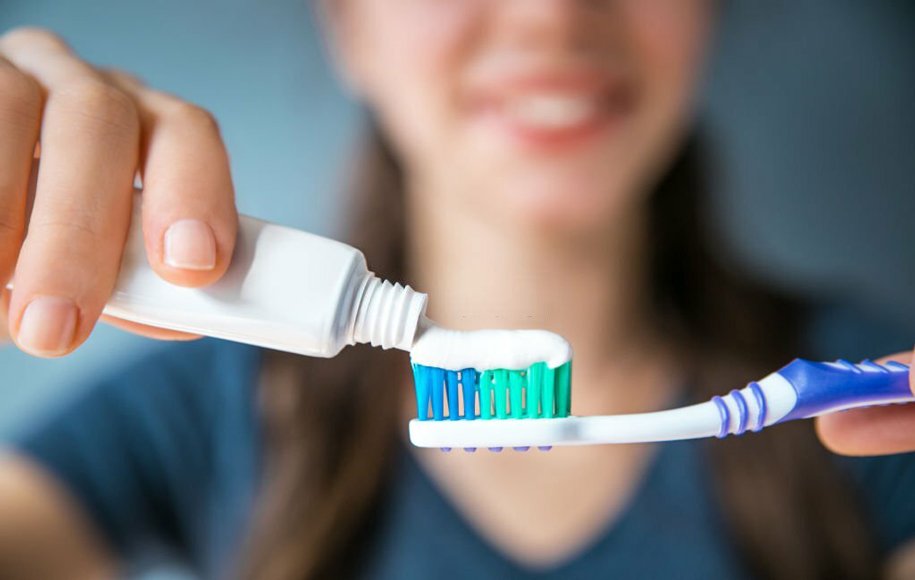
Brushing, flossing, mouthwash and visiting the dentist regularly are of great importance.
Use antibiotics according to the doctor's opinion
In some cases, to reduce the risk of infection, the use of antibiotics before and after surgery is recommended.
Choose a dentist specializing in the treatment of diabetic patients
A dentist who has experience in treating diabetic patients can follow specific care protocols and minimize risks.
Scientific studies about diabetes and dental implants
Various studies have been done in this field. For example:
-
A study published in the Journal of Clinical Periodontology showed that diabetics with good blood sugar control had similar implant success rates as healthy people.
-
Another study in the International Journal of Oral & Maxillofacial Implants also confirmed that there was no significant difference in implant survival between controlled diabetics and non-diabetics.
These findings suggest that the main risk factor is not diabetes itself, but uncontrolled diabetes.
Steps of implant for diabetic patients
In diabetic patients, each stage of treatment should be done more carefully:
1. Consultation and examination of medical history
The doctor first checks the condition of diabetes and its level of control.
2. Blood test
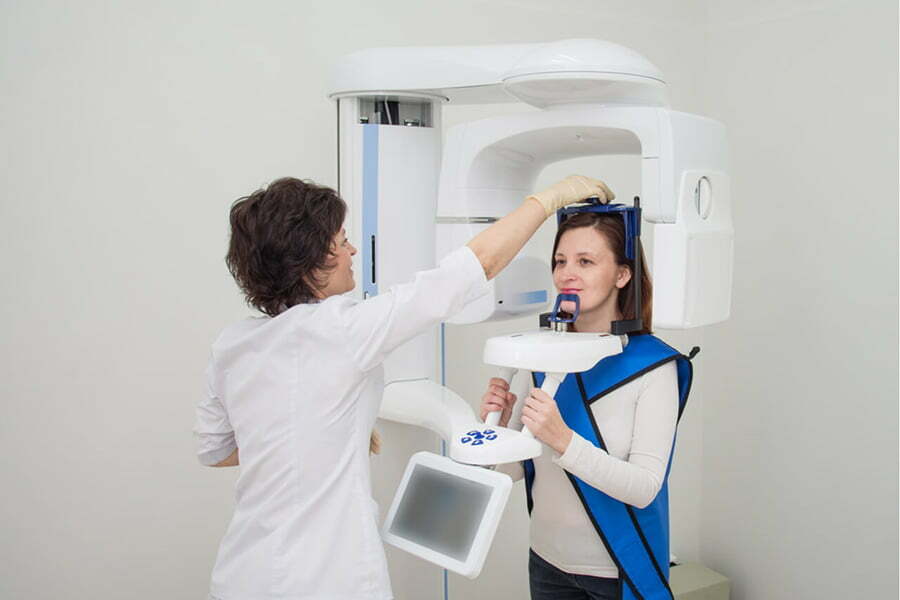
Measurement of fasting sugar and HbA1C is required to evaluate the patient's metabolic status.
3. Surgery with minimally invasive techniques
To reduce the risk of infection, milder surgical procedures are used.
4. Post-surgery care
Drug prescription, proper diet and oral health education are of great importance.
5. Regular follow-ups
Patients should visit the dentist regularly for a checkup to check the condition of the implant.

Post-implant care in diabetic patients
To prevent complications, diabetic patients should follow the following recommendations:
-
Use soft and sugar-free foods to reduce the pressure on the implant area.
-
Take prescription drugs as directed.
-
Check your blood sugar regularly and keep it within the normal range.
-
Avoid smoking, which is one of the risk factors for implant failure.
Implant alternatives for diabetic patients
If the person's diabetes is not well controlled or if the jawbone has weakened, implants may not be a good option. In this situation, the following alternative methods are proposed:
-
dental bridge
-
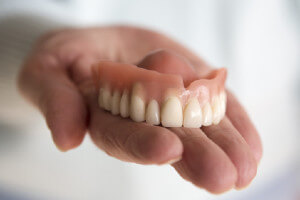
Movable prosthesis (complete or partial denture)
-
Shorter implants or mini-implants (in certain cases)
Of course, in most cases, with careful management of metabolic conditions, implants can still be used as a safe option.
FAQs about diabetes and dental implants
Is diabetes a definite obstacle to implant?
No. If diabetes is properly controlled, there is no obstacle to implant.
Is the risk of implant failure higher in diabetics?
Yes, but only if blood sugar is not properly controlled.
Is the duration of implant welding longer in diabetic patients?
Yes, the welding process may be a little slower, but with proper care, it should not be a problem.
Conclusion: diabetes shouldn't stop you from smiling
Diabetes and dental implants have a complex relationship, but this relationship does not mean that treatment is impossible. Diabetic patients can benefit from the benefits of dental implants with strict blood sugar control, oral hygiene and close cooperation with the dentist.
If you or one of your loved ones has diabetes and you are looking for a solution to replace missing teeth, we suggest you consult an implant specialist to make the best decision.
Dr. Farbad Seifi and Dr. Farzaneh Dashkhaneh dental center in Maragheh city is one of the most equipped dental implant centers. You can contact the phone number 04137223003 for booking an appointment and more detailed advice. You can also find other ways to contact us on the Contact Us page. To see the trainings and routines of the office, you can also Dr. Farbod Seifi's Instagram page and Follow the page of Dr. Farzaneh Dashkhane on Instagram.