The cause of receding gums and its treatment

Dr. Mehrzad Zare
MarvdashtSurgeon - Dentist

Gum receding or gingivitis is one of the most common oral and dental problems that can affect the beauty of the smile and the health of the mouth. This problem not only changes the appearance of the teeth, but can also lead to dental, decay and even tooth loss. You can prevent the development of this problem and maintain your oral health by knowing the cause of receding gums and treating it. This article examines the definition, causes, prevention methods, treatments and practical tips for the management of gingivitis and provides useful information for everyone in a simple and attractive language.
Anchor links
ToggleWhat is receding gums?
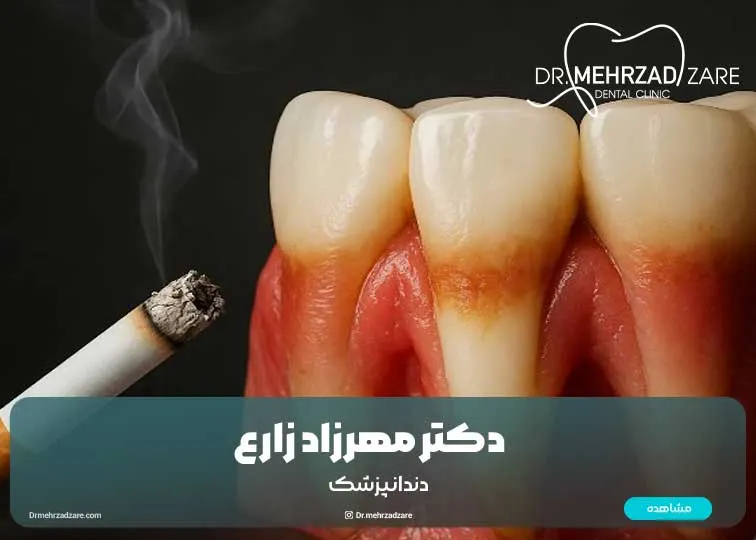
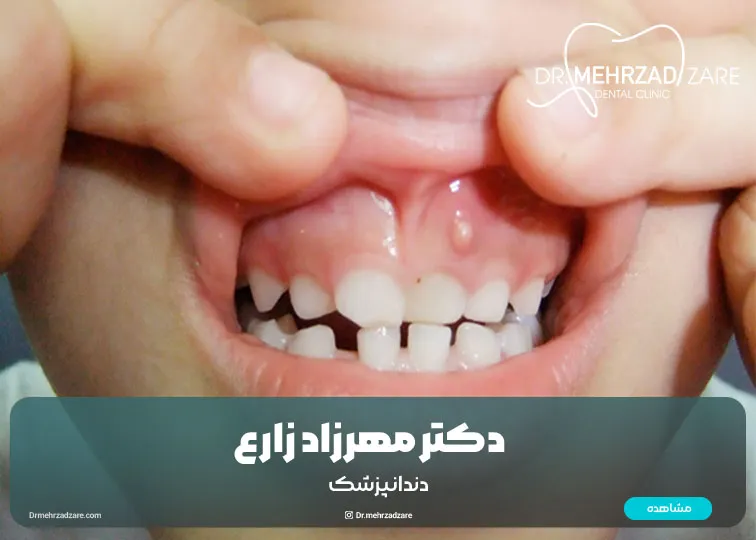
Gum receding or gum recession is a condition where the gums recede from around the teeth and the root of the tooth is exposed. This problem can involve one or more teeth and cause sensitivity, pain or cosmetic problems. The gums have a protective role for the tooth root and the underlying bone, and their receding can compromise the overall health of the mouth.
Types of gingival analysis
-
General gingival analysis: The entire gingiva recedes uniformly in the mouth.
-
Local gingival analysis: Only one or more specific teeth are involved.
-
Gum analysis related to periodontal disease: It is caused by gum diseases such as gingivitis or periodontitis.
Symptoms of receding gums
You may notice symptoms such as longer teeth, sensitivity to heat or cold, or discoloration of the gums. In severe cases, loose teeth may also occur.
Reasons of receding gums
Main causes
-
Gum diseases: Gingivitis and periodontitis are the most common causes of gum recession. These diseases start with the accumulation of plaque and gum inflammation.
-
Improper brushing: You can damage your gums by brushing too hard or using the wrong toothbrush.
-
Genetics: Some people genetically have thinner gums that are prone to decay.
-
Hormonal changes: changes during pregnancy, puberty or menopause can make the gums more sensitive.
risk factors
-
Smoking: Smoking reduces blood flow to the gums and increases the risk of decay.
-
grinding teeth: Too much pressure on the teeth can damage the gums.
-
Inadequate oral care: not using
Preliminary prevention
-
Proper oral hygiene: You can remove plaque by brushing your teeth twice a day and using dental floss.
-
Using a soft toothbrush: Soft toothbrushes do less damage to the gums.
-
Regular dental examinations: The dentist can detect gum problems early.
Secondary prevention
-
Gum disease control: Early treatment of gingivitis prevents progression to periodontitis.
-
Stress Management: Stress can increase teeth grinding, so you can reduce it with relaxation techniques.
-
Quit smoking: Giving up criminalization and root leveling: the dentist removes plaque and debris from the surface of the tooth and root.
-
Antibiotics: You can control gum infection with antibiotic gels or mouthwashes.
-
Oral hygiene education: The dentist will teach you the correct brushing techniques.
2. Surgical treatments
-
Link Gum: The surgeon transplants gum tissue from another area (such as the roof of the mouth) to the analyzed area.
-
Flap surgery: With this method, you can repair damaged gums and remove deep plaque.
-
Bone regeneration: In severe cases, regenerative materials help rebuild the bone under the gums.
3. Complementary treatments
-
Oil Pulling: You can reduce bacteria by rinsing your mouth with coconut oil.
-
Aloe vera: Aloe vera gel reduces gum inflammation.
-
Food supplements: Vitamin C and D can promote gum health.
4. Home care
-
Natural mouthwashes: You can rinse your mouth with a salt water solution to reduce inflammation.
-
Healthy nutrition: Eating foods rich in antioxidants, such as vegetables, helps gum health.
-
Avoidance of acidic foods: Reducing consumption of carbonated drinks prevents further analysis.
Suggested exercises and habits for gum health
Daily habits
-
Gentle brushing: You can protect the gums with a soft toothbrush and circular movements.
-
Use of dental floss: This removes the interdental plaque.
-
Regular mouthwash: Alcohol-free mouthwashes reduce inflammation.
Supplementary exercises
-
Gum massage: You can gently massage the gums with a clean finger to improve blood circulation.
-
Stress reduction exercises: Yoga and meditation can reduce teeth grinding.
-
Strengthening jaw muscles: Chewing sugar-free gum can strengthen mouth muscles.
The role of social support and lifestyle
You can find more motivation to follow oral hygiene with the support of family and friends. Teaching children and teenagers about gum care from an early age reduces the risk of gum recession. Lifestyle changes, such as smoking cessation and a healthy diet, play an important role in gum health.
Conclusion
You can protect your oral health by knowing the cause of receding gums. From good oral hygiene to professional treatments such as gum grafting, there are many ways to manage this problem. Prevention with simple habits such as proper brushing and regular dental check-ups will prevent the progression of gingivitis. If you notice signs of gum recession, consult your dentist to get the right treatment plan. Gum health not only leads to a more beautiful smile, but also improves your quality of life.
Ten frequently asked questions about the cause of receding gums
1. What is receding gums?
Answer: Receding gums is a condition where the gums recede from around the tooth and the root of the tooth is exposed.
2. What causes gingivitis?
Answer: Gum diseases, improper brushing, genetics and smoking are the main causes.
3. Can gingivitis be treated?
Answer: Yes, you can treat it with scaling, gum grafting, or home care.
4. How to prevent gingivitis?
Answer: Proper brushing, flossing and regular dental check-ups reduce the risk.
5. Is gum grafting painful?
Answer: No, this procedure is performed under anesthesia and has a short recovery period.
6. What are the home remedies for gingivitis?
Answer: You can strengthen the gums by oiling, rinsing with salt water and eating healthy.
7. Does smoking cause gingivitis?
Answer: Yes, smoking reduces blood flow to the gums and increases the risk.
8. What are the complications of gingivitis?
Answer: Tooth sensitivity, root decay and tooth loss are possible complications.
9. Do children also suffer from gingivitis?
Answer: Although rare, children with gum disease or bad habits can be affected.
10. How long does the treatment of gingivitis take?
Answer: The treatment time depends on the severity of the problem and the type of treatment, and it may take several weeks to several months.
Ten misconceptions about the cause of receding gums
1. Gingivitis occurs only in elderly people.
Fact: You may develop gum recession at any age due to gum disease or bad habits.
2. Brushing hard keeps the gums healthy.
Fact: Brushing too hard damages the gums.
3. Gingivitis cannot be prevented.
Fact: You can prevent it with proper hygiene and regular checkups.
4. Treatment of gingivitis always requires surgery.
Fact: Many cases improve with non-surgical treatments.
5. Gum recession is just a cosmetic problem.
Fact: This problem can lead to tooth decay and loss.
6. Mouthwashes can treat gingivitis.
Fact: Mouthwashes only reduce inflammation and complete treatment requires professional intervention.
7. Genetics does not play a role in gingivitis.
Fact: Hereditary thin gums can increase the risk of decay.
8. Gingival resorption will improve by itself.
Fact: Without treatment, gingivitis worsens.
9. Smoking does not affect the gums.
Fact: Smoking is one of the main causes of gingivitis.
10. All people with gingivitis have symptoms.
Fact: Some people do not feel any symptoms until advanced stages.
Share this articlesomaye khoshkhoo
Articles: 195AnswerCancel Answer