

بسیاری از افراد سیگاری تصور میکنند زیبایی دندان برای آنها یا ممکن نیست یا خیلی زود از بین میرود. The fact is that by choosing the right method, suitable material and professional execution, you can achieve a beautiful and long-lasting smile. But smoking is a determining factor and if it is ignored in the decision, the result of the treatment will be short-term and disappointing. This article will help you make an informed choice, not an emotional one.
The effect of smoking on teeth and gums before any cosmetic treatment
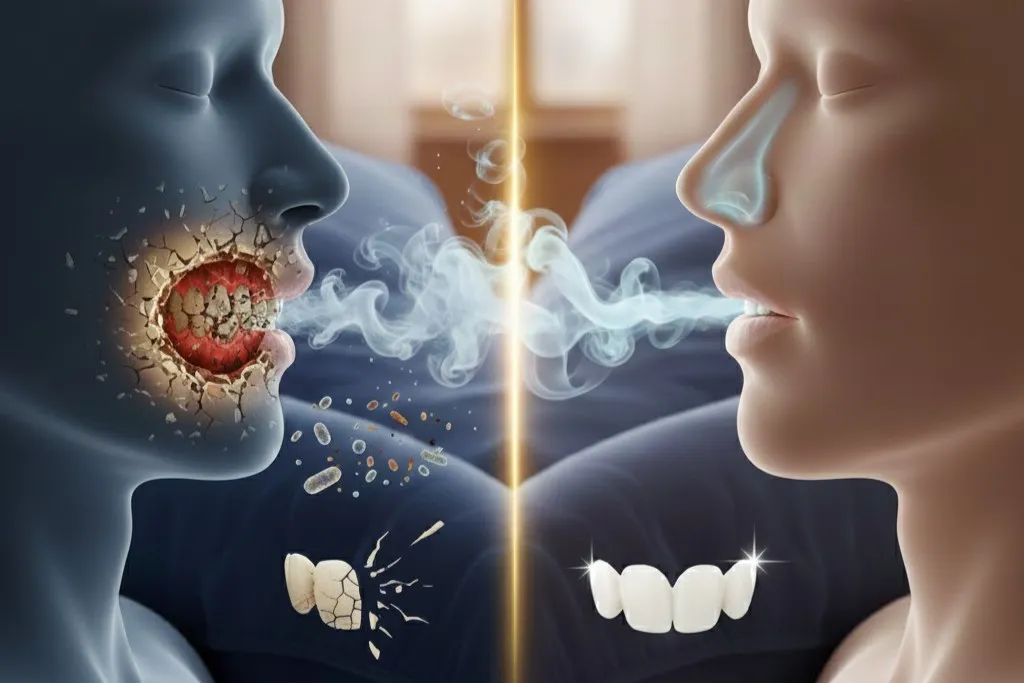
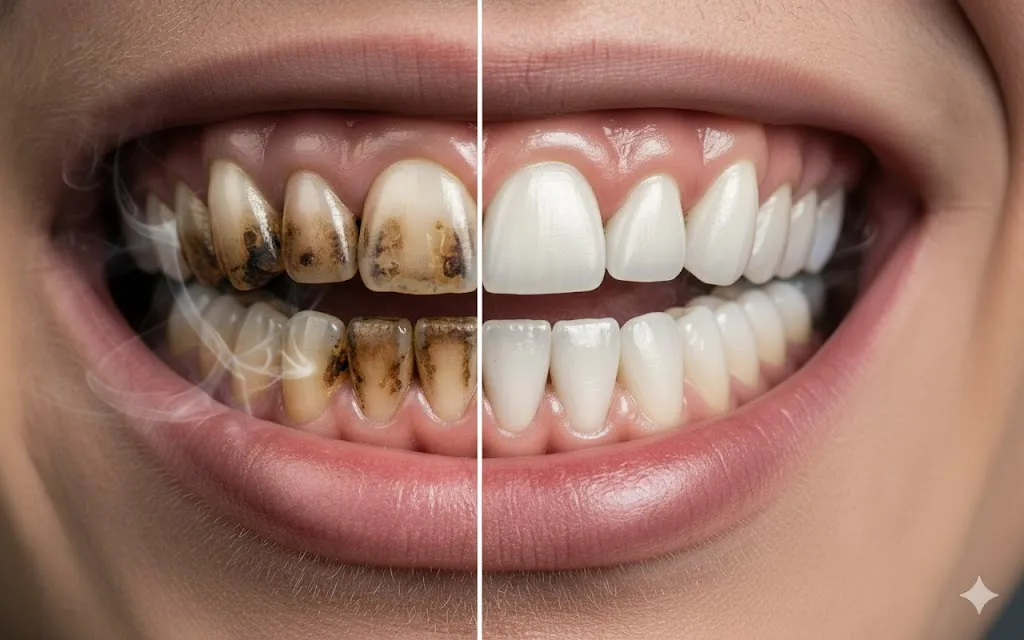
Smoking doesn't just make teeth yellow, it directly affects gum health and the durability of cosmetic treatments. Decreased gum blood flow, increased inflammation, slow tissue repair and rapid return of discoloration are the most important consequences of smoking. For this reason, checking the condition of the gums before any cosmetic treatment is necessary for smokers.
The most important criteria for choosing the best method
In smokers, the choice of dental cosmetic procedure should be done beyond the initial appearance. Durability, gum health and adaptation to the lifestyle of a smoker play the main role in long-term satisfaction.
-
Method resistance to nicotine-induced discoloration
-
Compatibility with sensitive gums or prone to inflammation
-
Real durability in smoking conditions
-
Possibility of repair or modification in case of damage
-
Preserving the beauty of the smile in the long term
Ceramic laminate for smokers | A luxurious but sensitive choice
Ceramic laminate It is considered one of the most durable methods of dental beauty for smokers, because it has a high resistance to the color change caused by nicotine and makes the appearance of the smile very natural. However, the success of laminate in smokers depends on the health of the gums, the quality of the material and the precise execution. Individuals with controlled smoking and good aftercare usually get the best results from ceramic laminates.
| Benefits of ceramic laminate for smokers | Disadvantages of ceramic laminate for smokers |
|---|---|
| High resistance to discoloration | High sensitivity to gum health |
| Very natural and luxurious look | Higher cost than composite |
| Long lasting if cared for | Requires fully specialized implementation |
| Suitable for correcting the perfect smile design | Not suitable for heavy smoking |
composite veneer for smokers | Advantages, limitations and facts
composite veneer is one of the most used methods of dental beauty for smokers, which is considered a flexible choice due to the speed of implementation, lower cost and the possibility of restoration. However, composite is more susceptible to staining than ceramic laminate and requires periodic care and polishing in smokers. The use of high-quality materials and professional execution can increase the durability and beauty of composite veneer to an acceptable level.
| Benefits of composite veneers for smokers | Disadvantages of composite veneers for smokers |
| Lower cost than ceramic laminate | Possibility of color change in high smoking |
| Possibility of local repair and modification | Requires regular polishing and maintenance |
| do it quickly and without much trimming | Less durable than laminate |
| Suitable for medium to high smoking | More sensitivity to pigments |
Teeth bleaching for smokers | Temporary solution or supplement?
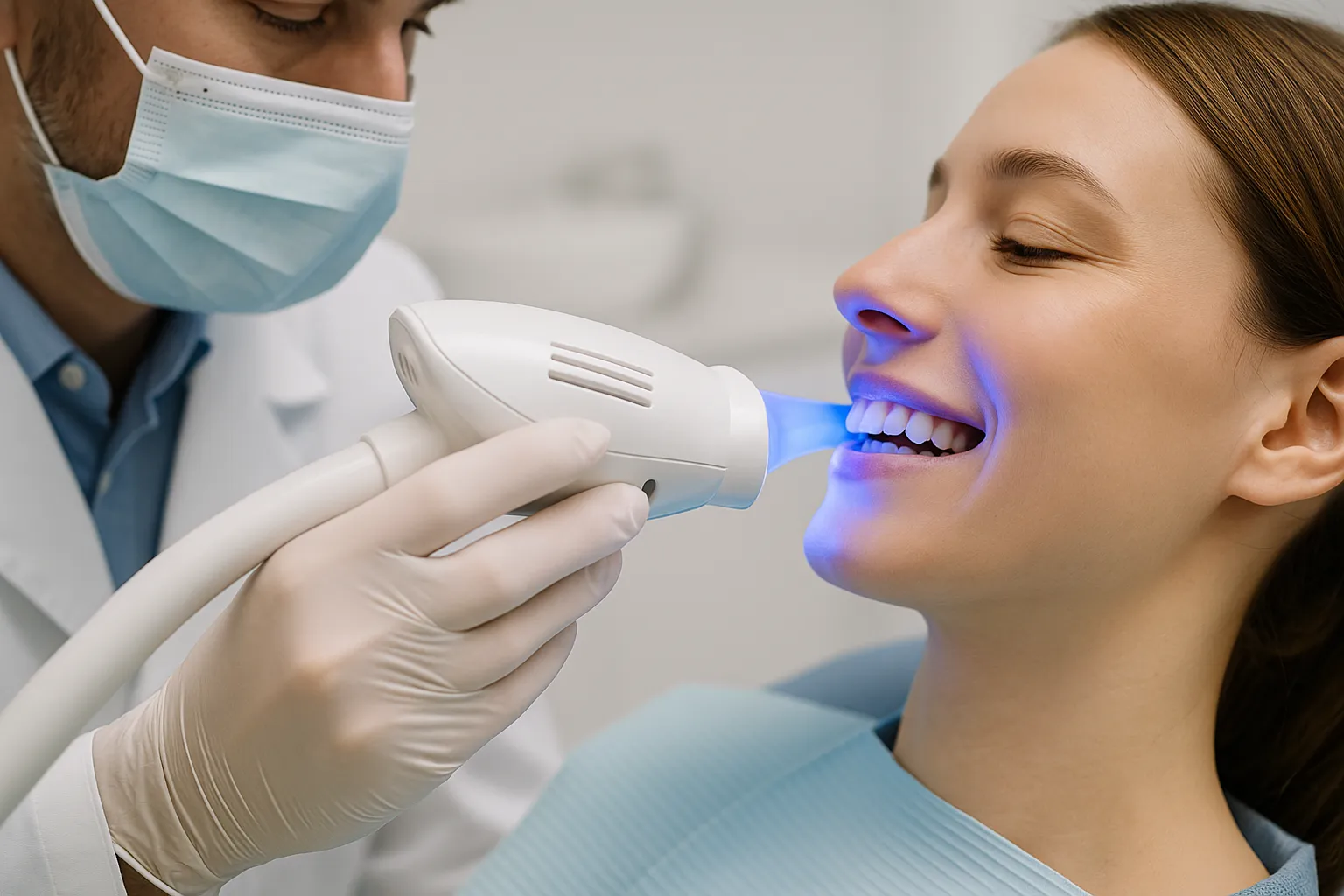
teeth bleaching is a quick way to lighten the color of teeth, but in smokers, the effect is usually temporary. Nicotine and dyes cause the color of the teeth to return to the previous state sooner. However, bleaching can be used as a complementary method before laminate or composite veneer to make the base color of the tooth more uniform and the final result of the cosmetic treatment more natural and harmonious.
| Benefits of teeth bleaching for smokers | Disadvantages of teeth bleaching for smokers |
| Do it quickly and without grinding your teeth | Short duration in smokers |
| Lower cost than restorative methods | Quick return to color change |
| Suitable as complementary therapy | Requires periodic repetition |
| Improving base color before laminate or composite | Not suitable as a permanent solution |
Complete comparison of dental cosmetic procedures for smokers
| Dental beauty method | Durability in smokers | Resistance to discoloration | need care | Suitable for |
| ceramic laminate | very high | very high | Average | People with controlled smoking and healthy gums |
| composite veneer | Average | Medium to low | up | Individuals with higher consumption of cigarettes and the need for restorability |
| teeth bleaching | down | down | up | Temporary or supplementary treatment before laminate and composite |
| specialized summary | Depends on individual circumstances | Depends on the material and execution | depends on lifestyle | The final choice should be made based on the intensity of smoking and the condition of the gums |
Possible damages of dental cosmetic procedures in smokers
For smokers, the durability of cosmetic dental treatments depends above all on choosing the right method and quality of execution. Some treatments are more resistant to the effects of smoking and others require more care. Knowing the difference in durability of each method prevents premature damage.
-
Ceramic laminate: it has the longest shelf life and if the gums are healthy and smoking is controlled, it will maintain its quality and color for years
-
Composite veneer: has medium durability and requires periodic polishing and care to prevent discoloration
-
Teeth bleaching: has a short-term shelf life and is mostly recommended as a temporary or complementary treatment
-
Professional implementation: has a direct role in increasing the treatment life and preventing gingivitis
-
Aftercare: a determining factor in maintaining the final outcome in smokers
How to increase the durability of cosmetic dental treatment in smokers?
The durability of dental cosmetic treatments in smokers is completely dependent on the style of post-treatment care. Even the best materials and the most professional execution will not last long without proper care. Compliance with the following points has a direct role in increasing the life of laminate, composite and bleaching.
-
Reduce or control smoking, especially in the first weeks after treatment
-
Strict care of oral and dental hygiene with a suitable toothbrush, dental floss and mouthwash
-
Periodic scaling and polishing to prevent pigment accumulation
-
Following regular visits to check gum health and cosmetic restorations
-
Paying attention to the specific recommendations of the dentist according to the type of treatment
The role of expertise and clinic equipment in the success of cosmetic treatment for smokers
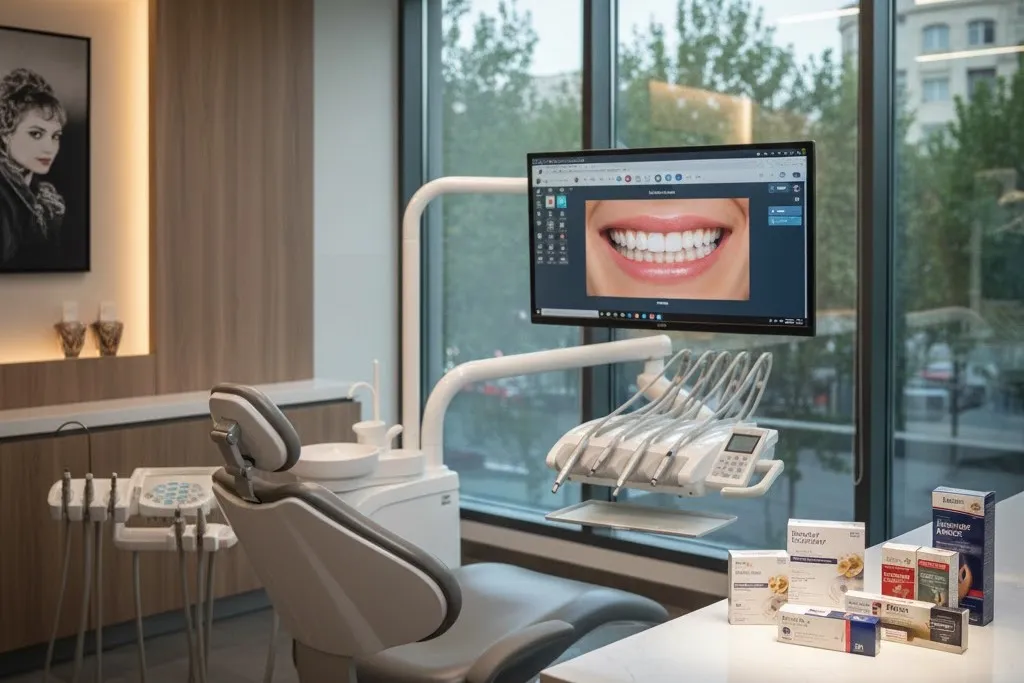
Dental office of Dr. Hooman Molavi located in Elaheh, Tehran (Fereshte), as one of the specialized cosmetic and restorative dentistry centers, offers its services based on accurate diagnosis, exclusive treatment plan and completely professional implementation. In this center, ceramic laminate, composite veneer and smile design treatments are performed using the most advanced dental equipment in the world and the most reliable brands of restorative materials. The clinic's main focus is on creating a natural, long-lasting smile that suits each person's condition, and clients can see a sample of the results of the treatments and make a decision with confidence.
Frequently asked questions of smokers about dental beauty
Can smokers do ceramic laminate?
- Yes, but provided that smoking is controlled and gums are healthy. Specialized examination before treatment has a decisive role.
Composite veneer is a better choice for smokers or laminate?
How long does teeth bleaching last for smokers?
How long should you not smoke after laminate or composite?
Is it possible to change the color of cosmetic treatments in smokers?
- In many cases yes. Polishing, local repair or specialized correction can remove the discoloration to a great extent.
Conclusion
Dental beauty is quite possible for smokers, provided they make a conscious choice. The right method, professional execution and proper care can create a natural and lasting smile. The role of a specialist doctor and an accredited center is decisive in this direction.