Steps of denervation of teeth From diagnosis to final restoration

Dr. Sajjad Zafari
سنندجdentist
Steps of tooth denervation; From diagnosis to final restoration
Category: tutorialNo comments on the steps of denervation teeth; From diagnosis to final restoration Published on November 4, 1404 Last update: November 6, 1404 is However, the fear of pain or insufficient information makes many patients refuse to visit and as a result, instead of timely treatment, they face more serious complications such as tooth loss or the spread of infection in the mouth and jaw.What is the purpose of denervation?
Dental denervation or root canal treatment by removing the inflamed or infected pulp quickly relieves pain and prevents the spread of infection to the surrounding tissues and jawbone. This treatment preserves the natural structure of the tooth and eliminates the need for tooth extraction, thus preventing displacement of adjacent teeth and bone loss in the area.
Following the success of root canal treatment, the tooth is able to restore chewing function and beauty by installing a veneer or permanent restoration, and the lifespan of the tooth is maintained. Timely selection of denervation, along with correct technique and post-treatment care, provides the best chance for a stable result and no recurrence of infection.
By following some recommendations and care, it can reduce pain. After denervation of the tooth In the following, we have explained to you how to reduce pain after denervation.
Steps and methods of tooth extraction
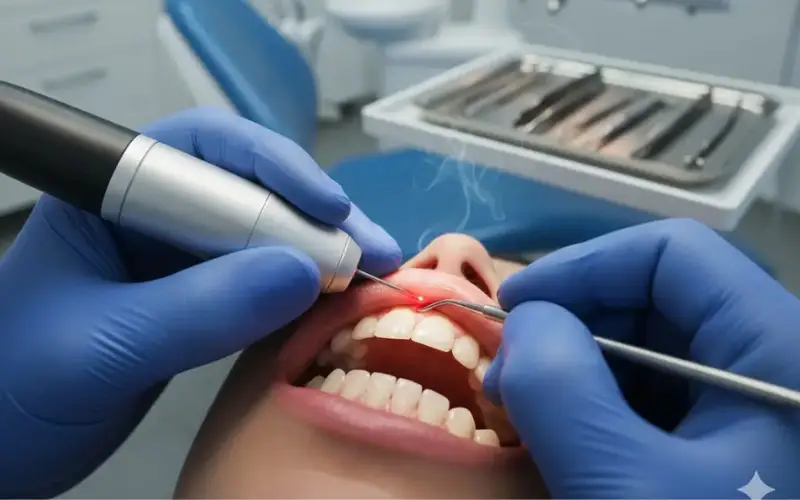
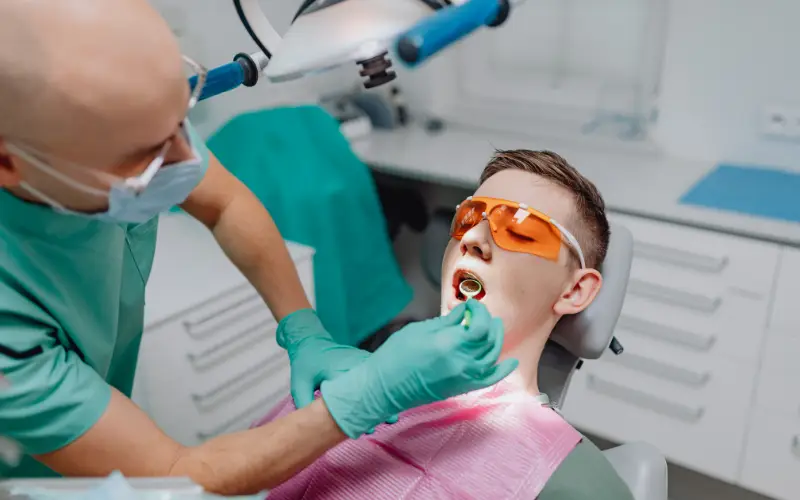
Nerve removal is performed on the infected or inflamed tooth pulp to control pain and infection and save the tooth. In the following, we will discuss the steps of denervation of teeth:
-
Preparation and anesthesia
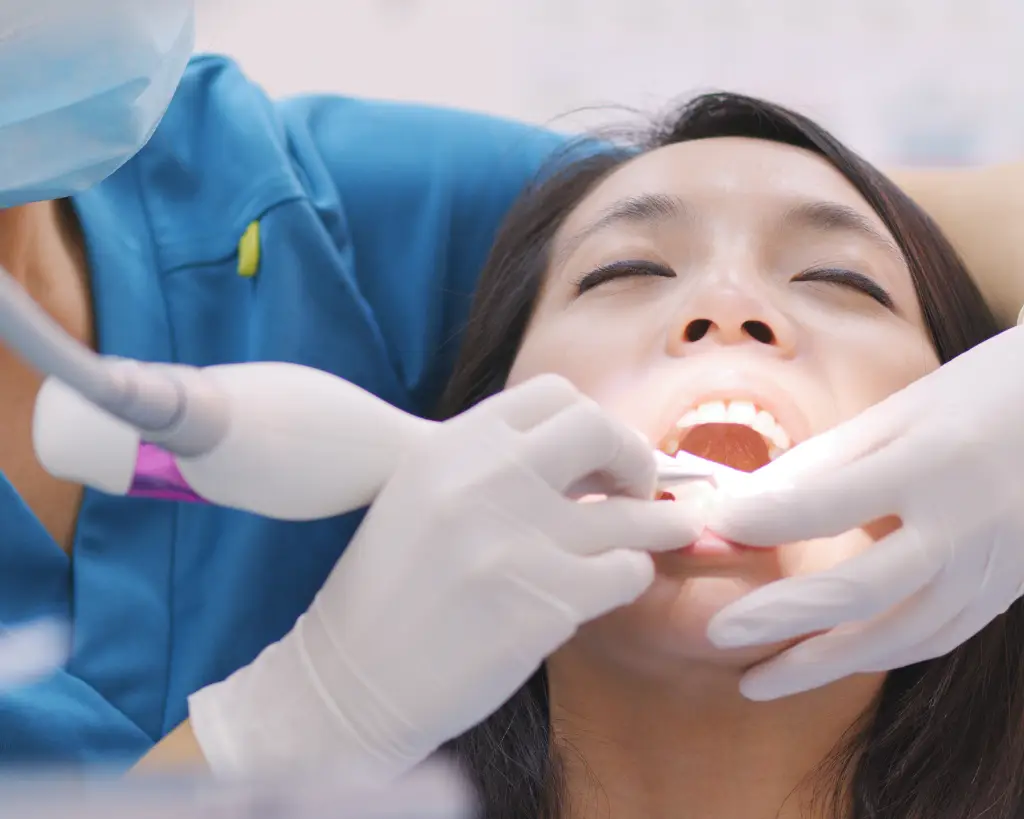
The first step of tooth extraction is that the doctor numbs the area with local anesthesia so that the patient does not feel pain.

-
Insulation (isolation)
Using rubber tail (sepran) or other methods to prevent contamination and saliva entering the canal.
-
Create channel access
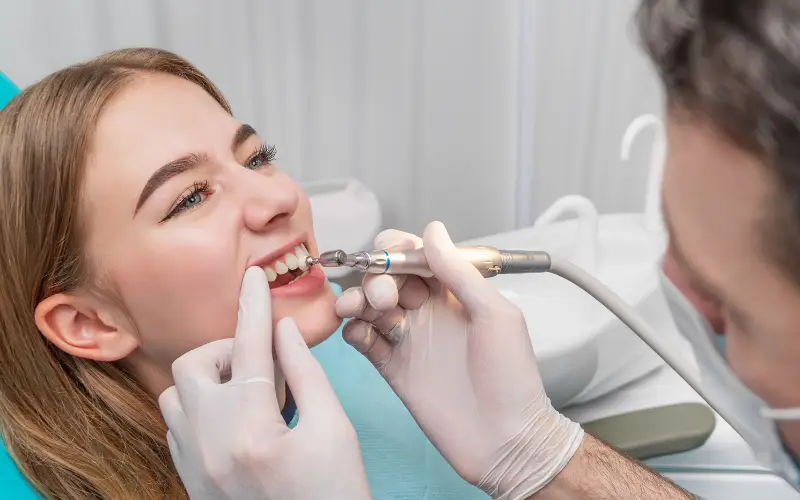
With a drill, a hole is created in the crown of the tooth so that the canals are accessible.
-
Pulp removal and canal cleaning
Infected pulp is removed with manual and rotary instruments and the canals are washed with disinfectant solutions.
-
Determining and measuring channel length
Canal length is determined with apex locator instruments or devices so that filling is done completely to the root apex.
-
Channel shaping
Channels are formatted with files so they are ready to fill.
-
Temporary or permanent channel filling
Canals are filled with gutta-percha and sealer; If necessary, temporary filling is done first and the next session is permanent filling.
-
Final restoration of dental crown
And the last step of denervation of the tooth, after the end of the canal, the tooth is usually strengthened with a filling restoration or veneer (crown) to provide full strength and protection.
Reasons of tooth denervation
-
Deep decay
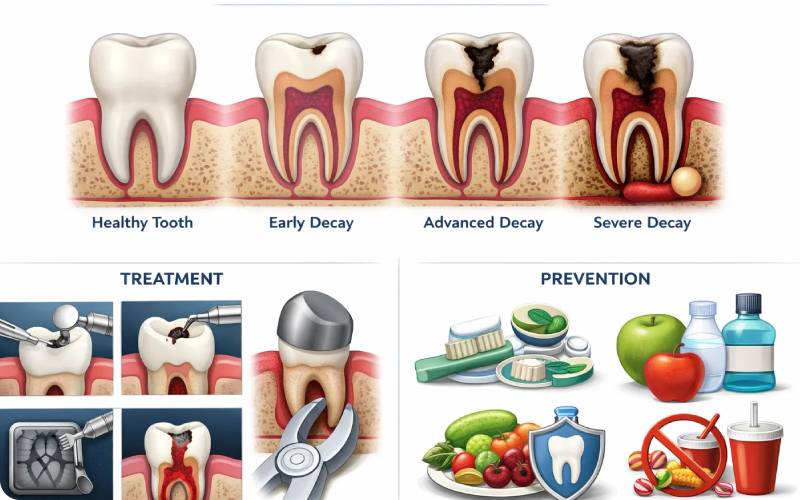
The decay that reached the pulp (dental nerve) and caused its inflammation or infection.
-
Crack or broken tooth
A fracture that exposes the pulp to bacteria or damage and causes inflammation or necrosis.

-
shock or trauma
Strong blow to the tooth that disturbs the blood flow or nerves of the pulp and leads to the death of the pulp tissue or inflammation.
-
Infection or root abscess
The spread of bacteria into the root canal that causes abscess formation, severe pain or swelling.
-
Previous deep or multiple repair
Removing too much material from the crown or doing frequent repairs that make the pulp sensitive or vulnerable.
-
Necrotic pulp tissue (nerve death)
When the pulp is not alive, but there is chronic infection or inflammation and it needs cleaning and filling the canal.

Important care after tooth extraction
With compliance Care after tooth extraction can prevent deterioration and infection. Avoid chewing with the treated tooth until the numbness is gone, take prescribed painkillers as prescribed, continue flossing and gently brushing around the area every 24 hours, avoid eating hard and sticky foods, and see a dentist immediately in case of swelling, fever, or severe pain; It is also necessary to follow up on the final filling or placing the veneer so that the tooth structure is strengthened and the result of the root canal treatment is stable.
The best dentist office in Sanandaj Dr. Sajjad Zafari
Dr. Sajjad Tofari, the best root canal clinic in Sanandaj, with expertise in endodontics, modern equipment, pain-free methods and regular appointments, is a safe choice for root canal treatment and final restorations; If you are looking for "dental nerve extraction in Sanandaj" or "Sanandaj root canal treatment specialist", clinical experience, advanced facilities and patient satisfaction in his office will guarantee you a stable and painless result. Also, Dr. Sajjad Zafari is one of The best Dental laminate offices in Sanandaj have been able to get the satisfaction of all clients.
Share Write your comment Cancel reply More Read
Dental implant damage | Reasons, symptoms and specialized solutions
Dental implant is one of the most stable methods of tooth replacement; According to the American Association of Oral, Maxillofacial Surgeons, the success of this method is reported to be more than 95%. However, there is a possibility of problems or failure of the implant in some cases. In the following, we will discuss the damage of the dental implant. Effective factors and [...]

How are dental implants? Zero to one hundred implant steps
How are dental implants performed? In the following, we have discussed this topic a lot, which we have explained to you dear ones. What is an implant? A dental implant is a metal base (usually made of titanium) that is inserted into the jawbone to replace the root of a missing tooth. After some time the implant with [...]
Recommendations after teeth scaling | Mistakes that threaten dental health
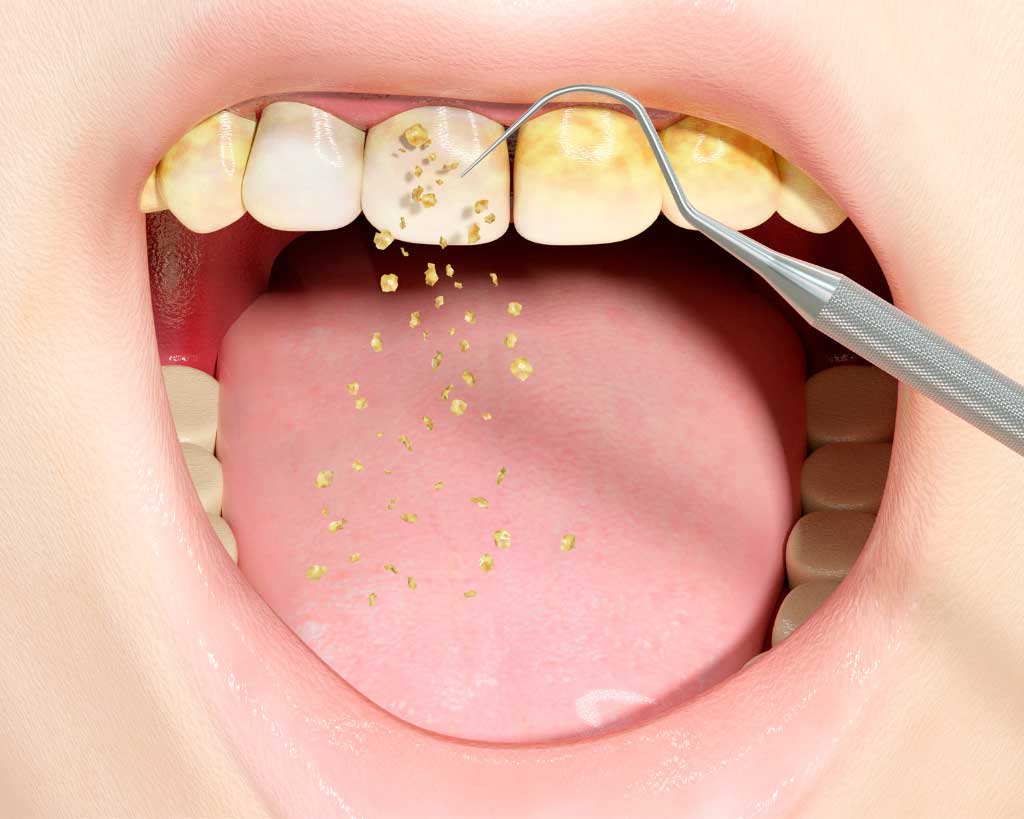
After scaling, it is very important to follow the care and recommendations after scaling. A few simple but important tips can help reduce sensitivity, prevent gingivitis and maintain treatment results. The purpose of dental scaling is a therapeutic method for specialized cleaning of crown surfaces [...]

Is there an implant without pain and bleeding? A detailed review of flapless implant surgery
✅ Painless implant ✅ No bleeding implant ✅ Implant without surgery Advertisements that have become popular today and have caught the minds of all dental center visitors ❌ Do not be fooled by these advertisements ❌ Do not be fooled by these advertisements Implant surgery without flaps and without bleeding are usually used nowadays as implants [...]