Stem cells - Dr. Morteza Tabatabai

Dr. Seyed Morteza Tabatabai
تهرانPhysical medicine and rehabilitation specialist
Injection of stem cells, as one of the modern methods of regenerative medicine, has the ability to regenerate damaged tissues and improve the function of organs. This method has been used in the treatment of various diseases and can replace or supplement traditional methods.
What are stem cells?
Stem cells are a type of cells that potentially have the ability of self-renewal and differentiation.
In the sense that they can divide many times and reproduce like themselves, and have the ability to become different specialized cells of the body - such as blood, nerve, muscle or bone cells - (source).
In humans, stem cells are found in the embryonic period (Pluripotent Stem Cells), which means these cells can become almost any type of cell in the body (source).
In addition, the adult body also contains stem cells, which are usually found in tissues such as bone marrow, fat tissue, or other organs (source).
These cells are multipotent; That is, they have the ability to become a few limited types of cells of the same tissue or nearby tissues and play an important role in the repair and maintenance of tissues throughout life (source).
For this reason, stem cells are sometimes called the body's master cells, because they are the basis and origin of all types of specialized cells and provide the possibility of tissue repair and regeneration, especially after injury or disease (source). 400;">
What is meant by stem cell injection?
Where do stem cells come from?
Stem cells are obtained from several main sources in the human body or in the early stages of fetal development. Each source has different characteristics, differentiating ability and therapeutic applications. The three main sources include embryonic stem cells, adult stem cells, and reprogrammed cells.
embryonic stem cells
Embryonic stem cells are obtained from an embryo that is in the very early stage of development, i.e. 3 to 5 days old or the blastocyst stage.
These cells are pluripotent; That is, they can become almost all types of cells in the body, including nerve, blood, heart or bone cells.
For this reason, in terms of regeneration and differentiation ability, they are considered the most widespread and powerful type of stem cell (source).
mature stem cells
Adult/Somatic Stem Cells are present in the body of adults and their main role is to repair and regenerate tissues throughout life.
These cells are usually found in tissues such as bone marrow, peripheral blood, fat tissue and cord blood.
Mature stem cells are usually multipotent; That is, they can only become several types of cells related to the same tissue. For example, bone marrow stem cells mainly produce blood cells (source).
returning the cells to their original state
Using genetic engineering technology, scientists can restore normal body cells such as skin cells to their original state. These cells are called induced pluripotent stem cells (iPSCs).
These cells are very similar to embryonic stem cells in terms of their ability to differentiate and can become different types of cells in the body, without the need for an embryonic source.
They are considered one of the most important advances in cell science, because they allow the production of stem cells compatible with the patient's own body (source).
Types of stem cells used in treatment
Stem cells have been widely used in regenerative medicine due to their unique ability to regenerate and become specialized cells. In the following, the most important types of stem cells used in treatment are introduced.
Mesenchymal stem cells
Mesenchymal stem cells (MSCs) are among the most common types used in musculoskeletal treatments and soft tissue repair.
These cells are usually extracted from bone marrow, fat tissue or umbilical cord and have the ability to become cartilage, bone and connective tissue cells.
These cells are used in many non-surgical treatments due to reducing inflammation, supporting tissue repair and high immunity.
Hematopoietic stem cells
These types of stem cells are mainly found in the bone marrow, peripheral blood and umbilical cord blood and are responsible for the production of blood cells in the body.
They are mostly used in the treatment of blood diseases such as leukemia, lymphoma, thalassemia and some immune system disorders. Transplantation of hematopoietic stem cells (HSCs) is one of the most well-known and oldest methods of cell-based therapy.
Induced pluripotent stem cells
These cells are produced through the reprogramming of normal body cells, such as skin cells, into a stem state, and they are very similar to embryonic stem cells in terms of their ability to differentiate.
These cells (iPSCs) can turn into almost any type of cell and are used in therapeutic research, disease modeling, and even drug development. Their main advantage is that they are prepared from the patient's own cells and reduce the risk of immune rejection.
embryonic stem cells
These cells are obtained from the early embryo (blastocyst stage) and are one of the most powerful types of stem cells.
Embryonic stem cells (ESCs) are very powerful and have the possibility to become all body cells.
Despite their very high ability, their clinical application is more limited and they are mostly used in laboratory research and the study of complex diseases.
For what diseases is stem cell injection used?
Depending on the type of disease, different cells such as mesenchymal stem cells, hematopoietic or induced pluripotent cells are used to facilitate tissue repair or reduce inflammation.
blood diseases and blood cancers
Hematopoietic stem cells are used to treat blood diseases such as leukemia, lymphoma and thalassemia. In this method, healthy stem cells replace unhealthy cells and the production of healthy blood cells resumes (source).
Neurological and degenerative diseases
Injection of stem cells in some neurological diseases such as Parkinson's, multiple sclerosis (MS) and nerve damage helps to regenerate nerve cells and reduce inflammation of the nervous system (source).
cardiovascular diseases
In patients with heart attack or heart failure, cell therapy can help regenerate heart tissue, improve function and reduce damage. Mesenchymal or pluripotent stem cells are often used for this purpose (source).
musculoskeletal problems
Mesenchymal stem cells (MSCs) are used for joint arthrosis, tendon or ligament damage, cartilage problems and refractory fractures. These cells help to regenerate soft tissue and cartilage and accelerate the movement recovery process (source).
metabolic and endocrine diseases
In some studies, stem cells have been used to treat type 1 diabetes and damage to insulin-producing cells. These cells can help regenerate islets and restore insulin production (source).
kidney diseases and tissue damage
Cell therapy may also be effective in kidney injuries, skin scars, and the repair of cartilage or bone tissues and help restore the structure and function of tissues (source).
Use of stem cells in physical medicine
While new stem cell therapies are constantly being developed, their use in orthopedics has shown promise.
Many of the most effective and advanced orthopedic treatments include cell therapy, which can help reduce pain and recovery time, increase mobility and flexibility, and most importantly, may eliminate the need for drugs and invasive surgeries such as joint replacement.
Patients who refer to an orthopedic surgeon for cell therapy benefit from the best benefits.
First, they benefit from specialized orthopedic knowledge. Orthopedic surgeons specialize in the diagnosis and treatment of injuries and diseases that affect the musculoskeletal system—including bones, joints, ligaments, tendons, nerves, and connective tissues.
Second, stem cell therapies offer broad advantages over many orthopedic surgery options. These benefits include the following:
- The possibility of eliminating the need for surgery, which consequently prevents the problems and risks of treatment after surgery.
- Stem cells stimulate the natural healing response by using the patient's own cells, and there is no need for implants or artificial substitutes.
- Treating conditions that are often considered too extensive to repair, such as degenerative disc disease or osteoarthritis.
- Most patients who undergo stem cell therapy report significant improvement within just one to two days, and some experience complete repair of damaged ligaments, tendons, and cartilage within about 28 days.
Stem cell treatments are customized according to the individual needs of each patient and according to the nature and severity of the injury.
Most people undergo chemotherapy for the following purposes:
- help to regenerate the needed cartilage cells
- reducing inflammation in joints and soft tissues
- Slow down cartilage erosion
- pain reduction
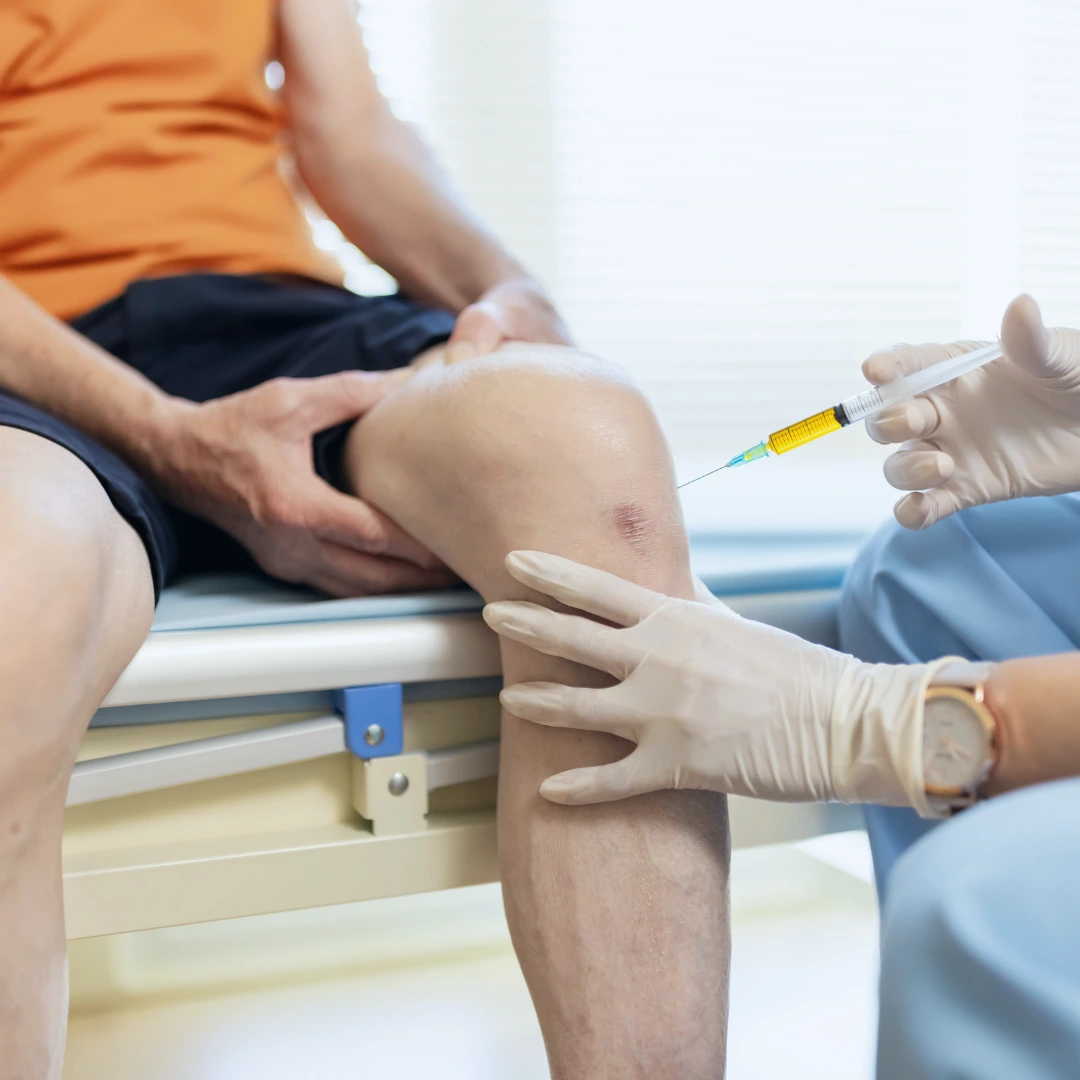
Injection of stem cells for knee arthritis
Injecting stem cells into the knee joint can accelerate the process of repairing damaged cartilage, reduce joint inflammation and significantly reduce the pain caused by arthritis.
This method helps increase joint movement, and many patients report improved function and reduced need for pain medication after a few weeks.
Treatment of back pain and injuries with stem cells
In the back and spine, stem cells can play a role in the regeneration of damaged discs and tissues. This treatment is usually used for degenerative disc, chronic back pain and ligament injuries and reduces inflammation, strengthens tissue and increases flexibility.
Repairing the hip joint with stem cell injection
Cell therapy of the hip joint can help regenerate joint cartilage and reduce pain caused by arthritis or chronic injuries.
This method is especially useful for patients who do not want joint replacement surgery or do not yet need surgery immediately. By injecting stem cells, joint function and range of motion are improved and inflammation is reduced.
cell therapy for shoulder and rotator cuff injuries
Shoulder and especially rotator cuff injuries can limit movement and cause severe pain. Stem cells speed up healing by stimulating the natural repair of damaged tendons and tissues, and many patients experience reduced pain and increased range of motion after a few weeks.
Treatment of abrasion and inflammation of ankle and heel
Cell therapy can be effective for reducing ankle joint wear and heel inflammation. By reducing inflammation, repairing soft tissues and strengthening cartilage, this method reduces pain and improves mobility and weight bearing.
How does a stem cell work?
Stem cells, with two main features of self-renewal and differentiation, play a key role in tissue repair.
After damage or inflammation, these cells are directed to the site of damage and prepare the local environment for repair by secreting growth factors, cytokines and other bioactive molecules (source).
These molecules reduce inflammation, stimulate the division and survival of cells, increase the formation of new vessels (angiogenesis) and rebuild the extracellular matrix; A process that helps repair damaged tissue (source).
In some conditions, stem cells can directly differentiate and become specialized cells of the same tissue (such as cartilage, bone, nerve or blood cells) and replace the lost cells (source).
Also, some studies have shown that stem cells can also have immune and anti-inflammatory effects, by regulating the immune response and reducing the formation of fibrotic tissues (scars), which itself accelerates repair and preserves tissue function (source).
Benefits of stem cell injection
Injection of stem cells is one of the most innovative methods of regenerative medicine that has the ability to regenerate damaged tissues and reduce pain. This method offers significant advantages compared to traditional surgical or pharmaceutical methods due to its natural and minimally invasive restorative effects.
- Reduce pain and inflammation:Stem cells improve pain by reducing inflammation in joints and damaged tissues.
- Natural repair of tissues: These cells help the natural repair of cartilage, tendon, ligament and other tissues by regenerating damaged cells.
- Substitution of invasive treatments: In some cases, the need for surgery or strong drugs is reduced.
- Improving movement and flexibility: Tissue repair and pain reduction increases the patient's range of motion and comfort in daily activities.
- immune and anti-inflammatory effects: stem cells can regulate the body's immune response and prevent scarring or fibrosis.
- Accelerated recovery: Many patients experience improved function and reduced symptoms in just a few days to a few weeks.
possible side effects of stem cell injection
Although stem cell injection is a minimally invasive and innovative method, like any other medical treatment, it may be associated with some possible complications and risks. Knowing these complications helps patients to make an informed decision for treatment and to take post-injection care seriously.
- Pain and swelling at the injection site: is usually mild and temporary and resolves a few days after the injection.
- Infection: As with any injection or surgery, there is a possibility of infection at the needle insertion site, although it is very rare.
- Bleeding and bruising: may occur at the injection site and subside within a few days.
- Immune reaction or local inflammation: Some patients may experience temporary inflammation or sensitivity at the injection site.
- Lack of effectiveness or insufficient response: Depending on the type of injury, the severity of the disease and the quality of the stem cells, the treatment result may be less than expected.
- Risks associated with the cell extraction procedure: If the cells are taken from the patient's own bone marrow or fat tissue, the extraction process can be accompanied by pain or temporary discomfort.
- Rare long-term side effects: include abnormal cell growth or unwanted tissue formation (in very rare cases) that requires medical follow-up.
How is stem cell injection done?
Injection of stem cells includes several main steps that vary depending on the type of disease and the source of the cells. Each step is performed carefully and under the supervision of the medical team to achieve the greatest therapeutic effect and safety.
Preliminary examination and eligibility determination
At this stage, the patient is fully evaluated to determine whether he has the necessary conditions for stem cell injection or not. This examination includes blood tests, medical history and general health assessment (source).
extraction of cells
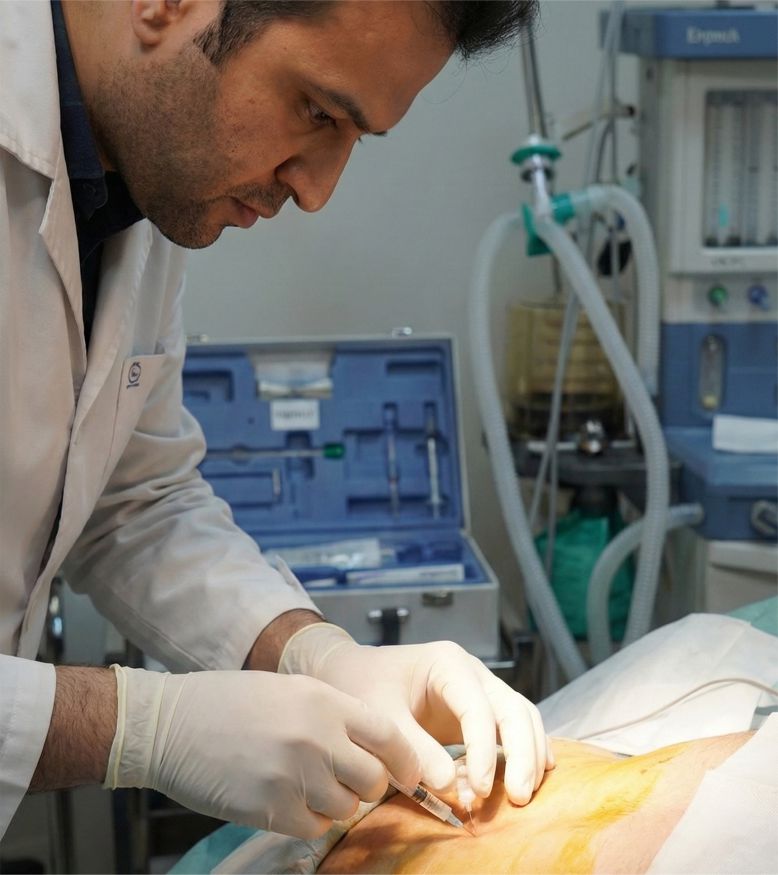
Stem cells are extracted from peripheral blood, bone marrow or cord blood. The peripheral blood method is less invasive and cells are collected with an apheresis machine, while bone marrow requires anesthesia (source).
Cell preparation
After extraction, the cells are purified and concentrated in the laboratory to prepare high-quality stem cells for injection. If needed, cells are frozen and stored until injection (source).
injection or transplantation of cells
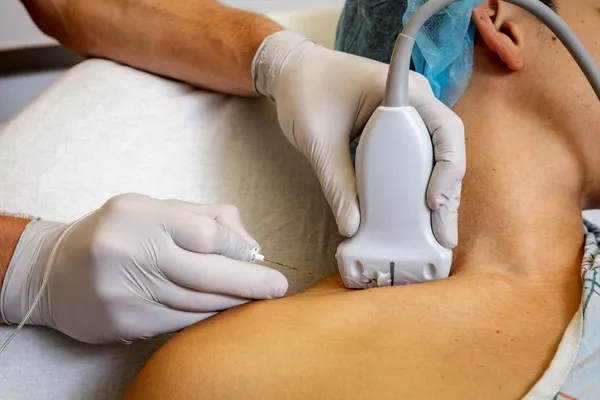
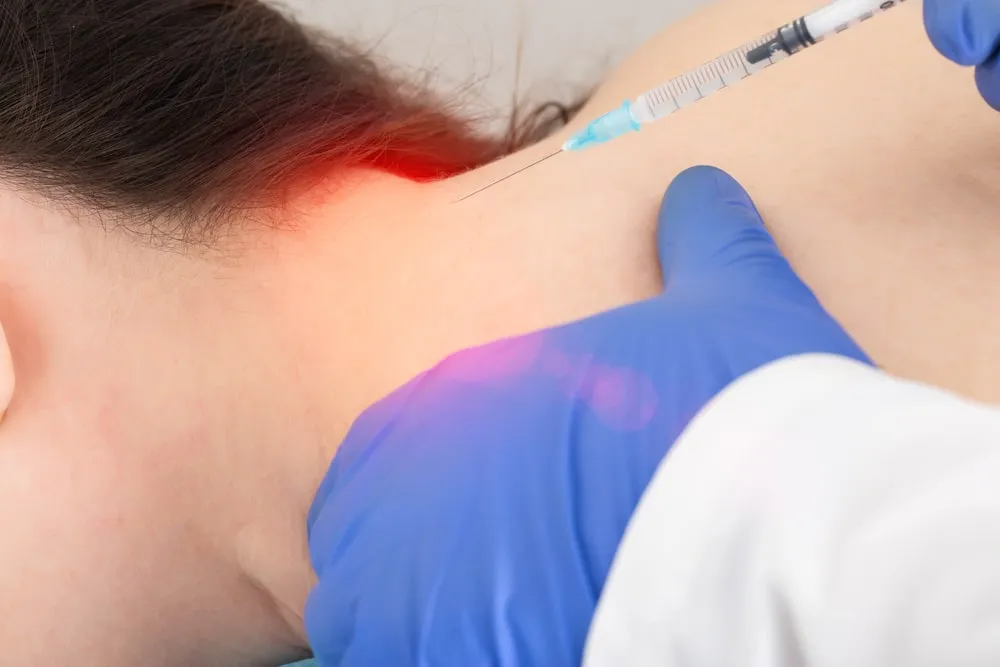
Cells are injected intravenously or directly into the damaged tissue, depending on the type of treatment. In joint and orthopedic treatments, cells are usually delivered to the exact site of injury by ultrasound or fluoroscopy guidance (source).
Texture tracking and reconstruction
After the injection, the stem cells in the body are activated and regenerate the damaged tissues. Patients are under medical supervision and may receive additional care such as physical therapy or supportive medications (source).
Comparison of stem cell injection with traditional joint treatment methods
In the treatment of joint problems, there are various methods that include drug treatments and physical therapy to invasive surgeries such as joint replacement.
These traditional methods mainly focus on reducing symptoms and managing pain, but they often lack the ability to regenerate damaged tissue and may be associated with side effects, a long recovery period, and limited joint movement.
In contrast, the injection of stem cells as a new method in regenerative medicine, its main goal is to restore the joint tissue naturally and reduce inflammation.
Stem cells can directly repair damaged cartilage, tendons, and ligaments and improve joint function in addition to reducing pain.
In general, the main difference between the two methods is the amount of tissue regeneration and how invasive the treatment is: traditional treatments mostly control symptoms, but cell therapy causes joint structural repair and reduces the need for surgery.
To better understand the differences between traditional joint treatment methods and stem cell injections, a comparison table has been prepared.
This table summarizes the advantages, limitations and effects of each method and helps the reader make a quick and accurate comparison.
| property | Traditional methods | Injection of stem cells |
| Treatment goal | pain reduction and symptom control | Reconstruction and restoration of joint tissue |
| Method of treatment | medicine, physiotherapy, surgery | stem cell injection into the damaged joint |
| Invasion rate | from low to high (invasive surgery) | Low to medium invasiveness |
| long term effect | limited; Often only the symptoms are controlled | long term; Improving joint function and tissue repair |
| Improve flexibility and joint movement | Limited | Remarkable, by reducing pain and inflammation |
| The need for medicine and painkillers | often continues | Often reduced or removed |
| Recovery Period | Long, especially after surgery | Shorter, some patients recover within a few weeks |
| Side Effects | Drug side effects, infection and problems after surgery | temporary pain, swelling, rare infection |
What is the success rate of stem cell injection?
The percentage of success of stem cell injection depends on many factors and it is not possible to declare an accurate and universal number for all patients.
However, valid studies show that in patients with joint problems such as knee arthritis, stem cell injections can lead to significant pain reduction and improved joint function.
Based on systematic reviews and clinical articles, approximately 60 to 85% of patients reported significant improvement in joint pain and motion after injection, although the exact results depend on the cell type, injection method, injury severity, and individual patient conditions (source).
Some studies also show that compared to placebo or traditional treatments, the group that received stem cells experienced better joint function and quality of life, but long-term research is still ongoing to determine the full and permanent effectiveness of this treatment (source).
When are the results of the injection visible?
The results of stem cell injection usually do not appear immediately; Stem cell therapy is more of a gradual process of tissue regeneration than an immediate action.
Many patients may feel a reduction in inflammation, swelling, or pain reduction in the first few weeks after injection, but significant improvement in joint function or repair of damaged tissues usually appears within 3 to 6 months. In some cases, the long-term effects - that is, 6 to 12 months - are gradually completed; It is at this time that more structural outcomes such as cartilage, tendon or soft tissue healing are likely to be assessed (source). The durability of the effect of stem cell injection depends a lot on the type of disease, the severity of the injury, the quality of treatment and after care, and it is not possible to give a definite number for all patients. However, studies and reports from reputable centers show that many patients experience improvement in pain and joint function between 6 and 24 months after injection, and in some cases, the treatment effect may last for 2 to 3 years or more (source). If the joint or damaged tissue is truly repaired and the patient follows the necessary care, physical therapy and lifestyle changes such as exercise and weight control, the duration of the treatment effect may be longer (source). In short, the injection of stem cells can have a beneficial effect for several years, but the exact duration depends on the individual conditions of the patient and the type of injury, and there may be a need to repeat the treatment. Care after stem cell injection plays an important role in increasing the effectiveness of treatment and reducing side effects. After the injection, patients usually need to have a few days of relative rest and avoid intense physical activities so that the cells have enough time to settle down and start the regeneration process. Also, using medications prescribed by a doctor to control pain and inflammation and following nutritional recommendations can help speed up the healing process. In many joint and orthopedic treatments, doing physical therapy or light exercises according to the doctor's plan improves the range of motion of the joint and strengthens the surrounding muscles and increases the probability of treatment success. It is also very important to see a doctor regularly to check the progress of the repair and to monitor any abnormal symptoms so that appropriate measures can be taken in time if possible problems occur (source). Suitable candidates for stem cell injection are usually people who have joint problems, tendon, ligament or cartilage injuries and have not responded adequately to traditional treatments. This method is most effective for patients who are in the early to moderate stages of the disease and can help reduce pain, improve joint function, and prevent injury progression. Furthermore, people who are generally healthy and without severe systemic diseases or immune disorders have a higher chance of receiving positive results. Choosing the right candidate should be done by a specialist doctor after a careful review of the medical history, clinical tests and assessment of the severity of the injury to ensure the safety and success of the treatment (source). Stem cell injection is not suitable for all patients and some people should not do this treatment. People with severe systemic disease, blood disorders, active cancer, or serious immune problems are at high risk of side effects or treatment failure. Also, those who have an active infection or are in poor general condition should not be injected. Pregnant or lactating women are also usually prohibited from doing this treatment in order to preserve the health of the mother and the baby. The final decision to perform or not to perform an injection should be made by a specialist doctor after a complete examination of the patient's clinical condition (source). The cost of stem cell injection in Iran depends on many factors and it is not possible to announce a fixed figure for all patients. These costs depend on the type of disease and the location of the injury, the number and type of stem cells used, the complexity of the extraction and injection method, the equipment and technology used, the expertise of the doctor and the treatment center, as well as the need for post-injection care. In addition, some patients may require additional physical therapy sessions or tests, which will affect the final cost. Therefore, determining the exact cost should be done after a complete assessment of the patient's condition and specific treatment plan.How long is the effect of stem cell injection?
care after stem cell injection
Who are suitable candidates for stem cell injection?
Who should not have this injection?
Cost of stem cell injection in Iran