
Skin aging and important tips to prevent skin aging

Dr. Diana Hosseini
MashhadGynecological cancers fellowship, specialist in obstetrics and gynecology
Skin aging is a natural and gradual process that occurs with age. Skin aging is influenced by a combination of genetic, environmental and lifestyle factors.
There are two main types of skin aging:
Intrinsic (or temporal) aging:
This type of aging is largely influenced by genetics and occurs over time due to the natural aging process.
Inherent aging characteristics:
- Skin thinning
- Decreased production of collagen and elastin fibers, which leads to the loss of skin elasticity.
- Decreased fat production, which leads to dry skin.
- Slower cell turnover, and as a result, the healing and renewal process of the skin is slower and the skin is duller.
External aging :
This type of aging is primarily influenced by external factors and lifestyle choices.
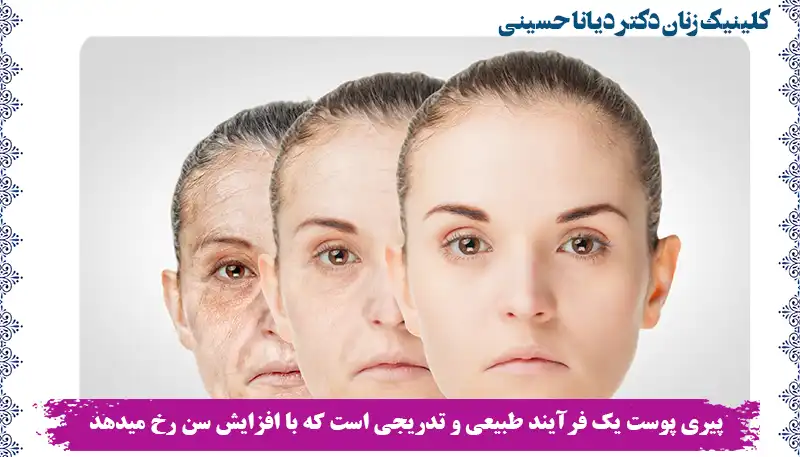
External aging factors:
Exposure to sunlight:
Exposure to sunlight is one of the most important factors in premature aging. Ultraviolet (UV) radiation The sun damages collagen fibers, leading to wrinkles, fine lines and blemishes. It is getting old.
Smoking:
Tobacco smoke contains harmful chemicals that accelerate aging by reducing blood flow in the skin and reducing oxygen and nutrients. (about Effect of smoking on genital warts Read)
Diet:
Improper nutrition can lead to premature aging. proper nutrition and a diet rich in sugar and processed foods can help break down collagen and elastin fibers. Also, using nutritional supplements such as phyto can be effective in maintaining skin health.
Environmental toxins:
Exposure to pollutants such as smog and chemicals can accelerate skin aging.
Stress:
Chronic stress is effective in causing premature aging due to increased production of stress hormones that can break down collagen.
Alcohol consumption:
High alcohol consumption can lead to dehydration and inflammation, which causes premature aging of the skin.
Common signs of skin aging:
Wrinkles and fine lines:
These wrinkles form on the skin, especially in areas that are exposed to sunlight.
Skin sagging:
Loss of elasticity leads to sagging, especially around the jawline and neck.
Age spots (hyperpigmentation):
Dark spots that often appear on the skin due to exposure to sunlight.
Dry skin:
The skin becomes dry and scaly with the reduction of fat production.
Skin thinning:
The epidermis (the outer layer of the skin) thins and makes the skin more fragile and prone to damage.
Loss of skin volume:
Loss of subcutaneous fat can lead to hollow cheeks and hollow eyes.
Prevention and treatment of skin aging:
Sun protection:
Daily use sun cream with high SPF along with protective clothing and accessories can help prevent aging caused by the sun.
Healthy lifestyle:
Eat a balanced diet, stay hydrated, exercise regularly and avoid Smoking and high consumption of alcohol can help skin health.
Skin care routine:
Using quality skin care products that include ingredients such as retinoids, antioxidants, and moisturizers can help maintain healthy skin.
Medical interventions:
Methods such as chemical peeling, microderm, cosmetic laser therapy and injections can be used to address specific concerns of aging.
Remember, while these tips can help slow down the aging process, aging is a natural part of life and it's important to embrace it gracefully.





