
Introduction and examination of the most common sexually transmitted diseases
Sexual diseases are called STD or STI. These diseases are usually transmitted from one person to another through sexual relations.
The way of transmission can be through oral, vaginal or anal sex. In order to reduce the risk of contracting these diseases, it is recommended to first have sex within the framework of the family and to pay attention to safety and health points during sex.
This is more important for those people who have high-risk and multiple sexual relationships. For this reason, it is highly recommended to use a condom.
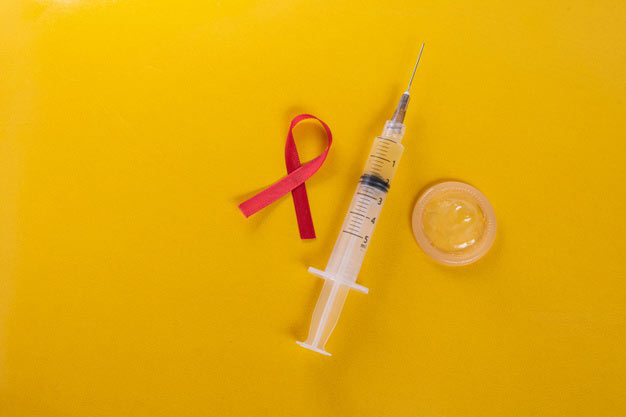
STD diseases are transmitted both through sex with an infected person and through blood. This means that these diseases, depending on their type, can also be transmitted through contaminated needles, such as the use of a common syringe in injection drug addicts, or the contamination of the treatment staff during surgery.
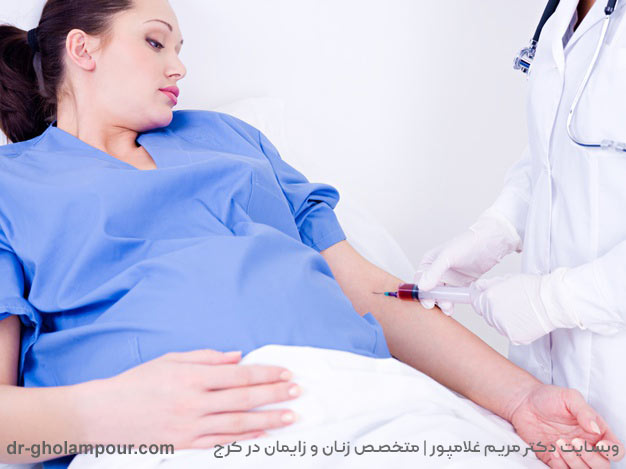
It is also possible to transmit this disease from mother to baby during pregnancy or through blood transfusion.
Diseases that do not show specific symptoms in India
Some types of sexual diseases do not always appear with specific symptoms.
HIV or AIDS, chlamydia, genital herpes (genital herpes),
Their early diagnosis will have a significant impact on treatment. In some cases, the severity of the disease is such that the patient will face serious complications.
Symptoms of sexually transmitted diseases in men
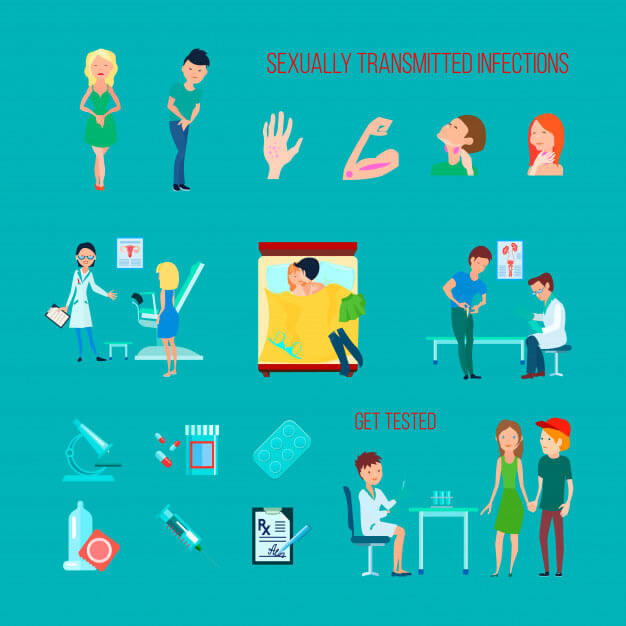
Symptoms of sexually transmitted diseases are different from each other, but in general, the following symptoms can be mentioned:
- pain and discomfort during intercourse
- Pain and discomfort during urination
- The presence of sores, bumps or skin rashes in the genital area, anus, buttocks, mouth, testicles and thighs.
- Existence of unusual discharge or bleeding from the penis
- feeling of pain in the testicles with their swelling
Symptoms of sexually transmitted diseases in women
Symptoms of sexual diseases in women include the following:
- pain and discomfort during sexual intercourse and during urination
- Abnormal discharge and bleeding from the vagina
- Feeling of itching and burning in the genital area
- wound or skin lesion

Types of sexually transmitted diseases
gonorrhea
Gonorrhea has been introduced as one of the sexually transmitted diseases. This disease will affect both men and women. The bacteria of this infection grows and multiplies in the urethra, rectum, throat and cervix.
Symptoms of gonorrhea in men
- painful urination
- presence of purulent secretions from the penis
- pain and swelling in the testicle
Symptoms of gonorrhea in women
- Increased vaginal secretions
- painful urination
- Abnormal vaginal bleeding between two menstrual cycles or after intercourse
- presence of pain in the abdomen and pelvis
Gonorrhea transmission routes
This disease will be transmitted through oral, anal and vaginal sex. Also, the infected mother can transmit the disease to the baby.
The effect of gonorrhea in other parts of the body
Gonorrhea can also involve the rectum and cause itching and purulent secretions from the rectum. The patient may also experience bleeding from the anus.
This disease also affects the eyes and will lead to purulent secretions and pain in them.
Throat infection and swelling of the neck lymph nodes are also expected with the occurrence of this disease.
Chlamydia
Among other types of sexual diseases, we can mention chlamydia, which is caused by a type of bacteria. Many people with this disease will not experience any symptoms. Among its most common symptoms in men and women, the following can be mentioned:
- pain and discomfort during intercourse and urination
- The presence of green or yellow secretions from the penis of men and vagina in women
- pain in lower abdomen
In cases where the disease is not treated, the occurrence of the following complications is not far off:
- infection of the urinary tract, testicles and prostate
- incidence of pelvic inflammatory diseases
- Infertility
There is a transmission of this disease during pregnancy from mother to fetus. In this case, the baby will be exposed to the following diseases:
- eye infection
- blindness
- pneumonia
Chlamydia transmission ways
oral, anal and vaginal intercourse

Syphilis
This wound is painless and the patient will not feel anything. If this disease is not treated properly, it will cause damage to other parts of the body such as the heart and brain.
This disease will be transmitted to the fetus through an infected mother. The manifestations of this sexually transmitted disease are in several stages, that's why the symptoms can be different in each stage.
But the steps can overlap, and symptoms don't always happen in the same order. You may be infected with syphilis and not see any symptoms for years.
Early symptoms of syphilis
Canker sores usually develop about three weeks after the bacteria enter the body. Most people with syphilis will not notice these sores because they are usually painless and may be hidden in the vagina or rectum. Sometimes luck favors the patient and the wound heals by itself within three to six weeks.
Symptoms of secondary syphilis
After a few weeks of the appearance of the wounds of this sexually transmitted disease, the patient will face a skin rash that usually starts from the trunk. As the disease progresses, skin rashes can be seen all over the body. They are not associated with burning or itching.
Other symptoms and complications of this disease include muscle pain, sore throat, swollen lymph nodes, and hair loss. These signs and symptoms may disappear within a few weeks or come and go frequently for up to a year.If the disease is not treated properly at this stage, the person will face latent syphilis. The latent phase can last for years. People infected with syphilis who are not treated, develop complications called late (third) syphilis.
In the final stages, this disease may damage the brain, blood vessels, liver, nerves, eyes, heart, bones and joints. These problems may occur years after the original, untreated infection.
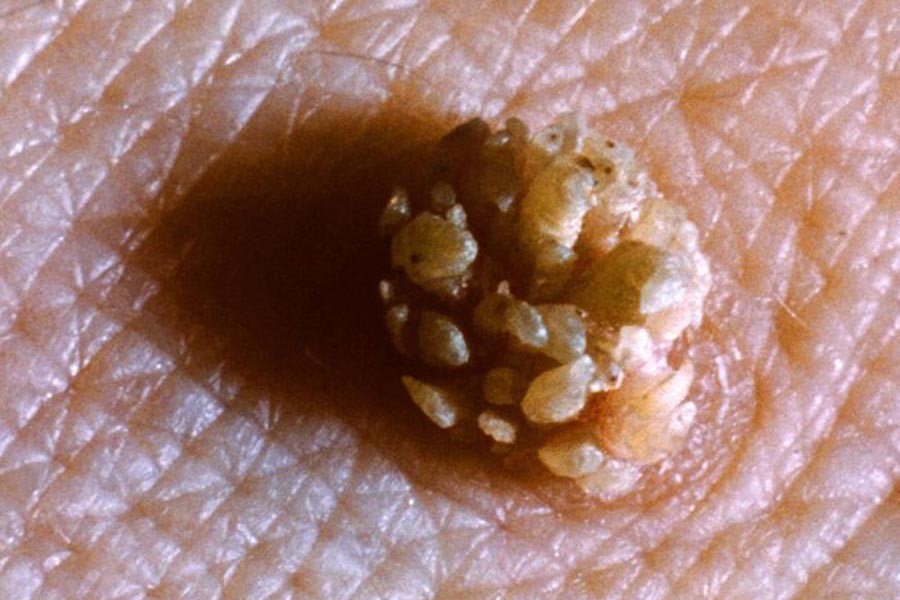
Human papilloma virus HPV or genital warts
The human papilloma virus HPV or genital warts is referred to as one of the most common sexually transmitted diseases. You should know that there are many different types of this virus, which are divided into low-risk and high-risk categories, and only high-risk types of the virus will cause cancer.
More than 100 types of this virus have been identified.
This disease will be transmitted through contact with the skin and mucus of an infected person. Therefore, it should be noted that if there is a genital wart, using a condom cannot prevent transmission. The power of this disease is very contagious. So that if you are in contact with an infected person, there is a 60% chance of contracting it.
There is no known treatment solution for the genital wart virus, but with existing methods, the lesion and its complications are controlled.