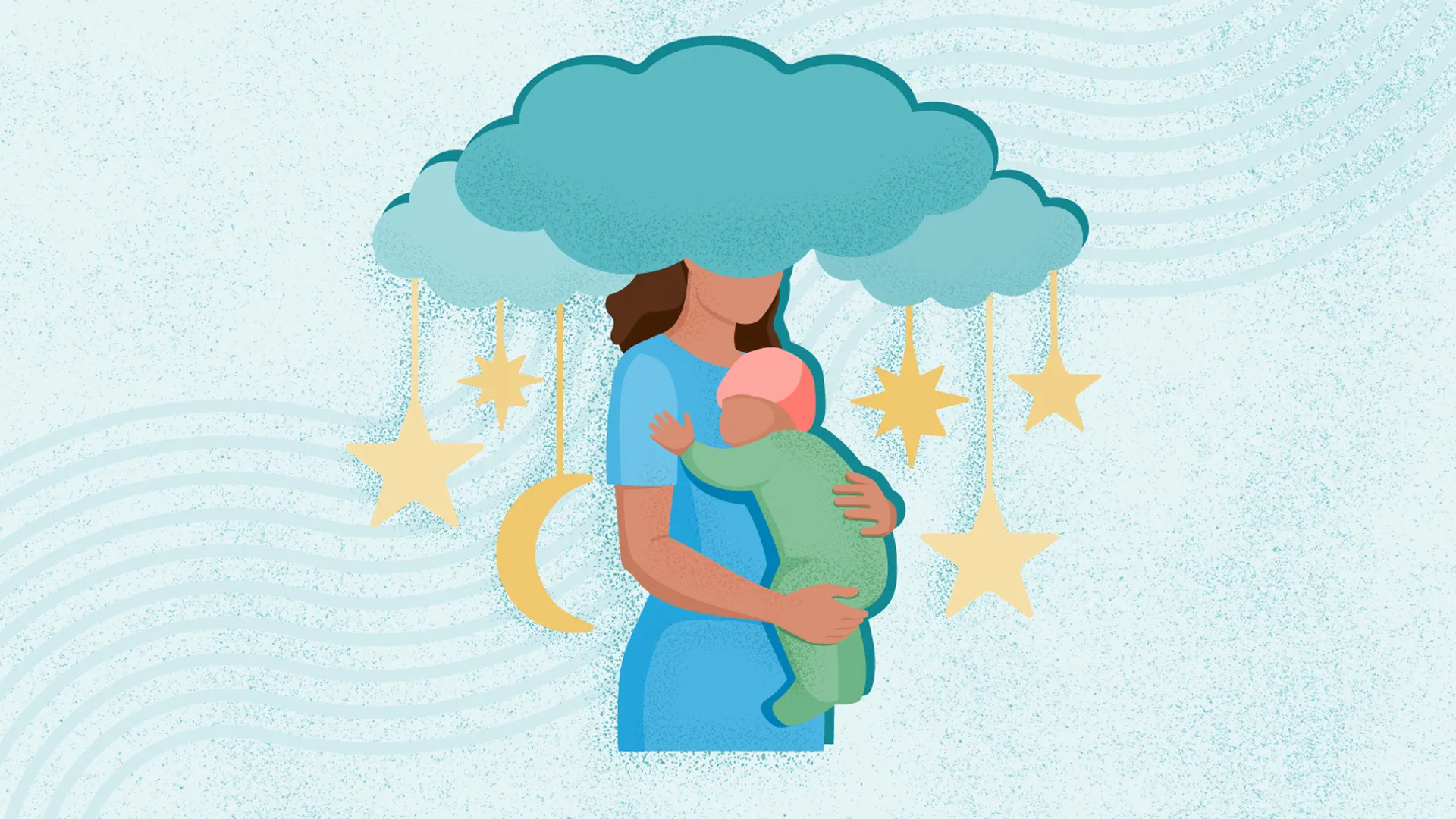

The birth of a baby is one of the most wonderful and at the same time the most challenging events in a mother's life. While society often paints a picture of motherhood as one of absolute joy and constant smiles, the reality can include extreme fatigue, extreme hormonal changes, and mood swings. One of the main concerns of informed mothers and families is the prevention of postpartum depression. This mood disorder can affect the quality of life of the mother and her bond with the baby.
Awareness of ways to prevent postpartum depression is vital not only for the mother, but for the health of the whole family. With a scientific and at the same time practical approach, this article will help you to build a protective shield against this emotional storm by knowing the risk factors and applying effective strategies. Our goal is to provide a detailed plan for health to pass through this era.
Woman Responsibilities in Life Partnership: A Look at Mutual Rights and Responsibilities
The difference between neonatal grief and postpartum depression
Before dealing with the solutions for preventing postpartum depression, we should know the difference between it and newborn grief. Infant grief is a state experienced by up to 80% of mothers; It includes unexplained crying, restlessness, and anxiety that usually lasts a few days to two weeks and resolves on its own. But if these symptoms become more severe, continue for more than two weeks and interfere with daily functioning, we are dealing with postpartum depression (PPD). Our main focus in this article is strategies to prevent natural fluctuations from becoming a serious disorder.
Which mothers are more prone to postpartum depression?
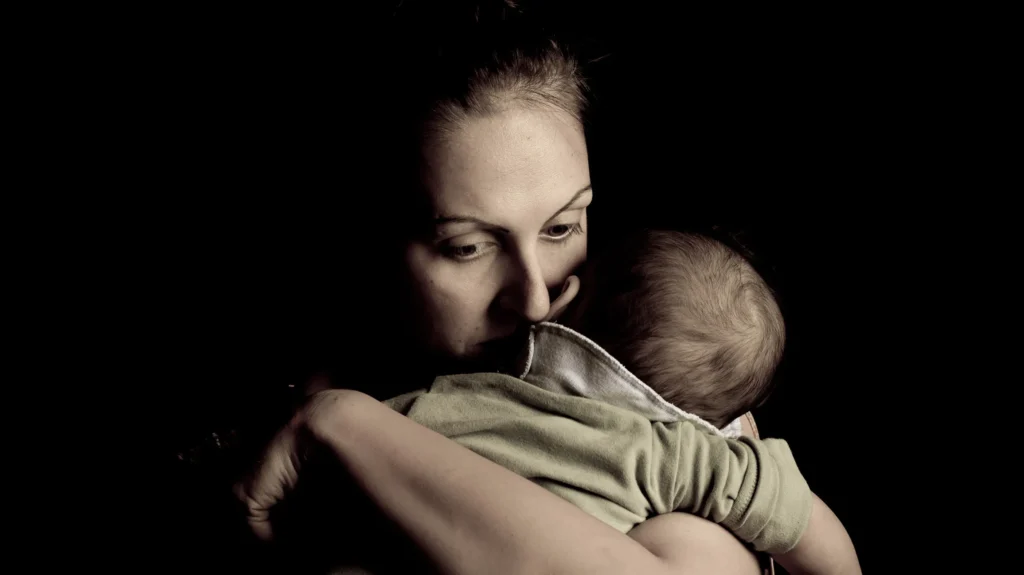
- Previous history: History of depression or anxiety in an individual or family.
- Environmental stressors: Financial problems, tension in relationship with spouse or lack of social support.
- Pregnancy and childbirth difficulties: High-risk pregnancy experience or traumatic birth.
- hormonal changes: extreme sensitivity to estrogen and progesterone fluctuations.
Prevention of postpartum depression
Many think that preventive measures should start after the birth of the baby, but the truth is that the best time to prevent postpartum depression is during pregnancy itself.
1. Creating a strong support network
Isolation is the enemy of mother's mental health. One of the most effective ways to prevent postpartum depression is to build a supportive tribe. Before giving birth, determine who will help with housework, babysitting, and emotional support. Talking to your spouse about dividing tasks and realistic expectations is a big step in reducing postpartum stress.
2. Education and awareness
Fear of the unknown increases anxiety. Participating in childbirth preparation classes and reading authoritative resources about baby care and maternal psychological changes will give you a sense of more control. This feeling of empowerment plays a key role in preventing postpartum depression.
Lifestyle after the birth of a baby
After the baby comes into life, priorities change, but don't forget that a good mother is a mother who is well.

prioritizing sleep and rest
Chronic lack of sleep is the main trigger of mood disorders. To prevent postpartum depression, you should take every opportunity to sleep. When the baby sleeps, you sleep too. Leave the housework and ask others to help you with night care. Regulating the sleep cycle has a direct effect on hormonal balance and mood.
Healthy nutrition and gentle physical activity
A diet rich in omega-3 fatty acids, vitamins and proteins helps improve brain function. Also, a light walk with a stroller or doing stretching exercises will release endorphins (hormone of happiness). Research has shown that regular physical activity is a powerful tool in the prevention of postpartum depression.
Suppressing negative emotions makes them stronger. One of the pillars of preventing postpartum depression is talking about real feelings. If you feel sad, angry, or helpless, share it with your spouse or a trusted friend. Being a perfect mother is a myth; Give yourself the right to be tired sometimes. Sometimes the support of those around you is not enough. Referral to mental health professionals can be very helpful, even before severe symptoms develop. Using counseling services is a sign of your strength and responsibility. In the table below, a summary of practical measures to manage the condition and prevent postpartum depression is presented:The vital role of effective communication and expression of feelings
Reference to counselor and psychologist
Checklist of practical actions for mothers
Action
Solution
Effect in Prevention
physical
Sufficient sleep, nutrition rich in Omega 3, light exercise
Regulating hormones and increasing energy levels to prevent postpartum depression
Psychology
Reduce perfectionism, dedicate personal time
reducing mental pressure and preventing burnout
Social
Accepting help from others, talking with spouse and friends
Eliminating feelings of loneliness and isolation as the main pillar of preventing postpartum depression
Specialized
regular psychological checkups, participation in support groups
early identification of symptoms and professional management
The effect of breastfeeding on mother's mental health
The relationship between breastfeeding and the prevention of postpartum depression is a complex issue. Successful breastfeeding causes the release of oxytocin, which is a calming hormone that can reduce stress. However, if breastfeeding is accompanied by pain, difficulty and pressure, it can itself become a factor for stress and depression. Mothers should know that their mental health is a priority. If breastfeeding causes severe anxiety, consultation with a specialist and finding alternative feeding methods is an important step towards preventing postpartum depression.
Summary and look to the future

Finally, preventing postpartum depression is a path that begins with awareness, self-kindness, and accepting support. No mother should suffer in silence. By recognizing risk factors, setting expectations, and building a network of supporters, you can get through this critical health time. Remember that self-care is not selfish; Rather, it is a necessity for you to be a happy and healthy mother for your child. If you feel that the pressures are too much for you, referring to specialized collections such as Rah Roshan can be a light on this path. Your mental health is a treasure that you should protect with all your heart.
FAQ
1. Is it possible to definitely and 100% prevent postpartum depression?
No, because hormonal and genetic factors play a prominent role. But by using strategies such as social support, stress management and health care, the risk and severity can be significantly reduced.
2. Is taking vitamins effective in preventing postpartum depression?
Yes, the lack of certain nutrients can aggravate the symptoms of depression. Supplementing with vitamin D, iron and omega-3 fatty acids plays an important supporting role in preventing postpartum depression and improving the mother's mood.
If the symptoms of grief last more than two weeks, their intensity is increasing, it becomes difficult for you to do daily tasks, or you have thoughts about harming yourself or the baby, you should see a specialist without delay for treatment and to prevent the progression of the disease.3. If I see symptoms of depression, when should I see a doctor?