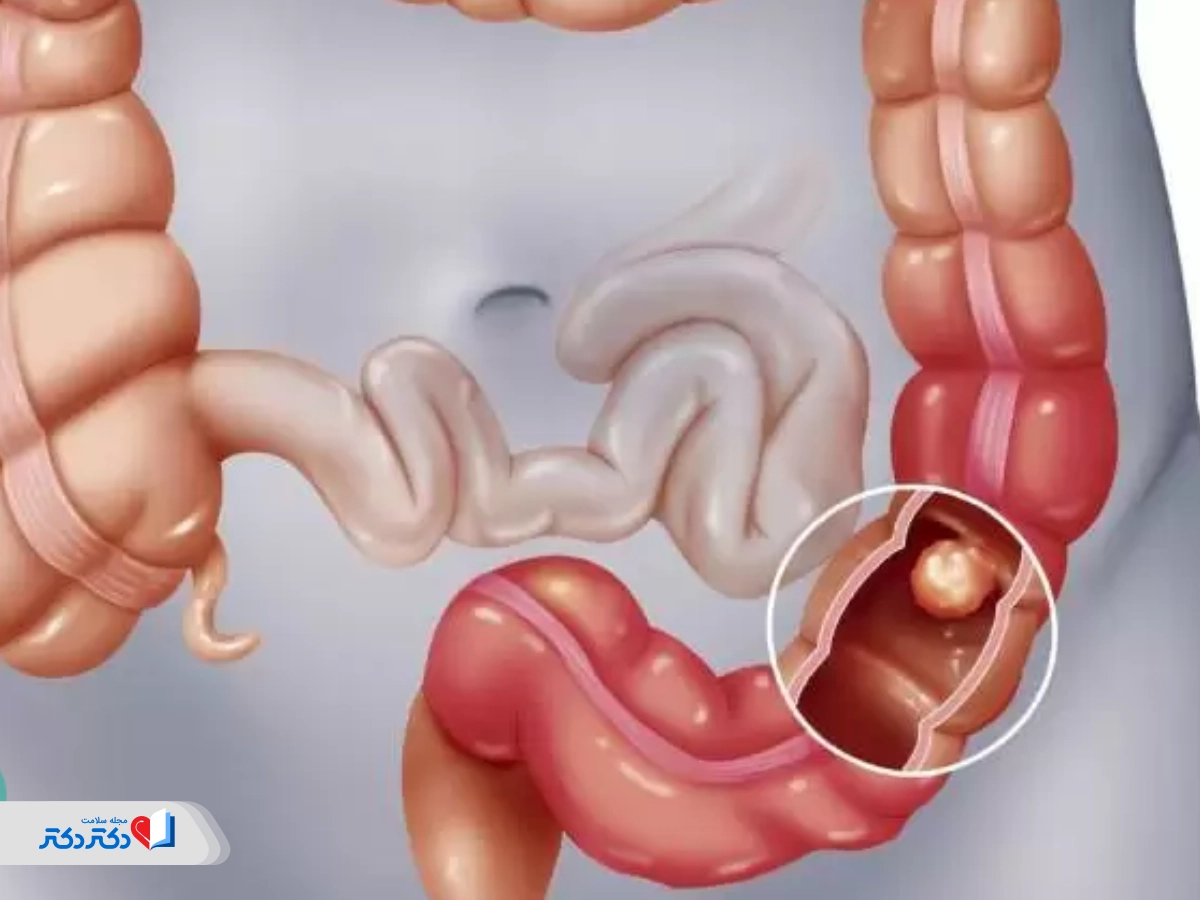
NEUT در آزمایش خون به حضور نوتروفیلها در آزمایش جامع خون اشاره دارد. نوتروفیلها سدهای دفاعی اولیه بدن شما هستند. بالا یا پایین بودن میزان نوتروفیلها میتواند نشانه بیماری یا عفونت در بدن باشد. در این مقاله بیشتر با NEUT در آزمایش خون و علائم و دلایل افزایش یا کاهش نوتروفیل در بدن آشنا میشویم. Stay with us until the end of the article.

مقاله تخصصی
NEUT in blood test The normal amount of neutrophils,
4 hours ago
142 بازدید

Dr. Reza Bahadur
MashhadOrthopedic specialist
NEUT in blood testing What is it?
The blood neutrophil test, or the Neut test for short, is one of the tests that can help diagnose an infection in the body. Occurrence of some conditions, use of some drugs or treatments related to diseases can cause neutrophils to increase or decrease. An increase in neutrophils (neutrophilia) may indicate an acute infection or injury. On the other hand, a decrease in neutrophils (neutropenia) may be caused by chronic infections or autoimmune diseases. In rare cases, an increase or decrease in neutrophils can be a sign of a serious disease such as cancer.
What is a neutrophil?
Neutrophils are a type of white blood cells that are part of your body's immune system. Approximately 50 to 70 percent of all white blood cells in your blood are neutrophils. Neutrophils are produced by the bone marrow, but can be found in the blood, tissues, and lymph nodes throughout the body. Neutrophils have a lifespan of less than 24 hours, but your body produces about 100 billion of them every day. When these cells leave the bone marrow to fight infection, they increase in number. Neutrophil depletion occurs when the production or storage of these cells decreases.
The role of neutrophils in the body
Neutrophils protect the body against infections. Neutrophils are one of the first white blood cells and as part of the innate immune response that arrive at the time of bacterial infection.
Neutrophils are divided into two important categories:
- Granulocytes: They contain small particles called granules that are released when the cell breaks (degranulation) and have antimicrobial properties. These particles can control bacterial, fungal and viral infections.
- Phagocytes: swallow and destroy pathogenic microorganisms. This process is called phagocytosis. Phagocytosis is the main way for the body to deal with bacterial and fungal infections.
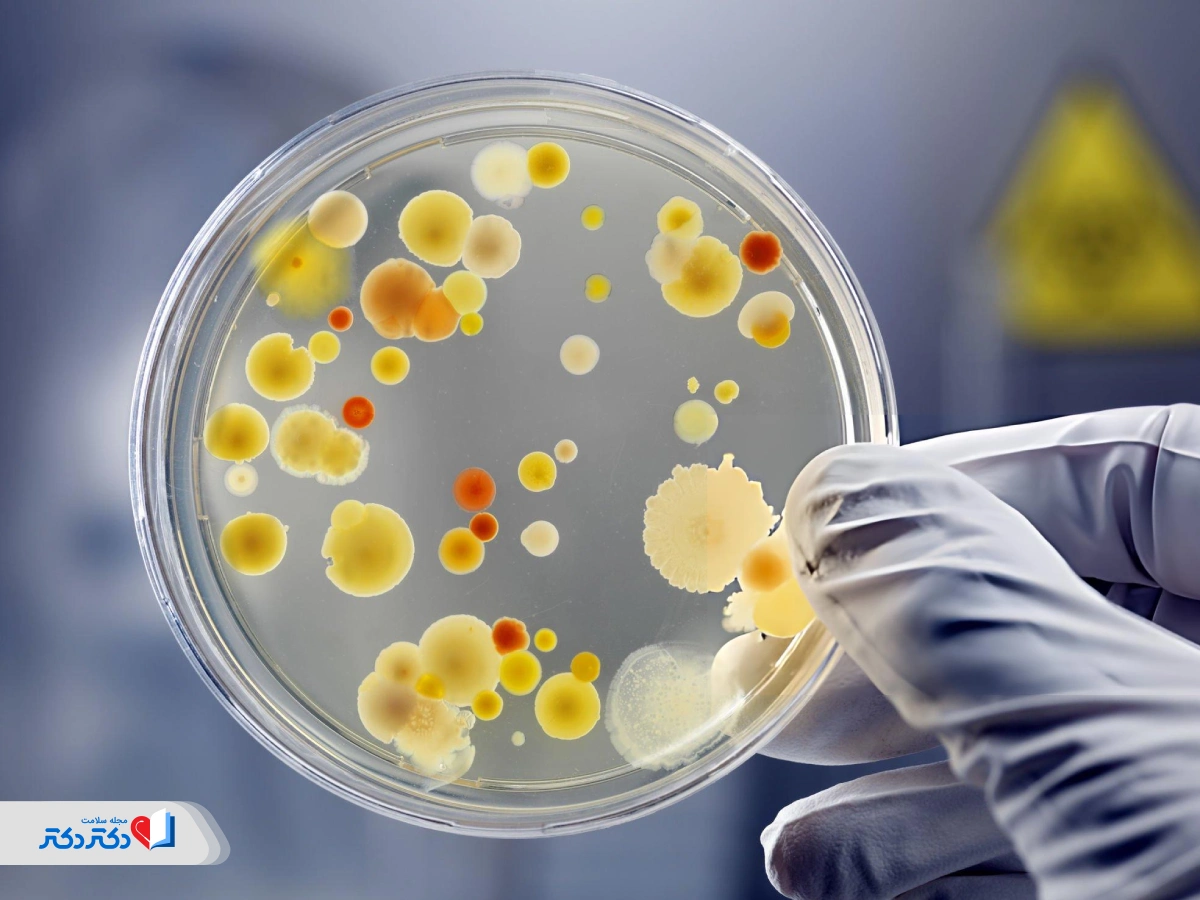
The abbreviation NEUT in the test sheet
usually neutrophil In the blood test sheet, it is written with the abbreviation Neut or NE. Sometimes it is seen as NE% to express the percentage of neutrophils, or as NE# or Abc Neut to show the absolute amount of neutrophils.
Normal NEUT level in blood test
An absolute neutrophil count (ANC) is part of a complete blood count (CBC) test that may be done routinely (for a checkup) or to diagnose a disease. to be The absolute neutrophil count is calculated by multiplying the total number of white blood cells by the total percentage of mature neutrophils (segmented cells) and immature neutrophils (band cells) and finally dividing this number by one hundred:
100 ÷ (percentage of total neutrophils × percentage of white blood cells)
The normal range of neutrophils for a healthy person is between 2,500 to 7,000 neutrophils per microliter (µL) of blood. If the ANC is higher or lower than the normal range (2,500 to 7,000), it needs further investigation.
Normal range of neutrophils in adults
The normal range of neutrophils for a healthy person is between 2,500 and 7,000 neutrophils per microliter (µL) of blood; However, the normal range specified in different laboratories may be slightly different.
The normal range of NEUT in children
The normal range of neutrophils in children is slightly different from that of adults and changes according to the age of the child, but in general, the degree of similarity between the normal range of the percentage of neutrophils in children and adults is as follows:
- Newborn babies: about 30 to 50% similarity;
- Infants and toddlers: about 20 to 50% similarity;
- Older children and adolescents: about 40 to 60% similarity.
The absolute number of neutrophils in children is usually considered between 1500 and 8500 neutrophils per microliter of blood.
High NEUT in blood test
Absolute neutrophils are considered high when their number is above 7000. This increase can occur for various reasons, such as in response to diseases or specific body conditions. An increase in neutrophils is known as neutrophilia.
Causes of neutrophil increase
Various factors can cause an increase in neutrophils, including:
- Reactive neutrophilia neutrophilia): The increase in neutrophils is aimed at fighting infection and neutralizing the threat. It may also occur during times of stress caused by physical injury or exposure to toxic substances. Proliferative neutrophilia: An increase in neutrophils occurs due to the presence of cancers that increase the production of white blood cells from the bone marrow. Neutrophil demargination: In this In this case, neutrophils are separated from the organs where they usually reside (such as the spleen, liver, bone marrow and blood vessels) and enter the blood circulation. This phenomenon can occur in conditions of stress, inflammatory diseases, or the use of drugs that cause the release of the stress hormone (cortisol).

Diseases related to neutrophilia
Neutrophilia It is divided into primary (caused by congenital disorder or bone marrow diseases) or secondary (caused by infections, inflammation, stress and other diseases).
Primary neutrophilia may be caused by various diseases, including:
- Chronic myeloid leukemia (CML);
- Essential thrombocytosis (ET);
- Polycythemia vera. (PV);
- Juvenile myelomonocytic leukemia (JMML);
- Chronic neutrophilic leukemia (CNL).
Various factors can cause secondary neutrophilia, including:
- Infections: are the most common cause of high neutrophils. Most (but not all) bacterial infections cause neutrophilia. Viral infections do not usually cause high neutrophils, but in the early stages this may occur. Some fungal and parasitic infections;
- Inflammation: inflammatory diseases such as rheumatoid arthritis and gout (various forms of arthritis), ulcerative colitis (inflammation and ulceration in the large intestine), tissue damage from burns, surgery or trauma, blood loss, sickle cell crisis (disorder in red blood cells), acute kidney failure, diabetic ketoacidosis (severe complications of diabetes that cause acid build-up in the blood), Cushing's syndrome (too much cortisol in the body), preeclampsia and eclampsia (pregnancy symptoms with organ damage), heart attack and acute hypoxia (lack of oxygen) can all cause neutrophilia;
- physical (such as intense exercise) or mental stress;
- autoimmune diseases such as rheumatoid arthritis;
- inflammatory diseases such as inflammatory bowel disease (IBD) and Vasculitis;
- Trauma and burns;
- Smoking;
- Drugs such as blood thinners, anticonvulsants, anti-inflammatory drugs, corticosteroids and lithium;
- Solid cancers (including bone marrow metastasis);
- Hodgkin lymphoma and bone marrow cancer,
- Pregnancy.
More neutrophilia with Bacterial infections occur, however, viral, fungal, and parasitic infections can also cause an increase in neutrophils. 
Symptoms of high neutrophils
Symptoms of neutrophilia due to It depends on the creator. If high neutrophils are due to inflammation, infection, drug side effects, or cancer, they may cause a variety of symptoms, including:
- fever above 38°C;
- recurrent infections;
- wounds that do not heal;
- joint pain or swelling;
- feeling tired or weak;
- dizziness or Fainting.
Difference between neutrophilia and neutrophilic leukocytosis
Neutrophilia refers only to an increase in neutrophils, while neutrophilic leukocytosis is a condition in which the total number of white blood cells increases; However, much of this increase is due to a high neutrophil count.
Low NEUT in a blood test
Low neutrophil count is known as neutropenia. Neutropenia occurs when the neutrophil count is less than 2,500. If the neutrophil level falls below 1,000, this condition is considered dangerous and can significantly increase the risk of infection.
Causes of Neutrophil Decrease
Neutropenia may be mild, moderate, or severe, depending on the extent of the decrease in neutrophils. These conditions can be congenital or acquired or occur temporarily. Since neutrophils are part of the immune system, their depletion can increase the risk of infection. In severe neutropenia, even the body's normal bacteria may cause a serious infection.
Various factors can cause a decrease in the number of neutrophils, including:
- Decreased or stopped production of neutrophils in the bone marrow: This happens when the bone marrow is damaged (for example, in chemotherapy) or the body is deficient in essential vitamins.
- Infiltration of cancer cells or fibrosis (scar tissue) into the bone marrow: In diseases such as myelofibrosis, the bone marrow is occupied by abnormal cells.
- Increasing demand for neutrophils: In some situations such as severe infection or trauma, the body needs more neutrophils. In these conditions, if the immune system is under severe pressure, the production of neutrophils may decrease.
- Decreased life span of neutrophils: As a result of severe infections or attacks of antibodies on neutrophils (in autoimmune diseases such as lupus), these cells may die faster.
- Cyclic neutropenia Neutropenia is a rare disease that can be inherited or acquired. In this disease, there are periodic fluctuations in the production of white blood cells.
Diseases associated with Neutropenia
Various diseases can cause a decrease in the number of neutrophils, including:
- aplastic anemia;
- deficiency of copper, vitamin B12 and folic acid; autoimmune disorders such as Crohn's disease, rheumatoid arthritis and systemic lupus; myelodysplasia (a group of bone marrow diseases); parasitic infections such as Rocky Mountain spotted fever; bacterial infections such as tuberculosis and typhoid fever; viral infections such as HIV. Cytomegalovirus (CMV), Steinbarr, Salmonella, AIDS, measles, chicken pox;
- Hepatitis A (A), B (B) and C (C);
- sepsis (serious blood infection); Lymphoma.
On the other hand, a variety of drugs, including anti-inflammatory drugs such as ibuprofen, antimalarial drugs such as hydroxychloroquine, antiarrhythmic drugs, antipsychotic and depression drugs, anticonvulsant drugs, and various antibiotics can also cause a decrease in neutrophils.

Symptoms of low neutrophils
Some symptoms of neutropenia They are:
- fever;
- chills;
- fatigue;
- sore throat;
- mouth sores or sores around the anus;
- cough;
- shortness of breath;
- skin sores;
- burning urine; injury;
- diarrhea.
interpretation of NEUT test among other factors
In addition to observing the number of neutrophils, the doctor also pays attention to other things. For example, the ratio of neutrophils to lymphocytes is also important in the interpretation of tests and is used as an indicator of inflammation or stress. A higher ratio may indicate inflammation or infection. On the other hand, the blood test results should always be checked in addition to the patient's symptoms such as fever, pain, fatigue or any other symptoms. However, there are ways to maintain neutrophil levels and strengthen the immune system, including:
- Being aware of the signs of infection and seeking timely diagnosis and treatment;
- Regular hand washing and following hygiene principles to prevent communicable infections;
- Getting recommended vaccines, including the annual flu and Covid-19 vaccine;
- Maintaining a healthy diet and balanced to prevent nutritional deficiencies that lead to neutropenia.
Doctor's Final Word
Neutrophils are a type of white blood cell that play a key role in fighting infection. The level of neutrophils in the blood can be changed by various factors such as infection, stress, chemotherapy or nutritional deficiency. In some cases, the level of neutrophils increases, which is called neutrophilia. In other conditions, the level of neutrophils may decrease, which is called neutropenia. This condition may be dangerous. A blood test can help make a final diagnosis. If you have any questions about the blood neutrophil test or if the doctor's explanation was not enough for you, you can contact the professional team of Dr. Dr. You can also use Dr. Dr.'s home testing service for blood tests.
Frequently Asked Questions
What does NEUT mean in blood test?
Neut is the abbreviation of neutrophil in blood test. Neutrophils are one of the body's primary defense barriers that can fight infection.
What is the normal NEUT in a blood test?
Bottom What does it mean to be NEUT in blood test?
Difference between NEUT and WBC What is in a blood test?
How to treat high neutrophils Is it possible?
Neutrophil Treatment How is the bottom?
Where are neutrophils made? Are they?
What do neutrophils look like?
How many neutrophils do we have in the body?
Resources
verywellhealth webmd clevelandclinic together.stjude
Tags: