
Microphlebectomy
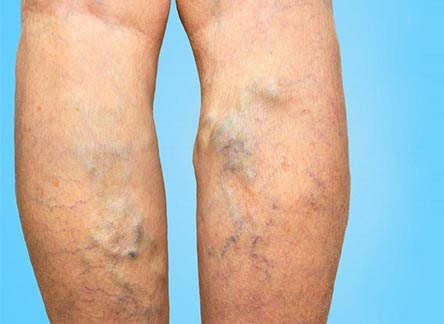
Phlebectomy is a minimally invasive treatment for varicose. In this method vascular surgeon uses a small surgical blade and a hook to remove varicose veins which are just below the surface of the skin and rope is used. This old and tested technique is one of the efficient Treatment of rope varicose veins by vascular surgeon will be In some patients at the discretion and diagnosis of the vascular surgeon, this method is preferable to other methods such as varice laser It is.
What is microphlebectomy?
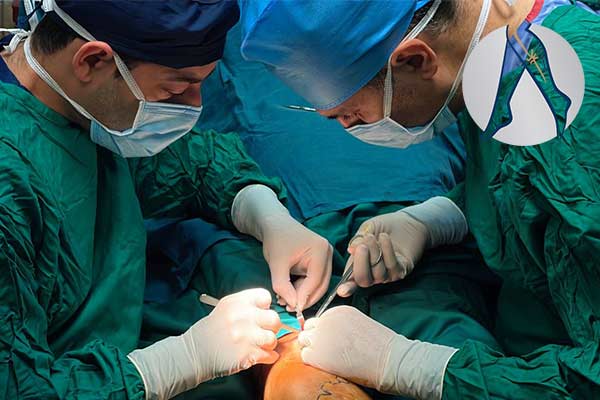
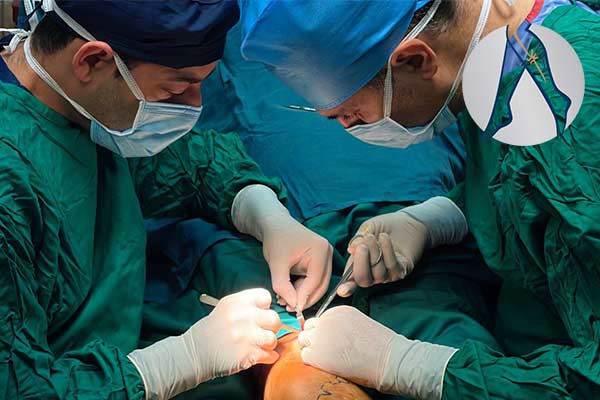
Phlebectomy is simply a form of "keyhole" varicose vein or in other words microscopic surgery. Before the phlebectomy hook is inserted to pull out the vein, small incisions of about a few millimeters are made at the site of the varicose vein. No stitches are needed and the incision heals quickly due to its small size. This makes this method much less dangerous and useful than traditional "vein removal", which is outdated and associated with poor success rates and long recovery times.
What does phlebectomy mean?
The medical term "phlebectomy" consists of two medical words. The word "phleb" means "vein" while the term "ectomy" means "removal or taking out". It is also known as micro phlebectomy because of its minimally invasive design.
The method of treating varicose veins with phlebectomy
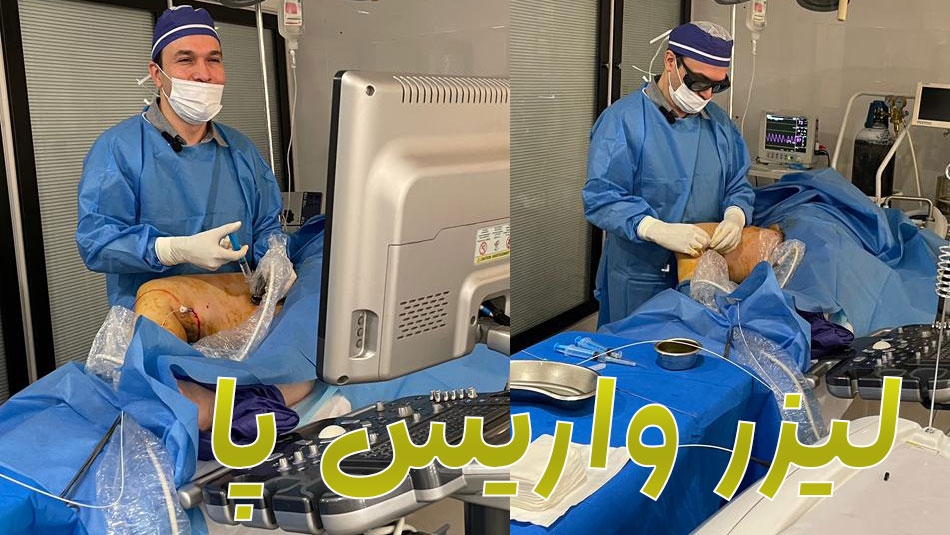
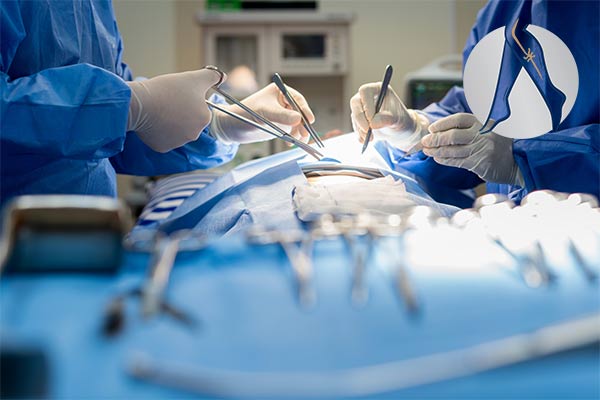
phlebectomy nowadays is usually done on an outpatient basis. This operation is very accurate and minimally invasive and is performed under local anesthesia. This method is similar to other minimally invasive treatments for varicose veins such as intravenous laser. Patients can treat varicose veins on an outpatient basis without the need for hospitalization.
Phlebectomy treated?
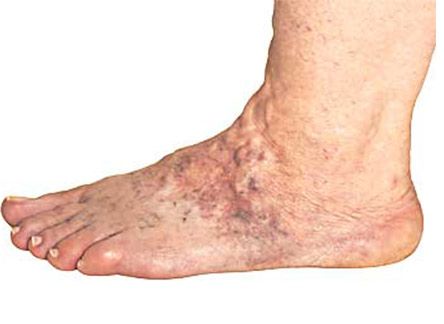
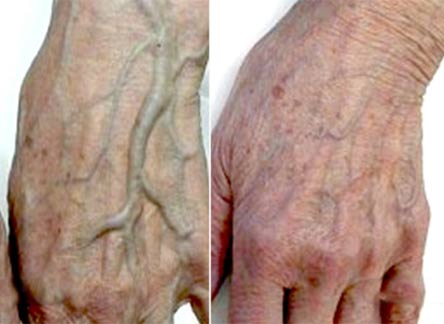
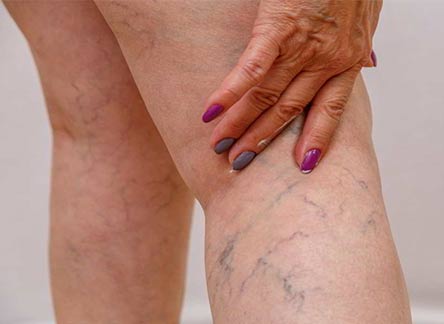
Outpatient phlebectomy is used to treat bulging veins that appear on the surface of the skin. Also, if other varicose veins treatments have not been effective to reduce surface bumps, usually phlebectomy is done For example, when the size and blood pressure in the vein is too much for sclerotherapy treatment and the condition The patient's skin raises the possibility of cosmetic problems after sclerotherapy treatment. Phlebectomy is used as a safe alternative to treat varicose veins without complications and cosmetic problems. Intravenous laser phlebectomy is often combined with phlebectomy. A laser is used, which eliminates the cause of varicose veins. While endovascular laser corrects venous reflux problems, it sometimes cannot minimize the bulging appearance of shallow veins. In such circumstances, micro phlebectomy is recommended as an effective method for physical removal of twisted veins and shallow bulging. These bulges are known as "varicose veins" and phlebectomy is very successful in removing these unsightly veins. However, phlebectomy does not address the underlying cause of varicose veins. That's why it's usually combined with a treatment like varicose laser, which specifically addresses the improper blood flow of venous reflux (where blood backs up into the vein due to faulty venous valves, causing the varicose veins to swell and enlarge).
Why is phlebectomy used to treat varicose veins? Shall we?
The main advantage of phlebectomy is the immediate removal of prominent superficial veins, which can often affect the patient's self-confidence. Cosmetic reasons make this procedure an excellent choice for patients who want to quickly reduce the visible signs of their superficial veins. If a person has a big event to prepare for, such as a wedding or holiday, for example, a wedding to prepare for, phlebectomy is a quick treatment solution for swollen superficial veins. However, a vascular surgeon will always advise patients on whether this is the best treatment option for you after evaluating your veins during a thorough visit.
Phlebectomy is a very successful procedure when performed on the right case. This procedure has a proven long-term success rate of 90% and is highly effective in dramatically reducing the appearance of varicose veins.
The advantages of phlebectomy surgery include:
- Minimally invasive treatment
- Performed with local anesthesia
- High success rate when combined with other procedures such as intravenous laser and foam sclerotherapy
- Quick recovery time and almost immediate return to normal daily activities
- Leaving no visible marks or scars About 95% of patients experience significant relief of pain and symptoms after phlebectomy. Local anesthesia is administered and usually takes between 30 minutes to an hour to complete.
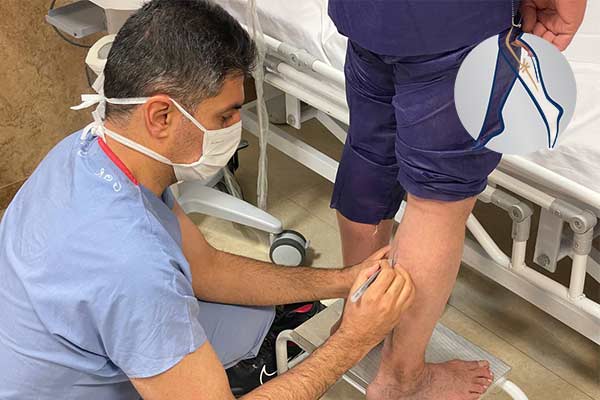
Before the patient undergoes treatment, vascular surgeon marks the location of the patient's bulging veins by drawing around them with a marker. This should be done while the patient is standing, because once the patient is lying on the bed, the varicose veins will be drained and disappear from view. The skin around the treatment area is cleaned before the surgery to prepare for the micro incisions. A local anesthetic is then injected under the skin to numb the veins and surrounding skin.
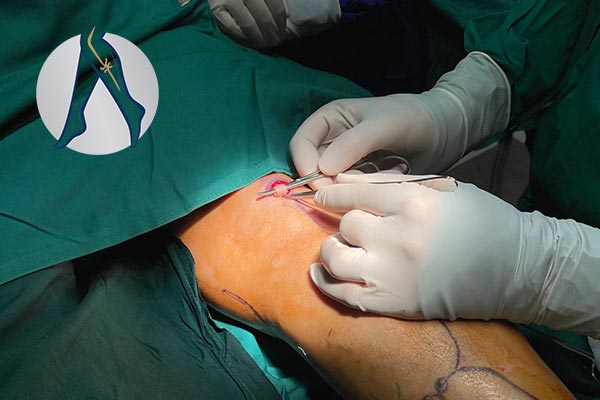
Then a small surgical blade is used to create a small micropuncture to allow the vascular surgeon to physically remove the damaged varicose vein. A very fine 2mm blade is used for this cut, and while it may feel a little uncomfortable, due to the strength of the local anesthetic, the patient will feel no pain.
Then a very fine phlebectomy hook is attached to the vein to pull it up and out of the body. Enlarged varicose veins can be easily collected, so this procedure is relatively simple.
The incisions created during the operation are so small that no stitches are needed and the wound heals by itself quickly. A surgical dressing will be applied to the incision site to facilitate this natural process. href="https://variceclinic.com/team/%d8%af%da%a9%d8%aa%d8%b1-%d8%ad%d8%b3%d9%86-%d9%85%d9%88%d8%ad%d8%af%db%8c%d9%86/">vascular surgeon your surgical dressing to close the tiny incisions does This dressing should be left for 3 days to heal the cut. The legs will also be wrapped with a compression bandage to secure the treatment area and help recovery.
Patients should refrain from driving for 24 hours after the phlebectomy due to complications and local anesthesia. Compression stockings and bandages should be worn 2 to 3 weeks after the operation. become Patients can do almost all of their usual activities the day after treatment when they wear varicose stockings. You can expect to resume daily activities within 24 hours, although vigorous activities such as going to the gym should be avoided for approximately 2 weeks.

What are the side effects of phlebectomy?
Most outpatient phlebectomy procedures go as planned thanks to the very high success rate of this procedure. However, since this surgical procedure is microscopic, some patients may experience side effects.
The most common complication is bruising around the treatment area. This bruising usually 1-3 weeks after treatment heals. Some patients may also experience pain in the treatment area. But this problem can be solved by taking over-the-counter pain relievers to relieve the pain. What is the difference between phlebectomy and vein stripping? Vein stripping is an old method of surgically removing varicose veins. However, this separation process often resulted in considerable pain and bruising for the patient. It also had a relatively high failure rate, with only 50% of cases being successful.
Today, Dr. Mohedin Varice Clinic, less invasive methods such as They provide endovascular laser and phlebectomy. While phlebectomy is still a surgical procedure, the incisions are small and heal quickly.
For free phlebectomy appointment and consultation, contact us: 02125917878
5/5 - (25 points)