
What is microneedling?
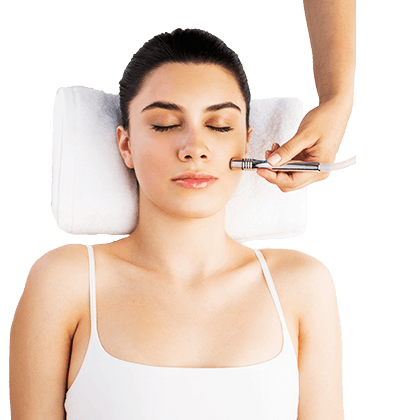
Microneedling is a non-invasive treatment method in which very small needles are used to pierce the outer layer of the skin. These needles are related to a device called a microneedling device and are made of steel or titanium. In this method, needles are inserted directly into the skin and then move up and down. This action stimulates the production of collagen and elastin in the skin, which can improve skin texture and reduce wrinkles. Also, this method can improve the absorption of nutrients in the skin. Microneedling is used as a non-invasive and non-invasive method to improve the shape and texture of the skin and is usually used to treat facial wrinkles, skin rejuvenation, skin blemishes and acne pimples.

Is microneedling suitable for everyone?
Microneedling may not be suitable for everyone. For example, people with skin infections, severe acne, bleeding tendency, or diseases such as diabetes and sensitive skin should not use this method. Also, if you have a history of skin surgery, uneven skin tone, or low pain tolerance, this procedure may not be right for you. Before using microneedling, it is best to consult your doctor or dermatologist to make sure that this procedure is right for you. Also, if you decide to use this method, you should note that it may take several treatment sessions to get the desired result and you need to take special care of the skin after the procedure.
Is microneedling suitable for treating wrinkles?
Yes, microneedling is used as one of the methods to treat facial wrinkles and can improve the shape and texture of the skin. By piercing the outer layer of the skin using very fine needles, microneedling stimulates the production of collagen and elastin in the skin, which can reduce wrinkles. Also, microneedling can improve the absorption of nutrients in the skin and, therefore, can help treat skin blemishes.
Is microneedling suitable for acne treatment?
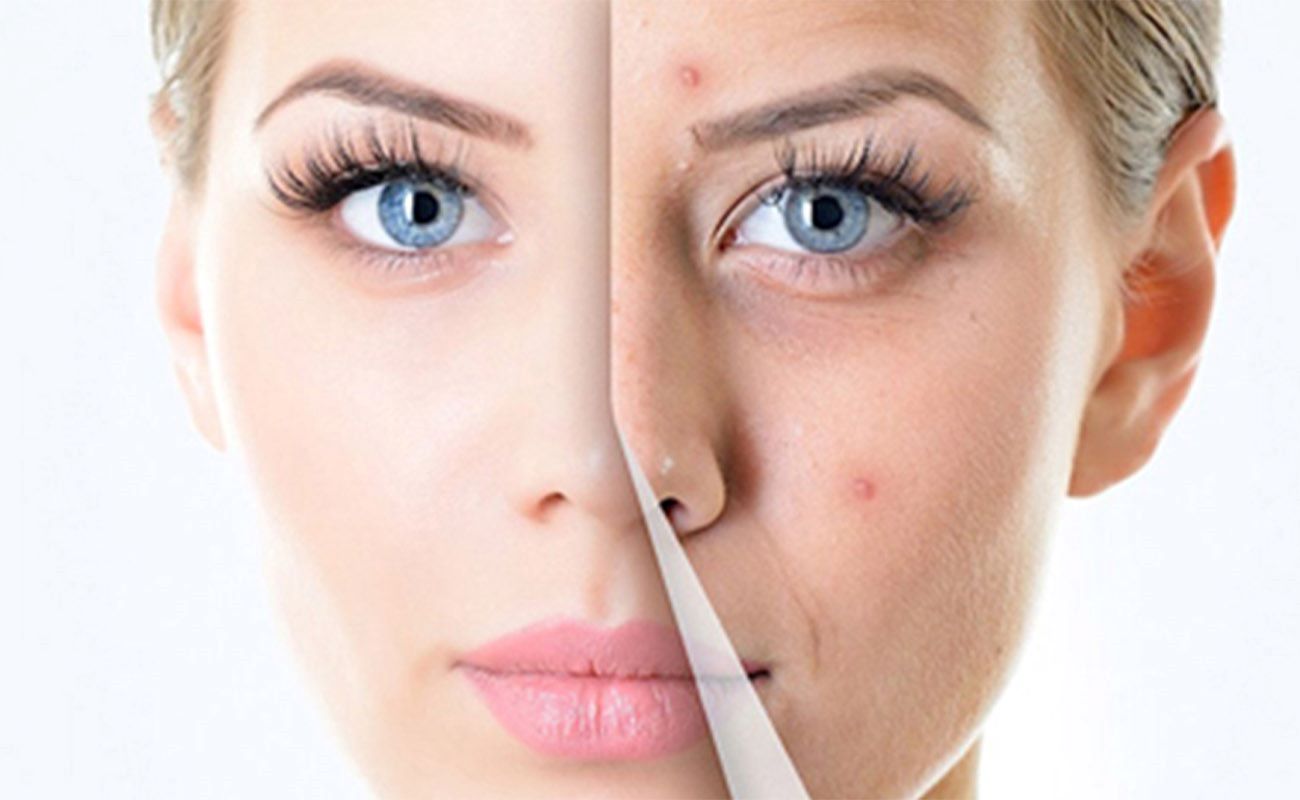
Yes, microneedling can be suitable for treating pimples and skin spots. By piercing the outer layer of the skin using very fine needles, microneedling stimulates the production of collagen and elastin in the skin, which can improve skin texture and reduce skin blemishes. Also, this method can improve the absorption of nutrients in the skin, and hence, it can help to treat boils.
You will definitely like this article...
The advantages of microneedling
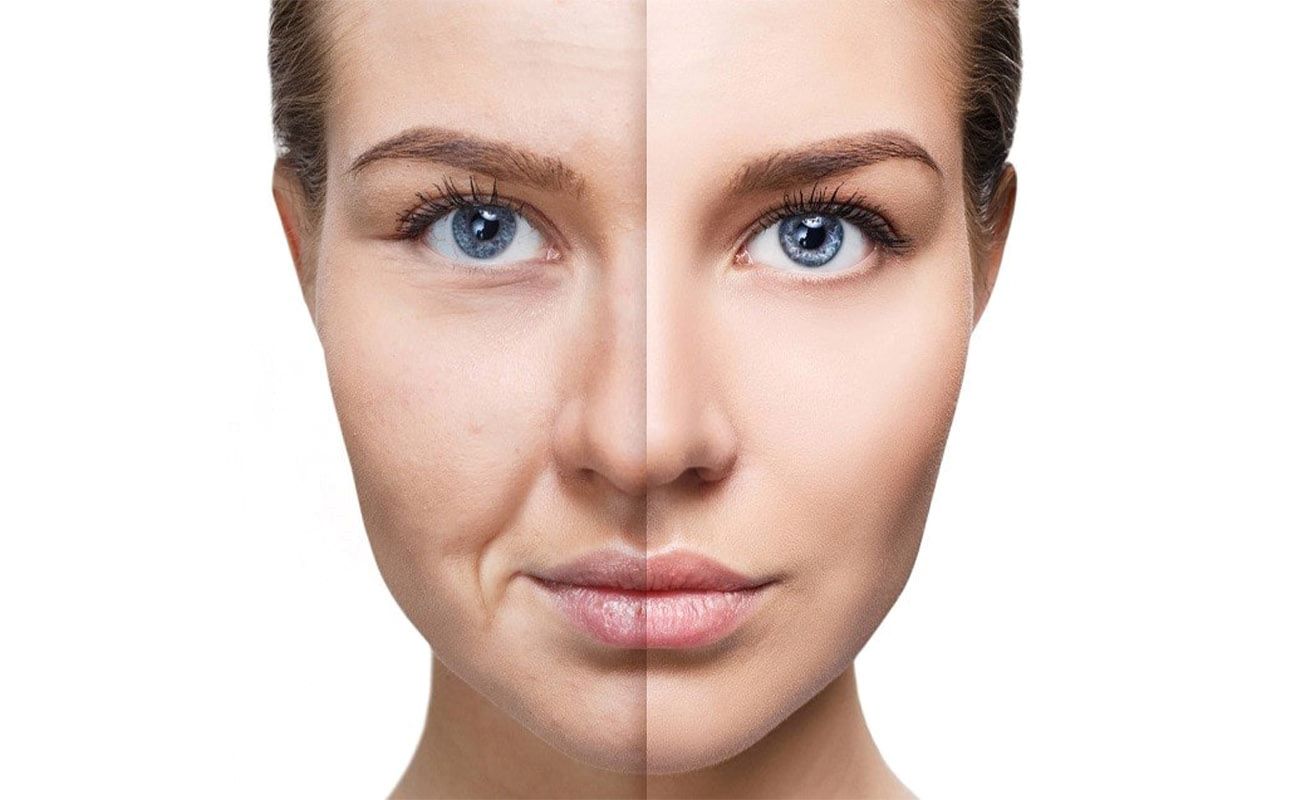
- Wrinkle reduction: By piercing the outer layer of the skin using very fine needles, microneedling stimulates the production of collagen and elastin in the skin, which can reduce wrinkles.
- Skin texture improvement: Microneedling stimulates the production of collagen and elastin in the skin, which can provide skin texture improvement.
- Treatment of skin spots: This method can also improve the absorption of nutrients in the skin and hence, it can help to treat skin spots.
- Improving the absorption of nutrients: Microneedling improves the absorption of nutrients in the skin and can improve the appearance and health of the skin.
- Non-invasive method: Microneedling is a non-invasive and uncomplicated method to improve the shape and texture of the skin and generally does not require recovery time and side effects.
- Increasing the attractiveness of the patient: By improving the shape and texture of the skin, microneedling can help increase the attractiveness of the patient and increase his mood and self-confidence.
Does microneedling have side effects?
Yes, microneedling, like any other treatment method, may have side effects. Possible complications include the following:
- Dryness and excessive secretion in the skin: After microneedling, the skin may be dry and excessive. This problem usually improves after a few days.
- Inflammation and redness of the skin: Some people may experience inflammation and redness in their skin after microneedling. These symptoms usually improve after a few days.
- Skin infection: If unused and unsterilized needles are used, it may cause skin infection. For this reason, authentic and sterilized tools should be used.
- Bleeding: Bleeding may occur if the needles go deeper into the skin. To avoid this problem, proper needles should be used by dermatologists.
- Skin sensitivity: Some people may have skin sensitivity and react to the microneedling method. If you have already suffered from skin sensitivity or allergy, you should consult your doctor.
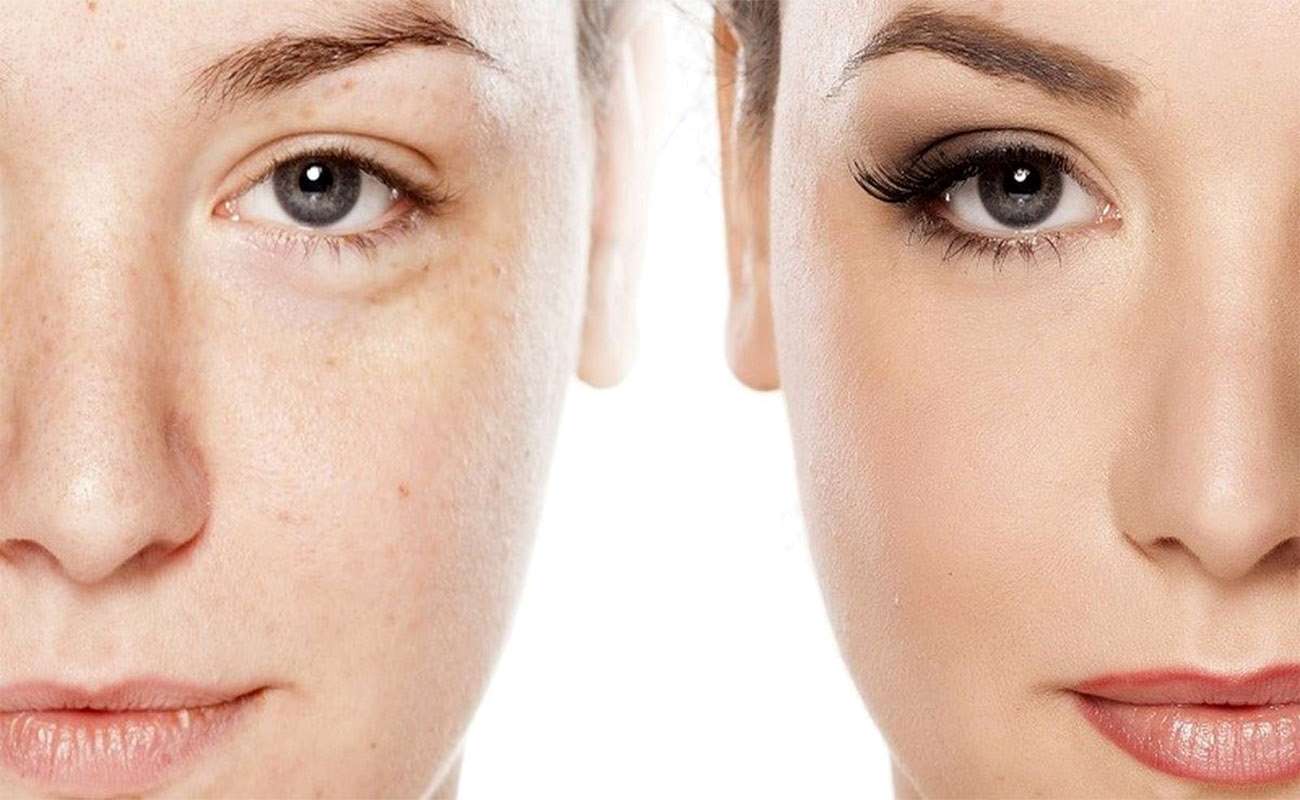
care after microneedling
After doing microneedling, it is better to take certain care for your skin in order to have a faster recovery and avoid complications. Some important cares after microneedling are:
- Using sunscreen: After microneedling, your skin becomes very sensitive to sunlight. Therefore, you should use sunscreen cream with a high protection factor and avoid sunlight.
- Using soothing products: After microneedling, your skin may be more sensitive to skin products. Therefore, using soothing products such as aloe vera, green tea and cucumber extract can help your skin.
- Using moisturizer: After microneedling, your skin may be dry and have excessive secretions. Therefore, using the right moisturizer helps to maintain the moisture of the skin.
- Avoid the use of makeup: After microneedling, you should avoid using makeup and unnecessary products for your skin to allow your skin to heal.
- Avoid exercise and vigorous activities: After microneedling, you should avoid exercise and vigorous activities that cause the skin to sweat so that your skin can heal.
- Post-operative follow-up visits: To make sure your skin is improving after microneedling, you should follow-up with your doctor.
Is microneedling painful?
Microneedling is a non-invasive method that penetrates deep into the skin using very small needles and stimulates the production of collagen and elastin. This procedure is generally not painful, but may cause a mild sensation of pain and discomfort in the skin. The intensity of pain and discomfort also varies due to factors such as the level of skin sensitivity, the depth of the needles, the condition of the skin, and the experience of the doctor or dermatologist who performs microneedling. Most people who have microneedling experience some mild discomfort in their skin, but this is generally tolerable and may subside within a few days after the procedure. To reduce pain and discomfort, dermatologists may numb the area with a local anesthetic such as topical lidocaine. Therefore, microneedling is generally not painful, but may cause a mild sensation of pain and discomfort in the skin. In any case, it is better to consult your doctor or dermatologist about the intensity of pain and discomfort after the procedure before performing microneedling.
You will definitely like this article...
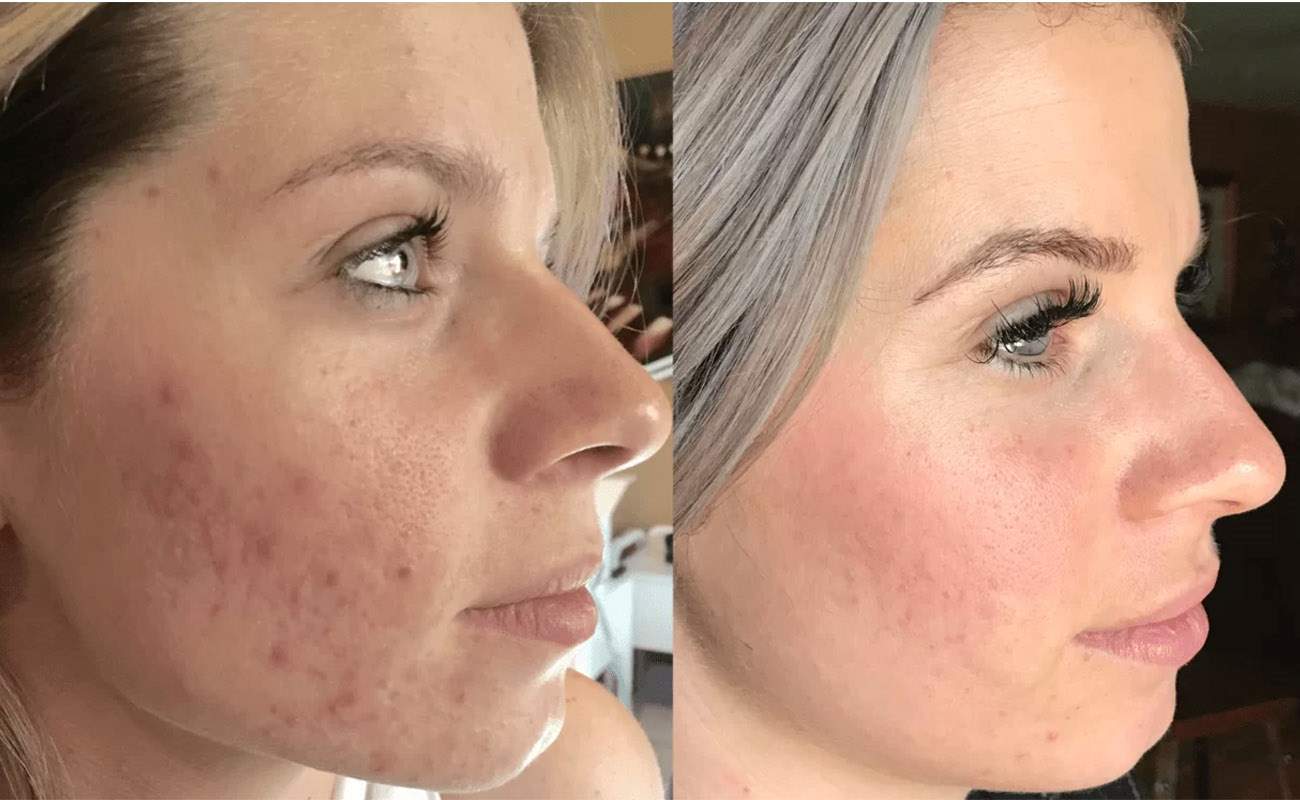
FAQs about microneedling
1. What is microneedling?
Microneedling is a non-invasive skin treatment method that penetrates the skin at different depths using very small needles and helps to stimulate the production of collagen and elastin in the skin.
2. What areas of the skin can be treated with microneedling?
Microneedling can be used in all areas of the skin, including the face, neck, hands, back and chest.
3. What skin problems can be treated with microneedling?
Microneedling helps treat skin problems such as acne scars, fine lines and wrinkles, skin blemishes, sun damage, subcutaneous acne, and acne.
4. When should microneedling be done?
Microneedling can be done at any time of the year, but it is better to do it in autumn and winter because the skin is less affected by sunlight in these seasons.
5. What are the effects of microneedling on the skin?
After microneedling, your skin may be red and sensitive and you may feel a little pain and discomfort. In the long term, microneedling helps to stimulate the production of collagen and elastin in the skin and creates a significant improvement in the beauty and health of the skin.
6. How many microneedling sessions are required?
The number of microneedling sessions depends on the number of skin problems and your skin type. For some skin problems, only one session may be necessary, but for other skin problems, several sessions may be necessary. Also, the intervals between microneedling sessions depend on the number of sessions and your skin type.
7. Does microneedling cause complications such as inflammation and bleeding?
Microneedling may cause inflammation and bleeding, but these side effects are usually mild and transient and subside after a few days. In addition, these side effects are very rare and may be more severe in people with certain skin problems, such as sensitive skin or skin infections. To reduce the risk of complications after microneedling, it is better to use an experienced dermatologist to perform this treatment. Also, after microneedling sessions, you should use sunscreen and skin care products.
(Dr. Horiye Manshizadeh, skin and hair beauty, microneedling center in Zafar)
You will definitely like this article...