به یاد فرزندان جاویدان این سرزمین

یادشان همواره در قلب این خاک زنده خواهد ماند

Microinjection success rate for infertility treatment + cost
مقاله تخصصی

Microinjection success rate for infertility treatment + cost

3 weeks ago
468 بازدید
میکرواینجکشن چیست؟

درصد موفقیت میکرواینجکشن برای درمان ناباروری + هزینه

میکرواینجکشن یکی از روش‌های پیشرفته و دقیق باروری است که به افرادی که با مشکلات ناباروری مواجه هستند، فرصت می‌دهد شانس بارداری خود را افزایش دهند. In this method, sperm is injected directly into the egg to increase the chance of fertilization. This method is known as a specialized and targeted solution and has been able to bring successful results for many couples. Getting to know the details of this method, the appropriate conditions for its use, and its advantages and limitations, can help make a smarter decision in the path of infertility treatment. In this article from the site of Dr. Mahshid Karimi, the best gynecologist in Tehran, with a scientific but simple approach, we examine microinjection and its benefits so that every woman can use this method to rejuvenate and strengthen her skin with more knowledge.

Dr. Mahshid Karimi

Gynecology specialist, obstetrics and women's cosmetic surgeries, infertility subspecialty fellowship

A record of more than 100 successful female cosmetic surgeries

09128874148

Tehran, Ghaem Mogham Farahani St.

What is microinjection?

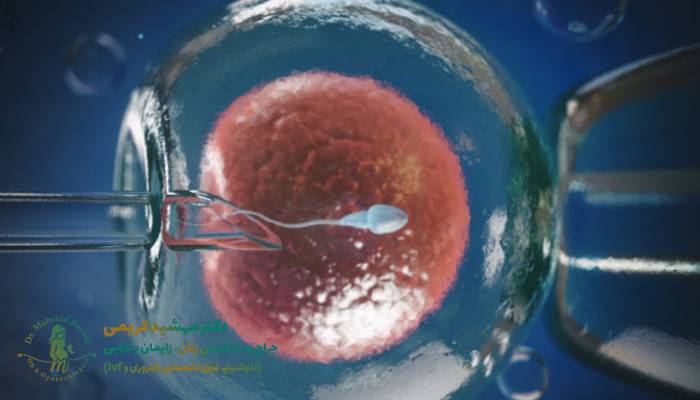
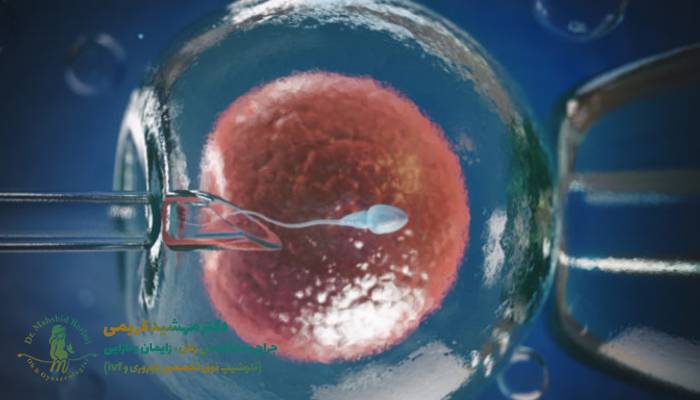
Microinjection is an advanced method in the treatment of infertility that is used to increase the chances of conception. In this method, a healthy sperm is directly injected into the egg with the help of a microscope and precise tools to increase the chances of fertilization. This technique is usually used when the quality or number of sperm is low or other methods of artificial insemination are not effective.

The main advantage of this method is very high accuracy and the ability to create fertilization even in situations where conventional IVF methods have little chance. This procedure is performed under completely sterile and controlled conditions and can pave the way to fertility success for many couples.

How is microinjection done?

Microinjection is a precise and step-by-step procedure that is performed using advanced equipment in the laboratory. Its main steps are as follows:

ovarian stimulation

First, the doctor prescribes special hormonal drugs for the woman to stimulate the ovaries and produce several mature eggs at the same time. These drugs cause the ovaries to release more eggs and the chance of successful fertilization increases. During this stage, the doctor regularly monitors the state of the ovaries and the growth of the follicles with ultrasound and hormone tests to determine the best time to harvest the eggs.

egg retrieval

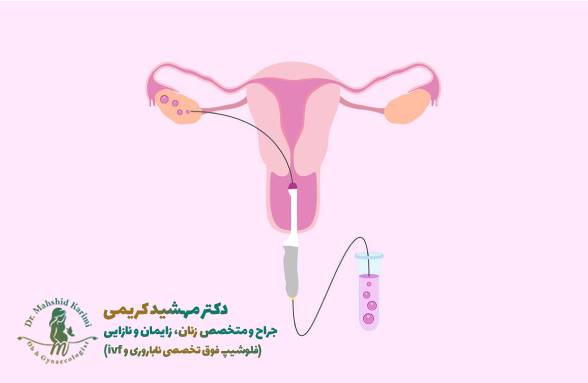
When the eggs are mature enough, the doctor removes the eggs from the ovaries using ultrasound and a very thin needle. The procedure is usually performed under light anesthesia to minimize pain and discomfort. The harvested eggs are immediately transferred to the laboratory to be prepared for the next steps.

sperm preparation

The male sperm sample is examined in the laboratory and the best sperms are separated. If the number or quality of sperm is low, careful sperm selection methods are used to select healthy and active sperm for injection. This stage plays a very important role in increasing the chances of successful conception.

Sperm to egg injection

Using a microscope and very precise instruments, a healthy sperm is injected into each egg. This is the main stage of microinjection and the doctor performs it with high precision to maximize the chance of conception. This process allows the doctor to bypass problems related to sperm quality or movement.

embryo cultivation

At this stage of microinjection, the fertilized eggs, now called embryos, are grown under controlled conditions in the laboratory for several days. During this time, the medical team carefully examines the growth and cell division of the embryos, and the best embryos are selected for transfer.

embryo transfer to the uterus

Healthy embryos are transferred into the woman's uterus with the help of a delicate catheter without causing pain. This step usually does not require anesthesia and is a quick and safe process. After the transfer, the doctor gives the necessary recommendations for taking care of the fetus and preparing the uterus.

follow-up and pregnancy test

A few days after the transfer of the embryo, the doctor checks the condition of the uterus and the embryo. After about two weeks, a pregnancy test is done to determine if the treatment was successful. If needed, additional procedures such as transfer of frozen embryos or additional consultations are performed.

microinjection success percentage

Microinjection is one of the most advanced methods of artificial insemination, and its success rate depends on several factors. The most important factors include the woman's age, egg and sperm quality, fertility history, clinic experience and equipment, and the cause of infertility.

1. Woman's age

A woman's age is one of the most determining factors for the success of this method. With increasing age, the quality and number of eggs decreases and the chance of fertility decreases. In general:

  • Women under 35 years: success is about 40 to 50% in each treatment cycle.
  • Women aged 35 to 40: success is about 30 to 40%.
  • Women over 40: Success drops to 15 to 25% and remains dependent on egg quality.

2. Quality and number of sperm

Microinjection is a suitable option for people with low sperm quality or quantity. Even in cases where the sperm is very weak or abnormal, this method can produce successful fertilization. Low sperm quality may require careful selection of sperm and increase the number of treatment cycles.

3. Egg quality

A healthy, high-quality egg plays a vital role in the success of microinjection. Old or damaged eggs reduce the possibility of fertilization and cell division.

4. Clinic experience and equipment

Clinics that are highly experienced in performing microinjections and use modern equipment usually provide better results. The skill of the medical team in selecting sperm and the technique of direct injection into the egg plays an important role in increasing the chances of success.

5. Medical conditions and fertility history

Some medical problems such as polycystic ovary syndrome, hormonal disorders or a history of repeated miscarriages can reduce the chances of success. Careful examination of medical history and complementary treatments can improve the probability of success.

6. Final success and the birth of a live baby

Even if in vitro fertilization is successful, not all cases result in the birth of a healthy baby. Statistics show that the final success rate of live births is usually slightly lower than the fertility statistics in each cycle.
Read more about difference between microinjection and IVF

Microinjection and IVF are both advanced methods of artificial insemination, but they have important differences that contribute to their success and application:

1. Mode of conception

  • IVF (in vitro fertilization): In this method, egg and sperm are placed together in the laboratory and fertilization occurs naturally. The sperm must enter the egg by itself.
  • Microinjection (ICSI): In this method, a healthy sperm is directly inserted into the egg with precise tools. This method is suitable for people whose sperm count is weak or low.

2. Terms of Use

  • IVF: is used when the quality of sperm and egg is suitable and natural fertilization is possible in the laboratory.
  • Microinjection: Used when there is low sperm quality, abnormal shape or male fertility problems, or the IVF method has not been successful.

3. The extent of physician involvement

  • IVF: The doctor's involvement in fertilization is less and the egg and sperm do the fertilization themselves.
  • Microinjection: The doctor directly and with high precision injects the sperm into the egg, so he has more control over the fertilization process.

4. Success and Application

  • IVF: Suitable for couples with mild or moderate fertility problems. Success depends on the quality of sperm and egg.
  • Microinjection: Chances of success are higher in problematic cases, because the doctor can bypass problems with sperm and create fertilization.

5. Cost and time

  • Usually, this method is a bit more expensive and requires higher equipment and expertise, but in certain cases it increases the chances of success.
What is microinjection?

side effects of microinjection

Microinjection is an advanced and precise method of fertility, but like any other medical procedure, it may be associated with some complications. Knowing these complications helps couples make an informed decision.

short-term effects for women

  • Reaction to Ovarian Stimulation Medications: Hormonal medications to stimulate ovulation may cause nausea, bloating, headaches, or mood changes.
  • Ovarian Hyperstimulation Syndrome (OHSS): In rare cases, the ovaries become overstimulated and may cause pain, swelling, and more serious problems.
  • Infection or bleeding: Inserting a needle into the ovary to retrieve an egg may cause bleeding or infection, but these are rare.

short-term effects for men

Usually, men do not have special physical complications, except in cases where a sperm biopsy is required. This procedure may cause some pain or swelling.

Some studies suggest there may be a slightly increased risk for genetic problems or birth defects, but definitive evidence is limited. Using low-quality sperm can increase the likelihood of some genetic problems, so necessary screenings are recommended.

Psychological effects

Mental stress of infertility treatment can be significant. Anxiety, stress and worry about the success of the treatment and pregnancy process are common side effects. Psychological support and counseling can be very helpful.

Long-term effects

So far, there is no definitive evidence of long-term physical side effects in women or men who have had microinjections. However, medical supervision and regular follow-up after treatment are recommended.

Who is microinjection suitable for?

Microinjection (ICSI) is an advanced method of infertility treatment and not everyone needs it. This method is usually suitable for people who have certain fertility problems and the chances of success with conventional IVF methods are low. The ideal candidate includes the following:

  • Male sperm problems
    • Very low sperm count (oligospermia).
    • low sperm movement (asthenospermia).
    • Abnormal shape of sperm (teratospermia).
    • Absence of sperm in the semen sample (azoospermia), which requires the direct collection of sperm from the testicle.
  • Previous IVF failure: Women who have done IVF several times but did not conceive or the embryo quality was poor. In these cases, microinjection can bypass the problem of sperm entering the egg.
  • Unknown infertility: Couples who do not have a specific reason for infertility but have been trying to conceive unsuccessfully for a long time.
  • Use of frozen or weak sperm: In cases where frozen sperm or sperm of low quality are used, microinjection increases the chances of conception.
  • Specific genetic problems: Couples who need to prevent the transmission of genetic problems and are scheduled to undergo genetic testing before embryo transfer (PGT).

final speech

Microinjection is one of the most advanced infertility treatment methods, which by directly injecting sperm into the egg, significantly increases the chances of conception and fertility in situations where other methods are not responsive. This method is especially suitable for men with poor sperm quality, low sperm count or genetic sperm problems, as well as women who have had several unsuccessful IVF cycles. Despite the significant benefits, this method may be associated with some short-term, psychological or rare physical side effects. Choosing a reliable clinic, carefully following the treatment steps and counseling before starting the treatment, is the key to reducing risks and increasing success.

Related content
اشتراک‌گذاری:

مقالات مرتبط

مقالات دیگر از این نویسنده

19 مقاله
How is puncture or ovulation done in IVF?
مطالعه بیشتر

How is puncture or ovulation done in IVF?

پانکچر یا تخمک‌کشی در IVF چگونه...

2 weeks ago بخوانید
Symptoms of iron deficiency in women that you should not ignore
مطالعه بیشتر

Symptoms of iron deficiency in women that you should not ignore

نشانه‌های کمبود آهن در زنان که...

2 weeks ago بخوانید
One hundred percent female fetus symptoms: the most important female pregnancy symptoms in the first month
مطالعه بیشتر

One hundred percent female fetus symptoms: the most important female pregnancy symptoms in the first month

علائم صد در صد جنین دختر: مهم ت...

3 weeks ago بخوانید
How is non-surgical treatment of uterine prolapse possible?
مطالعه بیشتر

How is non-surgical treatment of uterine prolapse possible?

درمان غیر جراحی افتادگی رحم با...

3 weeks ago بخوانید
Causes of bleeding after intercourse: a warning sign that you should take seriously!
مطالعه بیشتر

Causes of bleeding after intercourse: a warning sign that you should take seriously!

دلایل خونریزی بعد از نزدیکی: عل...

3 weeks ago بخوانید
The best methods of treating uterine adhesions + its effect on fertility
مطالعه بیشتر

The best methods of treating uterine adhesions + its effect on fertility

بهترین روش های درمان چسبندگی رح...

3 weeks ago بخوانید
Amazing benefits of yoga during pregnancy + safe exercises for expectant mothers
مطالعه بیشتر

Amazing benefits of yoga during pregnancy + safe exercises for expectant mothers

فواید شگفت‌انگیز یوگا در باردار...

3 weeks ago بخوانید
How successful is gender determination with PGD? (best PGD sex determination doctor)
مطالعه بیشتر

How successful is gender determination with PGD? (best PGD sex determination doctor)

تعیین جنسیت با PGD چقدر موفق اس...

3 weeks ago بخوانید
Nursing mother's nutrition in the first months + list of foods without bloating
مطالعه بیشتر

Nursing mother's nutrition in the first months + list of foods without bloating

تغذیه مادر شیرده در ماه های اول...

3 weeks ago بخوانید
The best infertility specialist in Tehran (infertility specialist)
مطالعه بیشتر

The best infertility specialist in Tehran (infertility specialist)

بهترین متخصص نازایی در تهران (ف...

3 weeks ago بخوانید
Types of period blood colors; Which color of period blood is dangerous?
مطالعه بیشتر

Types of period blood colors; Which color of period blood is dangerous?

انواع رنگ خون پریودی؛ کدام رنگ...

3 weeks ago بخوانید
Time to start frequent urination in pregnancy + home treatment
مطالعه بیشتر

Time to start frequent urination in pregnancy + home treatment

زمان شروع تکرر ادرار در باردرای...

3 weeks ago بخوانید
The role of vitamin D in women's fertility + the importance of its consumption for women
مطالعه بیشتر

The role of vitamin D in women's fertility + the importance of its consumption for women

نقش ویتامین D در باروری زنان +...

3 weeks ago بخوانید
How to treat vaginal darkening during pregnancy?
مطالعه بیشتر

How to treat vaginal darkening during pregnancy?

تیره شدن واژن در بارداری را چطو...

3 weeks ago بخوانید
Is uterine fibroid dangerous in pregnancy? (treatment and control solutions)
مطالعه بیشتر

Is uterine fibroid dangerous in pregnancy? (treatment and control solutions)

فیبروم رحم در بارداری خطرناک اس...

3 weeks ago بخوانید
Reasons for failure of IVF and embryo transfer
مطالعه بیشتر

Reasons for failure of IVF and embryo transfer

دلایل شکست ای وی اف و انتقال جن...

3 weeks ago بخوانید
What should we eat to have a girl? Diet to determine the sex of a girl
مطالعه بیشتر

What should we eat to have a girl? Diet to determine the sex of a girl

برای دختر دار شدن چه بخوریم؟ رژ...

3 weeks ago بخوانید
Pagedone
Resources
Products
©GCORP LLC 2026, All rights reserved.