Melasma pregnancy spot is one of the common skin problems during pregnancy that causes brown or gray spots on the face. These spots mostly appear on the cheeks, forehead, nose and upper lip and are usually painless. Hormonal changes and sunlight are the main factors that cause it, but luckily, it usually fades after giving birth. Recognizing, preventing and managing these stains helps the mother to have more self-confidence and peace, which we will discuss in more detail in this article from your doctor.
What is the shape of a pregnancy spot (melasma) and in which areas does it appear?
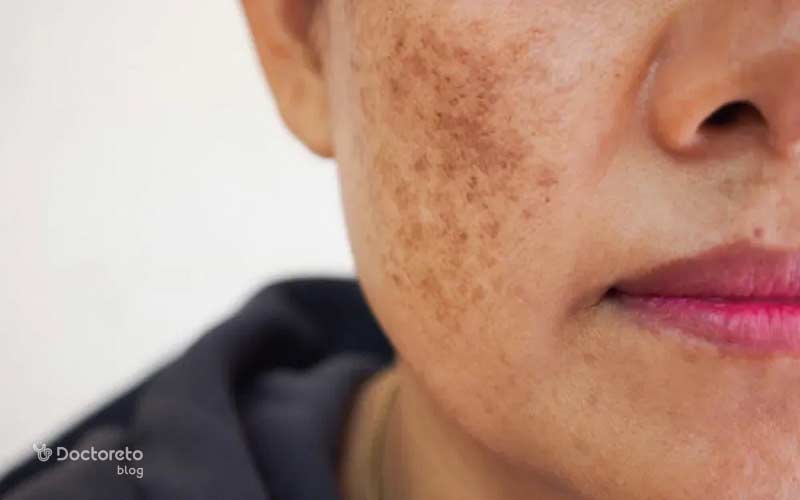
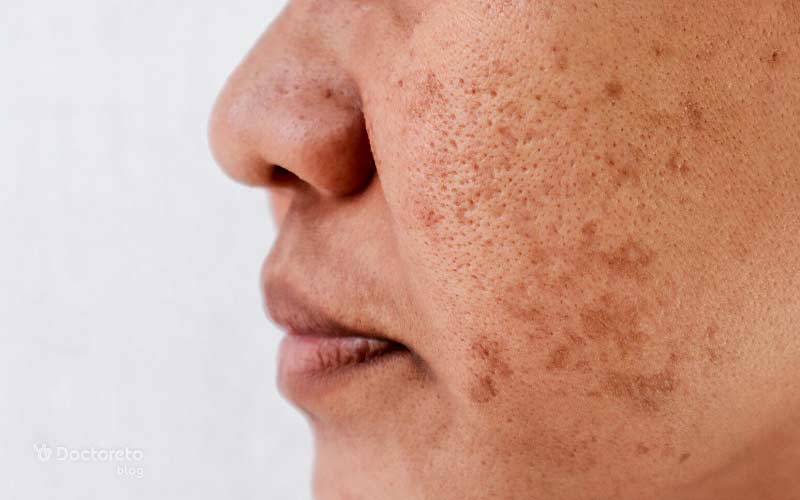
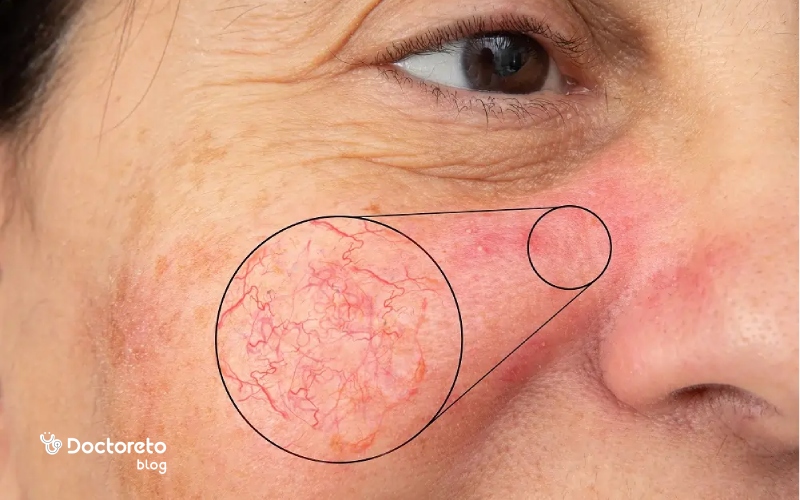
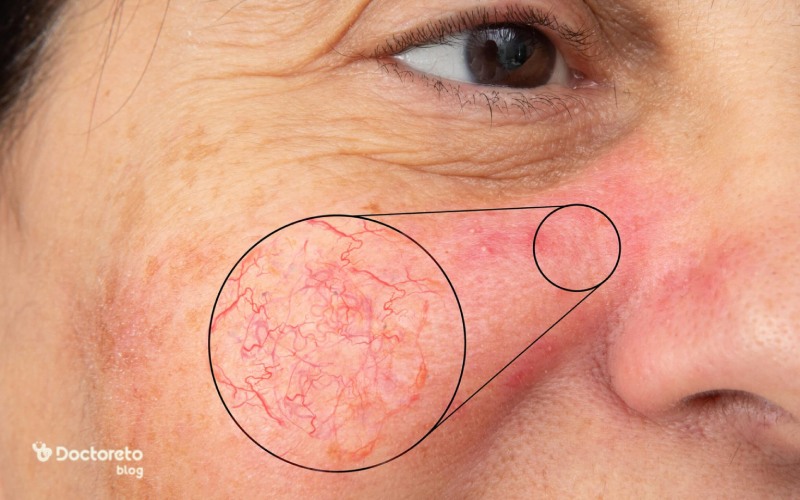
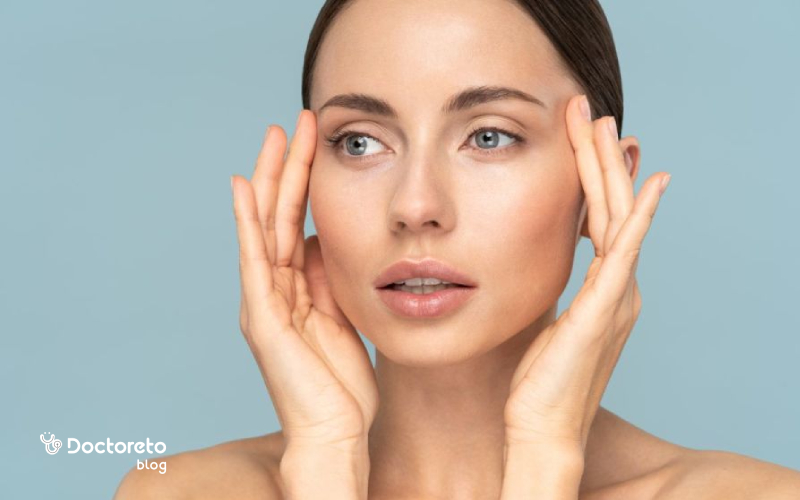
Pregnancy spot is one of pregnancy complications which usually appears as brown or light to dark gray spots on the skin. These spots are often irregular and may be seen with well-defined or ill-defined borders. The size and intensity of the spot can vary from a small spot to large areas on the face. The most areas where melasma is observed include the cheeks, forehead, nose and upper lip.
Sometimes it can also occur on the chin and even the neck. Because these spots are more common in sun-exposed areas, exposure to the sun can aggravate them. Symptoms associated with pregnancy spots are usually limited to skin discoloration and do not cause pain, itching, or inflammation, but some people may experience mild sensitivity or itching. However, spots may cause cosmetic and psychological concerns for mothers and need proper management.
English text: Melasma affects mainly the face, so the forehead, nostrils, cheeks, upper lip and chin may develop one or more brown spots with regular contours. Pregnancy masks can also appear on the neck. Signs of a pregnancy mask may appear on the body too. Farsi translation: Melasma is mainly seen on the face; Therefore, the forehead, nose, cheeks, upper lip and chin may develop one or more brown spots with a clear border. These spots sometimes appear on the neck and its symptoms may also be seen in other parts of the body.
Pregnancy spots usually appear as brown or light to dark gray spots on the skin.
The cause of pregnancy spots (melasma)
Pregnancy spots are caused by hormonal changes during pregnancy. The increase in estrogen and progesterone hormones stimulates the cells that produce melanin in the skin, and this causes darkness and the formation of melasma spots. Sunlight plays an important role in aggravating pregnancy spots. Ultraviolet rays stimulate more melanin and make the spots bigger.
For this reason, pregnant mothers who are exposed to the sun are more prone to face spots melasma. Other factors such as genetics, use of certain medications, stress and previous skin changes can also increase the likelihood of pregnancy spots. If there is a family history of melasma, it is more likely to develop during pregnancy.
In which people are pregnancy spots more common?
Melasma is more common in women with dark and medium skin. These people are prone to develop brown spots during pregnancy due to the higher activity of melanin cells. Women who have a family history of pregnancy spots or have previously suffered from melasma are more likely to develop it during pregnancy.
Also, women who are exposed to a lot of sunlight or their lifestyle has a lot of outdoor activities, are more prone to these spots. Age can also play a role; Melasma is usually seen between the ages of 20 and 40 and is more common during pregnancy. Therefore, knowing these factors helps in better prevention and management.
How to diagnose melasma?
Pregnancy spot diagnosis is usually based on clinical examination. The doctor examines your skin and determines the type and area of the spots. This examination is painless and does not require any special tests. Sometimes the doctor uses a special light and filter to check the intensity and depth of the pigments. This will help distinguish pregnancy spots from other skin problems and determine the best treatment plan.
In rare cases, a skin sample may be taken to make sure the blemish is not caused by a more serious problem. However, most melasmas are easily diagnosed without the need for specific tests.
The difference between pregnancy spots and other skin spots
One of the most important differences between pregnancy spots and other types of facial spots is the time and cause of its occurrence. Melasma usually appears during or after pregnancy and is caused by hormonal changes, while spots caused by the sun or aging may develop gradually and unrelated to pregnancy.
Pregnancy spots are mostly seen on the face and areas exposed to sunlight and usually have a uniform and brown color. On the other hand, spots caused by boils or skin injuries have a more diverse color and shape and may be accompanied by uneven texture. Also, melasma is usually painless, itchy or inflamed, while some other blemishes may cause additional symptoms such as swelling or redness. Correct diagnosis by a doctor is very important to choose the right treatment.
Feature
Pregnancy spot (melasma)
Other skin spots
Time of formation
Usually during pregnancy or later
Gradual, unrelated to Pregnancy
Main cause
Hormonal changes (estrogen and progesterone)
Sun, aging, acne or skin damage
Common site
Face (cheeks, forehead, nose, upper lip)
Variable, may be anywhere on the body Be
Color and shape
Uniform brown, irregular or defined borders
Various color and shape, sometimes uneven or with altered texture
Accompanied symptoms
No pain, itching or inflammation
May have swelling, redness or inflammation
In this table, a comparison has been made between pregnancy spots and other skin spots.
Pregnancy spot treatment (melasma)
Pregnancy spot treatment includes prevention methods, skin care and in some cases medical treatments that are different depending on the stage of pregnancy or after delivery. The main goal is to reduce darkness and control the spread of blemishes. In the following, we explain in detail the methods of removal of facial spots during pregnancy, after childbirth and breastfeeding, as well as home remedies.
English text: Melasma can go away on its own. For example, once a pregnant woman has delivered the baby, and her hormones have returned to normal levels, the blemishes usually fade. But it can take a while, and you may be too self-conscious about your appearance to wait months to years for that to happen. Farsi translation: Melasma may disappear by itself. For example, when a pregnant mother gives birth and her hormones return to normal levels, spots usually fade. But this process may take time, and you may be too worried about your appearance to wait months or even years.
1. Pregnancy spot treatment during pregnancy
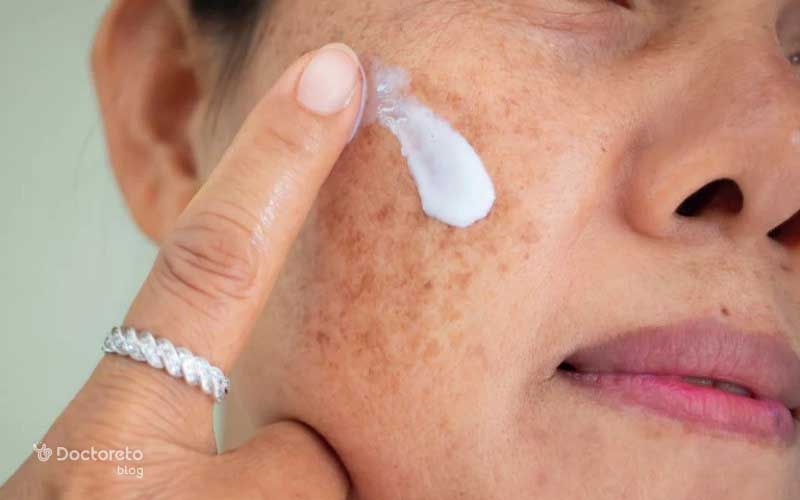
During pregnancy, intensive treatments or drugs are usually not recommended. The best solution is to use sunscreen creams with high SPF and avoid direct sunlight. This will prevent the spots from getting bigger. Creams and moisturizing products containing natural and pregnancy-safe ingredients can also help lighten blemishes, but their effectiveness is limited.
At this time, the focus is more on preventing and controlling the severity of blemishes. Some doctors recommend using light makeup to cover blemishes, but non-stimulating and safe products for mother and fetus should be used. The most important point is patience and gradual management of blemishes during pregnancy.
2. Treatment of pregnancy spots after childbirth and breastfeeding
After giving birth, many pregnancy spots gradually fade, but topical treatments can speed up the lightening process. Creams containing vitamin C, azelaic acid, or hydroquinone are usually effective. It is possible to use laser or stronger treatments after breastfeeding, but it must be done under the supervision of a specialist.
These methods can help reduce blemishes and even out skin tone. During breastfeeding, mild and safe products are recommended to prevent the absorption of drugs into breast milk. It is still important to protect the skin and use sunscreen continuously.
3. Home treatment for pregnancy spot
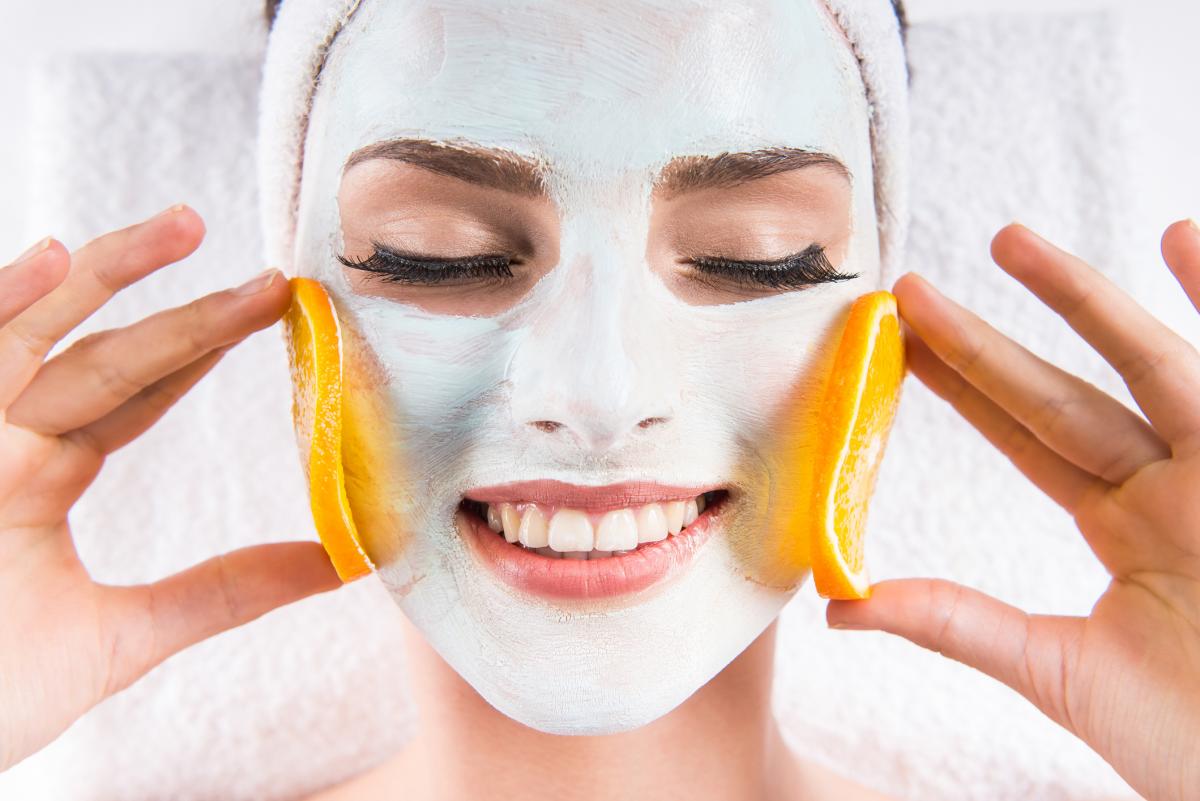
Melasma home treatment includes the use of natural ingredients and proper lifestyle. Eating fruits and vegetables rich in antioxidants, enough water and regular sleep can help skin health. Homemade masks with ingredients such as honey, yogurt or lemon juice can lighten the pigmentation a little, but their effect is limited and their use should be done with caution.
Always make sure your skin is not allergic before using for face hyperpigmentation home treatment. In addition, avoiding direct sunlight and using a hat and household sunscreen are the most important ways to control spots at home. Home treatment complements medical treatments and should be done with patience and persistence.
Melasma prevention
Melasma prevention is largely dependent on protecting the skin from sunlight. Daily use of sunscreen with appropriate SPF and coverage of sun-exposed areas is the first step. Hormones cannot be controlled naturally, but a healthy lifestyle and stress management can help reduce the severity of blemishes.
Also, avoiding excessive use of cosmetics or products that irritate the skin is effective. Genetic prevention is not possible, but knowing your personal risks and taking care of your skin before and during pregnancy is the best way to reduce the possibility of spots.
Melasma prevention is largely dependent on protecting the skin from sunlight.
Conclusion
Pregnancy spot or melasma is a common and harmless complication during pregnancy that is mostly caused by hormonal changes and sunlight. These spots usually appear on the face and can affect the self-confidence of mothers. Fortunately, in many cases, they gradually fade after delivery, and home or medical treatments can speed up the healing process. Prevention by protecting the skin from the sun and proper skin care is very important. Knowing the risk factors and spot control methods will help the mother experience less stress. Finally, patience, care and following your doctor's advice are the best ways to manage melasma.
Your doctor takes care of your health!
Frequently Asked Questions
Pregnancy spot usually fades gradually after childbirth, but there is no definitive treatment. Treatment methods can speed up the healing process, but you always need to be patient.
Melasma itself is not dangerous and does not harm the health of the mother and fetus. The main problem is the mother's beauty and self-confidence.
No, melasma can be caused by hormonal changes, drug use or prolonged sun exposure in other conditions. can also occur, but the most common time is during pregnancy.
In most cases, the spots fade gradually after giving birth. However, in some people, they may remain for months and require additional treatments.
It is different for each person.
During breastfeeding, laser use should be done with caution and expert opinion. Some lasers can be safe, but it is better to use gentle and safe methods for the mother first.