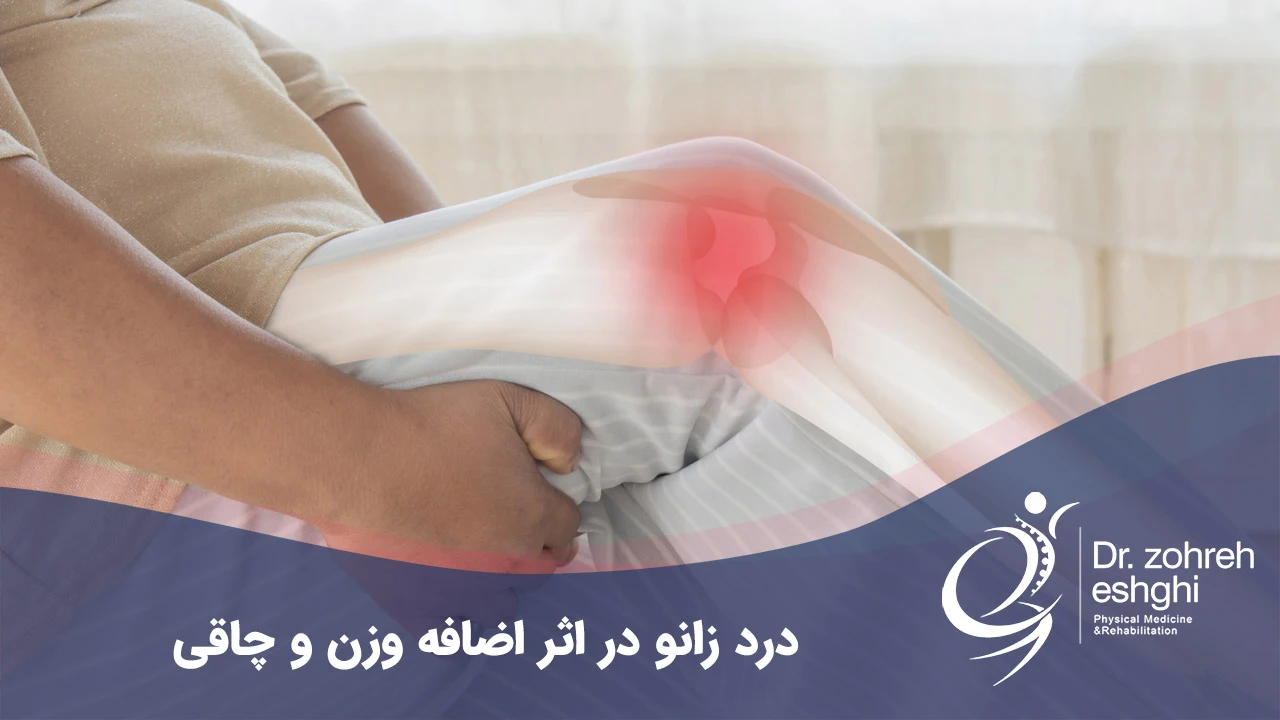
Knee pain due to overweight and obesity + solutions in Shiraz

Dr. Zohra Eshghi
ShirazPhysical medicine specialist - nerve and muscle tape
 0 (0)
0 (0)Body weight plays an important role in knee health, especially when it comes to diseases like osteoarthritis. Studies have shown that excess weight can have a direct effect on the development and exacerbation of knee pain and is considered one of the key factors in managing pain and preventing knee problems.
The relationship between excess weight and knee pain
Research shows that excess weight, especially in people who suffer from osteoarthritis, puts extra pressure on the knee joints. For example, only 3.7% of people with a normal weight (body mass index 18.5 to 25) develop knee osteoarthritis, while this figure increases to 19.5% in people with a body mass index between 35 and 39.
Obesity can increase the likelihood of severe knee pain in older people without knee pain over a three-year period.
Benefits of weight loss for knee health

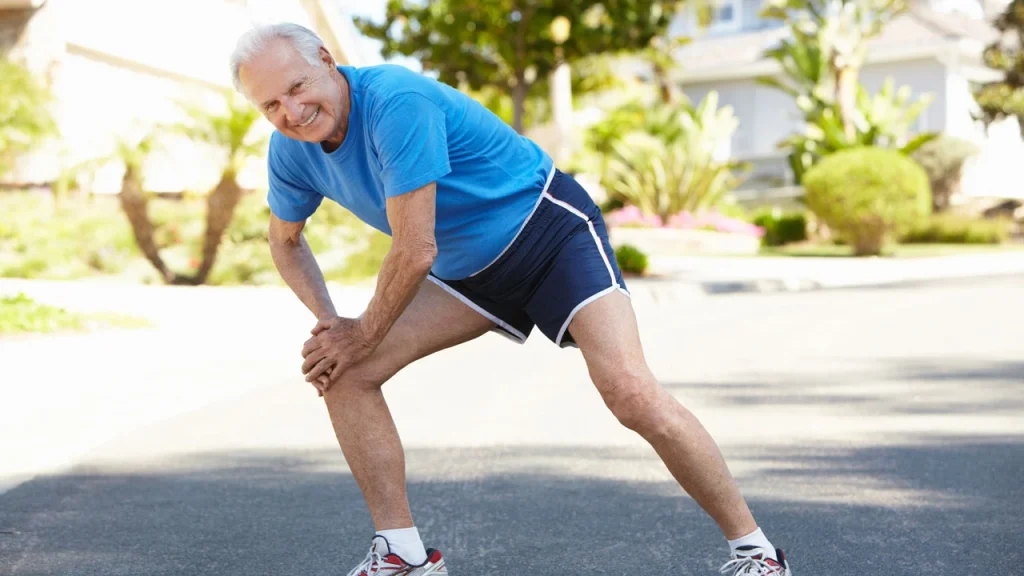
Losing 5% or more of body weight can have a positive effect on knee function and treatment outcomes. Obesity may increase the level of inflammation in the body and lead to joint pain. Weight loss greatly reduces this inflammatory response.
When people lose an average of about 1 kilogram of weight per month over a period of three months to two years, inflammation in the body is significantly reduced.
In addition, a reduction in body mass index potentially prevents 19 percent of new cases of severe knee pain over a three-year period in older adults.
As a result of maintaining a healthy weight. Or trying to lose weight in case of being overweight can reduce the risk and impact of knee pain symptoms due to obesity and provide a non-invasive and preventive method for pain management.
Symptoms of knee pain caused by excess weight
Increasing weight can put additional pressure on the knee joints and lead to symptoms such as:
- Joint discomfort: the knees have to bear the weight of the body and this pressure in obese people It is much more.
- Swelling and stiffness: Inflammation in the knee joints can lead to swelling and reduced flexibility.
- Decreased range of motion: High weight makes it difficult to move the knees and reduces their flexibility.
When walking on flat ground, the force on the knees is equal to one and a half times the body weight, and going up and down the stairs or Squatting can increase the force on the knees by 2 to 3 times the body weight or even 4 to 5 times the body weight.
These activities can further reduce the range of motion and flexibility of the knee joint. Early detection of these symptoms and taking appropriate measures to control this disease will help reduce pain and improve knee health. Weight loss, regular exercise and other lifestyle changes play an important role in managing symptoms and improving the condition of the knee. src="data:image/svg+xml;base64,PHN2ZyB4bWxucz0iaHR0cDovL3d3dy53My5vcmcvMjAwMC9zdmciIHdpZHRoPSIxMDI0IiBoZWlnaHQ9IjU3NiIgdmlld0JveD0iM CAwIDEwMjQgNTc2Ij48cmVjdCB3aWR0aD0iMTAwJSIgaGVpZ2h0PSIxMDAlIiBzdHlsZT0iZmlsbDojZjdmN2Y3O2ZpbGwtb3BhY2l0eTogMC4xOyIvPjwvc3ZnPg=">
Lose weight
Even a small amount of weight loss can help reduce pressure on the knees.
Knee osteoarthritis affects 3.7% of people of a healthy weight (BMI 18.5 to 25), but It affects 19.5% of people with 2nd degree obesity with a body mass index of 35 to 39.9.
For obese people with knee arthritis, determining the goal of reducing 10 A weight percentage and aiming for a body mass index of 18.5 to 25 can help reduce knee pain and prevent joint damage from worsening.
Regular exercise
Low-stress exercises such as walking or swimming can help strengthen the muscles around the knee. To improve pain and function in the treatment of knee problems, supervised exercise, unsupervised light exercise, or water sports are recommended.
Diet modification
Consumption of anti-inflammatory and balanced foods can be effective in managing inflammation and pain.
Medical and surgical treatments
In severe cases, the doctor may suggest methods such as weight loss surgery or knee joint replacement. Surgery is recommended when symptoms of knee pain due to excess weight do not respond to other treatments and exercise interventions are still ongoing.
Surgery should be the last option and after consultation with a Obesity not only increases the possibility of knee pain due to arthritis, but also increases the severity of the symptoms. People who are overweight are more likely to experience severe knee pain, decreased mobility, and reduced physical function. Approximately 19 percent of all new cases of severe knee pain in people 50 and older can be attributed to obesity. Obesity and excess weight may increase the level of inflammation in the body and lead to joint pain. Excess weight puts a lot of pressure on joints, including hip, knee and spine joints. For example, the knee joints support four times the weight of the body. This means that if you weigh 75 kg, your knees will support 300 kg when standing or walking. Losing even a small amount of weight can make a significant difference. For example, being 5 kg lighter will reduce the load on the knees by 20 kg.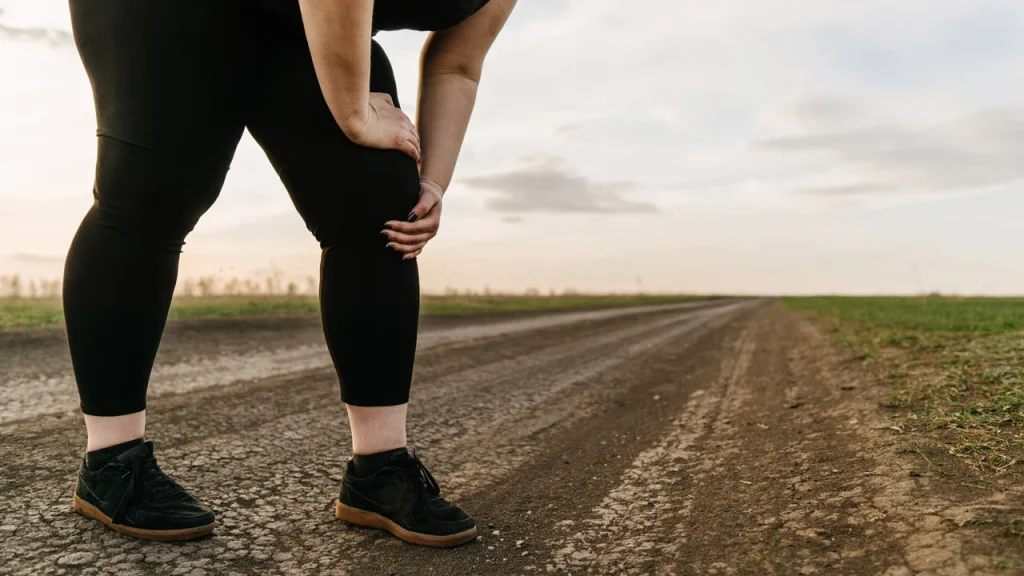
Effect of weight on joints
Prevention of knee pain related to excess weight