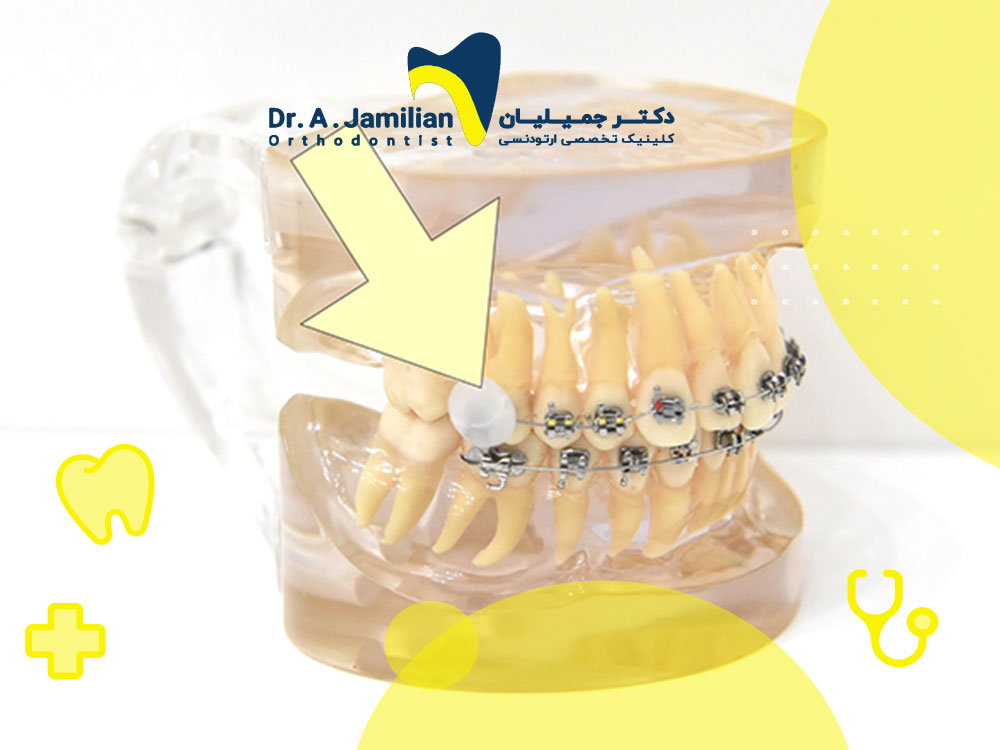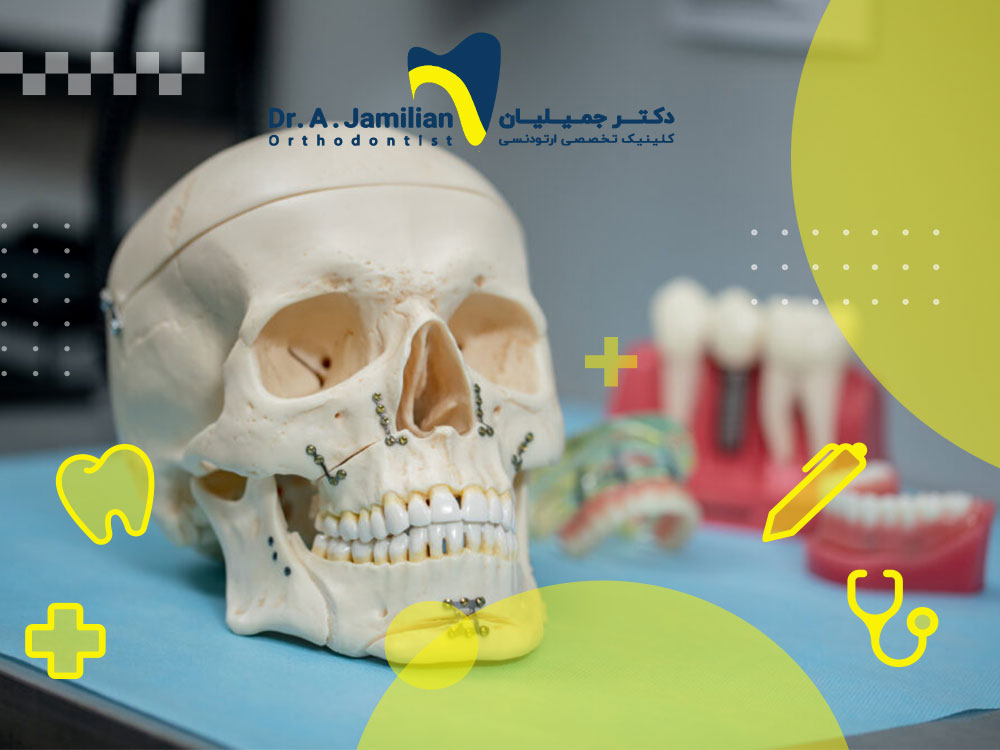

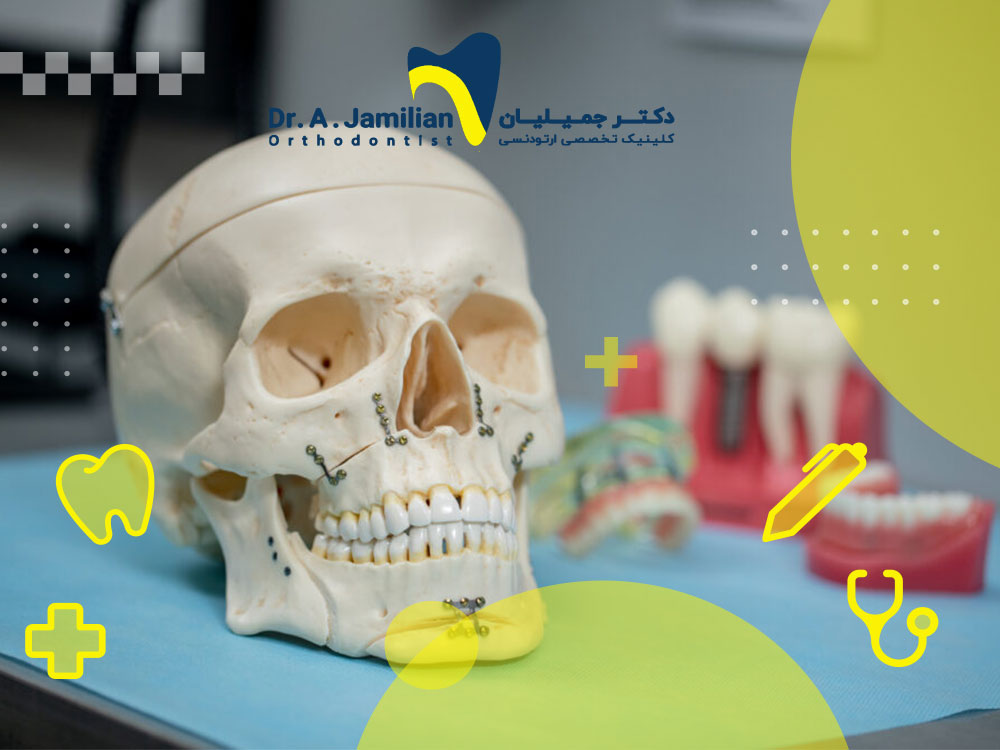
How long does it take to heal the jaw after surgery? What factors make this time shorter or longer? What is our role as a patient in the period of fusion of the jaw after surgery? Often, people who have to perform jaw surgery or are undergoing their recovery period are looking for answers to these questions. In this article, we intend to answer the above questions completely and scientifically.
The time of jaw sealing after surgery depends on what factors?
There are several important factors that determine the time of fusion of the jaw after surgery, including:
- upper or lower jaw surgery
- Underlying diseases and the condition of the patient's immune system
- The patient's lifestyle after the operation
- The degree of adherence to the treatment plan
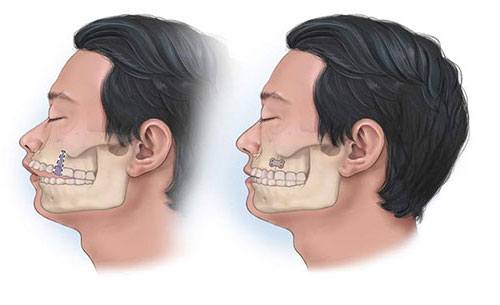
jaw surgery type
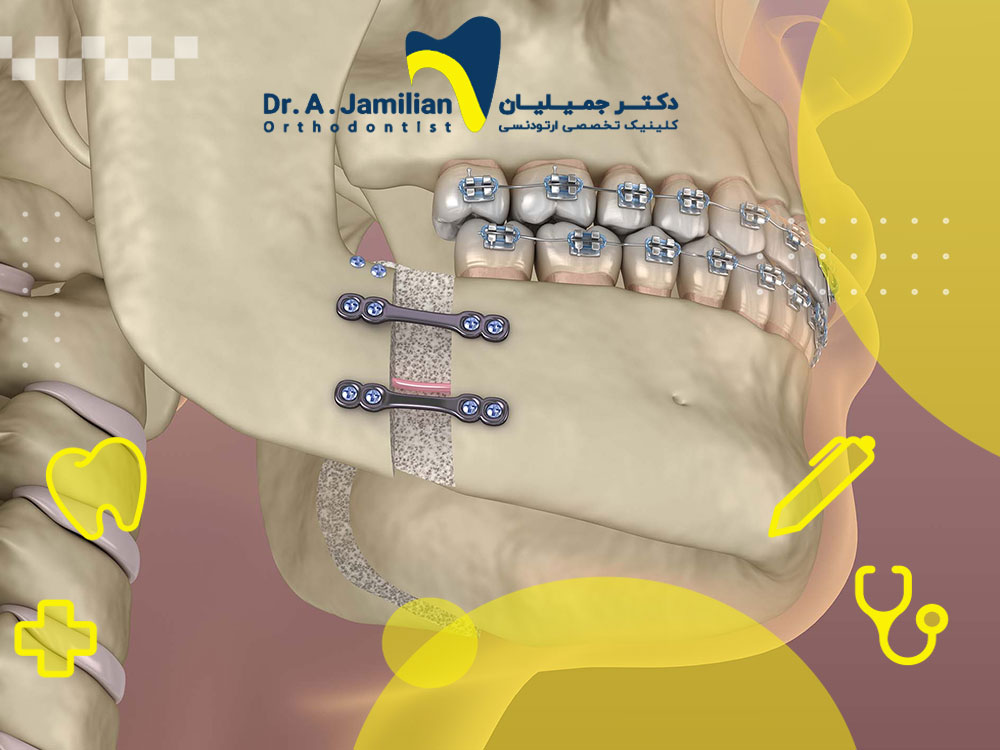
There are different types of jaw surgery, some of which are complicated and heavy. As a result, they increase the time of fusion of the jaw after surgery. In this context, we can refer to simultaneous surgery of two jaws (Bimaxillary Osteotomy). This type of surgery requires simultaneous correction of the upper and lower jaws, and in some cases bone grafting is also required.
In many people, maxillofacial surgery only includes the upper jaw, lower jaw, or chin. These types of surgeries are less complicated than the simultaneous surgery of two jaws. For this reason, the jaw fusion time after surgery is usually shorter.
Among these surgeries can be mandibular anterior surgery is performed on one jaw or chin alone, the course It will have a short recovery.patient health conditions
Some people have underlying diseases such as diabetes, which increases the time of jaw fusion after surgery compared to healthy people. Osteoporosis, some diseases of the immune system, such as HIV, are among the diseases that can delay the complete recovery of the jaw bone.
The role of the patient during the fusion of the jaw after surgery
The role of the patient during the fusion of the jaw after surgery can be examined in two discussions: following the doctor's instructions and the patient's lifestyle. Unhealthy lifestyles can significantly increase or impair recovery time, including smoking and drinking alcohol. Nicotine reduces the power of blood supply to the damaged tissue.
Doing the following also poses a serious challenge to the treatment process:
- Eating hard foods
- Not using the prescribed protections
- Severe jaw movements
- Blow to the jaw (as a result of heavy sports, etc.)
Also, in case of non-compliance with hygiene or taking prescribed antibiotics, the risk of infection of the surgical site is very high. The occurrence of infection can be a very serious and dangerous factor that disrupts the jaw fusion process.

Shorten the time of jaw welding after surgery!
Observing the following points can shorten the time of jaw fusion after surgery:
-
Effective control of underlying diseases such as diabetes
- Regular use of medicines
- Diet rich in protein, calcium and vitamins
- Avoid pressure on the jaw especially in the first weeks
- Quit smoking and alcohol
- doing light sports
Approximate duration of jaw-swelling after surgery
The average time required for the fusion of the jaw after surgery is as follows:
-
Combined surgeries of two jaws: 6 months to 1 year
- Chin surgery: 3 to 6 months (full recovery)
- Mandibular surgery: 3 to 6 months (initial recovery)
- Maxillary surgery: 3 to 6 months (initial recovery)
Non-fusion of the jaw after surgery
One of the rare but serious problems is non-union of the jaw after maxillofacial surgery. If the bone is not fused after 6 months to a year, it is diagnosed as non-union. The reasons for this problem can be infection after surgery, early pressure on the jaw, smoking and alcohol consumption, problems related to surgery such as serious vascular damage, etc. It may be necessary to perform jaw surgery before, after or during orthodontic treatment, which is the same in the process of healing and fusion of the jaw after Action is effective.
summary
The duration of jaw fusion after surgery depends on various factors, the most important of which are the type of surgery, the health condition of the patient, the presence or absence of an underlying disease, and the accuracy of following the doctor's instructions after the operation. A healthy lifestyle can significantly reduce recovery time. On the other hand, if you are negligent, you may face non-union of the jaw after surgery, which will cause serious problems for you.