
آیا فیبروم رحم یا میوم خطرناک است؟
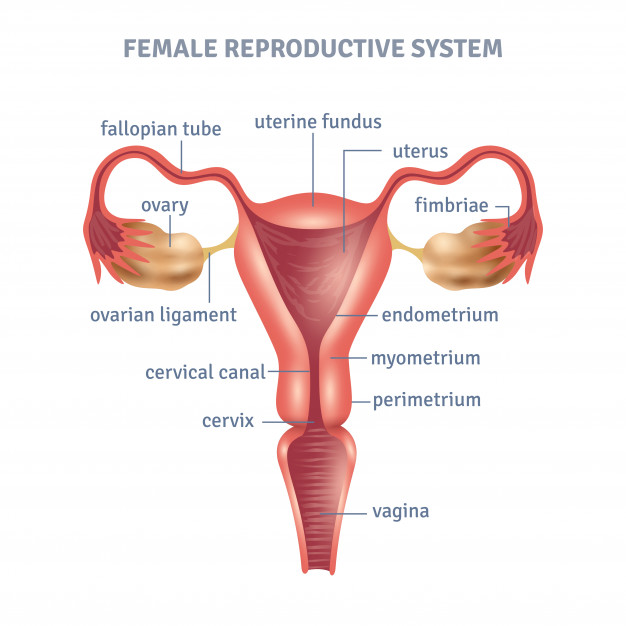
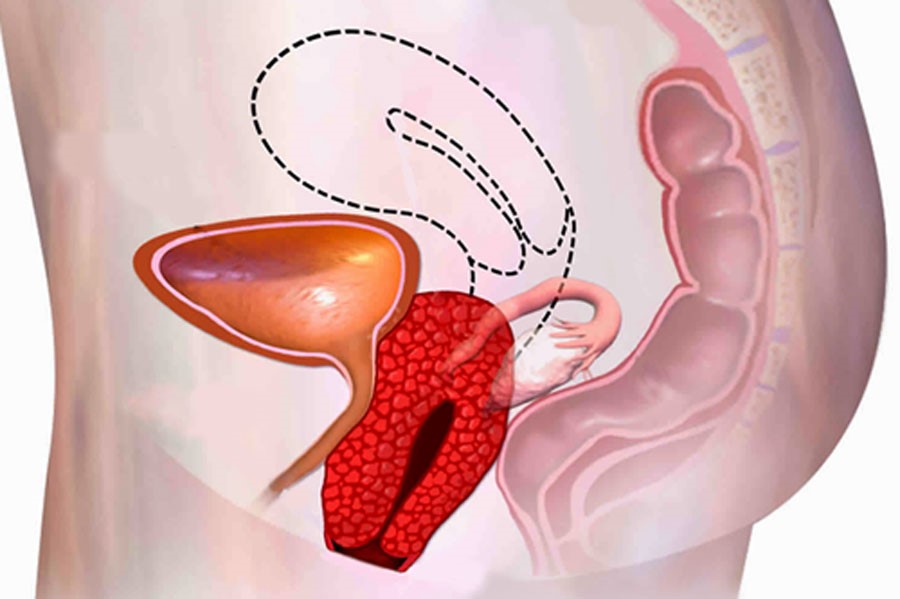
فیبروم رحم تومورهایی هستند که از سلولهای عضلانی صاف و بافت همبند فیبری ساخته شدهاند. ممکن است آنها را با نام لیومیوما و یا میوم نیز بشنوید. آنها در رحم ایجاد میشوند. گفته میشود تا ۵۰ درصد زنان بالای ۳۵ سال در سونوگرافی فیبروم گزارش میشود.
همه آنها از خود علائمی را نشان نمیدهند. For this reason, many people are unaware of its existence.
In most cases, the investigation of other diseases will lead to their discovery. Many women are worried that fibroids can lead to cancer. In this regard, you should know that they are mostly benign and can be treated. In fact, it should be said that cancerous fibroids are very rare.
There is no specific size for fibroids, even the speed of their growth varies from person to person. They can be the size of a pea and grow to the size of a watermelon. In this case, the uterus will expand so much that it puts pressure on the organs inside the abdomen, such as the intestines, bladder, and even the chest.
Also, the person is faced with overweight. There is no specific number of fibroids in the uterus, you may have more than one fibroid. بروز فیبروم رحم معمولا در سنین باروری شایع است.
چند نوع فیبروم رحم وجود دارد؟
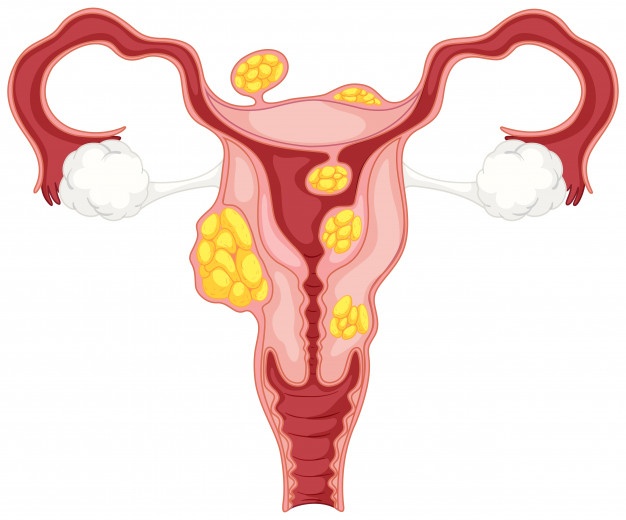
نوع فیبروم رحم به محل قرار گیری آن بستگی خواهد داشت. Based on this, four cases can be mentioned: intramural, submucosal, subserosal and basal fibroid.
Intramural fibroma
These fibroids are seen in the uterine wall. It is said that all fibroids are of this type at first. Their growth will cause tension in the uterine wall. The exact cause is not known. Doctors believe that fibroids arise from abnormal muscle cells in the middle layer of the uterus.
Estrogen is a female hormone that helps them grow and multiply. This type of myoma can have mild to severe symptoms. Among them, the following are mentioned:
- pain in the pelvis and lower back
- heavy and long menstrual cycles
- bleeding between two menstrual cycles
Subserosal fibroma
This type of fibroids are formed and grow in the outer part of the uterus in the abdominal area and pelvic cavity. Sometimes they become so large that the abdominal area will appear larger on one side. Like other types of myomas, they can have small and large sizes. Among its symptoms, we can mention bloating or a feeling of bladder fullness. This causes him to experience frequent urination and disorders related to it.

Submucosal fibroma
This type of fibroids usually occur in the middle muscular layer and endometrium of the uterus. Their occurrence is not very common. Among its common symptoms, the following can be stated:
Severe menstrual periods
Severe anemia.
This happens because of the long menstrual cycle. Since the intensity of the bleeding is severe, the person is exposed to anemia.
These fibroids will also provide the basis for infertility, miscarriage and premature birth.
- presence of pain in the hip and back area
- Feeling tired and dizzy
- bleeding during menopause
There are three grades for this fibroid:
Grade zero: the fibroid is completely inside the uterine cavity.
Grade 1, more than fifty percent of the myoma protrudes into the endometrial cavity.
Grade two: less than fifty percent of the fibroid is towards the uterine cavity and most of the fibroid is inside the muscular layer of the uterus.
Focused uterine fibroid
Subserosal fibroids can cause a narrow stem or base. Doctors cannot explain exactly why it occurs. They believe that factors such as heredity and hormonal changes are involved in the occurrence of this disease. Therefore, its incidence is higher in women with a family history of fibroids.
4 misconceptions about uterine fibroids
What is the main cause of uterine fibroids?
As mentioned, it is not possible to say precisely what factors cause the occurrence of this disease in women. In general, the following factors are involved in its creation:
Genetic changes: It is said that the changes that occur in genes will provide the basis for the occurrence of this disease.
Hormonal changes are among the other causes of uterine fibroids. Researchers believe that estrogen and progesterone hormones are effective in the formation and growth of myoma. These hormones play a role in the menstrual cycle and prepare the uterus for fertility.
Pregnancy is mentioned as one of the reasons for myoma growth. Its cause is due to hormonal changes. The amount of estrogen and progesterone production during this period is more than normal, for this reason, you will face their growth.
What complications does uterine fibroid lead to?
In general, myoma cannot cause serious complications. Because such women experience long and intense periods of menstrual cycle, they will probably face anemia and its complications. For example, they have pale skin or feel tired and confused for no particular reason.
In very rare cases, they may need a blood transfusion.
Can uterine fibroids be prevented?
In order to prevent uterine fibroids, it is not possible to suggest a specific solution and in fact it must be said that it cannot be prevented. But paying attention to several factors can reduce the probability of their occurrence. For example, women are asked to have a healthy lifestyle.
Pay attention to your diet and try to use fresh food and fruits. The presence of a green plate in diets is recommended.
How is uterine fibroid diagnosed?
To diagnose myoma, physical examination of the abdomen and pelvis will usually be used. During that time, the specialist doctor notices the presence of a hard and irregular lump, which is usually painless. Medical imaging tools will also be used to confirm the diagnosis and rule out other possible problems.
The simplest type of imaging is ultrasound. Ultrasound can be abdominal or vaginal. This diagnostic method is accurate and rarely makes a mistake.
If needed, the doctor may also prescribe MRI imaging. During it, electromagnetic waves will be used. Using it, fibroids and adenomyosis will be correctly diagnosed.
There are other tests in this field:
- Hysterosalpingogram HSG: It means the color picture of the uterus.
- Hystrosonogram: It is one of the modern methods of ultrasound of the pelvis and uterus.
- Laparoscopy
- Hysteroscopy
How is uterine fibroid treated?
In order to treat uterine fibroids, it is first tried to control its condition by monitoring. For example, you may be offered sports such as yoga or massage therapy. Exercises like yoga will help control stress and lose weight.
Dietary changes are also effective in their treatment, in this regard, the patient is requested to reduce the consumption of meat and high-calorie foods and use fish, vegetables and fresh fruits instead.
In the next stages, treatment is first tried by taking medicine. Otherwise, laparoscopic and hysteroscopy surgery (for myomas inside the uterine cavity), myomectomy or even hysterectomy (uterus removal) will be used.
You can write your questions about this in the comments section of this page. Dr. Gholampour will answer your questions.
Also, call the office numbers to book an appointment.
Fibroma is a benign tumor of the smooth muscles of the uterine wall. Its other names are leiomyoma or myoma and they are named based on the location inside the uterus:
1- Submucosal
2- Intramural
3- subserosal
Submucosal myoma is located under the endometrial mucosa and protrudes into the uterine cavity. Intramural fibroids are completely inside the myometrium. Subserosal fibroids grow on the outer side of the uterus under the serous cover to the inside of the abdominal cavity. Submucosal and subserosal fibromas may be pedunculated
Intramural and submucosal fibroids usually cause abnormal uterine bleeding. Intramural and subserosal types usually cause hip and back pain and a feeling of heaviness and general pressure. Epidemiology: All women are prone to fibroids, these masses are the most common tumors of the female genital tract and are seen in 20-25% of women of childbearing age. Currently, fibroids are the most common cause of hysterectomy in women in many countries. In the United States, approximately 200,000 hysterectomies are performed each year due to fibroids. In addition, many patients have symptoms but do not accept hysterectomy as a treatment. Pathophysiology: The cause of fibroid growth is still unknown. The growth of leiomyomas starts after menarche and decreases after menopause. It is thought that the growth of these masses is dependent on the estrogen hormone. But the primary cause of their creation is unknown. Probably, the interaction of different hormones and growth factors, which are not yet well known, is involved in this. The speed of fibroid growth also depends on estrogen and progesterone and other hormones. This rate of fibroid growth varies greatly among women, and the exact cause of this variation is unclear. This issue makes it very difficult to predict the behavior of fibroids. Most myomas are asymptomatic and only 10 to 20% of affected women develop symptoms.