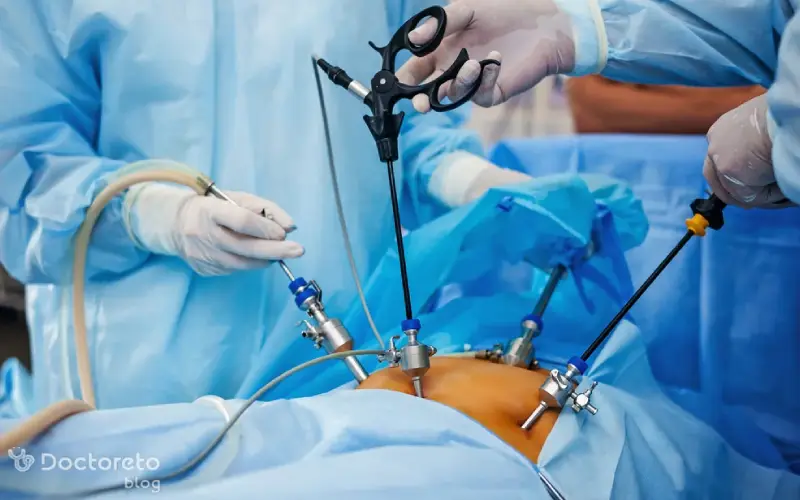

Table of contents
- Is it possible to open the fallopian tube after closure?
- Who are suitable candidates for opening the fallopian tube? Are there?
- Conditions for opening the fallopian tube after closure
- How to open the fallopian tube after closure
- Precautions before opening the fallopian tube after closure
- Care after opening the fallopian tube after closure
- Complications of opening the fallopian tube after closure
- Conclusion
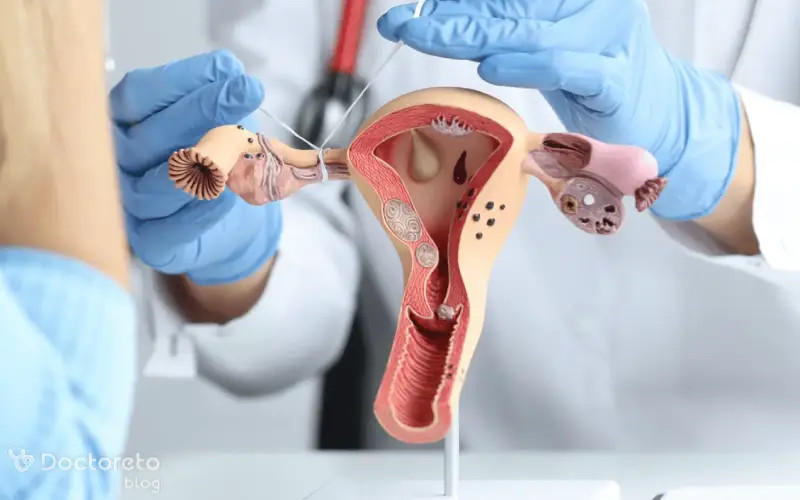
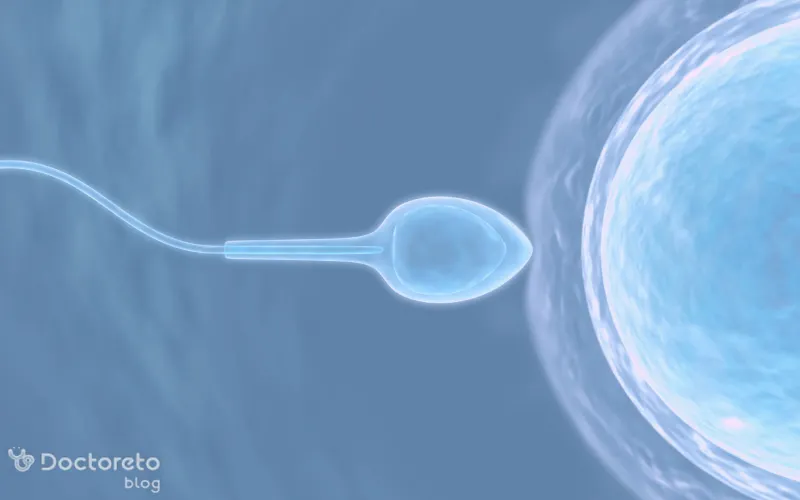
Fallopian tubes play an important role in women's fertility and are considered the route of egg transfer from the ovary to the uterus. In the natural process of fertility, first the ovary releases an egg that enters the fallopian tube. Then the sperm reaches the fallopian tube through the uterus and fertilization takes place in this place. After the formation of the embryo, the fertilized egg moves to the uterus to continue the pregnancy there. Some people perform tubal ligation to prevent pregnancy. Lack of counseling before this operation or other reasons lead to regret of this operation, which ultimately leads the person to opening the fallopian tube after closure. In the rest of this article, we will examine this issue from your doctor.
Is it possible to open the fallopian tube after closing it?
In some cases, it is possible to open the fallopian tubes after being closed; However, this depends on the method of tubal ligation, the extent of tubal damage, and the overall health of the reproductive system. Before deciding to open the fallopian tubes, it is necessary to carry out specialized examinations and consult with a gynecologist. With this, the patient chooses the best method according to his conditions.
English text:
From stanfordhealthcare
Fallopian tube recanalization (FTR) is a nonsurgical procedure to clear blockages in the fallopian tubes, part of a woman's reproductive system.
Persian translation:
Fallopian tube recanalization (FTR) is a nonsurgical procedure to clear blockages in the fallopian tubes (part of the female reproductive system).
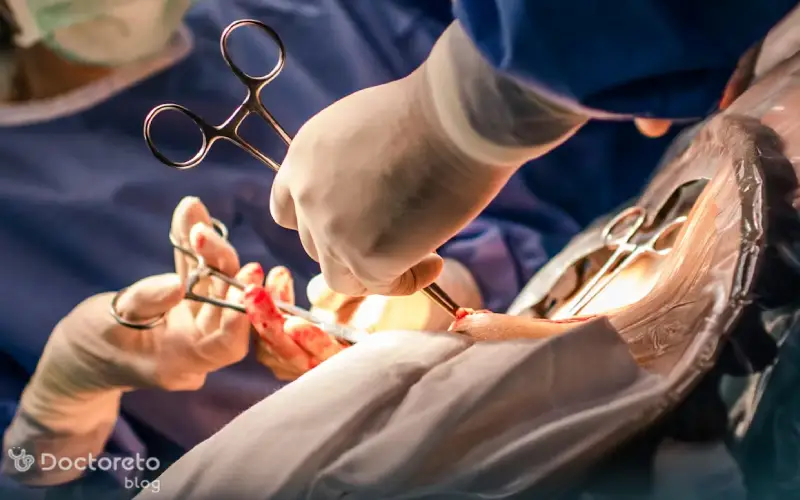
Who are suitable candidates for opening the fallopian tubes?
Candidacy depends on anatomical factors, type of tubal ligation, age and fertility status. Especially if they were younger at the time of tubal ligation and enough of their fallopian tubes remained intact. The health of the uterus and ovaries and not having severe infertility problems also play an important role in increasing the chances of success of this method.
Other factors such as the type of tube closing method, the location of obstruction and the absence of severe adhesions in the pelvic area are also effective in determining the result. The less the damage done to the tubes, the higher the probability of successful opening and normal pregnancy. For this reason, it is necessary to carry out detailed evaluations and expert consultation with a gynecologist before making a final decision.
| Suitable candidates for tubal ligation | Non-candidates or those with a low chance of success |
|---|---|
| Age less than 35–38 years | Age over 40 (especially with low ovarian reserve) |
| Good general health and Absence of serious diseases | Uncontrolled chronic diseases (severe diabetes, advanced heart disease) |
| Sufficient remaining length of healthy fallopian tube | Very short length or severe destruction of the tubes |
| Close the tube by reversible methods (clips or rings) | Close the tube by extensive burning, complete cutting or Salpingectomy |
| Absence of severe pelvic adhesions | Severe pelvic adhesions or history of severe pelvic infection |
| Uterine and ovarian health | Serious uterine or ovarian problems (ovarian failure, severe fibroids) |
| History of previous successful pregnancy | Primary infertility due to Uncertain or severe masculinity |
| No history of ectopic pregnancy | Recurrent ectopic pregnancy history |
| Decided and conscious desire for natural pregnancy | Uncertainty or possibility of regret in the future |
| Possibility of microscopic/laparoscopic surgery | No anesthesia or surgery Abdominal |
| Sexual partner with suitable fertility | Severe male infertility (for which IVF is more reasonable) |
Conditions for opening the fallopian tube after closure
Before opening the uterine tubes, it is necessary to carry out diagnostic examinations such as color uterine imaging (HSG), ultrasound and sometimes uterine laparoscopy. These examinations help the doctor to evaluate the degree of obstruction, the health of the tubes and the possibility of opening them. The patient's age, previous pregnancy history and hormonal status also play an important role in decision making.
It should also be noted that opening the fallopian tubes does not always lead to pregnancy and the risk of ectopic pregnancy increases after this procedure. For this reason, choosing this method should be done consciously and after comparing with options such as IVF.English text:
Tubal ligation reversal is a surgical procedure to reconnect the fallopian tubes.
Persian translation:
Opening the fallopian tube after closing it is a surgical procedure to reconnect the fallopian tubes. href="https://www.mayoclinic.org/tests-procedures/tubal-ligation-reversal/about/pac-20394519" target="_blank" rel="noreferrer noopener">mayoclinic
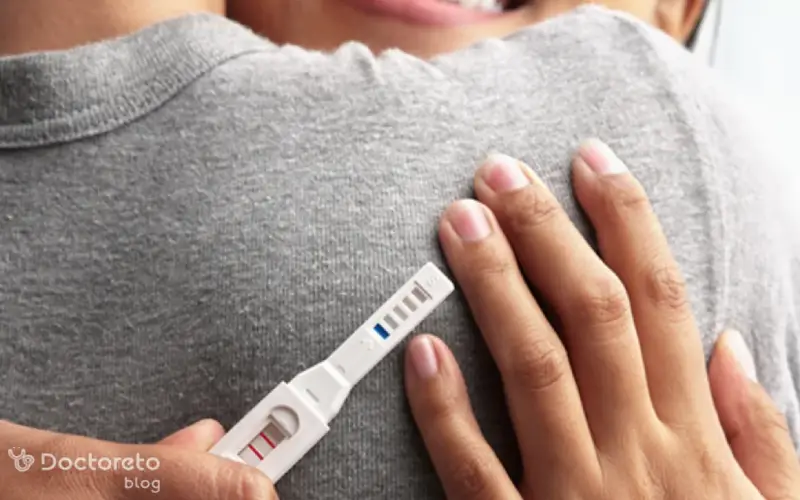
how to open the fallopian tube after being closed
The opening of the fallopian tubes is done by a non-surgical method (FTR) without the need for incisions or needles. In this method, a speculum is first inserted into the vagina and a thin plastic tube (catheter) is inserted into the uterus through the cervix. Then, a liquid contrast material is injected through the catheter so that the structure of the uterus and fallopian tubes can be seen.
Using x-ray imaging, the uterine cavity is checked on the monitor and an image called hysterosalpingogram (HSG) is prepared that shows the condition of the uterus and fallopian tubes. If a blockage is detected, a finer catheter is passed through the primary catheter and enters the fallopian tube to remove the blockage. Technical tubal ligation does not mean full return of function or successful pregnancy, nor is it the standard method of opening a tubal that has been intentionally cut or burned.
Precautions before opening the fallopian tube after closure
Preoperative preparation should be done according to the doctor's specific order. Adequate rest is very important before doing this procedure. At the same time, light activity such as walking helps a lot to prepare the body. Avoid doing heavy activities and lifting heavy objects and give your body time to get in the right condition.
Showering is usually safe, but the doctor should be asked about the appropriate time to return to daily activities and sex. In case of laparoscopic surgery, you may need to take 2 to 7 days off from work.care after opening the fallopian tube after closing it
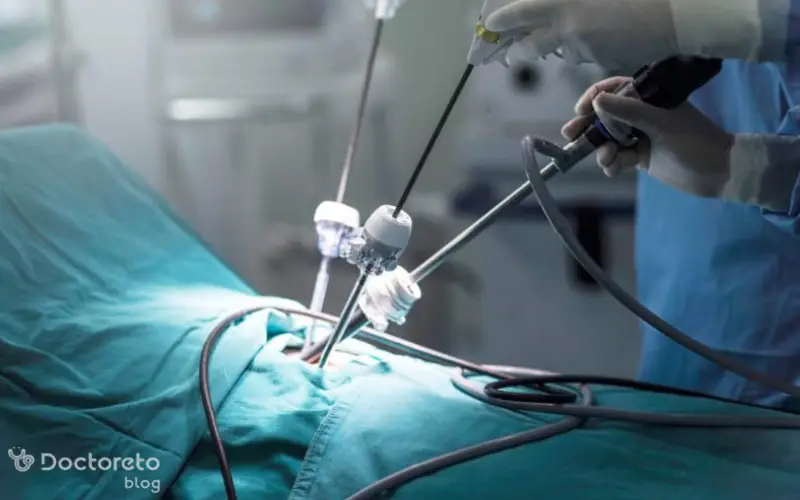
After doing this procedure, it is recommended to avoid lifting heavy objects for at least one to two weeks. Avoid drinking alcohol and driving for 24 hours after the operation. Showering is usually allowed, but swimming and sitting in a tub are not recommended for at least two weeks and until the incision site is fully healed.
Gas in the abdomen may cause shoulder, neck, or chest pain for 24 to 72 hours, which is relieved by taking a warm shower, using a heating pad, or taking a light walk. Mild nausea, abdominal bloating and mild pain are normal, and the use of painkillers is not prohibited according to the doctor's opinion. Mild vaginal bleeding is normal for up to a month, and the return of the menstrual cycle may take 4 to 6 weeks.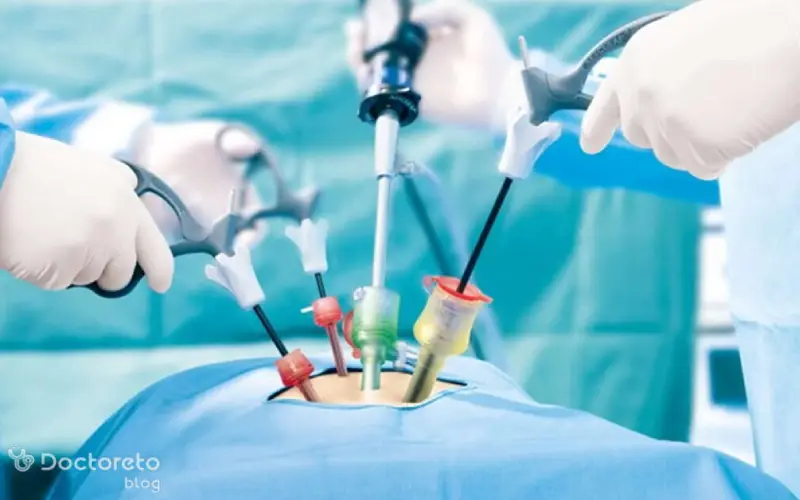
Complications of opening the fallopian tube after closure
This procedure is generally safe, but as with any abdominal surgery, there are certain risks. Among the possible complications of opening the fallopian tube after closure, the following can be mentioned:
- Bleeding from the incision site or inside the abdomen
- infection
- Damage to adjacent abdominal organs
- Complications related to anesthesia
- increasing the risk of ectopic pregnancy
In case of severe pain, fever or abnormal bleeding, it is necessary to see a doctor immediately.
Conclusion
Opening the fallopian tube after closure is a non-surgical and minimally invasive method to remove the blockage of the fallopian tubes. This method increases the chances of natural fertility in the right conditions. The intention of pregnancy alone does not make a person a suitable candidate; Many women, despite wanting to get pregnant, are not suitable candidates because of the type of tubal ligation or the remaining length of the tube. Choosing this method should be done after careful consideration of individual conditions, complete medical evaluation and comparison with options such as IVF.
Your doctor takes care of your health!