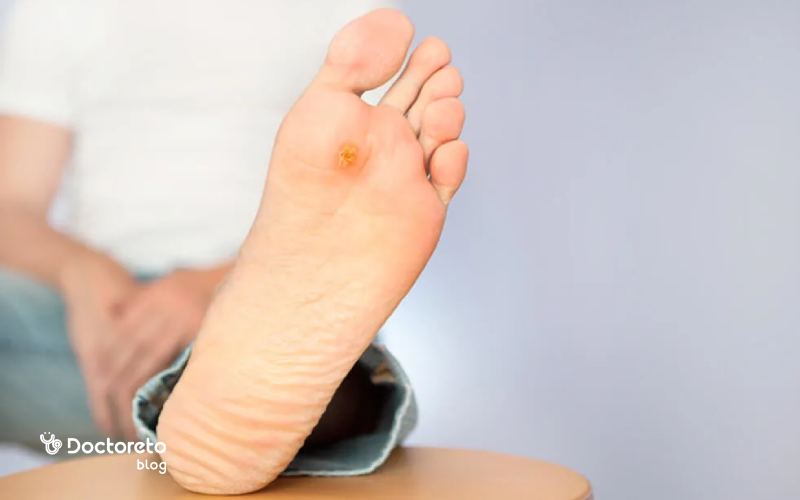
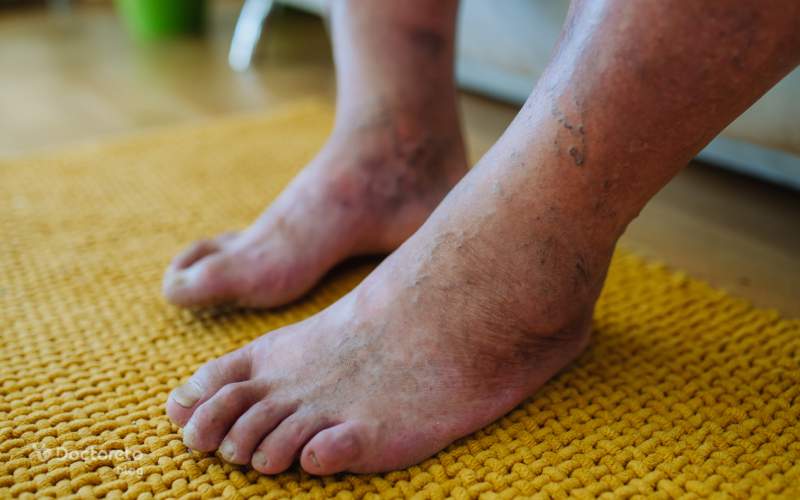
Diabetic foot ulcer is one of the serious problems in diabetic patients, which if left untreated can lead to severe infections and even limb amputation. Natural complementary therapies, such as the use of honey, have recently gained a lot of attention. Because of its antibacterial and restorative properties, honey can accelerate the wound healing process. This natural substance has anti-inflammatory, moisturizing and stimulating tissue regeneration compounds. The correct use of honey as a therapeutic supplement can have good results. In this article, we will examine the use, method of use and limitations of diabetic foot ulcer treatment with honey from your doctor.
Is it possible to treat diabetic foot ulcers with honey?
Research has shown that the use of honey can help the healing process by reducing the bacterial load and keeping the wound moist. Honey has anti-inflammatory and antibacterial properties. However, honey alone is not a substitute for medical treatment and should be used in conjunction with professional care. The use of sterile medical honey may be considered only in special circumstances and as an auxiliary treatment, under the supervision of a doctor.
English text: Among several different alternative therapies, honey is an effective choice because it provides comparatively rapid wound healing. Although honey has been used as an alternative medicine for wound healing since ancient times, the application of honey to diabetic wounds has only recently been revived. Although honey has been used as an alternative medicine for wound healing since ancient times, its use in diabetic ulcers has recently received renewed attention.
Honey can help reduce bacteria, but for severely infected or exuding wounds, Alone is not enough.
What kind of honey can be used for diabetic foot ulcers?
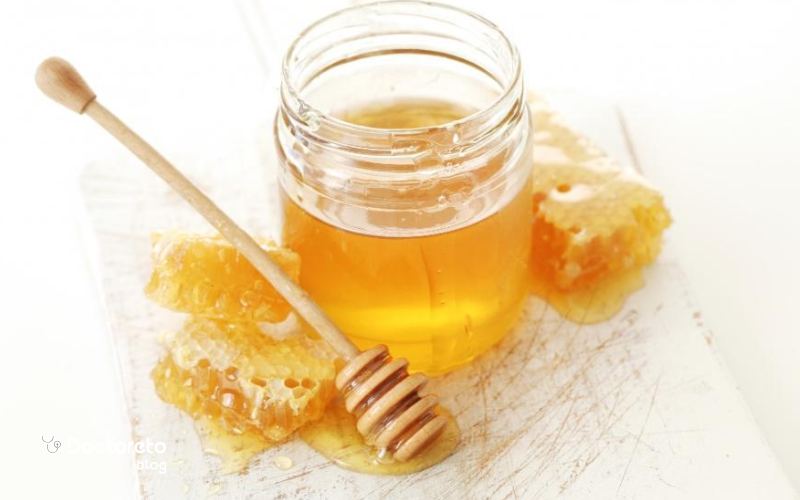
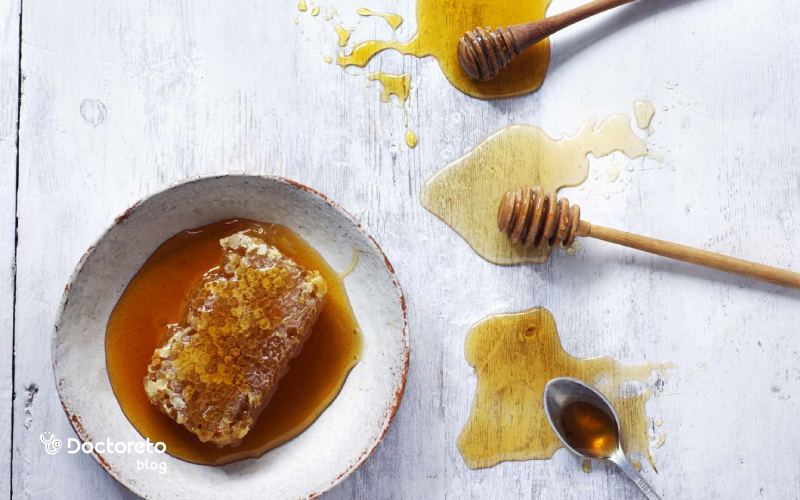
It is better to use sterilized medical honey to treat diabetic foot ulcers. Unprocessed honeys, which have antibacterial and active enzymes, have a higher disinfecting effect. Using commercial honey with additives or sugar may have less therapeutic effect.
Manuka is known for its high levels of antibacterial compounds and ability to stimulate tissue regeneration. It is very important to choose quality honey without additives. Honey must be verified for health and authenticity before consumption so that it does not cause secondary infection.
English text: Only medical-grade, sterilized honey products should be used for wound care. Persian translation: Only medical and sterile honey should be used for wound care.
Honey is not suitable for what type of diabetic foot ulcer?
Honey alone is not suitable for very deep, chronic wounds or with severe and infectious secretions. In these wounds, it is necessary to use advanced medical treatments such as specialized dressings, antibiotics and debridement. Also, wounds with insufficient blood flow or extensive damaged tissue cells require more professional care.
Arbitrary use of honey in these cases may aggravate the infection. Patients with honey allergy should avoid its consumption. Before use, a careful evaluation of the wound by a doctor is required.
Advantages
Disadvantages
Decreasing the bacterial load of the wound
It is not a substitute for medical treatment alone.
Maintaining wound moisture and helping healing
Sufficient for severely infected wounds or excessive discharge. It is not.
Anti-inflammatory and antibacterial properties
Danger of secondary infection with impure or contaminated honey
Relatively rapid acceleration of the wound healing process
May cause excessive wetting of the wound.
Suitable as adjunctive therapy under medical supervision
Danger of allergic reaction or sensitivity Dermal
Manuka honey and natural honey have a strong antibacterial effect.
Delay in the treatment of deep or chronic wounds
In this table, the advantages and limitations of using honey for the treatment of diabetic foot ulcers are reviewed.
How to use honey correctly for diabetic foot ulcers
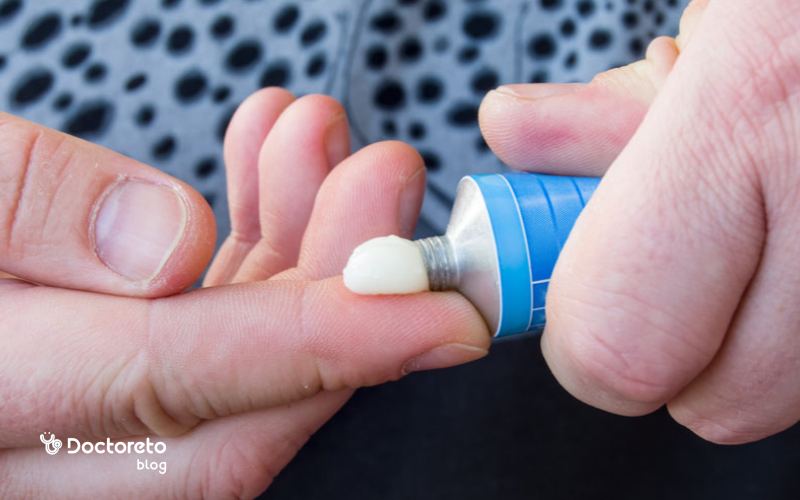
First, the wound should be gently cleaned with a saline solution or mild detergent to remove bacteria and contamination. Then a suitable amount of natural honey is placed on the wound and covered with a sterile dressing. How to dress a diabetic foot ulcer It should be changed every 12 to 24 hours or according to the doctor's opinion to maintain a moist environment and stimulate healthy tissue.
Using sterile gloves when using honey is necessary to avoid contaminating the wound. Also, the pressure on the wound should not be too much and the leg should be at rest. Compliance with these methods accelerates recovery and reduces complications.
The best type of honey for diabetic foot ulcers is natural and pure honey that has antibacterial properties and It has high reparability.
Important tips and precautions of using honey on diabetic wounds
Patients should use natural honey without additives and avoid the consumption of sweetened industrial honey. Severe and infected wounds should be used under the supervision of a doctor and together with drug treatment. If the wound worsens or discharge increases, a doctor should be consulted immediately. It is necessary to use gloves and sterile dressing to prevent contamination. The foot should be kept dry and clean, and the pressure on the wound should be reduced. Also, patients should be careful of allergies or sensitivities to honey.
Complications and risks of treating diabetic foot ulcer with honey
If impure or contaminated honey is used, there is a risk of secondary infection. Improper or excessive use can cause excessive wetting of the wound and irritation of healthy tissue. Allergic patients may experience skin reactions. In deep or infected wounds, relying on honey alone can delay the healing process. Hygiene and regular dressing changes are essential to prevent complications of diabetes. Simultaneous use with medical treatments will be safer and more effective.
Conclusion
Using honey can be useful as a complementary treatment method in healing diabetic foot ulcers and has antibacterial and restorative properties. Diabetic foot ulcer treatment with honey is suitable for superficial and medium wounds, but in deep, chronic or severe wounds, it should be used along with medical treatments. Observance of hygiene, choosing pure honey, the correct method of consumption and consultation with a doctor are the keys to the safety and effectiveness of the treatment. Honey reduces infection, maintains moisture and stimulates tissue regeneration. Following these principles, the healing process of diabetic foot ulcer will be faster and more reliable.
Your doctor takes care of your health!
Frequently Asked Questions
The best type of honey for diabetic foot ulcers is natural honey, preferably Manuka, which has the properties It has high antibacterial and restorative properties. The use of industrial honeys or those with additives can have a less therapeutic effect.
Wound healing time with honey depends on the depth and severity of the wound, side care and control has blood sugar روند بهبود میتواند از چند هفته تا چند ماه متغیر باشد.
عسل میتواند به کاهش باکتریها کمک کند و خواص ضدعفونیکننده دارد، اما در زخمهای عفونی شدید یا دارای ترشح زیاد، به تنهایی کافی نیست و باید همراه درمان پزشکی استفاده شود.
خیر، استفاده موضعی از عسل روی زخم باعث افزایش قند خون نمیشود و جذب آن از طریق پوست تأثیری بر سطح گلوکز خون ندارد.
از سال ۹۵ فعالیت خود را در حوزه تولید و مدیریت محتوا آغاز کردهام و همیشه مشتاق روبرویی با موقعیتهای جدید شغلی هستم. Getting to know a different world in different fields such as medicine and health also encourages me to follow a healthy lifestyle. That's why I started working with your doctor.