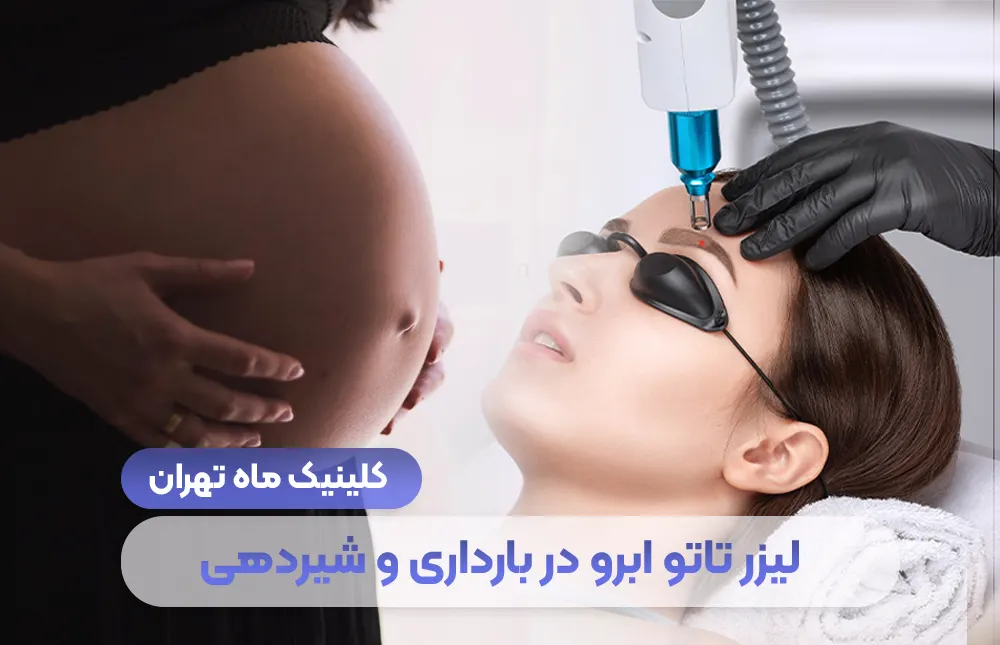
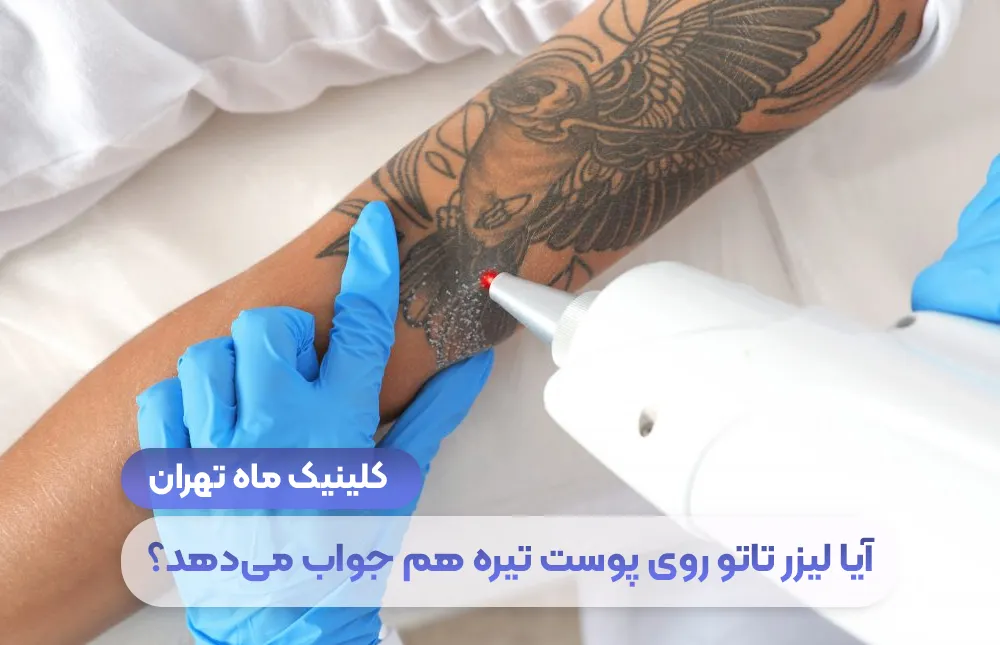
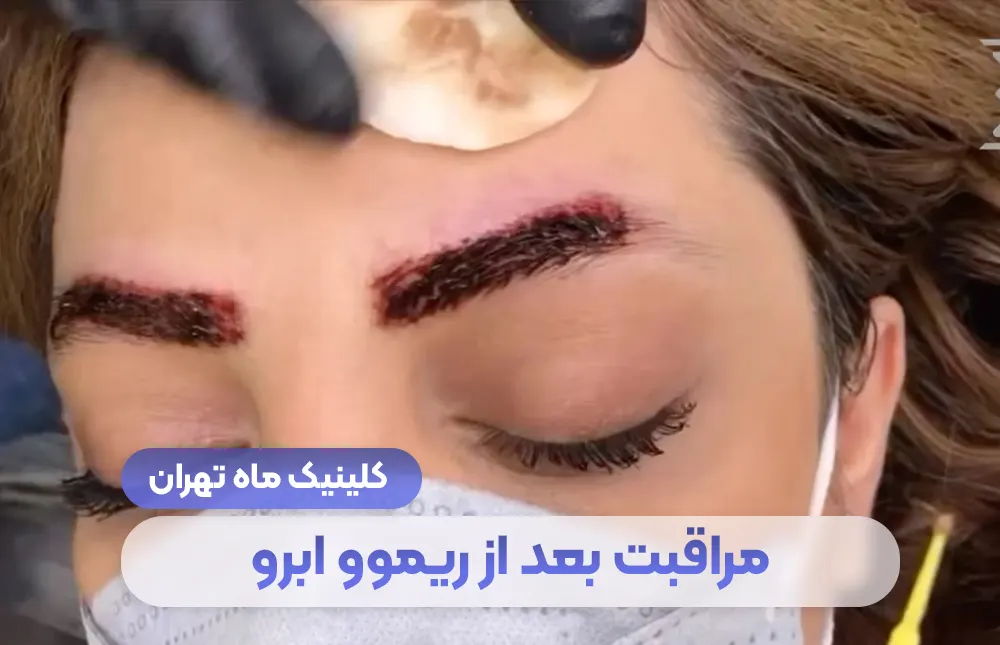
There are many treatment restrictions during pregnancy and breastfeeding due to their possible effects on the health of the fetus and child. The infant is aimed at women. One of these concerns is laser eyebrow tattooing, which is considered one of the safest ways to remove a tattoo. However, due to the special conditions of women during pregnancy and breastfeeding, there are recommendations regarding skipping this work. Tattoo laser involves the use of high-intensity light pulses that break down the pigments in the skin so that the tattoo fades or is removed over time.
In this process, the broken down particles of the tattoo enter the lymphatic system for natural elimination from the body, and there is always a risk of them entering the body of the fetus and infant. In addition to this, there are concerns about the possible effects of laser radiation on the skin, side effects of local anesthesia ointments, and drugs used after laser tattooing. Considering the physiological changes of the body during pregnancy and the sensitivities during breastfeeding, it is better to consult with a specialist regarding laser tattoo during this period.

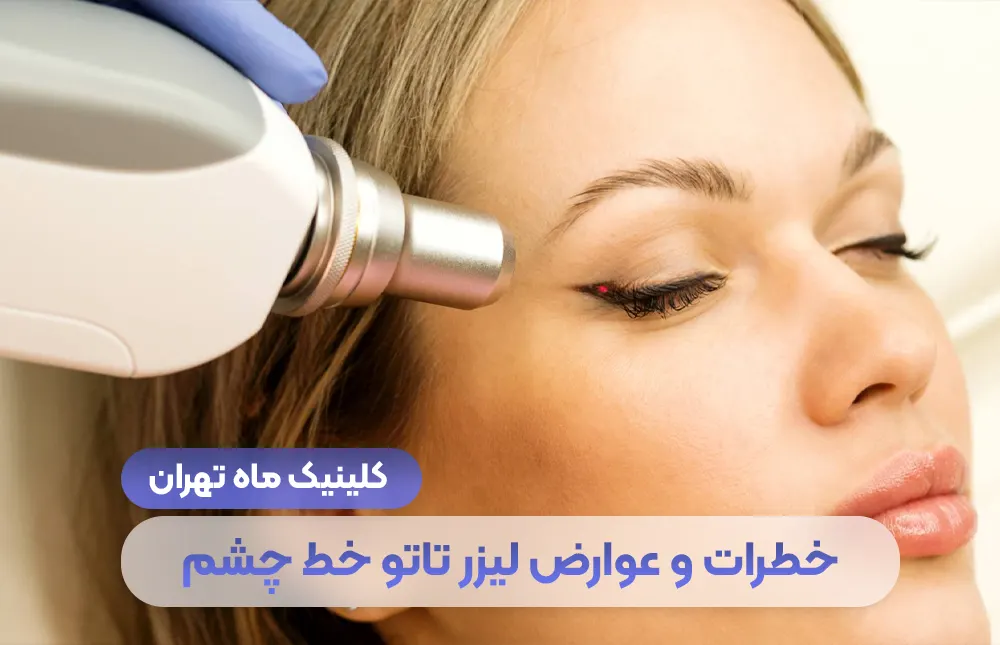
How is eyebrow laser tattoo?
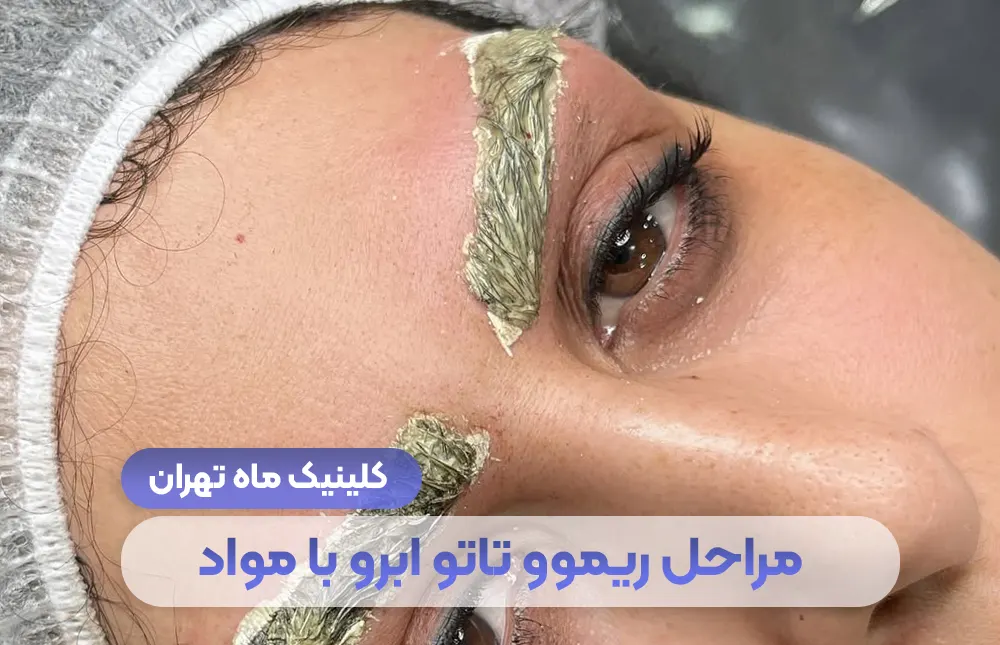
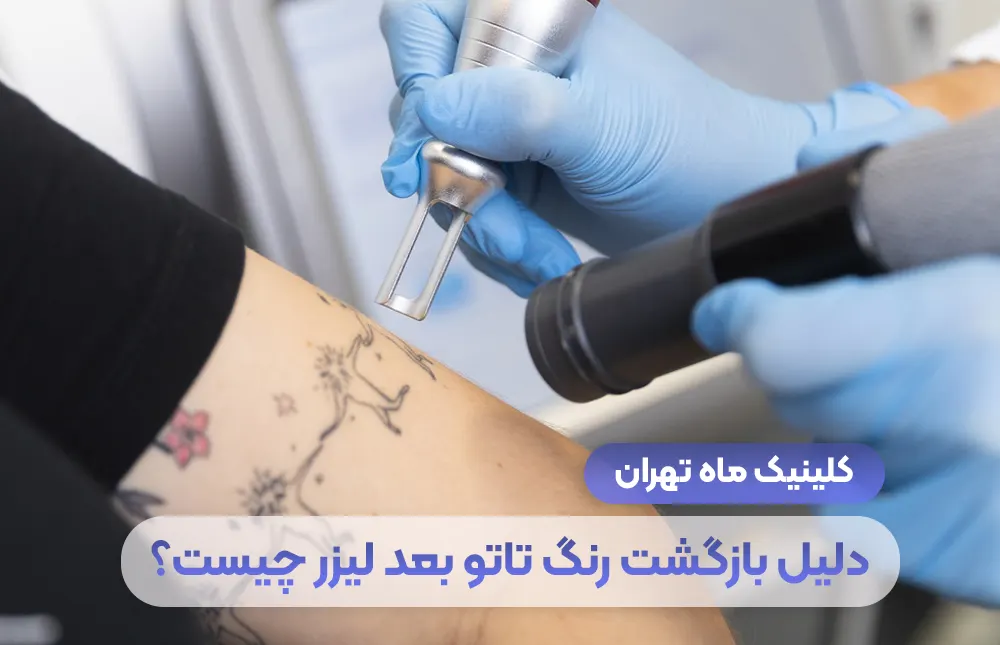
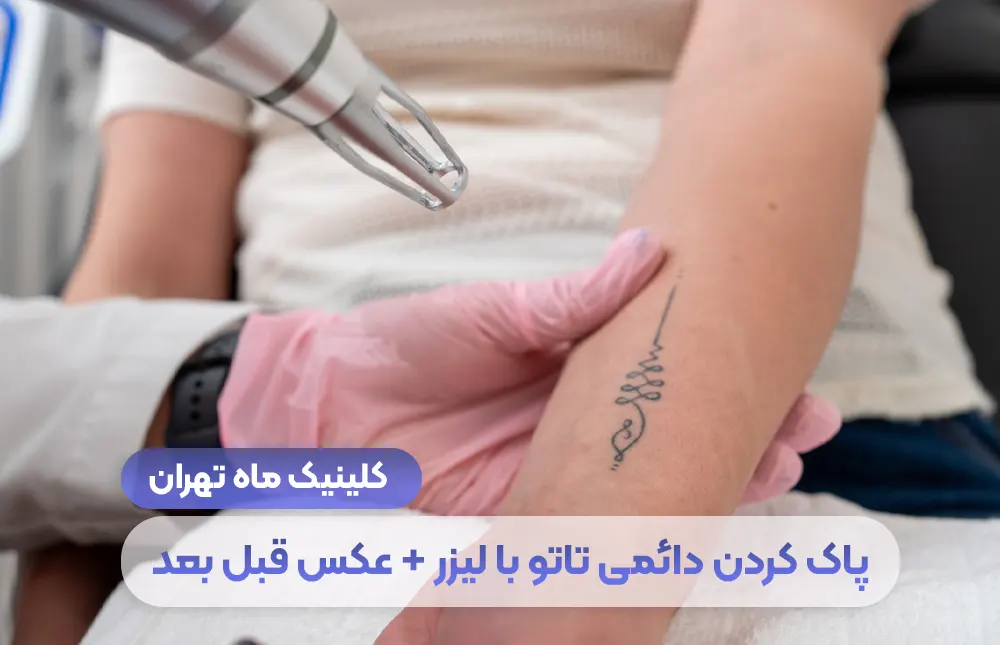
The process of removing a tattoo requires breaking up the ink particles with a laser, which the body then removes naturally through the lymphatic system. Currently, there is no definitive research on whether or not ink particles cross the fetal placenta. However, various inks are used for tattooing, the breakdown of which may lead to the production of compounds that may be harmful to the fetus or infant. One of the side effects of laser tattooing is infection, which is dangerous during pregnancy and breastfeeding. In addition, people's skin reacts differently to lasers. For those who are sensitive to laser light, there is a possibility that the skin will blister. During pregnancy and breastfeeding, your body needs a lot of energy and cannot properly fight infection and injuries.
During pregnancy, the body naturally becomes more sensitive to light, so it is more prone to react to laser light. For this reason, the risk of scarring and hypopigmentation (lightening of the skin) is greater during this period.
During the laser tattoo removal process, as mentioned, the tattoo ink is broken down into smaller particles. These small particles are considered toxic and can be dangerous for the fetus or infant.