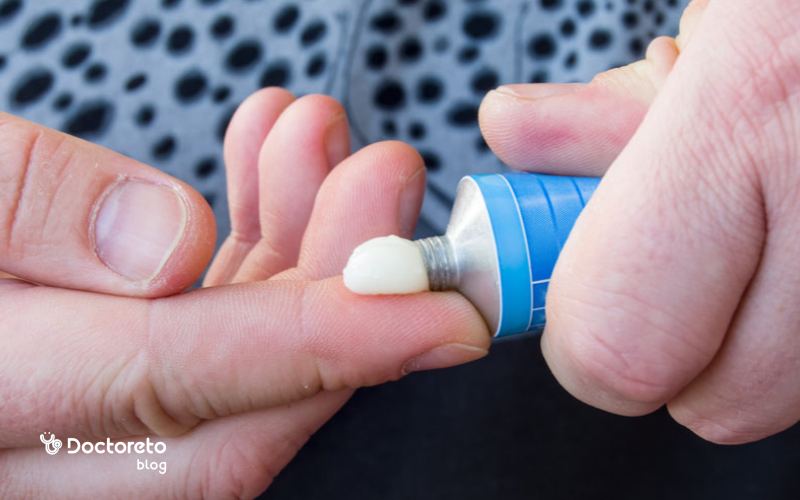
Nasal sprays reduce the symptoms related to the third tonsil by cleaning the nasal passage and reducing inflammation. These sprays are usually used as part of the treatment of respiratory and inflammatory problems. Choosing a suitable spray helps to reduce congestion, inflammation and improve breathing. Some sprays are available over the counter and others require a doctor's prescription. In this article, we will examine the types of nasal spray for the third tonsil, the benefits and side effects of each. Stay with us.
Types of nasal sprays for the third tonsil
Nasal sprays include non-prescription and prescription types. Common brands of these sprays include Flonase, Fluticasone, Flunizolide, Nasacort, Nasonex, and Kionasal. Some are a combination of steroid and antihistamine that is used to reduce inflammation and sensitivity.
These sprays reduce inflammation of the nose and third tonsil and improve symptoms such as congestion, sneezing, and runny nose, depending on the ingredients and the purpose of the treatment. In the following, we have introduced different types of nasal sprays for the third tonsil.
The effect of nasal spray for the third tonsil is different depending on the conditions of each person.
1. Nasal spray containing serum or saline solution
Saline solution is one of the most common options for washing the nose. This spray is suitable for both adults and children. Spray containing serum helps to improve breathing and reduce inflammation by diluting mucus and washing away allergenic particles or dust. The side effects of saline are few and regular use according to the product instructions improves breathing. This method is one of the simplest and most effective treatments to control the symptoms of third tonsil and nasal congestion.
2. Cortone nasal spray (corticosteroid) for the third tonsil
Corticosteroid nasal sprays help reduce the symptoms of allergic rhinitis by reducing the swelling and inflammation of the nasal passages. This spray improves nasal congestion, runny nose, sneezing and itching. Regular use of this spray, as prescribed by the doctor, reduces chronic inflammation of the nose and tissues around the third tonsil and makes breathing easier.
English text: If nasal spray goes down your throat, it's generally safe and unlikely to cause harm. But some people may experience mild and temporary symptoms like throat irritation. Nasal sprays can help with allergies by reducing inflammation and relieving congestion. Persian translation: If the nasal spray goes down your throat, it is generally safe and unlikely to cause harm. But some people experience mild and temporary symptoms such as sore throat. Nasal sprays can help with allergies by reducing inflammation and relieving congestion.
3. Antihistamine nasal spray for allergic third tonsil
Astepro Allergy (Azalastin) is an over-the-counter antihistamine nasal spray that works within 15 minutes. This spray is used to treat and prevent allergy symptoms. Its quick effect reduces nasal congestion, sneezing and itching. This spray is especially useful for people with seasonal allergies.
4. Combined spray (cortone + antihistamine or other combinations)
Antihistamine blocks the effect of histamine and corticosteroid reduces inflammation of the nose and sinuses. This spray reduces swelling, itching and nasal congestion. It also greatly improves the respiratory function and quality of life of patients.
5. Anti-congestion spray (decongestant)
Nasal decongestant sprays relieve nasal congestion by constricting blood vessels and reducing the swelling of nasal tissues. These sprays are available in the form of drops, liquid and spray. Note that long-term use (more than 3 days) may cause back cramps or other side effects. Therefore, use this spray only according to the doctor's prescription or the product label.
Type of nasal spray for the third tonsil
Effectiveness level and type
Nasal spray containing serum or saline solution
By diluting mucus and washing away allergens, it improves breathing and reduces inflammation, and is one of the simplest and most effective options.
Cortone nasal spray (corticosteroid)
By reducing swelling and chronic inflammation of the nose and the tissues around the third tonsil, it improves congestion, runny nose, sneezing and itching.
Antihistamine nasal spray (Azalastin)
With a quick effect of about 15 minutes, congestion, sneezing and itching of the nasal allergy
Combined spray (cortone + antihistamine)
By inhibiting histamine and reducing inflammation, it reduces swelling, itching and nasal congestion and improves the quality of breathing.
Anti-congestion spray (decongestant)
By narrowing blood vessels, it quickly relieves nasal congestion, but use Long-term causes symptoms to return.
In this table, the types of prescription nasal sprays for the third tonsil are reviewed.
The correct way to use nasal spray for the third tonsil
For better effectiveness and Treatment of tonsillitis, sit straight, do not lean back, hold the nozzle slightly towards the outer wall of the nose (away from the septum) and breathe slowly while puffing. The spray should not drip from your nose or down your throat. Improper use can waste medicine and cause nasal irritation. Observing the correct method will help the medicine reach the desired place and have the greatest effect.
English text: Tonsillitis usually gets better on its own after a few days but it can last longer. To help treat the symptoms: get plenty of rest. drink cool drinks to soothe the throat. Persian translation: Tonsillitis usually improves by itself after a few days, but it may take longer. To help treat symptoms, get plenty of rest and drink cool drinks to soothe your throat.
Nasal spray is sometimes used for third tonsil along with other treatments.
Possible side effects of nasal sprays for the third tonsil
The use of corticosteroid sprays in some people causes headache, dry or burning nose, sore throat, nausea or dizziness. If these symptoms are severe or persist, you should notify your doctor. Some more serious side effects such as severe facial pain, fever, swelling of the face or throat, hives, breathing problems or severe nosebleeds require stopping the use and going to the doctor or emergency room immediately.
Which nasal spray is more suitable for children's third tonsil?
In some children, intranasal corticosteroids may improve the symptoms of nasal obstruction and snoring caused by the size of the third tonsil and may reduce the need for surgery in some cases, but the percentage is not fixed and the final decision rests with the doctor. Choosing the right spray for third tonsil in children should be left to the child's doctor and avoid using it arbitrarily. By doing this, you will prevent possible complications.
Conclusion
Nasal sprays are an effective option to reduce inflammation, congestion and allergic symptoms associated with the third tonsil. Choosing the most suitable nasal spray for the third tonsil and following safety tips during use increases the therapeutic effect and reduces possible complications. In some children, nasal sprays can reduce the need for surgery. Using nasal spray also greatly improves the quality of breathing and sleep.
Your doctor takes care of your health!
Frequently Asked Questions
To prevent seasonal allergy symptoms, use mometasone nasal spray 2 to 4 weeks before the pollen season. use Children under 12 years of age must take this medicine under adult supervision and with a doctor's prescription, and its use in children under 2 years of age is prohibited.
Usually oral corticosteroids for 1 to 2 weeks and only for symptoms They are strongly prescribed. Doctors sometimes make this period longer for chronic cases, but they must be monitored and the dose and length of treatment determined by a specialist. In children, it is usually not recommended for more than 3 months continuously, except under the supervision of a doctor.
The amount of use and the frequency of use are important. Long-term use of conventional nasal sprays (especially decongestant sprays such as oxymetazoline or phenylephrine) can lead to serious problems for the tissues inside the nose and upper airways, but direct damage to the third tonsil (adenoid) has not been recognized as a complication in reliable sources.
Studies show that nasal steroids the size of adenoids reduce and improve symptoms. The correct use of nasal spray makes the patient unnecessary even from surgery.