
Table of contents
- Is it possible to cure diabetic foot ulcer definitively in traditional medicine?
- Principles of treating diabetic foot ulcer in medicine Traditional
- Cleansing and correction of temperament in the treatment of diabetic foot ulcer
- Medicinal plants effective in the treatment of diabetic foot ulcer in traditional medicine
- Conclusion
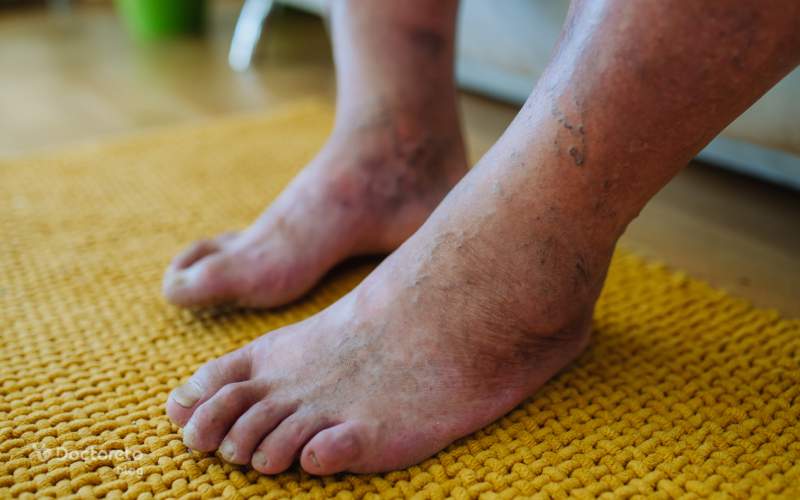
Diabetic foot ulcer is one of the serious complications of diabetes, which can lead to serious problems if not treated. Many patients seek complementary and natural treatments to help heal wounds. Traditional medicine focusing on improving mood, strengthening the body and using medicinal plants is proposed as an auxiliary method. However, a scientific view of these methods is very important. Diabetic foot ulcer treatment requires patience, follow-up and continuous care. In this article, you will see from your doctor how definitive treatment of diabetic foot ulcer in traditional medicine is done and what effect it has.
Is it possible to definitively treat diabetic foot ulcers in traditional medicine?
In traditional medicine, the concept of definitive treatment refers to the radical correction of the body's conditions and the strengthening of the healing power. However, diabetic foot ulcer is a complex disease with multiple factors such as high blood sugar, poor circulation and infection. For this reason, traditional medicine alone cannot guarantee the definitive and complete treatment of this wound.
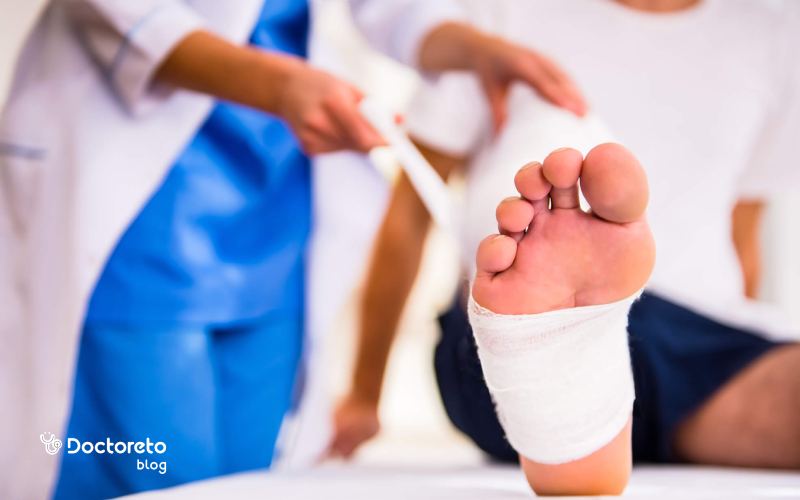
Traditional methods are mostly used as adjuvant treatment to reduce inflammation and speed up recovery. Blood sugar control and medical treatment are still necessary for diabetic foot ulcer treatment. Combining the principles of traditional medicine with medical care brings the best results.
Principles of diabetic foot ulcer treatment in traditional medicine
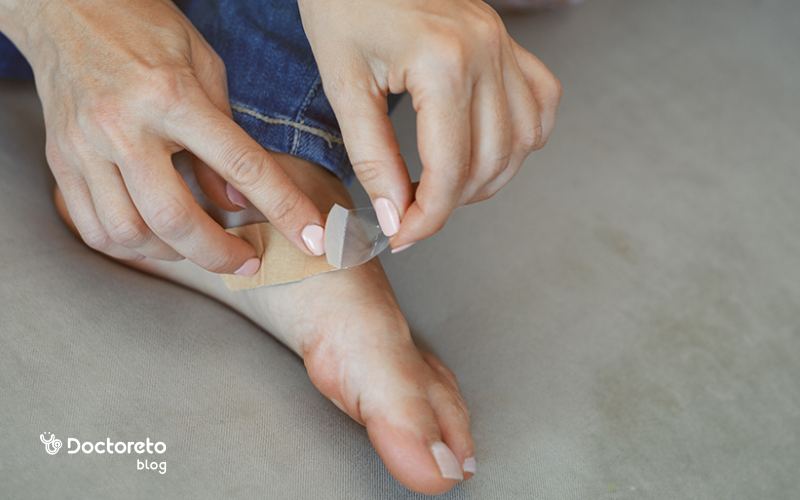
In traditional medicine, the treatment of diabetic foot ulcers focuses on balancing the temperament and strengthening the body's regenerative capacity. Improving nutrition and avoiding harmful foods for the patient's mood are important principles. Reducing inflammation and improving blood circulation play a key role in the wound healing process. It is recommended to use natural substances with antiseptic and restorative properties in a controlled manner. Cleansing the body from waste materials is very important from the point of view of traditional medicine. Sufficient rest and reduction of pressure on the feet is also necessary. These principles can only be effective along with medical treatment.
English text:
quoted from ncbi.nlm.nih
Standard medical management remains essential for diabetic foot ulcers.
Persian translation:
Standard medical management remains the basis of diabetic foot ulcer treatment.
Cleansing and temper correction in the treatment of diabetic foot ulcer
In traditional medicine, cleansing and tempering is one of the main foundations of diabetic foot ulcer treatment and it focuses on balance in the body. It is believed that exposure to cold, humidity or bad mood can slow down the wound healing process and increase inflammation. Temperament correction is usually done through proper nutrition, avoiding inappropriate foods and using mild medicinal herbs. But there is not much scientific evidence for this claim.
This process should be done gradually and under the supervision of an expert so that it does not have negative effects. Improving the mood makes the body have better conditions for wound healing and the speed of healing increases. As a result, the combination of cleansing, tempering and local care can make the home treatment of diabetic foot ulcer more effective.
Medicinal plants effective in treating diabetic foot ulcer in traditional medicine
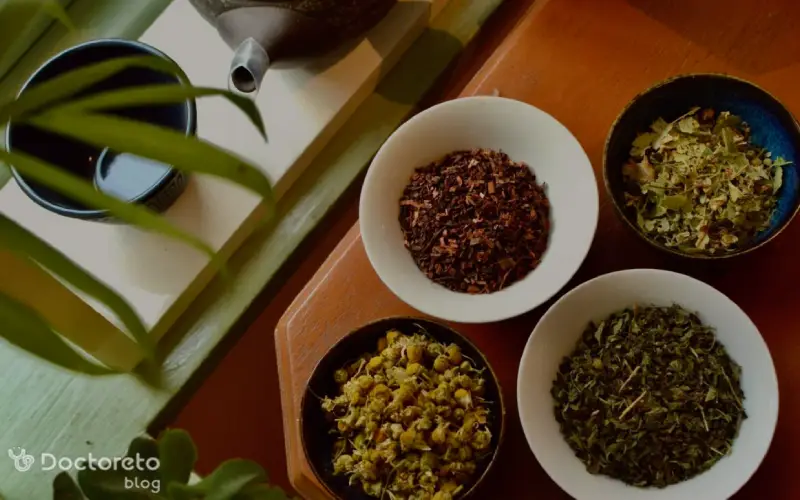
In traditional medicine, medicinal plants help to improve the healing process. These plants usually have anti-inflammatory, antibacterial and restorative properties. Honey, aloe vera and black seed are among the most widely used natural ingredients in this field. Some vegetable oils are also used to protect the skin around the wound. Choosing the right plant depends on the type and severity of the wound. The use of medicinal plants should be done consciously and along with medical treatment.
| Home treatment method | Method of use/correct operation |
|---|---|
| Washing the wound with normal saline | Wash the wound gently with saline serum 1-2 times a day; Do not use betadine or alcohol continuously. |
| Clean and regular dressing | After washing, cover the wound with sterile gauze; Dressing should be changed daily or according to the amount of secretion. Use of soft and suitable shoes |
| Accurate control of blood sugar | Regular use of medications, adherence to diet and daily blood sugar monitoring to accelerate wound healing |
| Moisturizing the skin around the wound | Using a small amount of olive oil or moisturizing cream only on the healthy skin around the wound (not on the open wound) |
| Daily examination Feet | Check the soles of the feet, between the toes, and the heel every day for sores, redness, or discharge. |
| Correct trimming of nails | Nails should be kept straight and not too short; Avoid cutting the skin around the nails. |
| Avoid walking with bare feet | Even at home, use slippers or soft shoes to avoid unwanted injuries. |
| Using suitable socks | Cotton socks, without seams and tightness; Change daily to reduce moisture and pollution |
| Supportive nutrition | Consumption of sufficient protein, vegetables, fruits and sufficient fluids to support wound healing |
| Rest and keep the foot elevated | Elevate the foot several times daily to reduce swelling. |
1. Honey and beeswax in diabetic wound healing
Honey is known in traditional medicine as a natural substance with antibacterial and anti-inflammatory properties and is used to heal diabetic wounds. This material helps to maintain the moisture of the wound and provides a suitable environment for tissue regeneration. diabetic foot ulcer treatment with honey can reduce local pain and inflammation. The use of medical honey and beeswax should be done sterilely and in non-infectious wounds.
English text:
Only medical-grade, sterilized honey products should be used for wound care. target="_blank" rel="noreferrer noopener">drugs
2. Olive oil and restorative vegetable oils
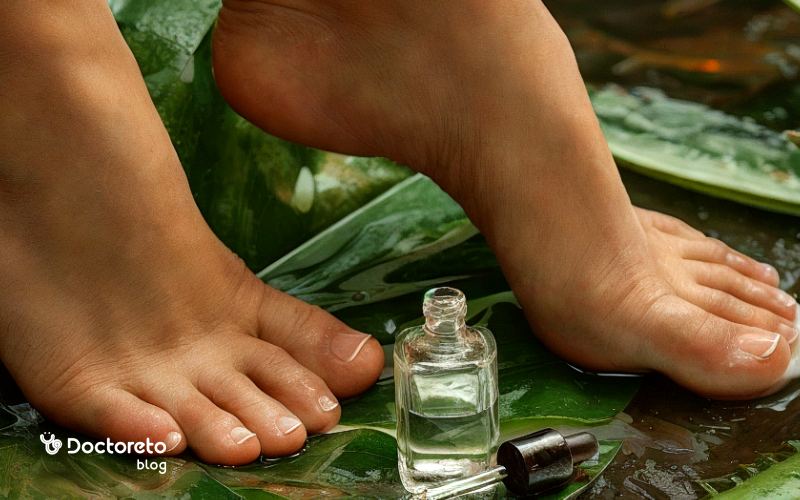
Olive oil is considered for diabetic foot ulcer care due to its anti-inflammatory and emollient properties. This oil is mostly used for the skin around the wound to prevent dryness and cracking. Some other vegetable oils also help improve skin elasticity. Proper use of these oils can support the healing process. However, it should not be used directly on open or infected wounds.
3. Aloe vera and natural antiseptic plants
Aloe vera is known for its anti-inflammatory and soothing properties for superficial wounds and can help reduce inflammation and irritation of the skin around the wound. Some natural antiseptic plants are also useful to prevent the growth of bacteria, but topical use is not recommended. These herbs are usually used in the early stages of the wound. Their use should be limited and done in compliance with health principles. 4. Black seed for the treatment of diabetic foot ulcers Black seed is known as an anti-inflammatory and immune boosting herb. Oral consumption of black seed can help improve the body's performance against infections. Some sources have mentioned its supportive effect in the healing of diabetic wounds. Topical use of black seed is usually not recommended except on the advice of a specialist. Black seed alone is not a cure for diabetic foot ulcers and has a supporting role.Conclusion
Traditional medicine can be useful as an auxiliary method in the treatment of diabetic foot ulcers and accelerate the process of tissue repair. The use of herbs, honey, vegetable oils and tempering helps to reduce inflammation and prevent infection. However, no traditional method alone is considered definitive treatment and its combination with medical care will be necessary. Blood sugar control and compliance with health principles are the main basis of success in definitive treatment of diabetic foot ulcers in traditional medicine. All in all, a multifaceted approach including traditional medicine and medical treatment provides the best results for the healing of diabetic foot ulcers.
Your doctor takes care of your health!