مقاله تخصصی
How to reduce tooth sensitivity? A comprehensive and scientific guide
3 weeks ago
318 بازدید

Dr. Mohammad Hossein Tajik
تهرانdentist
How to reduce tooth sensitivity? Comprehensive and scientific guide
Tooth sensitivity is one of the common dental problems that can severely affect a person's quality of life. This condition may cause sudden or persistent pain when consuming hot, cold, sweet, or spicy foods and drinks. In this article, we will examine causes of tooth sensitivity, treatment of tooth sensitivity and practical solutions to reduce this sensitivity. --jtoc-toggle-position-right --jtoc-toggle-1 --jtoc-has-numeration --jtoc-has-custom-styles --jtoc-is-unfolded">
Definition of tooth sensitivity
What is tooth sensitivity?
Tooth sensitivity is a condition in which the teeth respond to various stimuli such as extreme temperature, pressure, or sensitive chemicals, causing sudden or continuous pain. they do This sensitivity is usually caused by damage to tooth enamel or gums, which causes the teeth to open to external stimuli.
Types of tooth sensitivity
Tooth sensitivity can appear in two main ways:
Temporary: This type of sensitivity usually occurs after eating certain foods and drinks, improper brushing, or using too much fluoride toothpaste, and it usually goes away on its own.
Continuous: In this case, tooth sensitivity is constantly present and It may indicate more serious problems such as deeper decay, gingivitis, or a broken tooth.
Causes of tooth sensitivity
1. Tooth enamel erosion
Tooth enamel is the outer and hard layer of the tooth, which is affected by acids and chemicals in food and drinks. Frequent consumption of acidic foods and drinks can lead to tooth enamel erosion and increased sensitivity.
2. Decomposition of gums
Incorrect oral hygiene policies, improper use of dental floss or too much pressure when brushing can cause the decomposition of gums and the opening of the sensitive points of the teeth.
3. Deep decay
4. Damaged tooth nerves
Physical injuries such as tooth fracture or overcrowding of teeth can cause damage to the internal nerves of the tooth and cause sensitivity.
5. Using toothpastes containing fluoride
Excessive use of toothpastes containing fluoride can cause tooth sensitivity instead of protection.
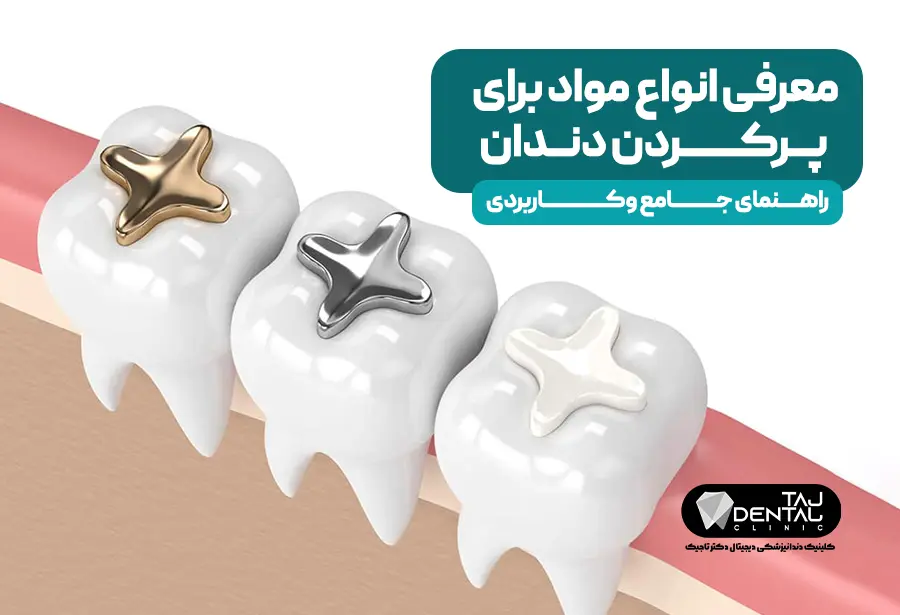
6. Improper dental restorations
Dental restorations such as tooth fillings may not be done correctly and cause a small space and sensitivity in the restored area.

causes of tooth sensitivity
Treatment of tooth sensitivity
1. Use of hypoallergenic toothpastes
Alloy toothpastes contain substances such as potassium nitrite or chlorine fluoride that can help block the nerve pathway and reduce sensitivity. It is recommended to brush twice a day with this type of toothpaste to achieve better results.
2. Use of anti-inflammatory drugs
Pain relievers such as ibuprofen or acetaminophen can be effective in reducing the pain caused by tooth sensitivity. Before taking any medicine, be sure to consult a doctor or dentist.
3. Fluoride treatment
Dentists may apply fluoride as a gel or spray directly to the teeth to reduce sensitivity and protect the teeth. This method helps to strengthen tooth enamel and reduce sensitivity.
4. Potassium Nitride Coatings
Coatings containing potassium nitrite help reduce tooth sensitivity. These covers are placed on the teeth after brushing and before sleeping and can reduce sensitivity for several weeks.
5. Bellaman (Bonding)
In this method, composite material is applied on the surface of the tooth to cover small spaces and sensitive points and reduce sensitivity. This method is usually effective for back teeth.
6. Dental veneer treatment (laser therapy)
Using special lasers, the dentist can butalize the sensitive nerves of the tooth and reduce sensitivity. This method requires more care but offers long-term results.
7. Gum transplant
If tooth sensitivity is due to the decay of the gums, the doctor may perform a gum transplant to cover the sensitive areas of the tooth and reduce the sensitivity.
home remedies to reduce tooth sensitivity
1. Brushing your teeth in the right way
Brushing with soft movements and using soft toothbrushes can prevent the decomposition of gums and tooth enamel erosion. Also, using the proper way of flossing can be effective.
2. Use of hypoallergenic mouthwashes
Some mouthwashes contain hypoallergenic ingredients such as fluoride, which can help reduce tooth sensitivity. Using mouthwash recommended by dentists can be effective.
3. Reducing the consumption of acidic foods and drinks
Reducing the consumption of acidic foods and drinks such as citrus fruits, soft drinks and industrial juices can prevent tooth enamel erosion and reduce tooth sensitivity.
4. Avoid chewing hard materials
Chewing hard materials such as ice, hard nuts or using teeth as tools can damage teeth and increase tooth sensitivity. It is recommended to avoid these actions.
5. Use of natural products
Some natural products such as chamomile extract, coconut oil or green tea have anti-inflammatory and antibacterial properties that can help reduce tooth sensitivity. For example, chewing chamomile leaves or using green tea as a mouthwash can be helpful.
6. Using Homemade Toothpaste
Combining ingredients such as baking soda with some water can be effective as a homemade toothpaste. This combination can help strengthen tooth enamel and reduce sensitivity. But be sure to consult a dentist before continuous use.
Patients and real experiences
Ms. Sarah's experience
Ms. Sarah, a 35-year-old teacher, had problems due to teeth sensitivity to hot and cold foods. He went to the dentist and found out that his sensitivity is caused by the erosion of the tooth enamel and the decomposition of the gums. Dr. Tajik's clinic advised him to use hypoallergenic toothpastes, change the way he brushes his teeth, and reduce the consumption of acidic drinks. After three months of following these recommendations, Sarah noticed a significant reduction in the sensitivity of her teeth.
Case study
In a study conducted by the Journal of Dental Research, 100 patients with tooth sensitivity were treated with potassium nitride coatings. The results showed that 80% of patients experienced a significant improvement in sensitivity reduction. This study shows the effectiveness of this treatment method.

treatment of dental sensitivity
Expert and scientific considerations
The importance of consulting a dentist
Tooth sensitivity may be a sign of more serious problems that require specialized treatment. Consultation with a dentist can help to accurately diagnose the cause of sensitivity and choose the most appropriate treatment method.
The role of nutrition in dental health
Proper nutrition with the consumption of substances containing vitamin D, calcium and phosphorus can help strengthen tooth enamel and reduce sensitivity. Also, avoiding excessive consumption of sugars and acids will prevent tooth decay and erosion.
Effect of daily habits
Daily habits such as smoking and alcohol consumption can damage oral health and increase tooth sensitivity. Quitting these habits can help improve dental health and reduce sensitivity.
Using the right dental tools
Using soft toothbrushes and choosing the right toothpaste can help maintain the health of gums and tooth enamel and reduce tooth sensitivity. give.
Reputable and scientific sources
Articles and research
- A study published in the Journal of Dental Research showed that the use of potassium nitride coatings can effectively significantly reduce tooth sensitivity.
- American Dental Association (ADA) recommends using special toothpastes to manage tooth sensitivity and visiting the dentist regularly.
- Research conducted by World Health Organization (WHO) confirms that oral hygiene plays an important role in preventing tooth sensitivity.
Reputable online resources
- American Dental Association (ADA): www.ada.org
- World Health Organization (WHO): www.who.int
- Journal of Dental Research: journals.sagepub.com/home/jdr
Conclusion
Tooth sensitivity can have many negative effects on a person's quality of life, but with proper knowledge and correct actions, this problem can be managed and reduced. From simple home remedies to specialized dental procedures, there are many ways to reduce tooth sensitivity. The most important point is that by observing oral and dental hygiene, proper nutrition and regular visits to the dentist, tooth sensitivity can be prevented and if it occurs, it can be treated immediately. Finally, always remember that oral and dental hygiene is an important part of the overall health of the body and maintaining it requires constant attention and care.
Final tips
- Always use hypoallergenic toothpaste instead of regular toothpaste.
- Pay attention to the correct brushing method and use soft toothbrushes.
- Minimize consumption of acidic foods and drinks.
- If tooth sensitivity persists, be sure to see a dentist so that the root cause is identified and treated.
- Follow a healthy and balanced diet with minerals needed for healthy teeth.
Given that tooth sensitivity can be a sign of more serious problems, the importance of timely diagnosis and treatment should not be ignored. This article is designed to be a comprehensive and reliable guide for people looking to solve tooth sensitivity problems. By implementing the recommendations and consulting with dental health professionals, you can get rid of the pain and discomfort caused by tooth sensitivity and care about the health and beauty of your smile.