How to manage secretions after ear surgery?

Dr. Maryam Yacoubi
تهرانOtorhinolaryngology and skull base specialist
Discharge after ear surgery is normal or worrying?
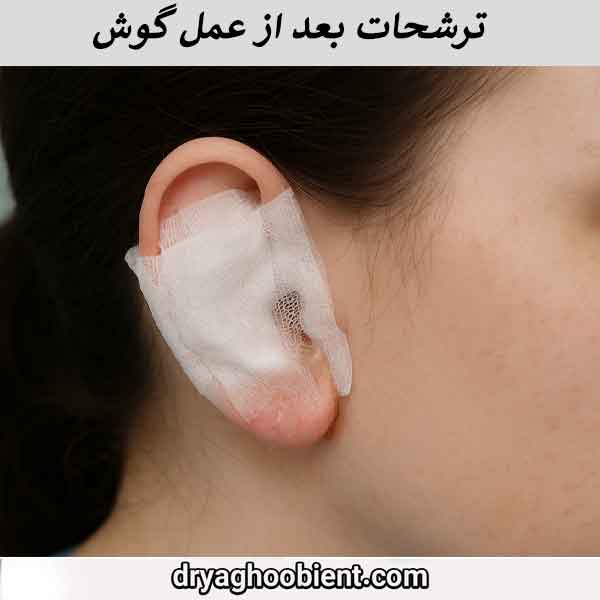
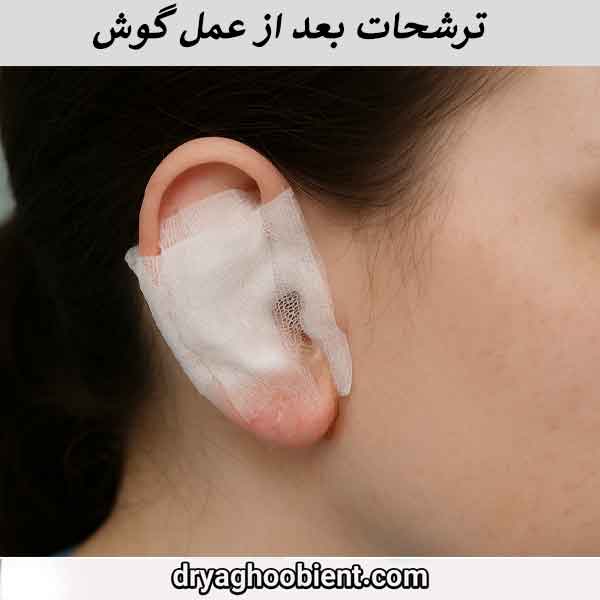
Discharge after ear surgery is one of the common concerns of patients, and it is very important to determine whether it is normal or abnormal. Discharges after ear surgery are usually clear, light yellow or slightly bloody and are considered normal in the early days after ear surgery. This type of secretions is a sign of the body's natural response to ear surgery and the healing process after ear surgery, and they usually decrease gradually by following care tips. However, some abnormal secretions require immediate attention. Purulent, green, or foul-smelling discharge accompanied by severe pain, swelling, or fever can be a sign of infection after ear surgery. In such a situation, it is necessary to quickly refer to the best ear surgeon in Tehran and treat abnormal secretions to prevent further complications. Correctly distinguishing between normal and abnormal secretions depends on following care points, careful monitoring of secretions after surgery, and tracking the timing of secretions after ear surgery. The patient's awareness of the natural process of secretions plays an important role in the rapid recovery and prevention of subsequent problems.
Care tips for management of secretions after ear surgery
- Management of secretions after ear surgery in the form of Aftercare Ear plays an important role in quick recovery and prevention of complications. One of the most important points of care is to keep the ears dry. Ear contact with water, even in small amounts, can increase abnormal secretions and cause infection after ear surgery. Therefore, use a suitable cover for the ear when taking a bath and dry the ear gently in case of contact with water.
- Using a suitable dressing and changing it on time is also very important. The absorbent dressings recommended by the doctor should be changed according to the specified schedule so that the natural secretions are absorbed and the risk of abnormal secretions is reduced. Also, maintaining hand hygiene before touching the ear or changing the dressing prevents bacteria from entering the surgical site. To reduce swelling and inflammation, it is recommended to use a cold compress as prescribed by the doctor. Also, you should avoid pressing, scratching or manipulating the ear, because this can cause tissue irritation and increase abnormal secretions.
- Recording the amount, color, and smell of the secretions helps in early detection of abnormal discharges after ear surgery. Purulent, green or foul-smelling discharge, accompanied by severe pain or swelling, requires immediate medical attention. Strict adherence to these care tips will make the healing process after ear surgery go faster and without complications and abnormal secretions will be minimized.
When are discharges after ear surgery a concern?
Discharges after ear surgery are usually seen more in the early days after surgery and are part of the body's natural healing process. In the first 2 to 5 days, the discharge may be clear, light yellow, or slightly bloody, which is a sign of the body's natural response to surgery. After the first week, the volume of secretions gradually decreases and is usually minimal by 2 to 6 weeks after the operation. By recording the time and type of secretions, the patient and the doctor can determine whether the healing process is normal or if further investigation is needed. Abnormal discharge that is foul-smelling, green or purulent, and accompanied by severe pain, usually indicates infection at any stage of recovery and requires immediate treatment. At this time, it is better to see a doctor. to start the healing process as soon as possible.
Preventive measures to prevent abnormal ear discharge
Treatment Discharge after ear surgery
If you see abnormal discharge after ear surgery, the first step is to consult a doctor. Purulent, foul-smelling, or green discharge with pain or swelling requires immediate investigation. Your doctor may prescribe topical or oral antibiotics to control infection and reduce discharge after ear surgery. It is also important to change the wet or contaminated dressing according to the doctor's order. Compliance with hygiene tips such as keeping the ears dry, avoiding manipulation and monitoring the color and smell of secretions, accelerates the healing process after ear surgery and prevents the occurrence of subsequent problems. data-settings='{"background_background":"classic"}'>