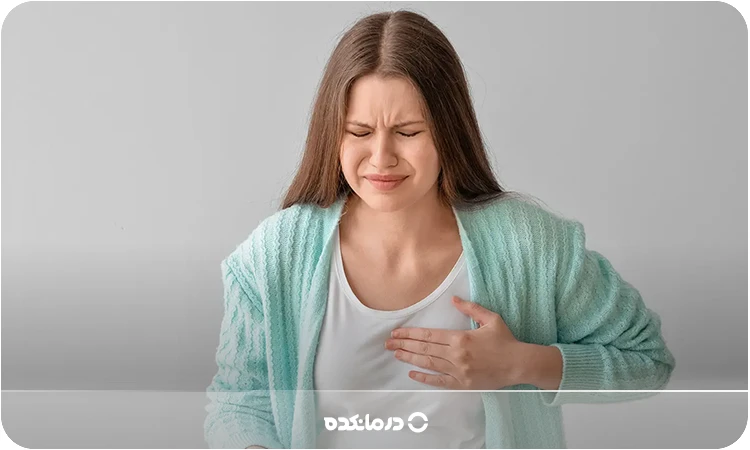
How to diagnose allergic cough and cold?
When you cough, a cold is the first thing that comes to your mind... but a cough may also be a sign of allergy (allergy)... Since it is very important to distinguish between these two diseases, we decided to tell the difference between an allergic cough and a cold from different aspects in this article from GCORP.. stay with us until the end of this article...
Table of contents
- 1.... The difference between allergic cough and cold in terms of the cause of the disease
- 2.... The difference between allergic cough and cold in terms of symptoms
- Allergic cough is usually dry
- Allergic cough lasts for a long time.. Cough with fever No
- Allergic cough does not cause pain
- 3.... difference between allergic cough and cold in terms of diagnosis method
- 4.... difference between allergic cough and cold in terms of treatment method
- 5.... difference between allergic cough and cold in terms of prevention method word
- FAQ
1.... The difference between allergic cough and cold in terms of the cause of the disease
Colds are caused by different types of viruses. Evidence shows that an average adult catches colds 2 to 3 times a year.
Allergies occur when your immune system reacts adversely to certain substances.. In other words, when you are exposed to an allergen (allergen-causing stimulus), your immune system releases a chemical called histamine, which causes coughing and other allergy symptoms.. Pollen, dust, animal dander or saliva, and molds are the most common.
2.... The difference between allergic cough and cold in terms of symptoms
Among the most important differences between a cough caused by a cold and an allergic cough, the following can be mentioned:
Sensitive coughs are usually dry
Allergy causes tickling and irritation of the throat and is usually accompanied by dry cough... It is important to mention that the treatment of phlegm cough is different from the treatment of dry cough.
Allergic cough lasts for a long time
Another way to tell the difference between an allergic cough and a cold is to pay attention to the duration of the symptoms.... Colds usually go away after seven to 10 days... If symptoms last longer than 10 days, you should see a doctor for immediate treatment for phlegm in the back of the throat or a dry cough... because the virus may have led to more serious infections such as sinus or sinus infections... bronchitis.
Allergic coughs last for a long time, especially when you are constantly exposed to allergens....Allergies go away with treatment or removal of the allergen....Seasonal allergens usually cause symptoms every 2-3 weeks.
Allergic cough follows a pattern
According to the time of cough, you can tell the difference between a cold and an allergy... Colds can occur at any time of the year, but most often occur in winter..
Allergic cough is not accompanied by fever
A cold may cause a fever, but a fever is not a sign of an allergy.... If the cough is accompanied by a fever, see a doctor to diagnose the cause.... You should also seek help from a doctor to treat unusual symptoms such as coughing up blood.
Allergic cough does not cause pain
Pain is one of the most important symptoms of a cold.... When you have a sore throat or body ache, you can't get out of bed easily.... Allergies can also cause fatigue and lethargy, but it doesn't cause pain.... If you complain of pain in addition to a cough, know that you probably have a cold.
3.... The difference between allergic cough and cold in terms of how to diagnose the disease
Usually, a doctor can diagnose a cold based on symptoms... but if allergies are suspected, depending on your age or other conditions, he may recommend other diagnostic tests, including blood tests or skin tests.
4.... The difference between allergic cough and cold in terms of treatment method
The body can get rid of the cold virus over time.... In many cases, resting and drinking plenty of fluids is the best thing you can do to get rid of a phlegm cough, quick treatment for night coughs or other cold symptoms.... However, depending on the type and severity of the symptoms, you may also need antitussives, pain relievers.. help.. be.
Unlike a cold, rest doesn't do much to treat an allergic cough. However, drinking fluids can help, as dehydration can make allergy symptoms worse.
Avoidance of triggers is one of the most effective ways to prevent allergy symptoms....If you can't avoid the triggers that cause a cough, use a strong cough drop under the supervision of an ear, nose and throat specialist or ask your doctor what is good for a dry cough or what is the best syrup for a dry cough.
Antihistamines such as fexofenadine, diphenhydramine, cetirizine, and loratadine are among the most common medications that help treat allergies. Allergy shots can be effective in the long term for eliminating allergy symptoms.
Never use medicine to treat children's cough without consulting a pediatrician... because it may lead to serious side effects... If you need more information on this topic, read the article "Treatment of Dry Cough at Home" and "Allergenic Foods for Children's Cough" and "The Miracle of Children's Dry Cough".
5.... The difference between allergic cough and cold in terms of prevention method
Washing your hands with soap and water or using hand sanitizers is one of the best ways to prevent a cold....Standing away from other people and covering your mouth when you cough can also minimize the chance of spreading the virus to others....But preventing allergies like the common cold is not easy....because you have to eliminate or stay away from the allergen, which can be very difficult.
Endword
People often attribute a cough to a cold, but this symptom may be a sign of an allergy.... A cold and an allergy are two very different diseases that are caused by different factors... such as fever or body pain.... We recommend that you visit the GCORP LLC website to consult a doctor and ask your doctor for an in-person visit or make an appointment with an otolaryngologist online.
Frequently Asked Questions
Depending on the type of allergen, allergies can lead to various symptoms such as coughing, sneezing, itchy nose or eyes, runny nose or eyes, hives and swelling of the lips, tongue, face or throat. Cold?
Common cold symptoms can include coughing, runny nose, stuffy nose, Sore throat, sneezing, fever, headache and body ache.
This disease can affect all people in different age groups... but usually young children, smokers and those with a weak immune system suffer from it more than others.
Children and people with a personal or family history of asthma and allergies usually experience allergy symptoms from colds more than others.. Should you keep it at home?
Drinking a lot of fluids, especially warm fluids, eating chicken soup, gargling with salt water, keeping the ambient air humid using a humidifier or vaporizer and Avoiding caffeine and alcohol helps treat coughs associated with colds.... Honey can also be beneficial for people over one year of age.
vSources: Health, Healthline
Was this article useful for you?
![Which fruit increases blood pressure [high and low]? 18 effective fruits](/storage/posts/covers/2026_01_08/ef00bb701cbb99e90a24ba8d73265ba4c08936335e859a33b69553f5c5e737a2.webp)
![For whom is rhinoplasty dangerous? [10 groups+cause+solution]](/storage/posts/covers/2026_01_06/3e06a993c87e243daaf67dc69ac3e484d377b2708c93656820e0084ea4f080d6.webp)
![What fruits have vitamin B12? [13 fruits + consumption tips]](/storage/posts/covers/2026_01_06/dfaeceb7cb9a203805aeba8715bf7cdea6f5cb2b5b9314e1898807545e874bb1.webp)
![Is nasal massage necessary after surgery? [Training + 5 effective benefits]](/storage/posts/covers/2026_01_06/1f2686c8d522130d256828a51d7d46594dbde31ec2253325e6a8a38f04094789.webp)
![The best drops to reduce eye pressure [14 powerful drugs + method of administration]](/storage/posts/covers/2026_01_06/0177c50098eb80d878d1c883d09ae31ad2f489b17e1288f52018e3f8ef213e5f.webp)
![What is hair filler? [9 benefits, how to inject + durability of hair filler]](/storage/posts/covers/2026_01_06/c21c5e1ff48e9af8214111dfe0b867586f298e3d74a95fadda02b0b04df12598.webp)
![The strongest antibiotic for tonsil infection [7 drugs + method of administration]](/storage/posts/covers/2026_01_06/7b5adf6bb8cf556824d96570b6adba58f824b3a7f248993cfaafb73c0b5b8610.webp)
![Garlic pills for weight loss [4 effective benefits and side effects + how to use]](/storage/posts/covers/2026_01_06/c49f08b482d5860218c8635e48194a50f2ed48b51ef15925aa2d73d8393ff3ab.webp)
![What foods increase eye pressure? [8 harmful foods and drinks]](/storage/posts/covers/2026_01_06/52929c4d1b9ed7916d3fc5a8e45060479fb186f332dd217e68905f71f89a33f0.webp)
![What foods lower eye pressure? [18 useful foods]](/storage/posts/covers/2026_01_06/f180eb15f8e64fc9b386f9d5dc7936a5e416af36032be3bdcdf9054925a21d43.webp)
![itchy scalp; 18 causes [medical treatment + 11 home remedies]](/storage/posts/covers/2026_01_06/a1e116ec1c6243fd5c4e6fb951da5cb33bbd92a09c44e29b845852a86f550681.webp)
![What is intestinal colitis and what are its symptoms? [3 causes + definitive treatment]](/storage/posts/covers/2026_01_06/d3384e9221c036ff3eb447c69ffabb109dd6c0c35f5e5f0af775c4545cfd7ea5.webp)
![The best pills for irritable bowel syndrome [10 powerful drugs]](/storage/posts/covers/2026_01_06/70f02d6808fab88d67b0c6734a623e5e71982d323dbd2fb8158c29669849b813.webp)