به یاد فرزندان جاویدان این سرزمین

یادشان همواره در قلب این خاک زنده خواهد ماند

How to cure the error? Psychological guide to return to peace - Dr. Bayat Psychology and Neurofeedback Center
مقاله تخصصی

How to cure the error? Psychological guide to return to peace - Dr. Bayat Psychology and Neurofeedback Center

3 months ago
932 بازدید
Dr. Hossein Bayat

Dr. Hossein Bayat

Shiraz

PhD in health psychology

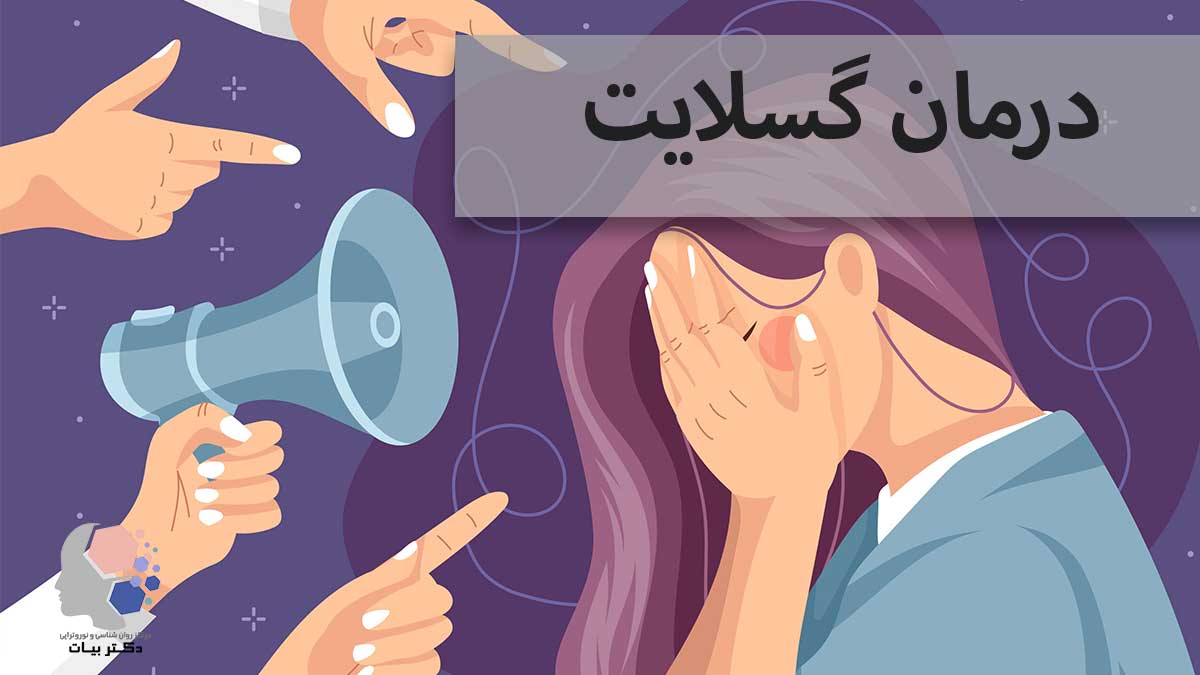
Gaslighting is a form of psychological abuse that is characterized by the manipulation of reality and the gradual humiliation of the victim's perception, memory and emotions; As a result, a person loses self-confidence and confidence in his judgment. Dealing with and treating guilt requires a structured, multi-stage and evidence-based approach in order to realize the reconstruction of perception, healthy demarcation and restoration of self-confidence. In this article, based on research and reliable guides, I present five scientific and practical solutions for the treatment of Geslayt.

What is a fault?

Gaslighting is one of the most complex and damaging types of psychological abuse. In this pattern, the abuser uses denial of reality, distortion of memories, and invalidation of the victim's feelings to make the victim doubt their own understanding and memory. As a result, the victim gradually loses self-confidence and psychological independence and becomes dependent on the approval of Gesleiter to understand reality.

This term first entered psychology from a movie called Gaslight (1944). In this movie, a man made his wife doubt his mental health by changing the intensity of the lights and then denying this change. Today, "disruption" is known in psychology as a tool for control and dominance in unhealthy relationships. Couple therapy is one of the methods that can help couples in the treatment of gaslight.


7 warning signs of a fault that you should not ignore!

Recognizing the signs of abuse early is important, because this type of abuse can lead to anxiety, depression, and chronic feelings of worthlessness.

  • Victim's Memory Distortion: He tells you that "your memory is not working properly" or "you always remember wrong".
  • Disvalidate your feelings: The Glyther downplays your feelings: “You're overreacting” or “It's just an illusion.”
  • Role Reversal: He accuses you of doing something he did to confuse you.
  • Insistence on blatant lies: Even when you show real evidence, he continues to insist on his false narrative.
  • Creating doubts about your sanity: It gradually causes you to doubt your mental health and ability to make decisions.
  • Gradual isolation of the victim: He distances you from friends and family so that you become more dependent on him and his story is easier to accept.
  • The first step in treating the error of diagnosis and validation of experience

    The first and most vital step in treating guilt is recognizing and validating the victim's experience. Many authoritative sources emphasize that identifying a pattern of wrongdoing, such as persistent denial of facts, belittling of feelings, inversion of reality, or attribution of blame to the victim; It is a prerequisite for entering the treatment process. Accepting that "what I experienced was real and not my fault" is the cornerstone of psychological rehabilitation.

    1_Treatment of fault with psychotherapy

    Psychotherapy is one of the most effective ways to treat guilt, because this type of psychological abuse targets a person's self-confidence and belief in reality more than anything else. In psychotherapy sessions and individual counseling, the psychologist helps the person to identify manipulative patterns, trust his feelings and judgments again, and heal psychological wounds. to repair the emotional damage caused by this experience.

    Different methods are used in psychotherapy to deal with guilt. For example, cognitive behavioral therapy helps to reconstruct distorted thoughts, while trauma-based therapy works to reduce the effects of psychological trauma. Also, teaching communication skills and healthy boundaries allows clients to be more resistant to manipulative behaviors. Finally, psychotherapy can pave the way to return to peace, psychological independence and restoration of self-esteem.

    2_Cognitive-behavioral therapy (CBT) to reconstruct thoughts and perceptions

    CBT is one of the proven methods in the rehabilitation of victims of emotional abuse and misconduct. CBT aims to: identify self-blaming thoughts, restructure destructive cognitive patterns ("I'm always wrong," "my memory is unreliable"), and teach coping skills (such as distinguishing reality from glaring manipulation). Studies show cognitive techniques and emotional skill training in reducing symptoms and treatment Stress and anxiety and depression after the fault are effective.

    3_demarcation and exit or changing the structure of the relationship (practical and necessary)

    One of the key goals of fault recovery is to restore agency and boundaries. If the fault persists in the context of a traumatic relationship, treatment in a toxic relationship environment will be virtually ineffective. Setting clear boundaries, limiting interaction, or in cases of psychological or physical danger, withdrawing from the relationship are necessary actions. Victim advocacy organizations and clinical guidelines recommend planning and providing social/legal support before any exposure.

    4_ Reconstruction of identity and self-esteem (practical and group exercises)

    Disruption often weakens a person's identity and self-concept; Therefore, rebuilding self-esteem is an important part of treatment. Supportive group programs, self-compassion exercises, communication skills exercises, and performing small, achievable tasks have been proven to restore a sense of accomplishment. Studies show that participation in support groups and psychological occupational therapies accelerate recovery and reduce the feeling of isolation. You can include a daily list of accomplishments, practicing affirmations, attending support groups under professional guidance.

    Harmful consequences of not treating goslite

    If you are a victim of a fault and do not take it seriously, you may experience the following problems:

    1. Low self-confidence and self-blame
    2. Chronic anxiety and stress
    3. Sleep problems and psychosomatic disorders
    4. Feeling of emptiness and inability to make a decision
    5. Unhealthy dependence on the abusive person

    Summary

    If you or someone close to you has experienced a fault, the first critical step is to accept and record the events. The treatment is feasible and feasible, but it requires the assistance of an expert, planning and a support network. Misunderstanding is not just a simple misunderstanding in relationships, but a kind of hidden psychological abuse that over time can severely affect a person's self-confidence, peace of mind, and even mental health.

    Dr. Bayat Psychology and Neurofeedback Center A team of specialists is ready to be with you on this path and with scientific and personalized approaches, provide the conditions for you to get rid of the harmful effects of Geslight. Apply for a consultation today; Returning to mental peace begins with a decision.

    Frequently Asked Questions
    Is error always a sign of ignorance or intentional?

    Disruption is usually intentional but may in some situations interfere with unconscious controlling behaviors; In any case, the psychological consequences for the victim are serious

    Is it possible to successfully treat Geslite without breaking the relationship?

    In some cases, it is possible with boundary building and couple/individual therapy, but if the fault persists or there is danger, breaking or limiting the relationship is recommended.

    What is the best way to get back to peace after experiencing a glitch?

    A combination of psychotherapy, social support (family and friends), self-awareness training, and in some cases relaxation techniques (such as meditation or deep breathing) can speed up the healing process.

    Does the fault happen only in emotional relationships?

    No. Dissatisfaction can occur in different environments such as family, workplace, friendships or even parent-child relationships.

    اشتراک‌گذاری:

    مقالات مرتبط

    مقالات دیگر از Dr. Hossein Bayat

    166 مقاله
    emotion control with neurofeedback; Relaxation and concentration without drugs - Psychology and Neurofeedback Center of Dr. Bayat
    مطالعه بیشتر

    emotion control with neurofeedback; Relaxation and concentration without drugs - Psychology and Neurofeedback Center of Dr. Bayat

    Emotion control with neurofeedback means direct training of the brain to better manage emotions and emotional r...

    3 weeks ago بخوانید
    What is rumination and how to stop it? - Scientific ways to get rid of negative thoughts - Dr. Bayat Psychology and Neurofeedback Center
    مطالعه بیشتر

    What is rumination and how to stop it? - Scientific ways to get rid of negative thoughts - Dr. Bayat Psychology and Neurofeedback Center

    Have you ever had a negative thought repeat over and over in your mind and no matter what you do, you can't sto...

    3 weeks ago بخوانید
    Treatment with Loretta Neurofeedback: a new method for drug-free treatment of mental disorders - Dr. Bayat Psychology and Neurofeedback Center
    مطالعه بیشتر

    Treatment with Loretta Neurofeedback: a new method for drug-free treatment of mental disorders - Dr. Bayat Psychology and Neurofeedback Center

    Have you ever thought about programming your brain like a computer to make it work better? Loretta Neurofeedbac...

    3 weeks ago بخوانید
    Diagnosis and treatment of non-verbal learning disorder in your child with 6 scientific methods - Dr. Bayat Psychology and Neurofeedback Center
    مطالعه بیشتر

    Diagnosis and treatment of non-verbal learning disorder in your child with 6 scientific methods - Dr. Bayat Psychology and Neurofeedback Center

    When you see signs in your child such as difficulty understanding spatial concepts, poor fine motor skills, or...

    3 weeks ago بخوانید
    Act psychology (ACT) or treatment based on acceptance and commitment - method, steps and applications - Dr. Bayat Psychology and Neurofeedback Center
    مطالعه بیشتر

    Act psychology (ACT) or treatment based on acceptance and commitment - method, steps and applications - Dr. Bayat Psychology and Neurofeedback Center

    Act psychology or treatment based on acceptance and commitment (Acceptance and Commitment Therapy - ACT) is one...

    3 weeks ago بخوانید
    The secret of getting rid of anxious attachment with 4 definitive methods - Dr. Bayat Psychology and Neurofeedback Center
    مطالعه بیشتر

    The secret of getting rid of anxious attachment with 4 definitive methods - Dr. Bayat Psychology and Neurofeedback Center

    If you're constantly dealing with abandonment anxiety or a constant need for approval in your relationships, th...

    3 weeks ago بخوانید
    7 scientific solutions to strengthen self-confidence and achieve success - Dr. Bayat Psychology and Neurofeedback Center
    مطالعه بیشتر

    7 scientific solutions to strengthen self-confidence and achieve success - Dr. Bayat Psychology and Neurofeedback Center

    Self-confidence means believing in one's abilities and competence to face challenges and achieve goals. If you...

    3 weeks ago بخوانید
    How to cure the error? Psychological guide to return to peace - Dr. Bayat Psychology and Neurofeedback Center
    مطالعه بیشتر

    How to cure the error? Psychological guide to return to peace - Dr. Bayat Psychology and Neurofeedback Center

    Gaslighting is a form of psychological abuse that is characterized by the manipulation of reality and the gradu...

    3 weeks ago بخوانید
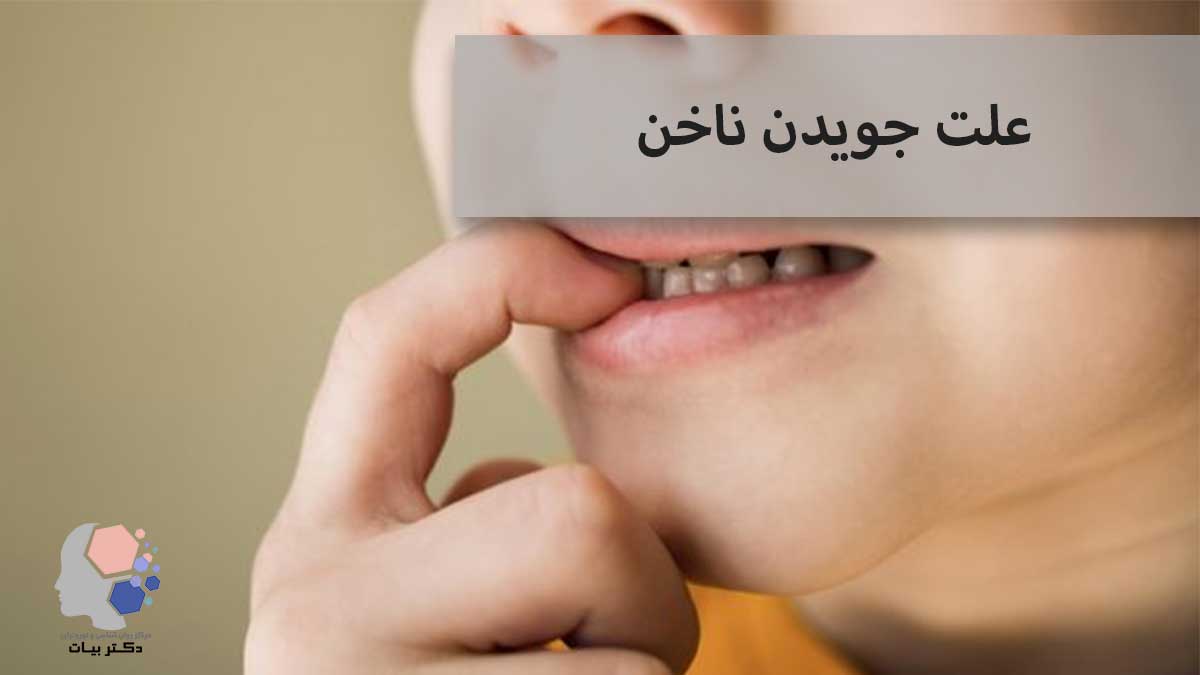
    the cause of nail biting; Psychological analysis of behavior in adults and adolescents - Psychology and Neurofeedback Center of Dr. Bayat
    مطالعه بیشتر

    the cause of nail biting; Psychological analysis of behavior in adults and adolescents - Psychology and Neurofeedback Center of Dr. Bayat

    Nail biting in psychology under onychophagia (Onychophagia) is known and is included in the category of repetit...

    3 weeks ago بخوانید
    Migraine treatment with neurofeedback; Reducing attacks with a scientific method without drugs - Dr. Bayat Psychology and Neurofeedback Center
    مطالعه بیشتر

    Migraine treatment with neurofeedback; Reducing attacks with a scientific method without drugs - Dr. Bayat Psychology and Neurofeedback Center

    Migraine is one of the most common and debilitating nervous headaches that can disrupt your concentration, work...

    3 weeks ago بخوانید
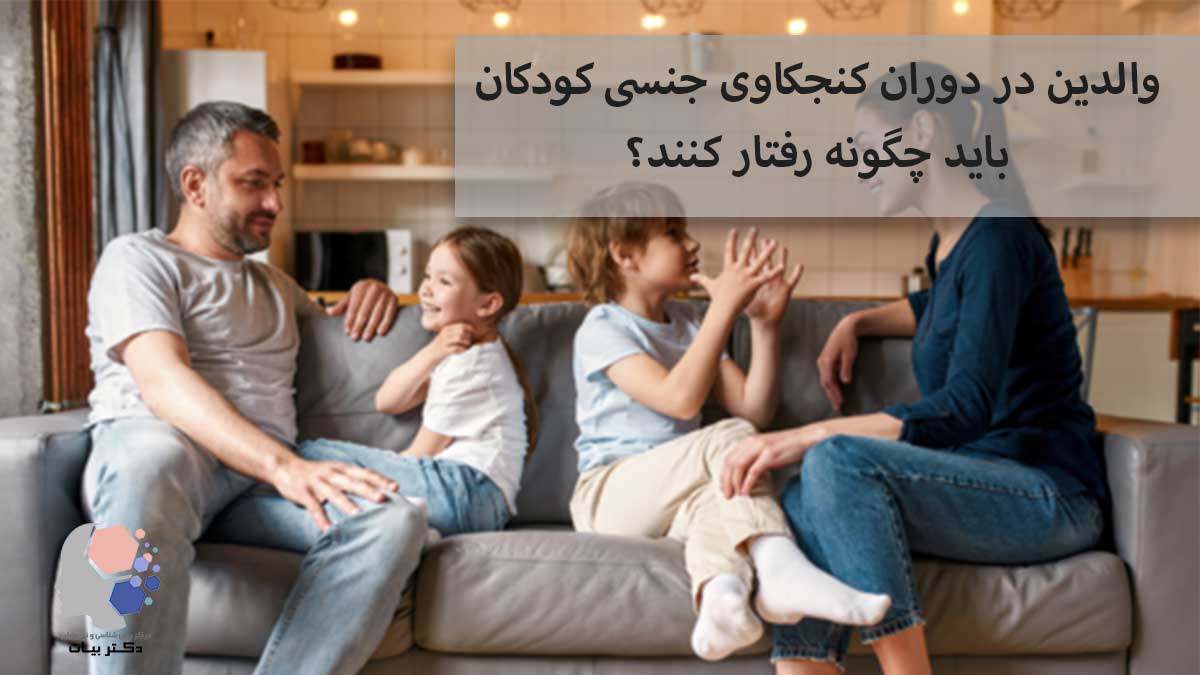
    How should parents behave during children's sexual curiosity? Dr. Bayat's Psychology and Neurofeedback Center
    مطالعه بیشتر

    How should parents behave during children's sexual curiosity? Dr. Bayat's Psychology and Neurofeedback Center

    Children's curiosity about their bodies is a completely natural thing, but for many parents it becomes confu...

    3 weeks ago بخوانید
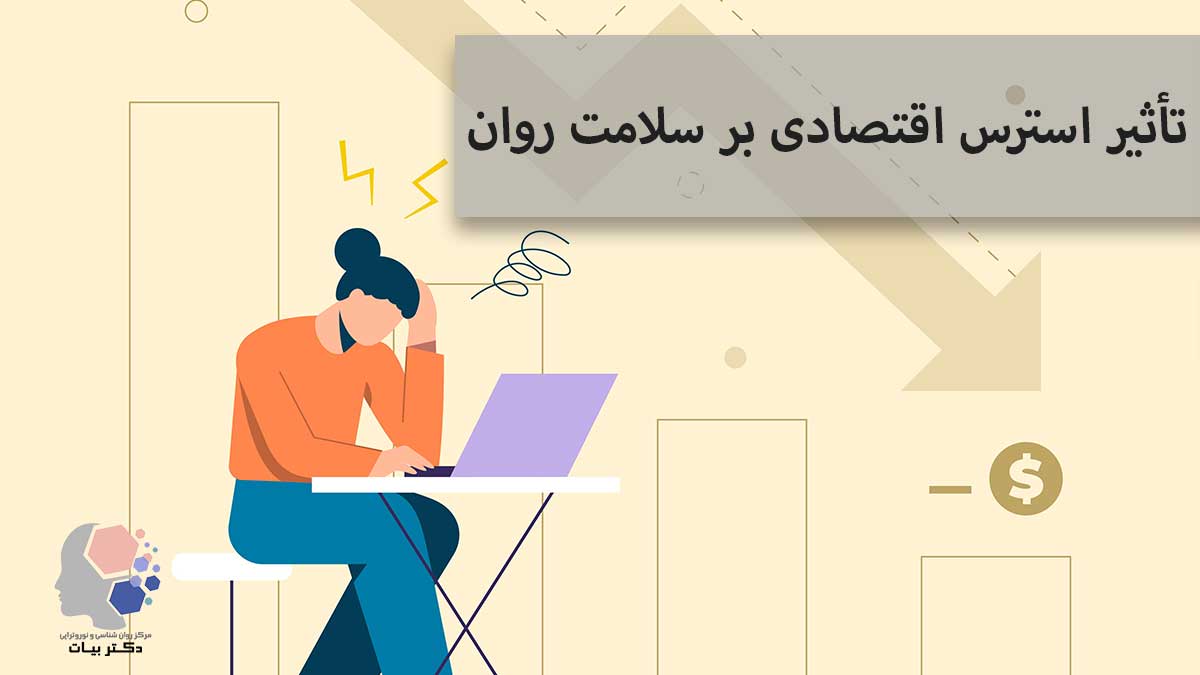
    What is the effect of economic stress on mental health? Dr. Bayat's Psychology and Neurofeedback Center
    مطالعه بیشتر

    What is the effect of economic stress on mental health? Dr. Bayat's Psychology and Neurofeedback Center

    Economic stress (financial stress) occurs when people worry about paying daily expenses, debts or job security....

    3 weeks ago بخوانید
    Getting to know Generalized Anxiety Disorder, its symptoms and treatment methods - Dr. Bayat Psychology and Neurofeedback Center
    مطالعه بیشتر

    Getting to know Generalized Anxiety Disorder, its symptoms and treatment methods - Dr. Bayat Psychology and Neurofeedback Center

    If you are constantly worried, nervous, or have insomnia, and your mind never seems to calm down, you may be de...

    3 weeks ago بخوانید
    5 scientific methods to strengthen mental health and improve quality of life - Dr. Bayat Psychology and Neurofeedback Center
    مطالعه بیشتر

    5 scientific methods to strengthen mental health and improve quality of life - Dr. Bayat Psychology and Neurofeedback Center

    Mental health is one of the main pillars of a happy, efficient and meaningful life. Just as we do exercise and...

    3 weeks ago بخوانید
    Treatment of hair loss disorder - put aside obsession and stress forever - Dr. Bayat's Neurofeedback and Psychology Center
    مطالعه بیشتر

    Treatment of hair loss disorder - put aside obsession and stress forever - Dr. Bayat's Neurofeedback and Psychology Center

    Hair pulling disorder (trichotillomania) is a severe obsessive disorder that causes a person to pull their hair...

    3 weeks ago بخوانید
    How to turn anxiety in emotional relationships into peace and true love? Dr. Bayat's Psychology and Neurofeedback Center
    مطالعه بیشتر

    How to turn anxiety in emotional relationships into peace and true love? Dr. Bayat's Psychology and Neurofeedback Center

    Relationship anxiety appears when worry, fear of abandonment or mistrust prevents a safe and intimate experienc...

    3 weeks ago بخوانید
    What is impulsive hyperactivity? 7 warning signs and scientific solutions to control them - Dr. Bayat Psychology and Neurofeedback Center
    مطالعه بیشتر

    What is impulsive hyperactivity? 7 warning signs and scientific solutions to control them - Dr. Bayat Psychology and Neurofeedback Center

    Is your child constantly on the move, responding before you finish, or unable to wait for their turn? Maybe you...

    3 weeks ago بخوانید
    Pagedone
    Resources
    Products
    ©GCORP LLC 2026, All rights reserved.