How many years does the implant last? The secret of long-lasting implants - Center for Gum and Implant Surgery, Dr. Affir and Dr. Shanae

Dr. Mohammad Hossein confirmed
KarajSpecialist in gum surgery - implant
How many years does an implant last? On average, a dental implant can last more than 15 to 25 years, provided that it is done with the right method and the person observes the necessary health care. Of course, this number is not the same for everyone; Factors such as jaw bone quality, implant brand and lifestyle can make a big difference in longevity.
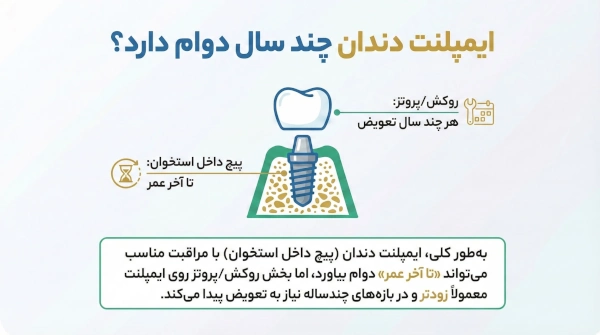
In general, a dental implant (screw in the bone) can last a "lifetime" with proper care, but the crown/prosthetic part of the implant usually needs to be replaced sooner and at intervals of several years.
https://www.prosmiledentalcare.com/how-long-do-dental-implants-last/
Dental implant is one of the most permanent methods of replacing a lost tooth, but its real durability depends on the skill of the surgeon, the condition of the patient's jaw, and post-treatment care.
In this article, in simple language and based on the experiences of gum surgery and implant specialists, we examine what factors make the implant last for years without problems and what mistakes can reduce its life.
This article has been prepared under the supervision of Dr. Mohammad Hossein Affir and Dr. Fereshte Shanei, specialists in gum surgery and dental implants. This article is only for educational purposes and is not a substitute for a specialist doctor's visit.
For consultation with gum and implant surgeon in Karaj contact 09129559071 or fill out the following form:
List of Articles
What factors affect the life of a dental implant?
To increase the life of a dental implant, you should know that its durability is not only limited to titanium material or beautiful appearance. Some factors can reduce the durability of a dental implant, while following simple tips can increase its life by several decades. In the following, we review the most important of these factors:
- Oral and dental hygiene: Brushing, flossing, and regular checkups every 6 months have a direct impact on the durability of the implant. Microbial plaques around the gums can cause infection and bone loss.
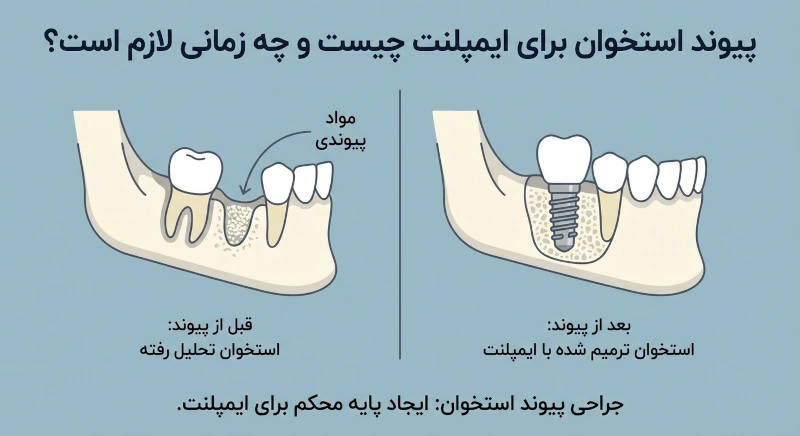
- Jaw bone quality: The implant has a long life when it is implanted in healthy bone with proper density. In case of bone weakness, bone graft or sinus lift is necessary.
- Implant brand and material: Reputable brands (such as Stroman, Magagen or Nobel Biocare) are more durable due to the high quality of titanium and the design of the threads.
- Doctor's expertise: The surgeon's skill in implant angle, fixture depth and choosing the right system plays a key role in increasing the life of the dental implant.
- Individual habits: smoking, drinking too much coffee and not observing oral hygiene are among the most important reasons for reducing the lifespan of implants.
How many years will the implant last? Real experience and statistics
How many years does the implant last? Based on global statistics and dental studies, the life of a dental implant is estimated between 15 and 25 years; Of course, in case of proper care and choosing a reliable brand, this number can even exceed 30 years. The type of implant (Swiss, German or Korean), jawbone density, lifestyle and oral hygiene all play a role in the final durability.Based on the clinical experience of Dr. Mohammad Hossein Affir and Dr. Fereshte Shanei, many patients have been able to use their implants for more than two decades without any special problems by following the post-surgery care. Therefore, the durability of the implant depends on the care and skill of the treatment team as much as it depends on the quality of the product.
Difference in life-time of implant crown and fixture (metal base)
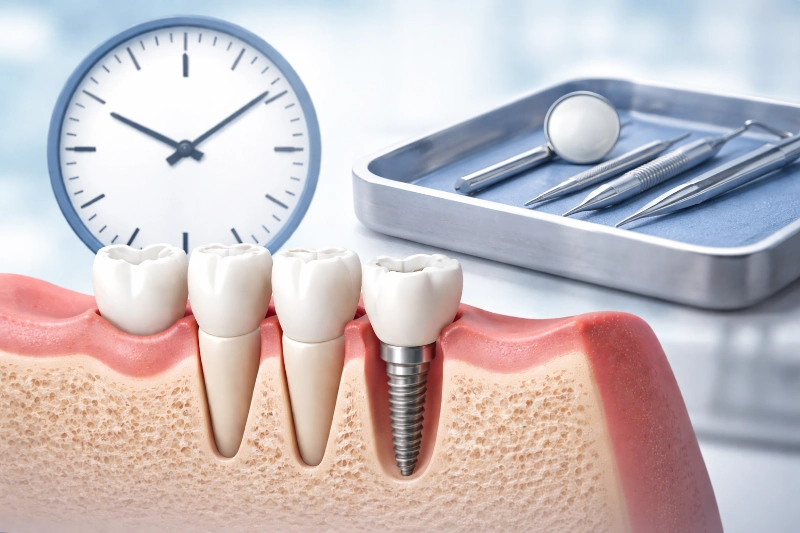
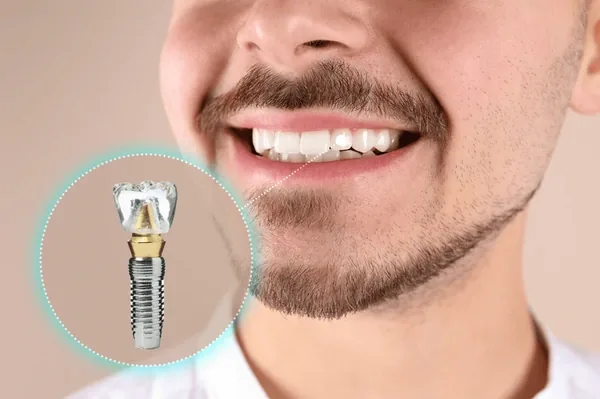
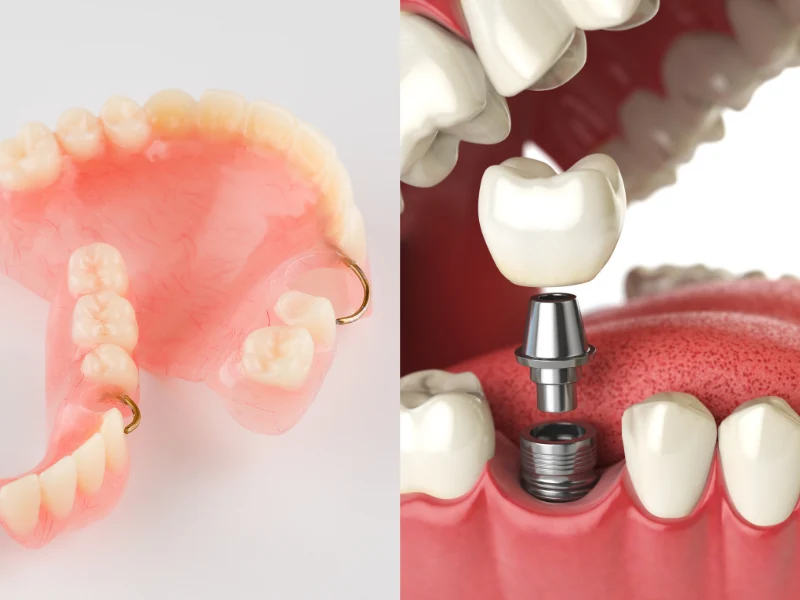
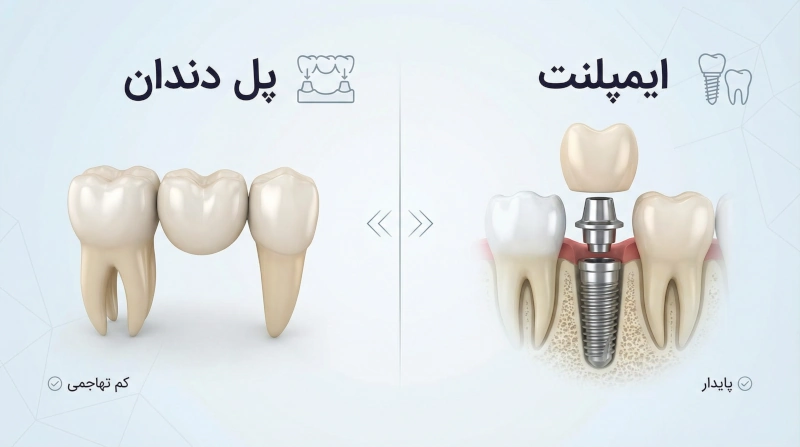
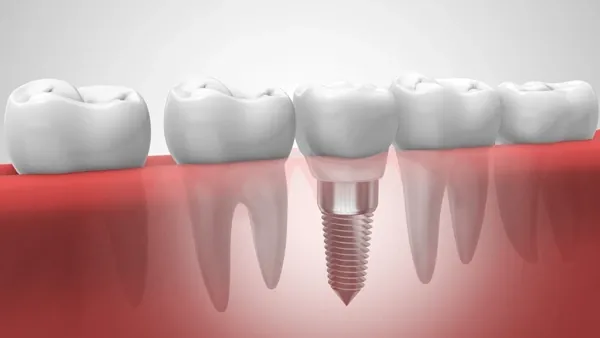
One of the important points in examining the durability of dental implants is to pay attention to the difference between its different parts. The implant consists of two main parts: a fixture (metal or titanium base) that is placed inside the jawbone and a ceramic crown that restores the appearance of the tooth.
Usually, the lifespan of the implant in the fixture section is much longer than the crown; Because the metal base remains fixed in the jaw and rarely needs to be replaced, the crown may need to be replaced after a few years due to chewing pressure or discoloration. In the table below, the approximate life of each part of the implant is shown:
| Implant part | Approximate life | Description Complementary |
| Fixture (titanium base) | 20 to 30 years or more | The durability of the metal base of the implant, if the bones are healthy and hygiene is followed, for life |
| Abutment (connector piece) | 10 to 20 years | It may need to be replaced in some cases due to excessive pressure or loosening. |
| Ceramic crown (covering) | About 8 to 12 years | The implant crown is usually replaced after a decade due to wear or discoloration. |
Therefore, although the lifespan of the titanium part of the implant is usually several decades, to maintain the beauty and optimal function, the dental crown should be checked at regular intervals and replaced if necessary.
How to increase the durability of a dental implant?

To increase the durability of dental implants, long-term care should be taken to maintain the health of the tissue around the implant (peri-implant) and prevent the development of infection. Studies show that regular supportive peri-implant care programs play a vital role in implant durability. (Nature)
To increase the longevity of the dental implant, you must follow these measures:
- Regular visits to the dentist: at least every 3 to 6 months to evaluate the tissues around the implant and specialized cleaning of the plaque. (PMC)
- Avoid smoking: Smoking increases the risk of peri-implantitis and can reduce the longevity of the implant. (Nature)
- Using a toothbrush and dental floss suitable for the implant: choosing a soft or electronic toothbrush and special dental floss for the implant to accurately remove microbial plaque
- Control of systemic and general factors: control of diabetes, general body health and follow-up of underlying diseases
- Healthy nutrition and nutritional care: using a diet rich in vitamin D, calcium, protein and avoiding hard or harmful foods
- Complying with post-surgery instructions: Avoiding too much pressure on the implant during the recovery period, avoiding excessive chewing on the side of the implant until complete recovery
These solutions, along with periodic monitoring and careful control of risks, help to significantly increase the durability of dental implants.
The most durable and high-quality dental implants
In examining the durability of a dental implant, what is important is not only the brand or the country of manufacture, but the quality of raw materials, engineering design of the implant, surface technology and its scientific support play a decisive role. Implants that are produced using standard medical titanium alloys and under strict quality controls have shown more successful results in long-term clinical studies in terms of fusion with bone and functional stability.
When talking about German implant life, it is meant to refer to the same level of engineering standards and precision in the production process; Factors that, in case of proper implantation and proper care of the patient, can help the long-term durability of the implant.
However, it should be emphasized that even the highest quality implants will not last well without gum health, proper jawbone conditions, surgeon skill and regular follow-ups after treatment. For this reason, the success and longevity of the implant is always the result of the combination of the quality of the implant and the quality of the treatment.
last-letter
To sum up, the answer to the question of how many years does an implant last depends on a series of factors, including the health of the mouth and gums, the quality of the jaw bone, the brand of the implant, and the skill of the surgeon. Dental implants can last up to 25 years or even longer if the post-implantation care is done properly.
Maintaining hygiene, regular visits to the doctor and avoiding smoking play an important role in increasing the life of the implant and can prevent problems such as infection or bone loss.
The clinic of Dr. Fershte Shanae and Dr. Mohammad Hossein Affir is one of the most reliable and well-known implant centers in Karaj, relying on specialized knowledge in the field of gum and implant surgery and using digital equipment. Contact us to schedule an appointment or fill out the form below.
Contact phone: 026-34001968
Address: Karaj, Beheshti St., between Shahada Square and Taleghani Crossroads, 7th Floor, Unit 23, Qaim Doctors Tower
This article has been prepared under the scientific supervision of Dr. Masfer and Dr. Shane'i and is only for increasing the awareness of the audience.
Frequently Asked Questions About Dental Implant Life
How many years does the implant last?
How many years does the implant last? One of the common questions of patients at the beginning of treatment for dental implants. On average, a dental implant lasts between 15 and 25 years, but if you follow hygiene and regular care, it can last for the rest of your life.
What factors reduce the life of a dental implant?
Dental implant lifespan depends on various factors. Smoking, poor oral hygiene, gum disease and the wrong choice of implant type can reduce its durability.
Is an implant crown permanent?
No, a ceramic crown usually needs to be replaced every 8 to 12 years, but a titanium fixture in the jaw can last for decades.
What should I do to increase the durability of dental implants?
To increase the longevity of the dental implant, you should use a special toothbrush and floss, visit the dentist every 6 months for a checkup and avoid smoking.