On average, a woman with a regular 28-day menstrual cycle ovulates around the 14th day of the cycle. However, if the cycle length is shorter or longer than 28 days, the time of ovulation will also change. For example, in a 24-day cycle (4 days shorter than average), ovulation usually occurs around the 10th day. Therefore, knowing the length of the menstrual cycle plays an important role in correctly estimating the time of ovulation. In this article, we will talk to your doctor about the correct methods of calculating the date of ovulation. Stay with us.
calculation of ovulation date in regular cycle
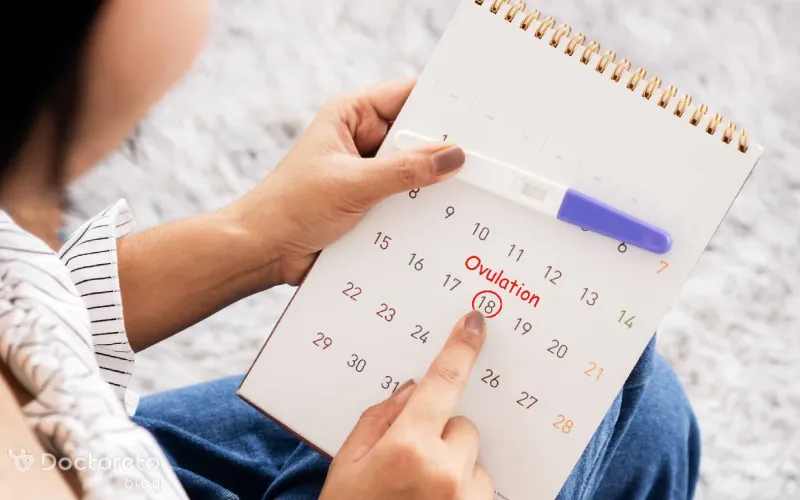
One of the easiest ways to determine when ovulation is the calendar method. In this method, you should record the first day of your period every month on a calendar or in a menstrual application. The interval between the first day of two consecutive periods shows the length of your menstrual cycle.
For more accuracy, it is recommended to do this for at least six consecutive months. In regular cycles, ovulation usually occurs about 14 days before the next period, but this interval can vary from person to person. Fertility window includes five days before ovulation and the day of ovulation itself; It means about 7 days in each cycle. Note that if you have irregular periods, this method will not be accurate enough.
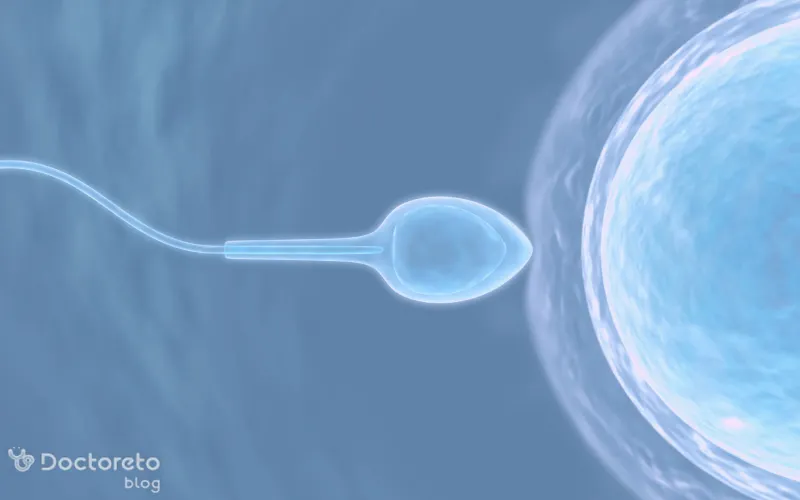
English text: Ovulation is a phase of the female menstrual cycle that involves the release of an egg (ovum) from one of the ovaries. It generally occurs about two weeks before the start of the menstrual period. Farsi translation: Ovulation is a stage of women's menstrual cycle that includes the release of an egg (ovum) from one of the ovaries. This stage usually occurs about two weeks before your period starts.
For women who do not have a regular menstrual cycle and have irregular period, it is more difficult to predict ovulation. In general, the shorter the cycle, the earlier ovulation and the longer the cycle, the later ovulation.
For example, in shorter cycles, ovulation usually occurs earlier, but the exact timing varies from person to person. However, in cycles longer than 28 days, this time is transferred to the following days. In this situation, attention to physical symptoms and the use of auxiliary diagnostic methods will be very effective.
Paying attention to physical signs of approaching ovulation
Many women's bodies show symptoms near the time of ovulation. The combination of these symptoms helps to determine ovulation time more accurately. Among the physical signs of approaching ovulation, the following can be mentioned:
Change in cervical mucus (transparent, stretchy and like egg white)
Slight increase in basal body temperature (BBT)
Slight pain or cramping on one side of the abdomen (mittelschmerz)
Increased energy, concentration or self-confidence
English text: As you approach your ovulation date, your vaginal discharge may become clear, stretchy, and slippery similar to raw egg whites. This mucus helps sperm travel more easily through the cervix to meet the egg in the fallopian tube. Farsi translation: As the date of ovulation approaches, vaginal secretions become transparent, elastic and slippery like raw egg whites. This mucus helps the sperm to pass more easily through the cervix and reach the egg in the fallopian tube.
Using Ovulation Kits (OPK)
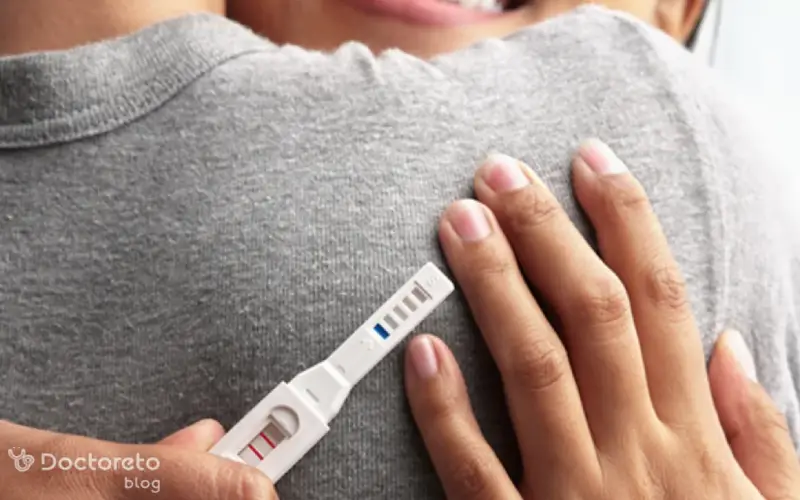
Ovulation prediction kits (OPK) are simple tools that determine when ovulation is approaching by measuring LH hormone in urine. These kits have the same function as a pregnancy test and show a positive result with an increase in LH. Usually, ovulation occurs 24 to 36 hours after the test is positive.
calculation of ovulation in certain conditions
To increase the accuracy in calculating the time of ovulation in certain conditions, it is very useful to regularly record the basal body temperature and cervical mucus changes. In the following, we have explained each of the different conditions.
Ovulation calculation method
How to do it
Suitable for which people?
Calendar method
Record the date of the first day of the period and calculate ovulation about 14 days before the next period
Women with cycles Regular
Cycle length calculation
Check how many months of cycle length and estimate fertile days
General awareness, not exact prediction
Check cervical mucus
Pay attention to clear, stretchy and slippery secretions
People who are aware of their body changes
Temperature Basal body temperature (BBT)
Daily measurement of body temperature after waking up
Ovulation detection after occurrence
Ovulation kit (OPK)
Measurement of LH surge in urine
Pregnancy planning or precise prevention
Combination of natural symptoms (FAM)
Combination of mucus, temperature and physical symptoms
People with training and regular follow-up
Ultrasound and hormone testing
Monitoring of follicle growth and hormones by a doctor
Infertility treatment or special conditions
Menstrual applications
Using algorithms Prediction
General awareness, not a definitive tool
In this table, the types of ovulation calculation methods are stated.
1. Calculation of ovulation after discontinuing the contraceptive pill
The timing of return of ovulation after stopping birth control pill varies among women. In some people, ovulation occurs again in about 14 days. But in other people it takes a few weeks. Examining physical symptoms is the best way to recognize this time.
Calculating ovulation after stopping birth control pills is a very important issue for every person.
2. Ovulation after childbirth and during breastfeeding
If the mother is not breastfeeding, ovulation occurs 4 to 6 weeks after giving birth. During breastfeeding, the return of ovulation is not predictable and may vary from a few weeks to a few months.
3. Ovulation in women with PCOS or hormonal problems
Women with polycystic ovary syndrome (PCOS) may have irregular ovulation. These people may not even ovulate. This condition can be associated with symptoms such as irregular periods, acne, excessive hair growth, weight gain, and infertility, which require follow-up.
Conclusion
Although it is not always easy to determine the exact time of ovulation, but in most women it happens about 10 to 16 days before the next period. Women with a regular 28-day cycle usually have the best chance of conceiving around day 14, but this time varies with shorter or longer cycles. Using a combination of calendar methods, physical symptoms, and ovulation kits will increase the accuracy of diagnosis. If you are not able to calculate the date of ovulation with the help of these things, you can get help from a gynecologist for this purpose.
Your doctor takes care of your health!
Frequently Asked Questions
Ovulation usually occurs about 14 days before the next period. But it may change from month to month. Recording the basal body temperature and examining the cervical mucus helps to make a more accurate diagnosis.
Its time depends on the length of the cycle. Most women, regardless of cycle length, get their period 14 to 16 days after ovulation.
The highest chance of pregnancy is three days before ovulation and the day It is ovulation.
If you are under 35 years old and have not conceived after 35 years of trying, or With the age between 35 and 39 years, after six months you have not seen results, it becomes necessary to see a specialist doctor. In case of severe period irregularity or age over 40, it is necessary to refer earlier.