How do we know if the implant is infected? + Specialized treatment - Center for Gum and Implant Surgery, Dr. Affir and Dr. Shanae

Dr. Mohammad Hossein confirmed
KarajSpecialist in gum surgery - implant
List of Articles
Should we worry when the dental implant hurts?
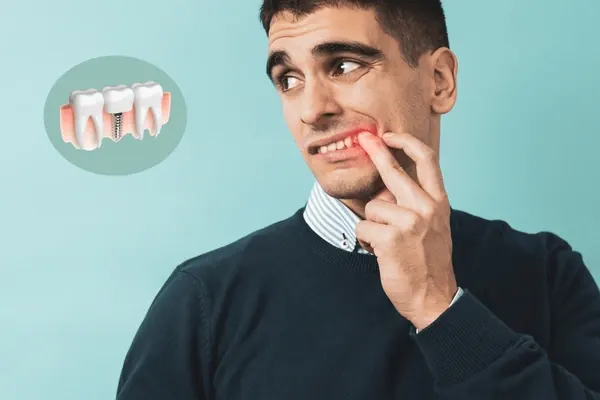
Many patients do not know how to know if the implant is infected and whether the pain they feel after implantation is normal or a sign of a serious problem. The reality is that dental implants are usually mildly inflamed after a few days, but if you experience persistent pain, swelling, or bad breath, there is a possibility of infection.
Early diagnosis of this condition is very important, because the faster the treatment is done, the more likely it is to save the implant and prevent damage to the gums. In such a situation, visiting an experienced specialist like the best periodontist and implant specialist in Karaj can prevent the progress of infection and shorten the treatment process.
Remember, your body usually warns you before things get worse with symptoms like throbbing pain, redness, or even pus discharge. If you experience these symptoms, don't ignore it and seek a professional examination.
This article has been prepared under the supervision of Dr. Mohammad Hossein Affir and Dr. Fereshte Shanae, specialists in gum and implant surgery in Karaj, and is purely educational. Definitive diagnosis requires an in-person examination by a doctor.
Warning symptoms of dental implant infection
If you don't know how to know if the implant is infected, you should pay attention to the physical and emotional symptoms of your mouth. In most cases, implant infection begins slowly and if left untreated can cause severe gingivitis or even loosening of the implant base. Knowing these signs will help you see a specialist before the situation worsens.
- Throbatic or continuous pain that does not decrease even with painkillers.
- Swelling or redness around the gums in the implant area.
- Persistent bad breath or metallic taste that does not go away with brushing.
- purulent discharge or bleeding from around the implant.
- Implant loosening or feeling of movement when chewing.
- Fever or general feeling of fatigue which indicates the body's reaction to the infection.
If you experience any of these symptoms, an immediate visit to a gum and implant specialist is necessary to prevent the spread of infection.
Why do implants get infected?
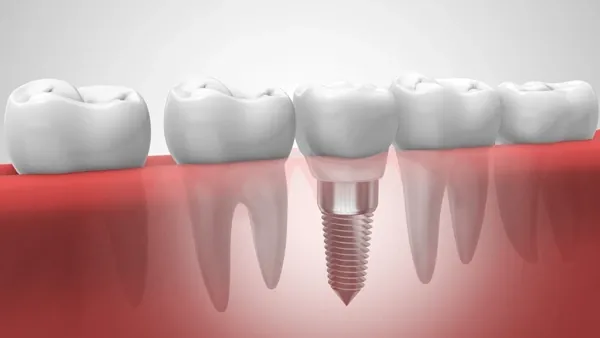
Why do implants get infected? This is one of the common questions that patients ask after implant placement. Infection is usually caused by the accumulation of bacteria around the metal base of the implant, and if left untreated, it can cause gingivitis and even bone loss. Several factors play a role in the occurrence of this problem, knowing them helps in prevention.
- Ignoring oral and dental hygiene: If you do not take brushing or flossing seriously after implant placement, bacteria will gather around the gums and create a suitable environment for infection.
- Tobacco use: Smoking or hookah reduces the blood flow in the gums and slows down the healing process.
- Not using antibiotics completely: If you leave the medicines prescribed by the doctor half-way, the infection will not go away completely.
- Improper surgery or use of low-quality implants: In some cases, surgical errors or poor-quality materials can cause long-term inflammation.
- Uncontrolled underlying diseases: Diabetes or weak immune system increases the possibility of infection after implant placement.
If you feel pain or an unpleasant smell after implantation, take these symptoms seriously and see a specialist to check the condition of the gums and the base of the implant to prevent more serious complications.
Does the implant get infected? The difference between normal inflammation and dangerous infection

Yes, in response to "does the implant get infected", it should be said that yes, but it is important to know when the natural inflammation after the implantation of the implant turns into a dangerous stage of infection. Usually, after the implantation of the implant, the gum becomes slightly swollen or sensitive, which is completely normal; But when symptoms such as persistent pain, increasing swelling or purulent discharge are observed, then the possibility of infection should be taken seriously and immediately referred to a specialist.
Studies have shown that in infections around the implant (peri-implantitis), bacteria similar to gum diseases are activated and cause bone and gum destruction. (PMC)
Natural inflammation after implant placement
- Gums may be slightly red or swollen for a few days after surgery;
- Mild to moderate pain that is relieved by pain relievers or simple care;
- Limited swelling or tenderness around the implant area;
- No purulent discharge or unpleasant smell;
- No signs of implant loosening or systemic fever.
Signs of real infection
- Throbbing or severe pain that does not decrease with time; (Perio Health Professionals)
- swelling or more intense redness of the gums with local warmth;
- Persistent bad breath or metallic taste;
- purulent discharge or bleeding from around the implant;
- feeling of implant loosening or shifting when chewing;
- Fever, general fatigue or systemic symptoms with location.
How is the treatment of implant infection?
The treatment of implant infection depends on the progress of the infection and the health of the gum tissue. In the initial stages, the doctor's goal is to control the inflammation and kill the bacteria. First, the area around the implant is professionally cleaned, and if necessary, a dental laser is used to remove bacteria without damaging the healthy tissue.
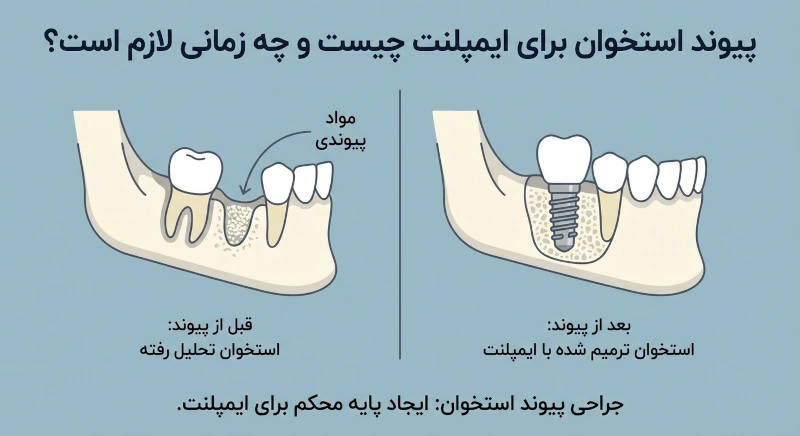
An oral or topical antibiotic is then prescribed to prevent the spread of infection. If the gum has decayed or the bone surrounding the implant has been destroyed, there may be a need for bone grafting or gum repair.
In more advanced cases, it is sometimes necessary to temporarily remove the implant base and re-implant it after complete treatment. If you are not sure how to know if the implant is infected, it is better to see a doctor for a specialist examination. Accurate and timely diagnosis prevents implant loss.
In the clinic of Dr. Fereshte Shaneei and Dr. Mohammad Hossein Affir in Karaj, a complete examination is carried out using digital technologies in order to choose the best treatment method for each patient.
When should we see a doctor immediately?
If you still do not know how to know if the implant is infected and whether your symptoms are normal or not, it is better to see a doctor immediately if you see any of the following symptoms. A delay in treatment can cause the loss of the implant or the spread of infection to the surrounding tissues.
- Fever or extreme tiredness and general lethargy.
- Extensive swelling or widespread redness in the implant area.
- purulent discharge or persistent unpleasant smell from the mouth.
- Severe or throbbing pain that is not relieved by painkillers.
- Implant loosening or pain when chewing.
The clinic of Dr. Fereshte Shanaei and Dr. Mohammad Hossein Affer, using digital technologies and the implant specialist team in Karaj, are ready to carry out a specialized examination of your condition so that the appropriate treatment can be carried out in the shortest possible time.
last-letter
Finally, the answer to the question How do we know if an implant is infected is that any persistent pain, swelling, or abnormal discharge around the gums should not be ignored. If the implant infection is detected in the early stages, it can be easily controlled with drug treatment or specialized cleaning, but a delay in treatment may cause the loss of bone tissue or the need for re-surgery.
Always listen to your body and act quickly if you notice any changes to prevent bigger problems.
The clinic of Dr. Fereshte Shanae and Dr. Mohammad Hossein Affer with years of experience in treating implant infection, gum surgery and complex oral repairs in Karaj is ready Provide expert advice and accurate treatment. To book an appointment or get advice, you can call us or fill out the form below.
Contact: 0912-9559071
Address: Karaj, Beheshti St., between Shahada Square and Taleghani Crossroads, 7th Floor, Unit 23, Qaim Doctors Tower
This article was written under the supervision of Dr. Mohammad Hossein Affir and Dr. Fereshte Shanae and was prepared with the sole purpose of increasing the awareness of users.
FAQ
How do we know if the implant is infected?
If there is pain, swelling, bad breath or purulent discharge around the implant, there is a possibility of infection and you should see a specialist immediately.
Does the implant get infected even if I follow oral hygiene?
Yes, in some cases due to weak immune system, smoking or gum problems, infection may occur even with good hygiene.
How long does it take to treat an implant infection?
Depending on the severity of the infection, it lasts from a few days to a few weeks and is usually cured by professional cleaning and antibiotic use.
If the implant gets infected, should it be removed?
Not always. In the early stages, the implant can be preserved with medication and laser treatment, but in severe cases, it may be necessary to replace the base.