
چطور با سیگار کشیدن فرزندم برخورد کنم؟

دیدن سیگار کشیدن فرزند برای هر پدر و مادری می تواند سخت باشد. It's as if all of your imagination about your child or teenager suddenly collapses. It may be hard to believe at first, then anger and fear will come to you; Worry about his future, fear his friends, or ask yourself, "Where did I go wrong?" But at this point, the most important decision of your educational life begins. A decision that can either ruin your relationship or save it.
1. Calm yourself first
The first reaction of most parents is anger and fear. But the fact is that the outburst of anger closes the way to dialogue. If you are angry now, say nothing, or finally just say a short sentence: "I want to talk later." Then go for a walk, breathe, or cuddle with someone (other than family) to calm down. Because the first conversation with your child determines the direction of your relationship.
2. Ask with curiosity, not interrogation
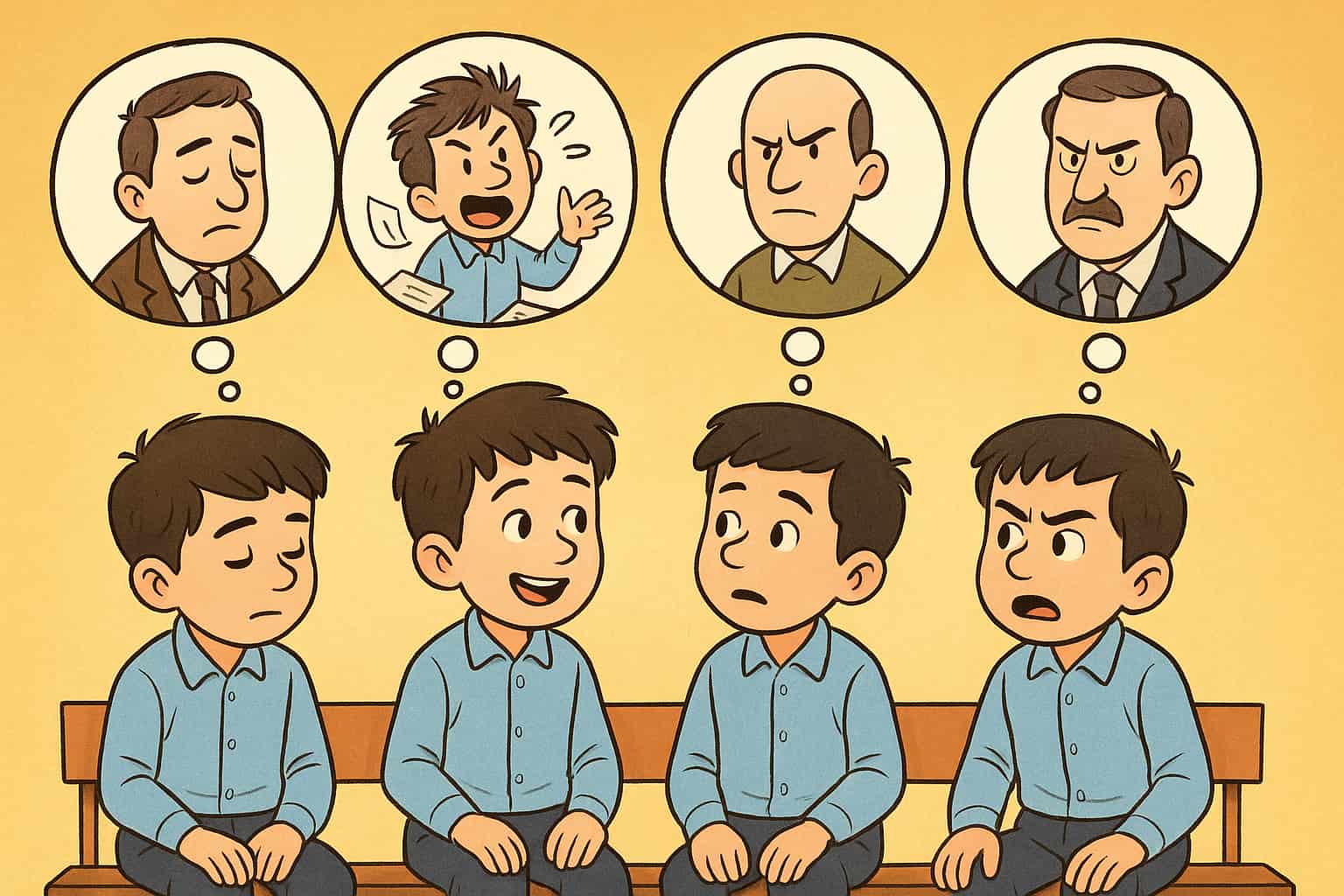
When you calm down, it's time to talk. But not with the tone of an investigator! Instead of asking "Why did you do it?", ask "What made you decide to try it?". Maybe he was curious, maybe his friend complimented him, maybe he was stressed. If you know what is the feeling behind this behavior, you can help him more easily.
For example, a teenager said: "I felt like I grew up when I draw!" This means he is looking for a sense of independence, not nicotine. And here your role is to guide his feelings, not suppress his behavior.
3. Let it come to the facts
Instead of scaring him with sentences like "you're going to destroy your lungs," talk to him about the consequences that smoking can have for his future. Not in the way that you tell all its disadvantages one after the other. Try to activate his analytical thinking. For example, ask: "Why do you think most families consider smoking a bad thing?", or "What harm do you think smoking can have on you?"
4. Make laws, but respectfully
Your home should be safe, but not the barracks. Make your rule clear: "Smoking is prohibited in our house or car, because I don't want polluted air to enter our bodies." A logical explanation will keep your child from feeling controlled. Remember, the goal of the law is order, not revenge.
5. Replace threat with support
Many parents threaten: "If you kill again, I will take your phone!" But these threats usually backfire. The child learns to hide. Instead, say, "I know it's hard to leave, but I'm here whenever you need help."
At this point, you can talk to him about quitting programs for teens, such as support groups or smoking cessation apps. Even watching a real video or reading a book about the Turkish experience can be inspiring.
6. Be a true role model
If you are a smoker yourself, quitting is the biggest message for him. Teenagers learn more with their eyes than with their ears. If your child sees that you are actually trying to quit, he will respect you more. Say: "I know it's hard, but I'm trying"; This means honesty and being on the same path.
7. Know his environment and friends
Sometimes the issue is not smoking; It is a group that pushes him towards him. Try to find out who he spends time with without interrogating or spying. If you feel they are having a negative effect, tactfully suggest alternatives; For example, an exercise class, a volunteer group, or a group of healthier friends. Find his healthy interests so that you can help him.
8. See the root, not just the smoke
Many teenagers use cigarettes to escape anxiety or feelings of inadequacy. If you feel that there are deeper feelings behind this behavior, such as loneliness, anxiety, or academic pressure, be sure to seek help from a teen counselor. Sometimes a simple therapeutic conversation replaces thousands of warnings from parents.
Makhlas Kalam
Facing a child smoking is a test of patience and wisdom. You must be a firm parent and an understanding friend at the same time. Instead of focusing on "why did you smoke," focus on "how we can fix it together." Because your child, even if he looks cool, still needs to know that your love is unconditional.