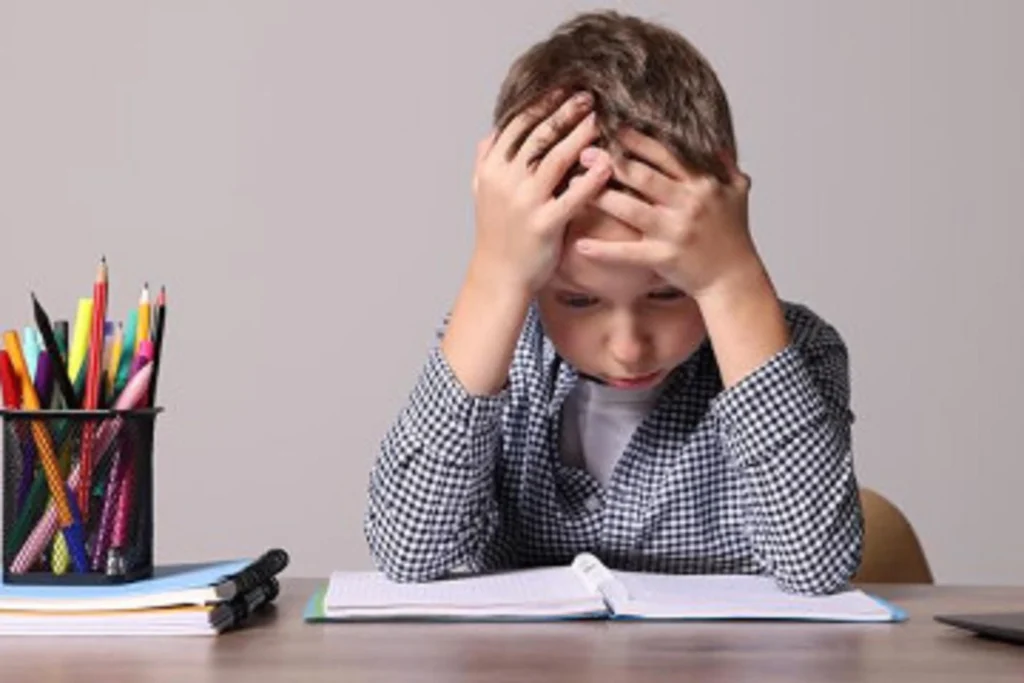

شروع سال تحصیلی برای بسیاری از کودکان کلاس اول، تجربهای هیجانانگیز و در عین حال چالشبرانگیز است. Learning to write and read are basic skills that have a direct impact not only on academic success, but also on a child's self-confidence and motivation. However, some children may experience handwriting problems in first graders that make writing difficult, slow, and sometimes boring for them.
These problems can include difficulty holding a pencil, clumsiness in writing letters, or poor hand-eye coordination. By recognizing the early signs and timely diagnosis of these problems, parents and teachers can prevent serious obstacles in the child's education and strengthen his writing skills by providing appropriate exercises and support. In the continuation of this article, we will examine the causes, symptoms, effects and methods of treatment and prevention of handwriting problems in first grade children so that parents and teachers can have the best support for their child.
handwriting problems in first grade children
Writing is one of the basic skills in primary education that directly affects children's academic success. Hand motor skills, hand-eye coordination, and mental focus are key factors in learning to write. When the child enters the first grade, learning to write officially begins, and handwriting problems in first grade children can cause serious obstacles in the educational path. These problems include difficulty holding a pencil, slow writing, slurring of letters, and fatigue when writing. Timely diagnosis and treatment of these problems can help improve the child's writing skills, self-confidence and academic performance.
Parents and teachers have an important role in early identification of these problems. Close observation of a child's pencil grip, sitting position, and hand coordination can provide valuable clues. Also, paying attention to non-verbal symptoms such as discomfort, early fatigue, and the child's tendency to avoid writing can indicate the existence of handwriting problems in first grade children. In the continuation of this article, we will examine the causes, symptoms, effects and methods of prevention and treatment of handwriting problems in first grade children and provide practical solutions for parents and teachers.
*Are latecomers to special schools? Are they going?*
Causes of handwriting problems in first grade children
Handwriting problems in first grade children can have several reasons, including physiological, psychological and environmental factors. Physiologically, weakness of hand and finger muscles or delay in the development of fine motor skills can cause difficulty in holding a pencil and writing. Some children face significant problems when they enter the first grade due to not strengthening these skills in preschool.
Psychological factors also play an important role in the occurrence of handwriting problems. A child's stress, anxiety or lack of confidence when writing can cause slow writing or irregular letters. Some children avoid writing because of previous negative experiences, and this issue aggravates handwriting and writing problems in first grade children.
Environmental and educational factors should not be ignored either. Lack of proper classroom practice, lack of standard teaching tools, and too much pressure to write quickly can affect a child's writing skills. The home environment, with the lack of proper support and lack of encouragement for movement exercises, can aggravate handwriting problems in first grade children. Knowing these causes and carefully examining each child is the first step in providing effective solutions to improve his writing.
Signs and symptoms of handwriting problems
Diagnosis of handwriting problems in first grade children is possible by observing their behavior and writing performance. One of the main symptoms is precise movement disorders. Children who cannot hold a pencil correctly, draw straight lines, or write letter shapes correctly may have handwriting problems in first grade.
Also, slowness or irregularity in writing letters and numbers is another important symptom. Children who find writing time-consuming and tiring are likely to have motor and hand-eye coordination problems. Some children may write letters backwards or incorrectly or do not respect the space between words and lines, which indicates the presence of handwriting problems in first grade children.
Other signs include tiring quickly when writing, avoiding writing, and using the other hand instead of the dominant hand. A child who finds writing an unpleasant and difficult experience may not be motivated to practice. Paying attention to these symptoms can help parents and teachers to intervene in time and prevent the aggravation of handwriting problems in first grade children.
The impact of handwriting problems on education and social life
Handwriting problems in first grade children are not only limited to writing; Rather, it has wide-ranging effects on their education and social life. A child who does not have the ability to write letters and words well may have problems in learning to read and write, and this issue will negatively affect his grades and academic performance.
Psychologically, handwriting and writing problems can reduce a child's self-confidence and motivation. When a child cannot do their homework properly, they feel helpless and frustrated. This issue can cause the child to avoid participating in class activities or even stay away from school and learning.
The social effects are also significant. In group activities or class games that require writing or drawing, the child may lag behind peers or feel a lack of confidence. These experiences can have a negative effect on his social relationships. For this reason, timely identification and treatment of handwriting problems in first-grade children is very important so that the child can grow both academically and socially.
Learn more:Learning Disability What is it?
Methods of diagnosing and evaluating handwriting problems
Diagnosis of handwriting problems in first grade children should be done comprehensively and multidimensionally. The first step is evaluation by teachers and parents. A teacher can identify early clues by observing the way the pencil is held, the speed and quality of the writing, and the accuracy of the letters. Parents can also report behavioral differences and possible problems by observing the child's performance at home.
There are also standard diagnostic tools used by educational professionals and occupational therapists. These tools include fine motor tests, hand-eye coordination tests, and assessment of writing abilities. The use of these tools can determine the severity of the problem and areas that require corrective exercises.
Expert examinations by occupational therapist or child psychologist can also be the next step. These specialists design appropriate exercises and strengthening programs by conducting detailed assessments. Timely assessment can prevent the aggravation of handwriting problems in first grade children and pave the way for treatment and recovery.
Solutions to improve handwriting problems in first grade children
To improve handwriting problems in first grade children, there are several methods that include motor exercises, appropriate training and parental support. Movement exercises and strengthening games are one of the most effective methods. Exercises such as turning the pages of books, using play dough, threading beads and handicraft activities strengthen hand muscles and hand-eye coordination. These exercises help the child to have more control over the pencil and his writing movements and reduce handwriting problems in first grade children.
Appropriate training methods are also very important. Teachers can simplify the process of learning to write by providing short exercises, using guidelines, and step-by-step techniques. Instead of pressure to write quickly, focusing on accuracy and coordination of movements will reduce the child's anxiety and improve writing skills.
The role of parents at home is also vital. Creating a supportive environment, encouraging short daily exercises, and providing appropriate writing tools such as pencils of appropriate diameter, lined notebooks, and appropriate erasers can be a great help in reducing handwriting problems in first grade children. Also, paying attention to positive encouragement and not comparing the child with his peers will keep his motivation and self-confidence.
Learn more:What is aphasia? From diagnosis to effective treatment
Online occupational therapy
Occupational therapy and the role of specialists
Occupational therapy is one of the effective methods in treating handwriting problems in first grade children. Occupational therapists carefully examine the child's movement abilities and design special exercise programs that aim to strengthen fine motor skills and hand-eye coordination. These exercises include finger, hand, and arm movements, balance games, and sensory stimulation activities that help the child gradually gain more control over writing.
Cooperation between teachers, parents and occupational therapists is very important in this process. By providing appropriate exercises in the classroom, parents with short exercises at home and occupational therapists with specialized programs can speed up the improvement of handwriting problems in first grade children. Occupational therapy sessions are usually designed to be short, engaging and game-based to keep the child motivated and interested.
Using educational aids such as special pencils, notebooks with wide lines and digital educational software can also make the treatment process more effective. Finally, early diagnosis and continuous follow-up by professionals play a decisive role in improving a child's writing skills.
best occupational therapy in Karaj
Rehabilitation
Handwriting problems in first-grade children can often be improved with motor rehabilitation and specialized exercises, and rehabilitation programs can strengthen the hand muscles, hand-eye coordination, and motor control of the child. With this method, the child learns to write with more confidence and his problems are reduced.
Speech therapy
Hand and writing problems in first grade children are sometimes related to language and speech skills, and speech therapy can help improve coordination between hand movements and language skills. This cooperation between professionals makes the process of learning to write and read smoother for the child.Practical and daily exercises for children
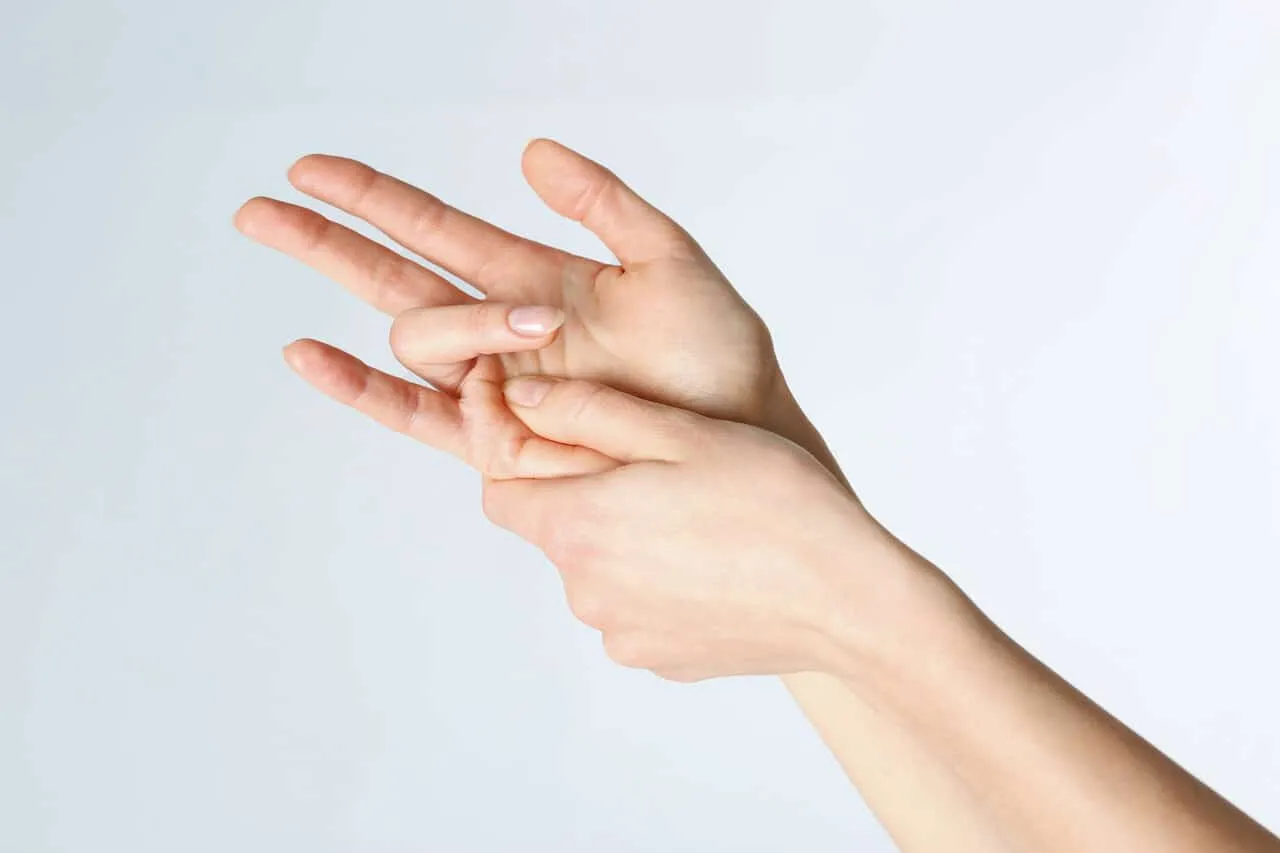
Daily and practical exercises can help to improve handwriting problems in first grade children. One of the important exercises is to strengthen the hands and fingers. Games such as pushing a soft ball, flipping through books, or opening and closing paperclips strengthen hand and finger muscles and increase a child's writing control.
Hand-eye coordination exercises are also essential. Activities such as drawing lines, drawing simple shapes, connecting the dots, and painting develop motor coordination skills. These exercises help the child to be more accurate when writing letters and numbers and prevent early fatigue.
Games and fun activities are also important. Playing with dough, making shapes with paper and scissors, and short balancing games can indirectly improve a child's motor and handwriting skills. Performing these exercises on a daily and short basis improves handwriting problems in first grade children, and the child gets more motivation to write with a positive and attractive experience.
Prevention and preparation before first grade
The best way to reduce handwriting problems in first grade children is prevention and preparation before entering school. It is very important to strengthen fine motor skills in preschool. Activities such as drawing lines, painting, playing with dough, and stringing beads can prepare a child's hand muscles and hand-eye coordination.
Learning how to hold a pencil and pen correctly is also necessary. Parents and teachers can prevent handwriting problems in first grade children by teaching them how to hold a pencil correctly, the right angle of the hand and the sitting position. Also, creating a supportive educational environment and encouraging the child to write without pressure improves writing skills.
Daily activities such as simple writing, movement games and art activities can also be preventive. These exercises make the child more ready to write when he enters the first grade, and handwriting problems in the first grade children are minimized.
Can handwriting problems in first grade children be treated?
Yes, handwriting problems in first grade children can be treated and with timely diagnosis and appropriate methods, the child's writing skills can be improved. The most important points in this field are:
-
Early detection: Identifying early symptoms such as slow writing, irregular letters, rapid fatigue or lack of eye-hand coordination, makes intervention faster and more effective.
-
Movement exercises and rehabilitation: Hand and finger exercises, hand-eye coordination activities, reinforcement games and rehabilitation programs strengthen muscles and fine motor skills.
-
Occupational and speech therapy: In some cases, working with an occupational and speech therapist can improve hand coordination and language skills and make the writing process easier.The best online occupational therapy
-
Appropriate teaching methods and parental support: Using appropriate pencils, lined notebooks, short daily exercises and a supportive environment will strengthen the child's motivation and self-confidence.The best speech therapy Online
By combining these methods and continuous follow-up, children can significantly improve their writing skills and effectively reduce handwriting problems in first grade children.
*
Step-by-step guide to treating handwriting problems in first grade children
Step 1: accurate diagnosis and identification of symptoms
The first step is to observe the child's behavior and writing performance. Common symptoms include slow writing, rapid fatigue, jumbled letters, wrong spacing between words, and poor hand-eye coordination. Parents and teachers can gather early clues by recording daily observations. If needed, a specialized evaluation by an occupational therapist or a child psychologist can determine the severity of the problem and areas that require corrective exercises.
Step 2: movement exercises and strengthening hand muscles
Fine movement exercises are one of the most effective methods to improve handwriting problems in first grade children. These exercises include:
-
Squeeze a soft ball or play dough
-
Threading beads or buttons
-
Draw lines, shapes and simple drawing
Step 3: Using occupational therapy and speech therapy
The occupational therapist improves the child's writing abilities by designing specialized motor exercises. In some cases, speech therapy also helps coordinate motor and language skills. Short, attractive and game-based sessions maintain the child's motivation to learn.
Step 4: Appropriate teaching methods in the classroom and at home
Using the right pencils, lined notebooks of the right size, guide lines and step-by-step exercises make the child write more easily and accurately. Short daily exercises and positive encouragement of the child will strengthen his self-confidence.
Step 5: Continuous follow-up and evaluation of progress
Recording the progress of the child, giving feedback to the teacher and parents, and adjusting the exercise program based on the child's ability, is of great importance. Gradual progress reduces the child's anxiety and increases his motivation to write.
Step 6: Creating a supportive and motivating environment
Parents and teachers should create an environment without pressure and with continuous encouragement. Games and creative activities related to writing give children a positive experience of writing and reduce handwriting problems in first grade children.
Handwriting problems in first grade children is a common but treatable problem. These problems can affect a child's education, self-confidence and social interactions, but with timely diagnosis, appropriate teaching methods, daily exercises and support from parents and teachers, they can be reduced and even completely eliminated.
Early diagnosis and paying attention to early symptoms such as slow writing, fast fatigue, letter irregularity and movement problems play an important role in the treatment process. Collaboration between parents, teachers and professionals such as occupational therapists produces the best results in improving handwriting problems in first grade children.
With movement exercises, hand-eye coordination activities, engaging games and creating a supportive environment, the child can enhance their writing skills and enjoy the experience of writing. Prevention and preparation before entering the first class is also very important. Finally, paying attention to the child's individual growth, patience and continuous support paves the way for his academic and social success and makes handwriting and writing problems in first grade children no longer an obstacle to their progress.