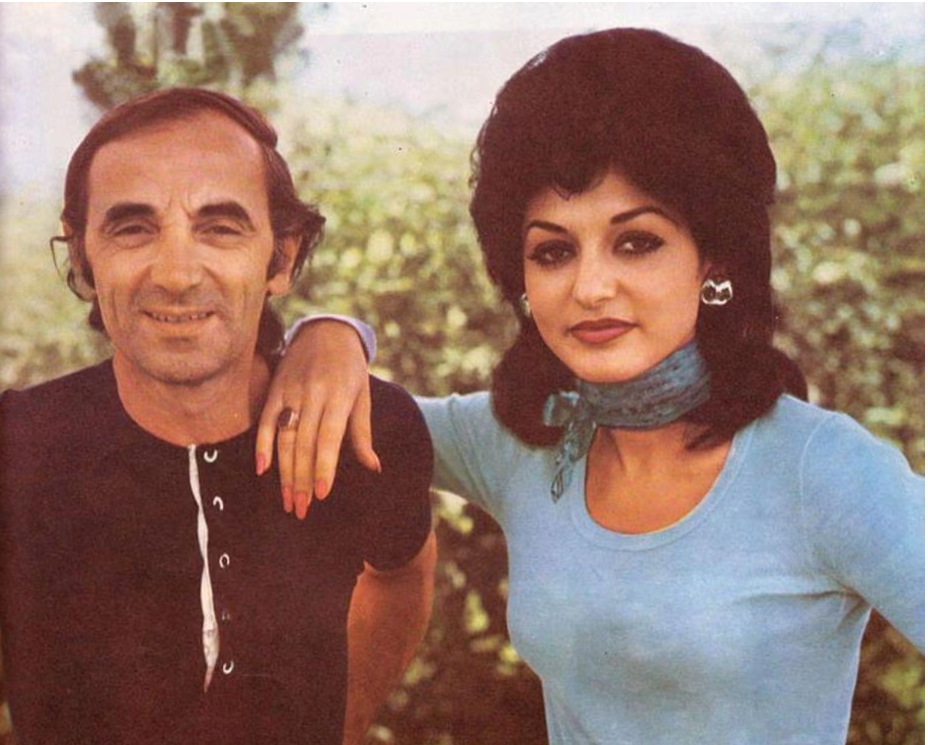

صدای گوگوش، موسیقی غالب دهههای ۴۰ و ۵۰ خورشیدی بود؛ But the revolution silenced this voice. Now, after years of silence, this legendary singer tells his story in a disjointed but influential memoir.
gogoosh; Beyond a reader
If you ask any Iranian who is the most important female singer in the history of Iranian pop music, almost everyone will give the same answer: Gogosh. No one comes close to him. In more than six decades, he has gone through revolution, repression and exile and has turned from a popular singer to a cultural icon; A symbol of a nation's grief for artists who were killed, imprisoned or forced to remain silent, and a living bridge between Iran before the revolution and Iranian immigrants.
child on stage and birth of a star
Gogoosh was only three years old when he started singing in small halls and cabarets where his father worked. As a teenager, he became a movie actor and fashion icon. In the 60s and 70s, he was everywhere; TV, cinema, magazines and radio. She constantly recreated herself: clothing style, hairstyle, movements and even the image of a modern Iranian woman.For a while, this young and creative woman determined how the West would see Iran and how Iranian women would understand "modernity" and "being a woman" in the public space.
Forced silence after the 1357 revolution
With the revolution of 1357, the cultural pressures pushed non-religious art and music underground. In 1359, Gogoosh was arrested and, like many singers and actors, was banned from performing, recording and appearing in public. He took refuge in a private life, but his music lived on in secret.
The writer's generation and many others grew up with his voice as much as their parents listened to Gogoosh's works; To dance, mourn and fall in love. Even in silence, she remained a symbol of the lost Iran: a happy culture, a rich artistic history, and bold and powerful women.
Memories with prison and past
This memoir begins with Gogoosh's arrest in 1980. The narrative fluctuates between the prison cell and the past. In the prison, the clerics (ruling religious authorities) treat her terribly, but the imprisoned women find a way to survive in difficult and unpredictable conditions by telling their life stories.
A child full of suffering and taking refuge to the stage
Googoosh writes about his difficult childhood: abandonment by his mother, living under the shadow of an abusive stepmother, and trying to protect his brothers. The stage was his only safe refuge; Where, as the breadwinner of the family, he gains relative power.
His early and failed marriages also crumble under the pressure of fame, public judgment and restrictive social expectations.
Freedom on stage and influence on Iranian women
In the public space, however, Googoosh was free: he dressed as he wanted, moved and talked about love. Her short hairstyle, miniskirt, bold eye make-up and vulnerability on stage inspired other women.
After the forced silence of music, many Iranian women considered Gogoosh's silence equal to their own silence. Old cassette tapes kept alive the image of lost youth, their dreams and desire to be heard.
Criticism on the book of memories
Undoubtedly, the publication of Gogoosh's memoirs is exciting for his fans and valuable for our cultural archive. His life story is full of historical and personal complications; But the book suffers from weaknesses in the narrative. The prose sometimes becomes clichéd and melodramatic, and Gogoosh's cultural elegance and unique voice are not conveyed well.
However, the importance of his brave and unique life still keeps the reader's attention.
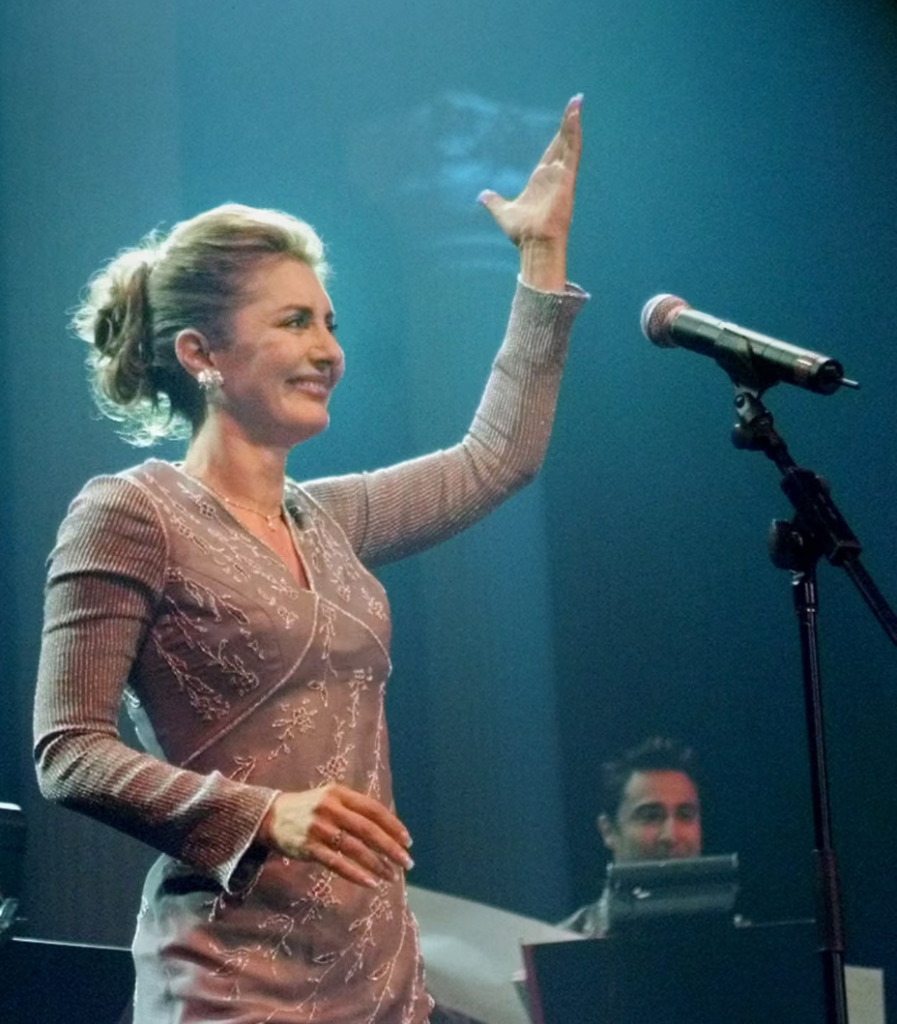
glorious return in exile
Gogoosh was finally allowed to leave Iran in 2000. He rebuilt his artistic life in exile; He released new music and went on world tours. His first concert in Toronto, after two decades of silence, was historic. The audience was crying; for what was lost.His concerts once again turned into multigenerational gatherings: the old generation with pre-revolutionary memories and children and grandchildren discovering a part of their identity. For many women of the author's mother's generation, watching Gogoosh return to the stage was a kind of revival; As if a new chance to live.
Summary for readers
The story of Gogoosh is not the only narrative of the life of an artist; Rather, it is a mirror of Iran's contemporary history, the experience of cultural oppression and female resilience. Familiarity with this path helps to understand the identity, collective memory and the role of art in the mental and social health of families.