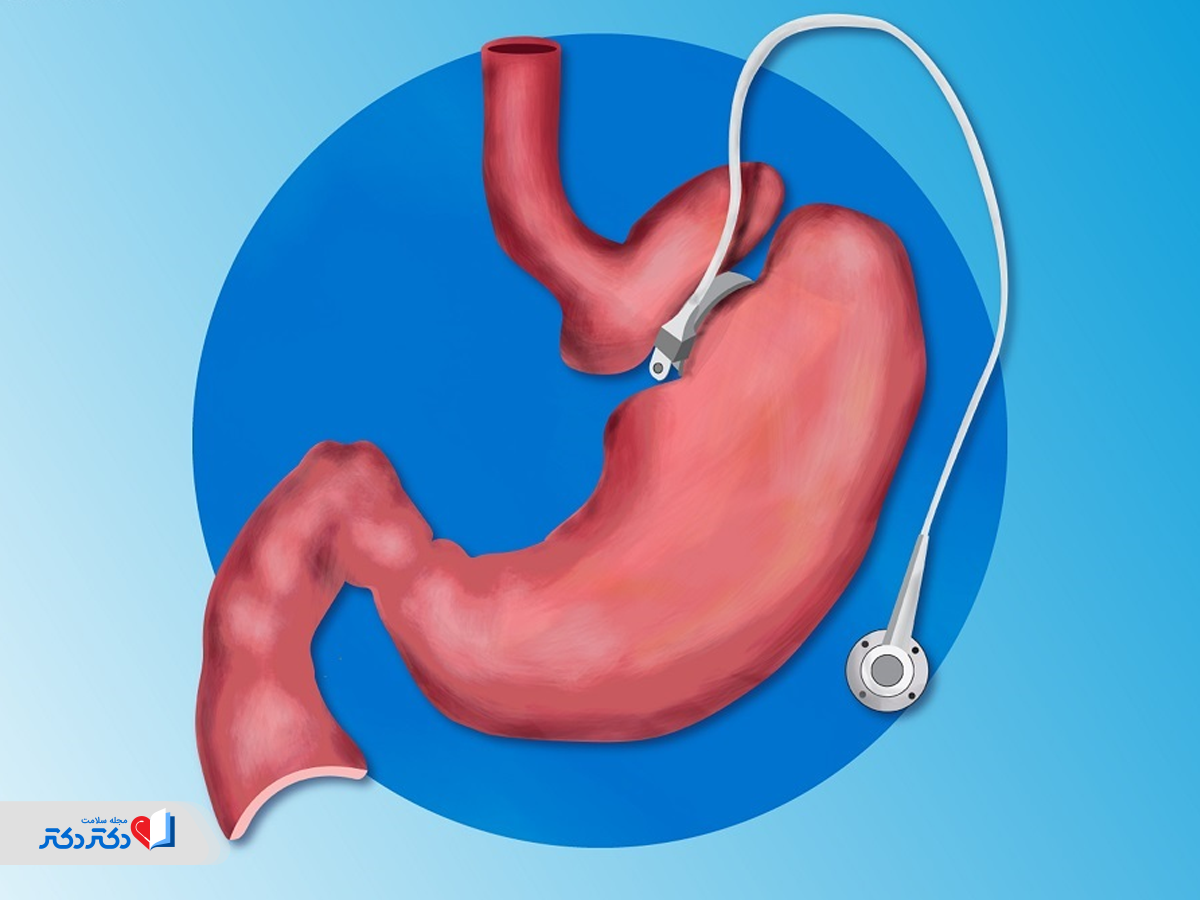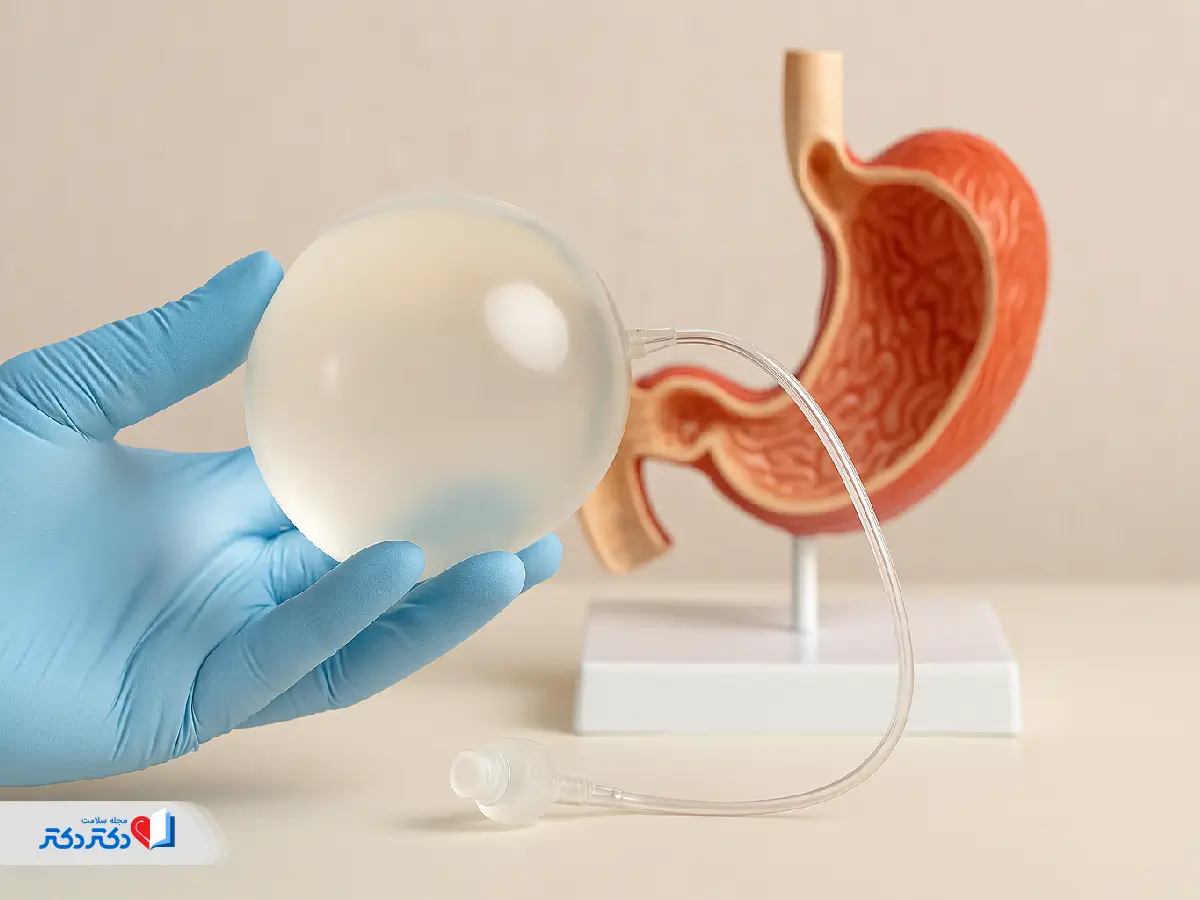

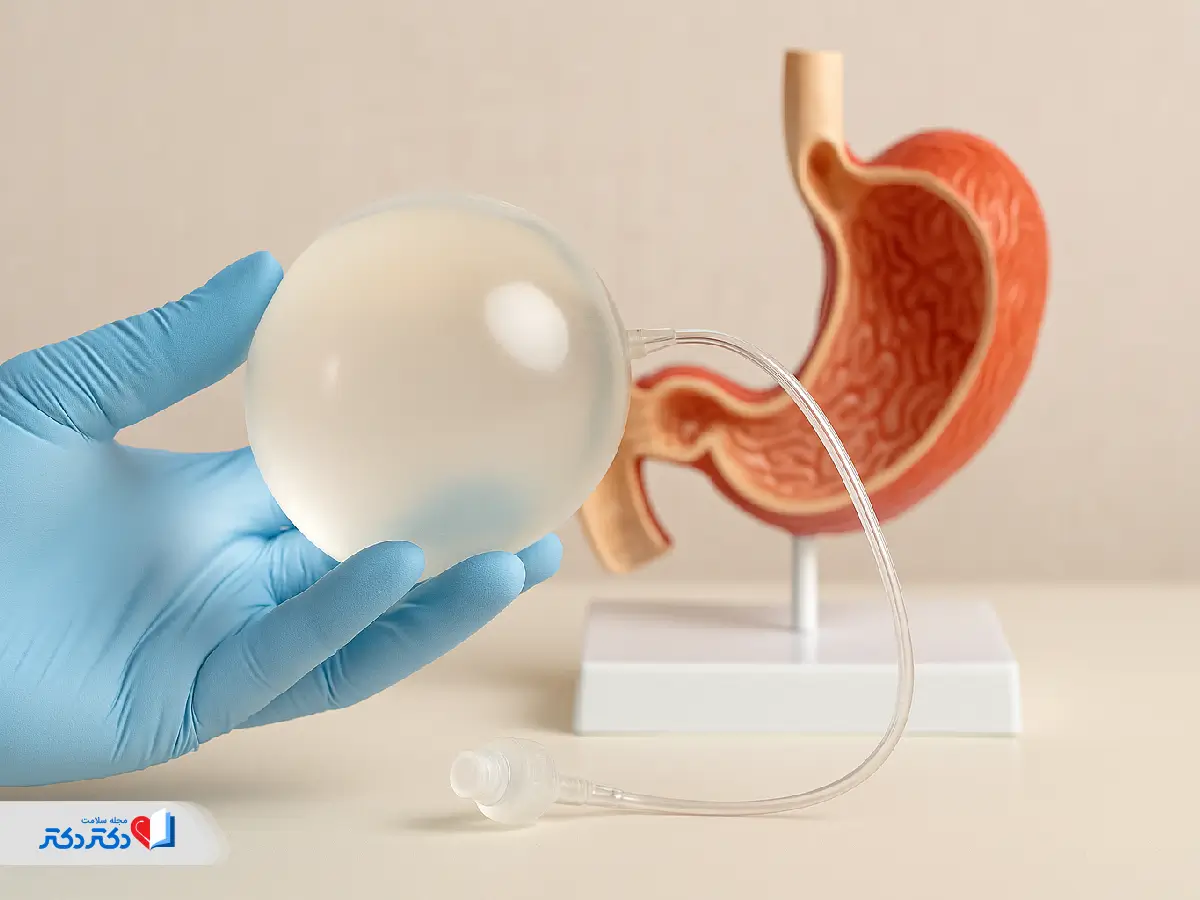
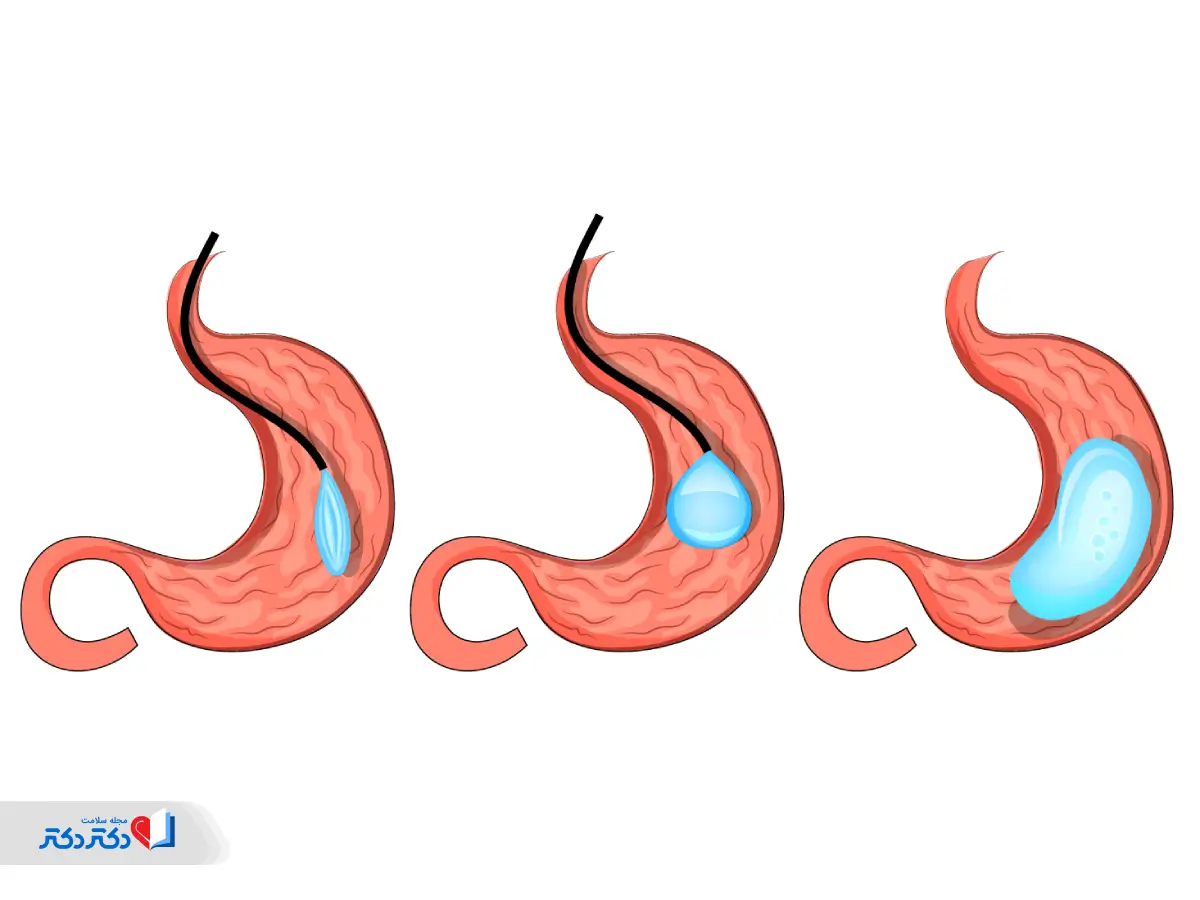
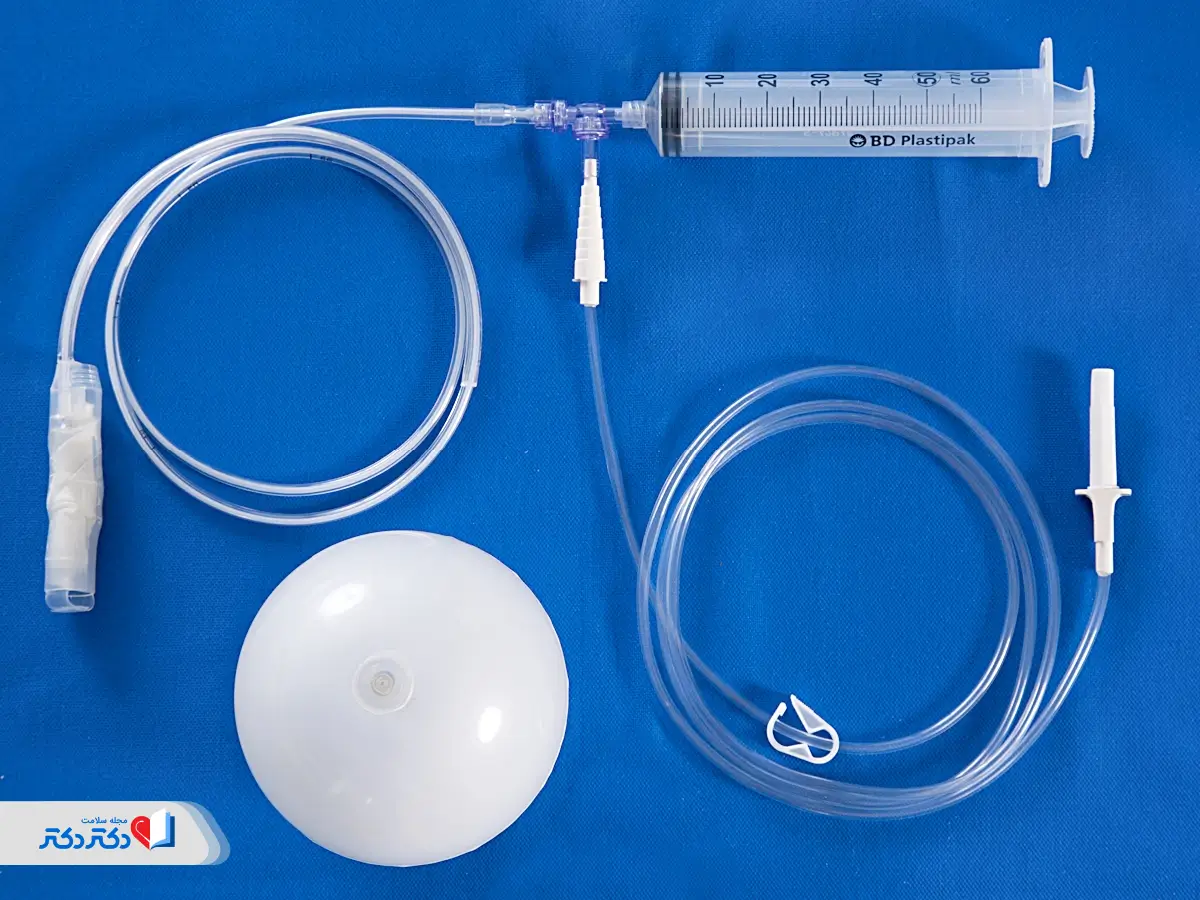
چاقی و اضافهوزن به یکی از چالشهای جدی سلامت در دنیای امروز تبدیل شده است، بهطوریکه افراد بسیاری بهدنبال روشهایی مؤثر و کمتهاجمی برای کاهش وزن هستند. در میان راهکارهای غیرجراحی، بالن معده بهعنوان روشی نسبتاً ساده و موقتی مورد توجه قرار گرفته است. این روش بدون نیاز به جراحی باز انجام میشود و معمولاً دوره نقاهت کوتاهتری نسبت به عملهای لاغری دیگر دارد. با این حال، مانند هر مداخله پزشکی دیگر، بالن معده نیز مزایا، عوارض احتمالی و هزینههای خاص خود را دارد که آگاهی از آنها پیش از تصمیمگیری ضروری است. In this article from DoctorDoctor Health Magazine, we comprehensively examine what gastric balloon is, what are its advantages and disadvantages, and the costs of doing it depend on what factors. data-smooth-scroll="1" data-smooth-scroll-offset="24"> Gastric or intragastric balloon is a new and minimally invasive method of obesity treatment that is used for overweight or obese people. This balloon is a medical implant that is placed inside the stomach by a doctor for a certain period of time to limit the capacity of the stomach. Using an endoscope, the doctor inserts the balloon into the stomach through the throat; Therefore, there is no need for surgery. Gastric balloon is actually a minimally invasive weight loss medical program for obese people that combines long-term changes in diet and lifestyle with a temporary medical implant. This implant is an inflatable balloon that the doctor inserts into the stomach without surgery. By occupying a part of the stomach space, this balloon creates a feeling of satiety and limits the amount of food a person receives. Placement of gastric balloon Gastric balloon for weight loss by method Endoscopy is placed in the stomach. First, medicines are given to the patient to relax and numb his throat. A gastroenterologist or endoscopic surgeon examines the esophagus and stomach with an endoscope; A device that displays images on a screen. Once it is ensured that there are no problems that would make balloon placement unsafe, the balloon is carefully guided and placed in the correct location. The balloon is usually filled with a sterile salt solution (saline), although some models may be filled with gas. The endoscopist inflates the balloon using a syringe attached to the catheter, then detaches the syringe and removes the catheter. The balloon valve is closed to prevent leakage. This action usually takes 20 to 30 minutes, after which the patient stays in the hospital for several hours for recovery. The filled balloon occupies about one third of the stomach volume. The weight of the liquid causes the balloon to go down into the stomach and slows the emptying of the stomach through the lower (pyloric) valve. By occupying part of the stomach space, the feeling of fullness is created earlier and the amount of food consumed is reduced. Ballon can also affect the level of hormones that control appetite and help reduce the tendency to overeat. These mechanisms make gastric balloon use as part of a weight loss program significantly effective, especially when combined with lifestyle and dietary changes. In people with obesity, the body gradually undergoes changes that make it more difficult to lose weight with diet and exercise alone. One of these changes is the increase in stomach volume over time. As the stomach stretches, its capacity to store food increases and the person feels full later; A subject that leads to overeating. For this reason, all medical methods of weight loss limit the capacity of the stomach in some way. Balloon in the stomach for weight loss is considered an important and different option among the existing methods because: These features make the gastric balloon a suitable option for people who do not have the necessary conditions for bariatric surgeries or who are looking for a less invasive method. Read more: abdominoplasty slimming operation Stomach bloating makes you feel full earlier than usual when you eat, and as a result, you usually consume less food. One of the reasons for this could be the slowing down of gastric emptying due to the presence of a balloon. Another reason is that the balloon may change the level of hormones that control appetite. The average weight loss with a gastric balloon is about 10% of total body weight or nearly 30% of a person's excess weight. This amount of weight loss can have a significant and even changing effect on a person's health in a short period of time. According to a summary of available treatments, it is common to lose about 12 to 40% of your body weight within six months after having a balloon inserted into the stomach. However, you should not forget that as with any weight loss method, the amount of weight you lose will depend on how well you adhere to the treatment plan, including diet and lifestyle changes. Life depends. Also, if you do not stick to the recommended program after removing the balloon, there is a possibility of the weight loss returning. Read more: 30-day weight loss plan Obesity causes metabolic changes in the body that may lead to the occurrence of a wide range of diseases; From type 2 diabetes and cardiovascular diseases to kidney and liver diseases. If your body mass index (BMI) is 30 or higher, you are at high risk of developing these diseases. On the other hand, losing weight even by 5 to 10% can significantly reduce this risk by improving metabolism, and in some cases even improve or alleviate these diseases. Achieving such weight loss is possible using the intragastric balloon system. Gastric balloon weight loss, like other procedures and surgeries that lead to significant weight loss, may help improve or even eliminate some diseases associated with excess weight. including: It is good to have a look at the comparison here. Let's compare gastric balloon with other weight loss methods to know which option is more suitable for each person. Gastric balloon and gastric sleeve are both common methods of weight loss, but in terms of how they are performed, the amount of invasion, the durability of the results, and the target group, there are fundamental differences. have with each other Gastric sleeve is a permanent surgery in which about 75-80% of the stomach is removed and the stomach is shaped like a narrow tube. This volume reduction limits the amount of food consumed and also reduces the release of ghrelin hormone (hunger hormone). 400;"> In response to whether gastric balloon or sleeve is better, it should be said that gastric balloon is more suitable for people who are looking for a non-surgical, low-risk and temporary solution to start losing weight. Gastric sleeve is a more invasive option for people with severe obesity or obesity-related diseases who require significant and sustained weight loss. 43.0472%;">Limitations • No incision and permanent gastric bypass • Short recovery period • Lower risk than surgery • Suitable for moderate BMI • Weight loss is more limited than SLIV • The possibility of weight return if lifestyle changes are not made • Temporary gastrointestinal side effects such as nausea and Pain • Decreased appetite due to hormonal changes • Improvement of diseases related to obesity (diabetes, blood pressure, etc.) 400;">• Need for general anesthesia • Longer recovery period • Risks and complications of surgery • Irreversibility of stomach changes In general, the decision should be made with the advice of a specialist doctor, a careful examination of the physical condition and commitment to change the lifestyle. To get started, you can make an online or face-to-face appointment with a specialist doctor at DoctorDoctor. Gastric balloon and gastric ring are both methods of weight loss, but in terms of how they are performed, the amount of invasiveness, durability and long-term commitment of the patient, they differ. are important The choice between these two methods should be made based on physical conditions, body mass index (BMI), weight loss goal and the person's desire to undergo surgery. Gastric band is a surgical procedure in which an adjustable silicone ring is placed in the upper part of the stomach This ring divides the stomach into a small pouch at the top and a larger part at the bottom, severely limiting the amount of food that can be consumed in each meal. It has. If you want to know whether a gastric band or a balloon is better, you should know that gastric balloons are more suitable for people who are looking for a non-surgical, low-risk and temporary way to start losing weight or making lifestyle changes. Gastric band is a longer-term and surgical option that creates a more permanent limitation in food volume and requires continuous follow-up and adjustment after the operation. 400;">• Non-surgical and minimally invasive • No incision and general anesthesia • Short recovery period • Reversible and temporary • Suitable for people who do not want surgeryWhat is a gastric balloon?
How the gastric balloon works
Gastric balloon benefits and effects on weight loss
Decreased stomach volume and appetite
Average weight loss
Improving body metabolism
Disease Control
Comparison of gastric balloon with other methods
Gastric balloon or gastric sleeve: advantages and limitations
Gastric sleeve is performed under general anesthesia and laparoscopically, and the result is usually significant and long-term weight loss. is.Criteria Gastric balloon Gastric sleeve Type of method Non-surgical, Temporary, surgical, permanent, invasive style="font-weight: 400;">Anesthesia Sedation or mild General anesthesia Recovery period 400;">short longer weight reduction medium more and More stable risks less more (surgical) convenient For average BMI higher BMI and associated diseases cost less no more need surgery does has Gastric balloon • Non-surgical and minimally invasive • Temporality (need to leave after 6 months) Stomach sleeve • Significant and sustained weight loss Gastric ring or gastric balloon: differences and applications
Criteria Gastric balloon Gastric ring Type of method Non-surgical, temporary Surgery, permanent Anesthesia Does not require general anesthesia Requires general anesthesia Invasion Very low Low to moderate (laparoscopic surgery) Change in stomach structure higher food control need for awareness and diet permanent volume restriction needs no further adjustment does not needs (ring saline adjustment) possibility of weight return High (if lifestyle does not change) Less but still possible Surgery complications No may involve infection or ring problems reversible yes partially surgically removable
• Weight loss is more limited than surgical methods
• The possibility of weight return if lifestyle changes are not made
• Occurrence of nausea and digestive discomfort in the first weeks
• Adjustable to suit the individual's conditions
• Without removing a part from the stomach
• The risks and complications of surgery
• The need for frequent visits and adjustments
• The possibility of problems related to the ring in Long-term
Finally, choosing the best method should be done with the opinion of a specialist doctor, careful examination of medical conditions, and assessment of individual weight loss goals. They are non-surgical and minimally invasive methods to help lose weight. However, these two methods differ in terms of mechanism of action, duration of action, weight loss rate, and invasiveness. The appropriate choice between these methods should be made based on the weight loss goal, health conditions, and individual preferences.
In gastric botox, botulinum toxin is injected into the stomach muscles under endoscopy. This injection relaxes the stomach muscles and slows down the emptying of the stomach, as a result of which the feeling of fullness lasts longer and the desire to eat decreases. The effect of this method usually lasts 4 to 6 months and can be repeated if needed.
| Mechanism | Injection of poison slows down gastric emptying and reduces appetite. style="font-weight: 400;">The balloon occupies the volume of the stomach and causes a feeling of fullness. | |
| Type of procedure | Non-surgical, injection | Non-surgical, endoscopic with implant Temporary |
| Duration | 10–15 minutes | 20–30 minutes |
| Duration of effect | about 4–6 month, repeatable | about 6–12 months, then out |
| Weight loss rate | less (mild) | more (possible Note) |
| Post-operative symptoms | usually mild | Nausea, vomiting and cramps are possible in the early days |
| need to be repeated | Yes (to continue the effect) | Only once in a specified period |
| Risks and side effects | Very mild | Possibility of digestive discomfort and Complications related to balloons |
| suitable for | mild to moderate overweight | people who need more weight loss |
| weight regain | Possibility of return after the effect ends | Probability of return after balloon removal |
Gastric botox is a lighter option with a milder effect and is more suitable for people with mild to moderate overweight. Gastric balloon produces more weight loss and is more suitable for people who are looking for more noticeable results without surgery. In both methods, lifestyle and diet changes play a major role in maintaining the result.
| Method | Advantages | Limitations |
| Botox stomach | • Non-surgical and without Implant • Short procedure time • Mild and tolerable side effects • No structural changes in the stomach • Suitable for extra weight gain up to Medium | • Temporary effect (4 to 6 months) • More limited weight loss than balloons • Need to repeat to maintain the effect • High dependence on diet compliance Food |
| stomach balloon | • non-surgical but with a stronger effect • more weight loss than botox • creating a feeling of rapid satiety and More stable • Suitable for moderate overweight to obesity | • Nausea and digestive discomfort in the first weeks • Need for more physical endurance • The temporary nature and necessity of removing the balloon • The possibility of weight return if lifestyle changes are not made |
Complications of gastric balloon and medical tips
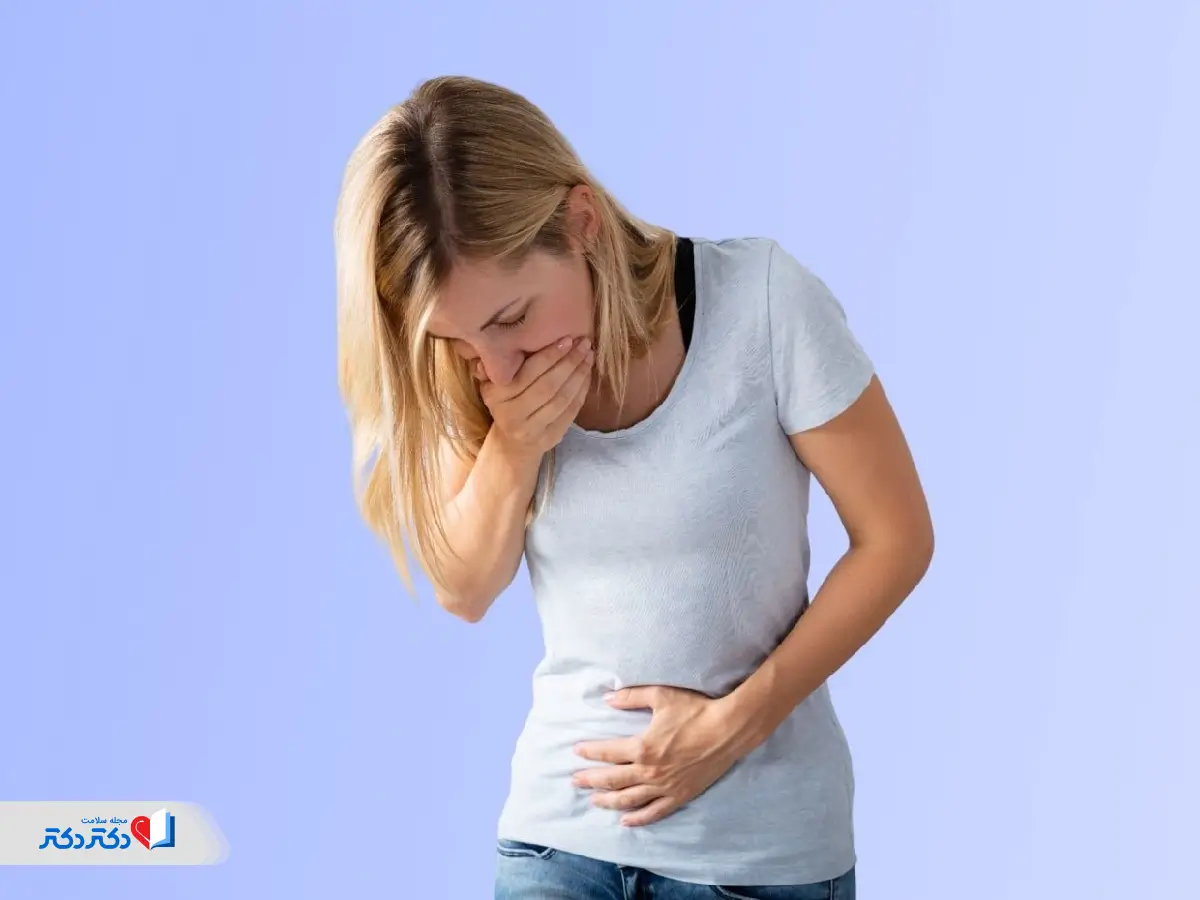
Mild gastrointestinal side effects are common after placing a balloon in the stomach for weight loss And usually doctors prescribe medicine to prevent or control them. These symptoms usually last about a week, but sometimes they can last longer. These complications of gastric balloon are:
- temporary abdominal pain;
- temporary sore throat;
- Nausea;
- Indigestion;
- Gastric acid reflux;
- Constipation.
Less than 3% of people have symptoms that last more than the first week and do not resolve with medication. These people need a repeat endoscopy to check the problem and adjust or remove the balloon.
Post-balloon nausea and vomiting
Pain and nausea affect about one-third of people immediately after placing the balloon inside the stomach. However, these gastric balloon side effects usually last only a few days after balloon placement. Although rare, serious complications can occur after gastric balloon placement. If nausea, vomiting, or abdominal pain occurs at any time after this procedure, contact your doctor immediately.
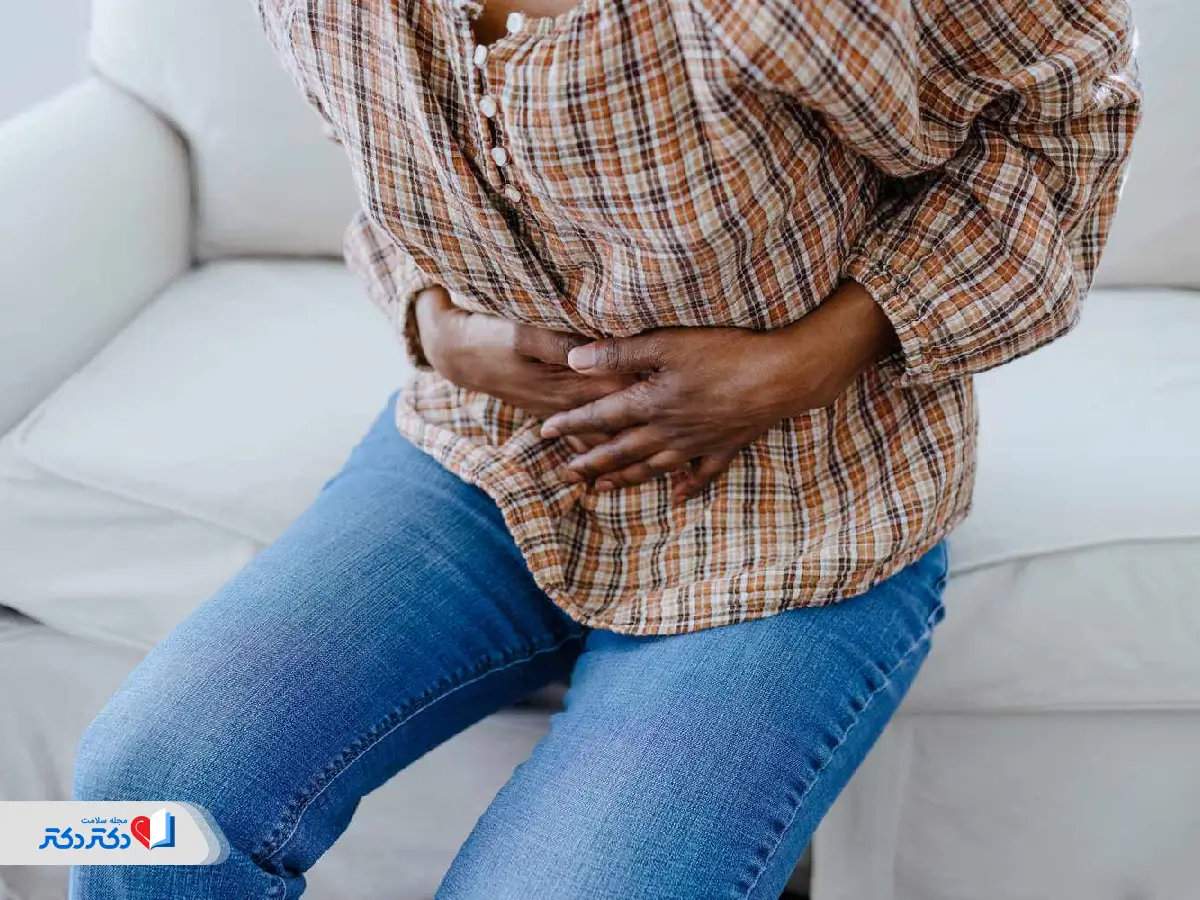
Stomach and Pancreas Pain and Discomfort
Pain is more of a mild and vague discomfort than severe and acute pain, and often does not last. Some people have more noticeable pain in the first week after this procedure, but this pain can be controlled by taking medication. href="https://drdr.ir/mag/%D9%BE%D8%A7%D9%86%DA%A9%D8%B1%D8%A7%D8%AA%DB%8C%D8%AA-%D8%A7%D9%84%D8 Pancreas which is located at the back of the stomach, causing pressure and inflammation. Acute pancreatitis is usually painful and can be dangerous in severe cases. If the cause is a balloon, it is necessary to remove the balloon.
Balloon Overinflation (Hyperinflation)
A little over 2% of people develop spontaneous hyperinflation. In this case, the balloon has a malfunction and over-inflates some time after the initial inflation. This situation may cause the continuation of digestive complications and eventually lead to premature removal of the balloon.
Wound or damage when inserting and removing the balloon
Gastric balloons are made of soft silicone and have a smooth and round surface to match the shape of the stomach and prevent irritation of the inner lining of the stomach. However, gastric ulcers have been reported, possibly due to pressure from the balloon at its location in the lower stomach.
Some people may also develop ulcers in the esophagus due to injury during balloon insertion or removal. The most serious danger of the ulcer is that if it does not heal, it can gradually destroy all the layers of the wall of the digestive tract and cause a hole or perforation. This condition can lead to a life-threatening infection. The risk of gastrointestinal perforation as a result of gastric balloon complications is about 0.1%.
Balloon deflation
If the balloon ruptures or deflates, it may leave the stomach and enter the intestines. The probability of this complication is about 1.5%. Different types of intragastric balloons have different tracking devices that notify you and the treatment team if this problem occurs. Most balloons that enter the bowel are passed out without difficulty, but there is a risk that the balloon will get stuck in the bowel and cause a bowel obstruction. In this case, it is necessary to take an emergency action to remove it.
Care and tips after placing the balloon
The balloon remains in the stomach for 6 months for weight loss. During this time, you'll work with your treatment team to make dietary and lifestyle changes that will maintain your weight loss long-term. You'll eat less, lose weight, and learn to recognize when you're full. You will continue antacids and anti-nausea medications as needed. The greatest amount of weight loss occurs in the first 3 months.
Proper nutrition after balloon placement
The stomach needs to adapt to the balloon before returning to a normal diet. You will first start with a liquid diet. The liquid diet usually continues until the beginning of the second week, when you can start eating soft foods and gradually introduce pureed foods. Most likely, you will be able to gradually eat normal foods about 3 weeks after gastric balloon placement. Finally, you should follow a long-term diet designed by a nutritionist. During this time, you will be in close contact with your treatment team. They will support you in coping with the physical and psychological complications caused by the adaptation of the stomach to the balloon.
Physical activity and safe exercise
It is possible that after any type of weight loss procedure or surgery, even if the procedure itself was performed correctly, significant weight loss will not occur or the weight will Lost will come back again. This weight gain may occur if you do not follow the recommended lifestyle changes. Making healthy and sustainable changes in diet, along with regular physical activity and exercise, is essential to prevent weight gain. Consult your doctor to make sure physical activity is appropriate and safe for you.

Medical supervision and periodical follow-up
Intragastric balloons remain in place for up to 6 months and are then removed using an endoscope. At that time, a new balloon may or may not be inserted, depending on the schedule you and your doctor have set.
After this, you will also meet regularly with members of your medical team, such as a nutritionist and even a psychologist if necessary.
Balloon cost and insurance Stomach
The cost of gastric balloon is not fixed and depends on various factors. In general, in recent years, the cost of this method in Iran is usually in the range of tens of millions of Tomans, and depending on the conditions of the individual and the treatment center, it may be lower or higher.
The most important factors affecting the cost of gastric balloon are: Balloon;
For this reason, Usually, the final price is determined after examining the patient's physical condition and initial consultation.
Operation costs in 1404
As we said, the cost of gastric balloon surgery depends on various factors. The cost of gastric balloon 1403, looking at the websites of health service providers and the opinions of those who have performed this procedure, the insurance was 50 to 80 million tomans. This figure has undoubtedly increased in 1404. For an accurate estimate of the cost of gastric balloon surgery, you should contact the service center.
Coverage of social security insurance and other insurances
In most cases, health insurances do not cover the cost of gastric balloons. The main reason for this is that the gastric balloon is included in the category of selective weight loss methods and even cosmetic procedures and is not recognized as a necessary or emergency treatment. Therefore, the cost of a gastric balloon is not covered by social security or health insurance.
But supplementary insurances may cover this practice in certain circumstances; For example, if excessive obesity has caused serious diseases such as uncontrolled diabetes, high blood pressure, or heart problems, and the doctor approves this procedure as part of necessary treatment. But the cost of the balloon itself is usually not covered. However, depending on the policies of the supplementary insurance company, the operation of placing a balloon in the stomach for weight loss may be covered by the insurance. It is better to contact your insurance company to make sure whether you have the possibility to perform the gastric balloon surgery with insurance or not.
Doctor's last word
Gastric balloon is one of the non-surgical, temporary and minimally invasive methods for weight loss, which by occupying a part of the stomach volume, creates a feeling of early satiety and reduces Calorie intake helps. The effectiveness of this method is largely dependent on lifestyle modification, diet compliance and medical follow-up, and it will have the best results when it is used along with a permanent change in eating and behavioral habits. The decision to perform this procedure should be made after a detailed consultation with a specialist doctor and a complete review of the benefits, complications and costs in order to make an informed choice according to individual conditions. To receive advice in this field, Dr. Doctor specialists are by your side, and you can apply online to get an appointment with a general surgeon.