مقاله تخصصی
Gallbladder polyp treatment
3 months ago
113 بازدید

Dr. Mohammad Amani
TehranAdult gastroenterology and liver specialist
Study duration 11 minutes
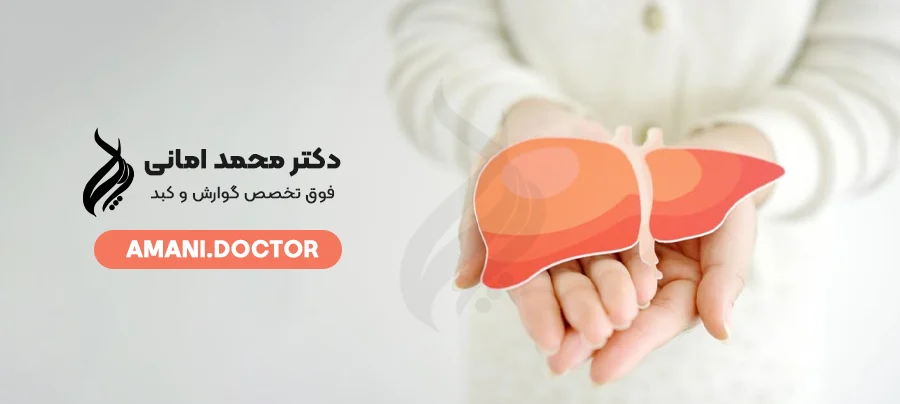
Gallbladder polyp is one of the most common benign lesions in the gastrointestinal tract, which is often discovered incidentally during ultrasound or imaging examinations. Most of these polyps are small and asymptomatic and do not pose a serious threat to a person's health, but in some cases they may be a sign of pre-cancerous changes or underlying more serious problems such as gallbladder cancer. For this reason, it is very important to know the nature of polyps, diagnosis methods and choose the appropriate treatment. Gallbladder polyp treatment varies depending on the size, clinical symptoms and risk factors of the patient and can range from periodic follow-up and monitoring to gallbladder surgery. In this article, we will review the treatment methods, decision-making criteria of doctors and care strategies for patients with gallbladder polyps. What is a gallbladder polyp? Gallbladder polyp is actually a small lump or protrusion that grows from the inner surface of the gallbladder wall into its cavity. These lesions are usually detected by abdominal ultrasound and in most cases have no symptoms, so they are often discovered incidentally. Most gallbladder polyps are **benign** and pose no danger to the patient, but their main importance is that a small percentage of them may gradually develop into precancerous lesions or even gallbladder cancer. What is the cause of gallbladder polyps? The exact cause of gallbladder polyps is not fully known yet, but several factors can play a role in its formation. **One of the main reasons is the deposition of cholesterol in the wall of the gallbladder**, which leads to the creation of cholesterol polyps (the most common type). Also, inflammation or repeated infections of the gallbladder can cause abnormal tissue growth and inflammatory polyps. In some people, abnormal changes in the cells of the gallbladder wall lead to **adenomas**, which are potentially malignant. Other effective factors include **high blood cholesterol level, presence of gallstones, excess weight, older age (especially over 40 or 50 years old) and family history of gallbladder cancer**. Overall, a combination of metabolic, inflammatory and genetic factors are involved in the occurrence of gallbladder polyps. Types of gallbladder polyps
Gallbladder polyps are lesions that appear in different shapes and natures, and each has its own characteristics. The most common type are **cholesterol polyps**, which are caused by the deposition of cholesterol in the wall of the gallbladder and are usually small and harmless. **Inflammatory polyps** mostly occur as a result of inflammation or infection and are closely related to gallstones. In contrast, adenomas are more important because they are more likely to be malignant, especially when they are larger than 10 mm. Another type is **hyperplastic polyps**, which result from the overgrowth of normal wall cells and are often harmless. Finally, **malignant polyps** are the rarest but most serious type that can be a sign of gallbladder cancer and are usually seen in people over the age of 50. **1. Cholesterol polyp**: This type is the most common polyp of the gallbladder and is mostly seen in middle-aged people. Its cause is the deposition of fat and cholesterol in the wall of the gallbladder. They are usually less than 10 mm in size, do not cause any specific symptoms and are mostly harmless. **2. Inflammatory polyps**: These polyps are caused by inflammation or repeated infections of the gallbladder. They are often seen with the presence of gallstones or chronic inflammation and rarely become cancerous. **3. Adenoma (adenomatous polyp**): Adenomas are glandular lesions that are more clinically important. Unlike the previous types, there is a possibility of malignancy in them, especially when their size exceeds 10 mm. Usually, the doctor recommends close follow-up or surgery for this type. **4. Hyperplastic polyps: These polyps are the result of excessive growth of normal cells of the gallbladder wall. They are usually small, asymptomatic and low-risk and rarely require specific treatment. **5. Malignant polyps**: The rarest but most serious type of gallbladder polyps, which often appear in the form of cancer. They are usually seen in people over 50 years of age or in polyps larger than 15 mm and require immediate treatment (usually surgery). Overall, gallbladder polyps do not always mean serious or dangerous disease. Most of them, such as cholesterol and hyperplastic polyps, are small and harmless and only require periodic follow-up. However, types such as adenoma or polyps larger than 10 to 15 mm can be the basis of malignancy, and doctors usually recommend surgery for these cases. Therefore, knowing the type of polyp and paying attention to its size and symptoms is the main key in choosing the treatment method and preventing possible complications. Diagnosis of polyps in the gallbladder
Gallbladder polyps are usually diagnosed incidentally during abdominal imaging studies, as most polyps do not cause symptoms. The most common and most accessible method for identifying polyps is **abdominal ultrasound**, which can show the presence of small masses in the wall of the gallbladder. In some cases, for greater accuracy or to check the possibility of malignancy, the doctor uses more advanced imaging methods such as **endoscopic ultrasound (EUS)** or **MRI and MRCP**. These methods can provide more precise details of the size, shape and location of the polyp. In addition, the doctor considers factors such as **polyp size**, **its growth rate**, **presence of gastrointestinal symptoms** and **family history of gallbladder cancer** in his evaluation to decide if only periodical follow-up is enough or if there is a need for more serious treatment. Gallbladder polyp treatment
Gallbladder polyp treatment depends on its size and type. Most polyps are smaller than 10 mm and do not cause any danger to the patient; Therefore, they usually do not require surgery and are only monitored with periodic ultrasounds. If the polyp is between 10 and 15 mm in size or the patient has symptoms such as abdominal pain, indigestion, and nausea, surgery is more likely to be needed, especially if it is accompanied by gallstones or a family history of gallbladder cancer. Polyps that are larger than 15 mm or look suspicious for malignancy are usually treated definitively with surgery to remove the gallbladder (cholecystectomy). There is no specific medicine to eliminate polyps, but controlling blood cholesterol, treating inflammations and dealing with co-morbidities can improve the patient's condition. Overall, the final treatment decision should be made by the gastroenterologist or surgeon based on the individual patient's circumstances. Gallbladder polyp treatment methods
Gallbladder polyp treatment varies depending on the size, type and condition of the patient. Most polyps are small and harmless and do not require serious action, but some of them may cause more serious problems and require active treatment. Depending on the results of the ultrasound, the patient's symptoms, and risk factors, the doctor will usually decide whether the polyp should be monitored or if surgery is needed. In general, gallbladder polyp treatment methods include periodic follow-up, control of underlying factors, and, if necessary, gallbladder removal surgery. **1. Follow-up and monitoring**: Polyps smaller than 10 mm are usually benign and harmless. These patients do not need surgery and should only be checked regularly (every 6 to 12 months) with ultrasound to make an appropriate decision in case of polyp growth or change. **2. Control of underlying factors: ** There is no specific drug to eliminate polyps, but control of underlying diseases can be effective. Lowering blood cholesterol, treating biliary inflammation or treating gallstones can reduce the risk of polyp growth. 3. Surgery (cholecystectomy): In certain circumstances, complete removal of the gallbladder is performed laparoscopically. This method is recommended for the following cases:
- Polyps larger than 10 to 15 mm
- Presence of persistent symptoms such as abdominal pain or indigestion
- 🔸 Polyps are accompanied by gallstones or chronic inflammation
- 🔸 Polyps are accompanied by gallstones or chronic inflammation
- 🔸 Family history of gallbladder cancer or suspicious imaging evidence of malignancy
Most gallbladder polyps are harmless and only require follow-up and periodic examinations. However, large polyps or those associated with symptoms and risk factors can be more serious and usually require surgery. For this reason, timely diagnosis, regular examination and consultation with a specialist doctor is the best way to prevent possible complications and choose the right treatment. Home treatment of gallbladder polyps
Gallbladder polyp has no definitive home treatment and no medicine or herbal method can directly eliminate it. But some lifestyle changes and home care can help improve gallbladder health, reduce inflammation, and prevent enlargement or symptoms. The most important recommendations are:
- ✅ **Diet modification:** Consuming low-fat, high-fiber foods, fresh vegetables, fruits and whole grains will help the health of the gallbladder. - **Decreasing consumption of unhealthy fats:** Avoiding fried foods, fast food and processed foods. - ✅ **Maintain proper weight:** Excess weight is one of the effective factors in causing gallbladder problems. Gradual (not sudden) weight loss is recommended. Regular physical activity: Daily light exercise like walking helps to improve digestive function and reduce cholesterol. - ✅ **Drinking enough water:** Staying hydrated makes the digestive system and gallbladder function better. - **Reducing alcohol and smoking:** These habits can increase the risk of biliary diseases. Overall, home treatment cannot cure gallbladder polyps, but maintaining a healthy lifestyle plays an important role in controlling symptoms, preventing polyp growth, and maintaining overall digestive health. However, if the polyp is large or if symptoms such as abdominal pain, nausea, and digestive problems occur, it is necessary to see a doctor, and the only sure way for definitive treatment will be the specialist decision of the doctor. What should we eat for gallbladder polyps? When someone has gallbladder polyps, a healthy diet can play an important role in controlling the condition and preventing symptoms from worsening. In this situation, it is recommended to use more light, low-fat and high-fiber foods. Consuming fresh fruits and vegetables, whole grains, lean proteins such as chicken and fish, and healthy fats such as olive oil and nuts are beneficial for gallbladder health. Also, drinking enough water and choosing low-fat dairy products helps to improve the functioning of the digestive system and reduce the pressure on the gallbladder. Harmful foods for gallbladder polyps
Diet plays an important role in gallbladder health. Consuming certain foods can increase inflammation, raise cholesterol levels, and put more pressure on the gallbladder, which increases the likelihood of symptoms or the growth of polyps. The most important harmful foods are:
- 🔴 **fried and fatty foods:** such as fast foods, fried potatoes and foods full of oil. - 🔴 **High-fat and processed meats:** Sausages, sausages, industrial hamburgers and red fatty meats. - 🔴 **High-fat dairy products:** Cream, high-fat cheeses and high-fat milk. - 🔴 Sweets and sugary snacks: cakes, sweets, high-fat chocolate and sweet drinks. - 🔴 **Prepared and packaged foods:** Chips, puffs and industrial snacks. - 🔴 **Alcohol and carbonated drinks:** which can irritate the digestive system and worsen the condition of the gallbladder. Finally, avoiding fatty, fried and processed foods plays an important role in reducing the pressure on the gallbladder and preventing polyps from worsening. Choosing a light and healthy diet not only helps to improve the functioning of the digestive system, but can also reduce the possibility of more serious complications. For this reason, changing your eating habits is one of the easiest and most effective ways to support gallbladder health. Are gallbladder polyps dangerous? **No, in most cases, gallbladder polyps are not dangerous.** They are often small, benign, and asymptomatic and require only periodic follow-up. But if the size of the polyp is larger than 10 to 15 mm, or it is seen along with factors such as gallstones, chronic inflammation, and a family history of cancer, there is a possibility of malignancy, and in these situations, the doctor usually recommends surgery. Therefore, the dangerousness of polyps depends more on the **size and condition of the patient**, not just the presence of polyps. Summary
Gallbladder polyps are often small, benign lesions that are discovered incidentally on an abdominal ultrasound. Most of them are harmless and only require periodic follow-up, but polyps larger than 10 to 15 mm or types such as adenoma can be dangerous and require surgery. The cause of these lesions is usually cholesterol deposition, inflammation or genetic factors. Diagnosis is mostly done by ultrasound, and depending on the condition, treatment includes observation, control of underlying factors, or surgery. Lifestyle modification, healthy eating and avoiding high-fat foods also play an important role in supporting the health of the gallbladder.