Fungal infection of the vagina

Dr. Azita Naseri
TehranObstetrics and Gynecology Specialist
Fungal infection in pregnancy
Fungal infection in pregnancy is one of the common diseases during pregnancy, which we intend to investigate further in this article.
If you are suffering from a fungal infection during pregnancy or if you just want to increase your knowledge about this type of disease, it is suggested that you pay attention to the following article.

fungal infection
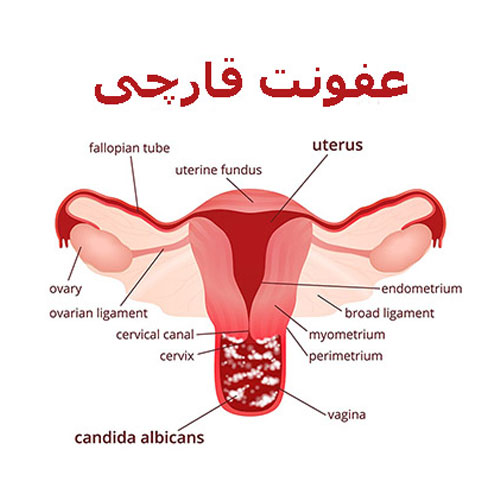
Fungal infection is a special type of vaginal infection that women and especially pregnant women suffer from. The presence of a little fungus and microorganism in the vagina is normal
But it will become a problem when their growth becomes fast and affects other microorganisms.
Causes of fungal infection in pregnancy
It is normal to have a certain amount of microscopic fungi in the vagina as well as in the digestive tract. Fungi only become a problem when
To grow at a high speed and affect other microorganisms.
The high level of estrogen during pregnancy causes the vagina to produce more glycogen and, as a result, it is susceptible to the rapid growth of fungi.
Some researchers believe that estrogen may have a direct effect on the fungi themselves and help them grow faster and stick better to the vaginal wall.
Also, when using antibiotics, especially frequent or long-term use, there will be a greater chance of getting a fungal infection,
Because these drugs, in addition to killing disease-causing bacteria, may also affect the natural bacteria that protect the vagina, which causes fungi to grow more easily and faster.
Symptoms of fungal infection
One of the symptoms of a fungal infection in pregnancy can be annoying and worsen over time if not treated, although these symptoms may disappear over time.
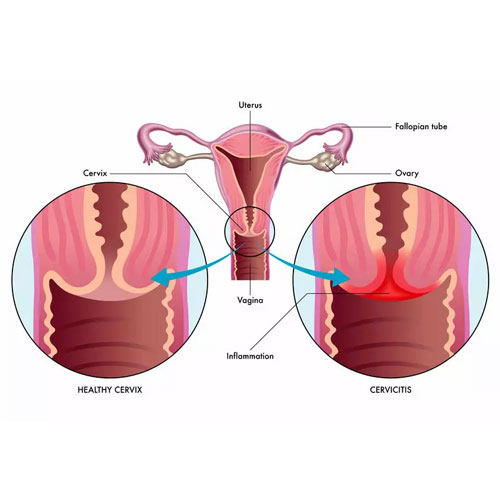
Symptoms of fungal infection include redness, itching and inflammation in the vagina, pain and burning in the vagina and the outer part around it, odorless and cheesy or cream-like discharge from the vagina and white discharge, discomfort or pain during sexual intercourse, burning during urination.
Treatment of fungal infection
If you see symptoms of fungal infection in pregnancy, you should see a doctor.
The doctor will be sure of the existence of any fungal infection by examining and sampling vaginal secretions, for example by Pap smear test and testing it.
Of course, over-the-counter antifungal drugs are also available in the pharmacy, but during pregnancy, using these drugs without the diagnosis of an gynecology doctor is not recommended.
Because the symptoms you have may not be caused by a fungal infection, but by another infection.
So it is necessary to know that the fungal infection of pregnancy may be a sign of another problem.
Studies and research show that most of the women who treat a fungal infection by themselves ignore the main cause and postpone receiving the appropriate treatment.
Treatment of fungal infection
To treat fungal infection during pregnancy, the doctor may prescribe antifungal vaginal cream or vaginal suppositories.
Clotrimazole creams and suppositories are usually effective in treating most fungal infections.
It is better to use the vaginal cream or tablet at night when you are lying down and there is less or no possibility of the cream leaking out of the vagina.
The duration of using the cream and suppository is determined by the doctor, but usually you need to use this medicine for seven days in a row.
When using vaginal cream, it is better to apply a little cream on the outside of the vagina. After starting the treatment, it may take a few days to feel relief.
During this time, you can relieve severe itching by using an ice pack or by wetting the area with cold water for a few minutes.
If the drug had negative effects on you or you did not feel any change, it is better to discuss this with your doctor because you may need to prescribe another drug.
Also, to ensure the complete treatment of the infection, it is necessary to complete the course of treatment. Even if the symptoms of the infection have been resolved very quickly.
The effect of fungal infection in pregnancy on the fetus
Fungal infection in pregnancy does not affect the fetus. If there is an infection during delivery, it is likely that the baby will come into contact with it when leaving
In this case, a fungal infection of oral thrush may occur in his mouth. Thrush is recognized by white marks on both sides and the roof of the mouth and sometimes on the baby's tongue. This problem is easily treated.
Also read about: cervical ulcer
Methods to prevent fungal infection
Hot and humid spaces are the perfect environment for fungi to grow, so you can prevent fungal infection by keeping the vagina dry.
In addition, keeping the beneficial bacteria in the vagina balanced is also effective in preventing fungal infections.
Although the following suggestions are not scientifically proven, they are easy to do and worth trying:
Use cotton underwear that can breathe well. Wearing tight socks or pants, especially those made of synthetic fibers, is not recommended at all.
Change wet clothes immediately. If your underwear is wet due to activity, it is necessary to change it quickly.
Sleeping without underwear at night helps air reach the genitals and prevents moisture.
To clean the vagina, use lukewarm water slowly and do not use vaginal douche at all.
In order to dry the vaginal area, it is necessary to pull the napkin from the front to the back of your genitals.
Using probiotic yogurt can theoretically help maintain the proper bacterial balance in the intestine and vagina due to the presence of beneficial bacteria in it.

Summary
In this article, the symptoms of fungal infection in pregnancy and its causes were mentioned. In the end, the treatment methods of this disease were mentioned. There were also some tips on how to prevent this disease.
For more information in this field, you can visit the site Dr. Azita Naseri.