
Table of contents
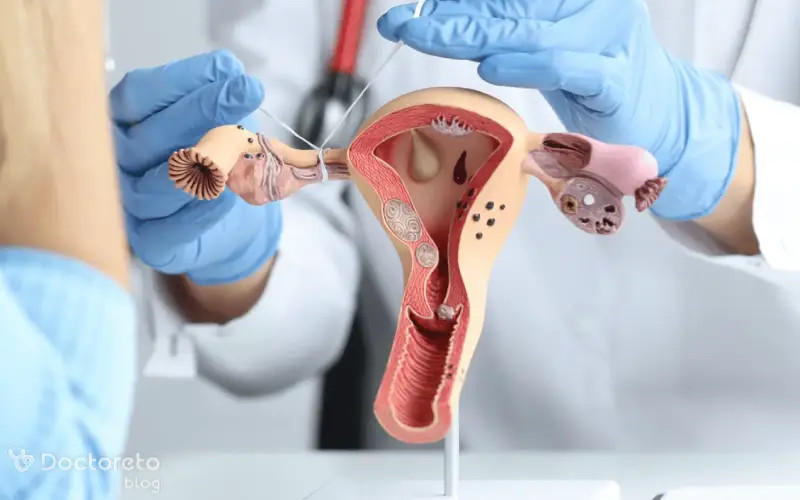
Closing the fallopian tubes is one of the most effective surgical methods for permanent pregnancy prevention. In this method, the fallopian tubes are cut and blocked to prevent the sperm from reaching the egg and thus fertilization. Uterine tube means fallopian tubes, and the word closing refers to cutting off or blocking their path. This can be done with stitches, staples, clips, bandages, or thermal methods. One of the most common methods of this operation is closing the fallopian tube with a laser. In the rest of this article, we will explain this method in more detail. Stay with us.
How is the fallopian tube closed with a laser?
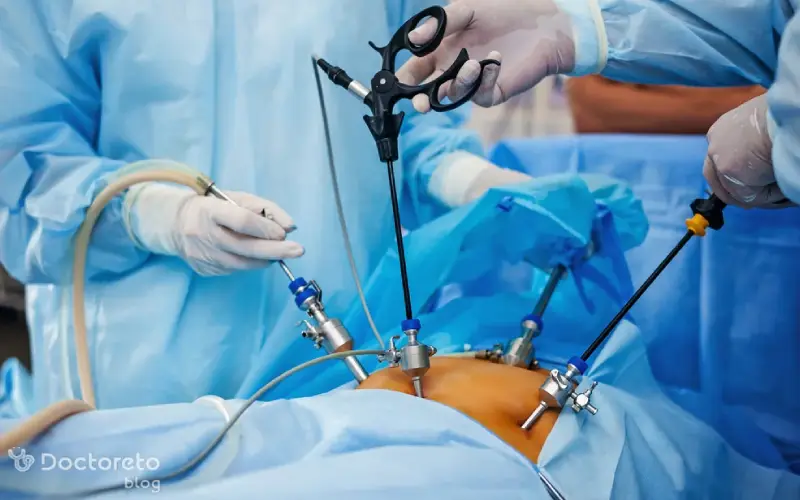
In some cases, local or spinal anesthesia is used. In this case, the anesthetic is injected into the abdomen or spine. The patient may be conscious, but feel no pain. The duration of surgery closing the fallopian tubes is usually about 30 minutes and is considered one of the minimally invasive procedures. During the operation, the surgeon makes one or more small incisions near the navel, and sometimes a small incision is made in the lower abdomen.
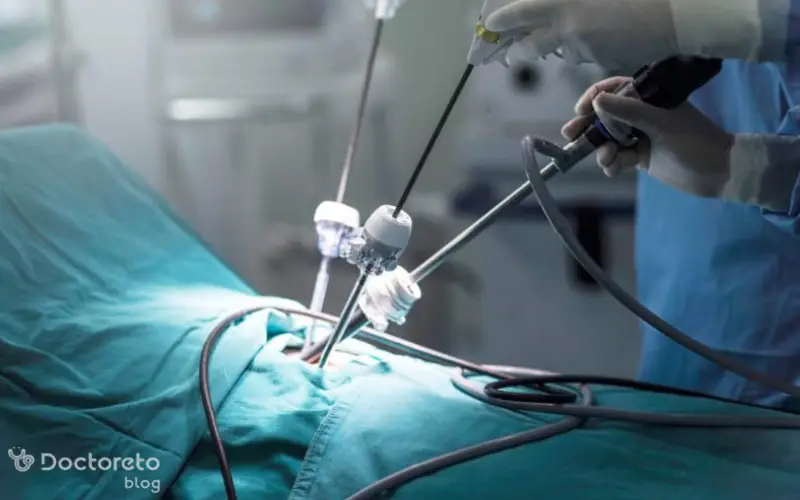
Then a small amount of gas is injected into the abdomen to provide the surgeon with enough visibility. After that, the laparoscope, which is a narrow tube equipped with a camera and light, is inserted into the abdomen. Using fine instruments, the surgeon locates the fallopian tubes and blocks them with a laser. Finally, the skin incisions are closed with one or two stitches and covered with a small dressing.
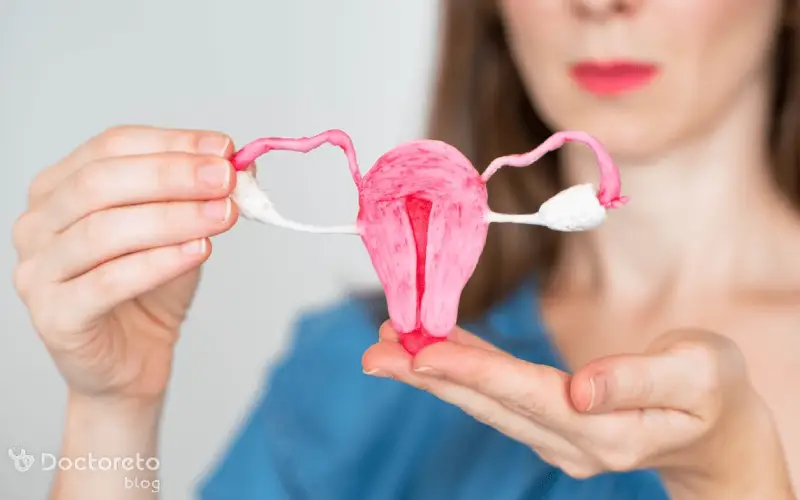
What kind of people is the fallopian tube-closure with a laser suitable for?
The right candidate is someone who has made a fully informed, personal decision to pregnancy prevention in the future. The next option is women who are aware of the health risks of pregnancy or have a genetic disorder and are concerned about the risk of passing it on to their child.
English text:
Quoted from my.clevelandclinic
Tubal ligation, is a permanent way to prevent pregnancy. It involves cutting or blocking your fallopian tubes.
Persian translation:
Closing the fallopian tubes is a permanent way to prevent pregnancy. This procedure involves cutting or blocking the fallopian tubes.
What kind of people is not suitable for closing the fallopian tube with a laser?
Due to its permanent nature, tubal ligation is not suitable for people who wish to become pregnant in the future. In such cases, reversible contraceptive methods are recommended instead of this method.

Advantages of laser tube closure
Typing the fallopian tubes can have several advantages over other birth control methods, including:
- This method is permanent and therefore you do not need to use other contraceptive methods.
- It does not interrupt intercourse or affect your sex life.
- It usually has few side effects.
- It is a comfortable and minimally invasive method.
- It is an effective choice and method.
- The method is without the use of hormones.
| Advantages | Disadvantages |
|---|---|
| Performed minimally invasively (laparoscopically) | Laser method is not widely available and standardized. |
| No need to use hormones | Difference It has no proven efficacy or recovery over standard methods. |
| Permanent pregnancy prevention | Irreversible in most cases |
| No direct effect on the menstrual cycle | Possibility of regret, especially at a young age |
| No interference with sex | Danger though Low unwanted pregnancy in the long term |
| Short recovery period (because it is laparoscopic) | Risk of ectopic pregnancy if pregnancy occurs |
| No need for daily or monthly follow-up | Complications of general surgery: infection, bleeding, damage to adjacent organs |
| Suitable for people with medical contraindications Pregnancy | Higher cost in centers where laser is used. |
| Long-term effect and without dependence on patient cooperation | Need for fully informed and definitive decision making |
Steps to close the fallopian tube with laser
The doctor uses a small laparoscopic camera for the operation. He will also use a surgical laser to heat and destroy a small section of the fallopian tubes. Finally, the surgery to close the fallopian tubes with laser ends with the closing of the incisions.
English text:
quoted from allurelasermedspa
The doctor will use a small laparoscopic camera to complete the procedure. He will use a
surgical laser to carefully heat and destroy a small section of the fallopian tubes.
Persian translation:
The doctor uses a small laparoscopic camera to complete the operation. He uses a surgical laser to carefully heat and remove a small section of the fallopian tubes.
Preparation before laser tube closure surgery
In the days before surgery, you should inform your medical team of any medications you are taking. These medications include herbal supplements and over-the-counter medications. You may need to stop taking aspirin or other medications that thin your blood and increase bleeding.
care after laser tubal closure surgery
If you had a laparoscopic uterine tube ligation, you will be able to resume normal activities a few days after the procedure. If you have had a tubal ligation procedure after giving birth, recovery will take several weeks; Because you are also recovering from childbirth.
Take a break when you feel tired. Be active and include walking in your schedule. Let your body heal; Do not move quickly or lift anything heavy until you feel better.
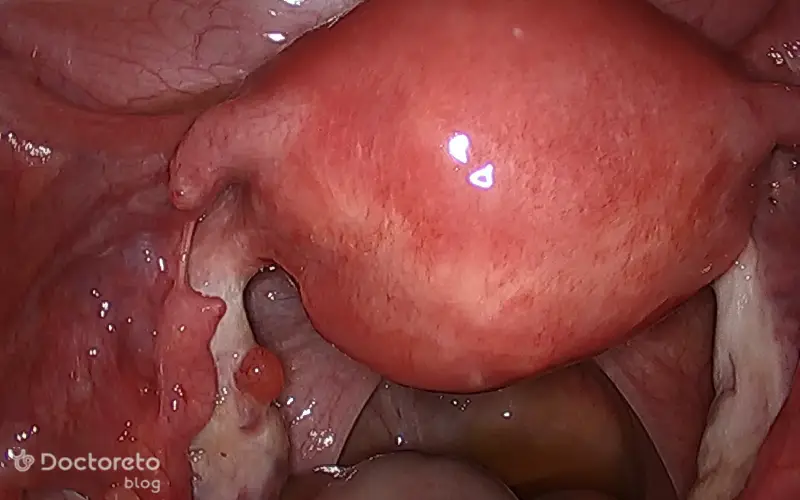
Complications of laser tube closure
Like any other surgery, closing the fallopian tubes with laser is also associated with some complications. These possible complications include:
- Blood clots (deep vein thrombosis or DVT): after surgery and especially in case of reduced mobility, there is a possibility of blood clots in the deep veins of the legs.
- Infection: Infection may occur at the site of surgical incisions or urinary tract infection (UTI), which is usually manageable with timely treatment.
- Damage to nearby nerves, vessels or organs: In rare cases, nerves, arteries or surrounding organs are damaged during surgery.
- Ectopic pregnancy: If pregnancy occurs after closing the tubes, the possibility of ectopic pregnancy increases.
Conclusion
Closing the uterine tube with laser is one of the most effective and reliable methods of preventing pregnancy. This method prevents fertilization by blocking the fallopian tubes. Laser tubal ligation is usually minimally invasive, has a short recovery period, and eliminates the need for continued use of other methods of prevention. However, due to its permanent nature, the choice of this method should be done after a full consultation with the doctor to be in harmony with the physical condition, general health and future plans of the person.
Your doctor takes care of your health!